
A study supported by the National Institute on Drug Abuse suggests that reducing stimulant use, rather than achieving total abstinence, can lead to significant improvements in health and recovery for individuals with stimulant use disorders. The findings challenge the traditional goal of abstinence as the sole measure of treatment success and support a more nuanced approach to measuring success in addiction treatment. The study highlights the potential benefits of reducing drug use and calls for a re-evaluation of treatment outcome measures, potentially leading to the development of a wider range of medications for substance use disorders.
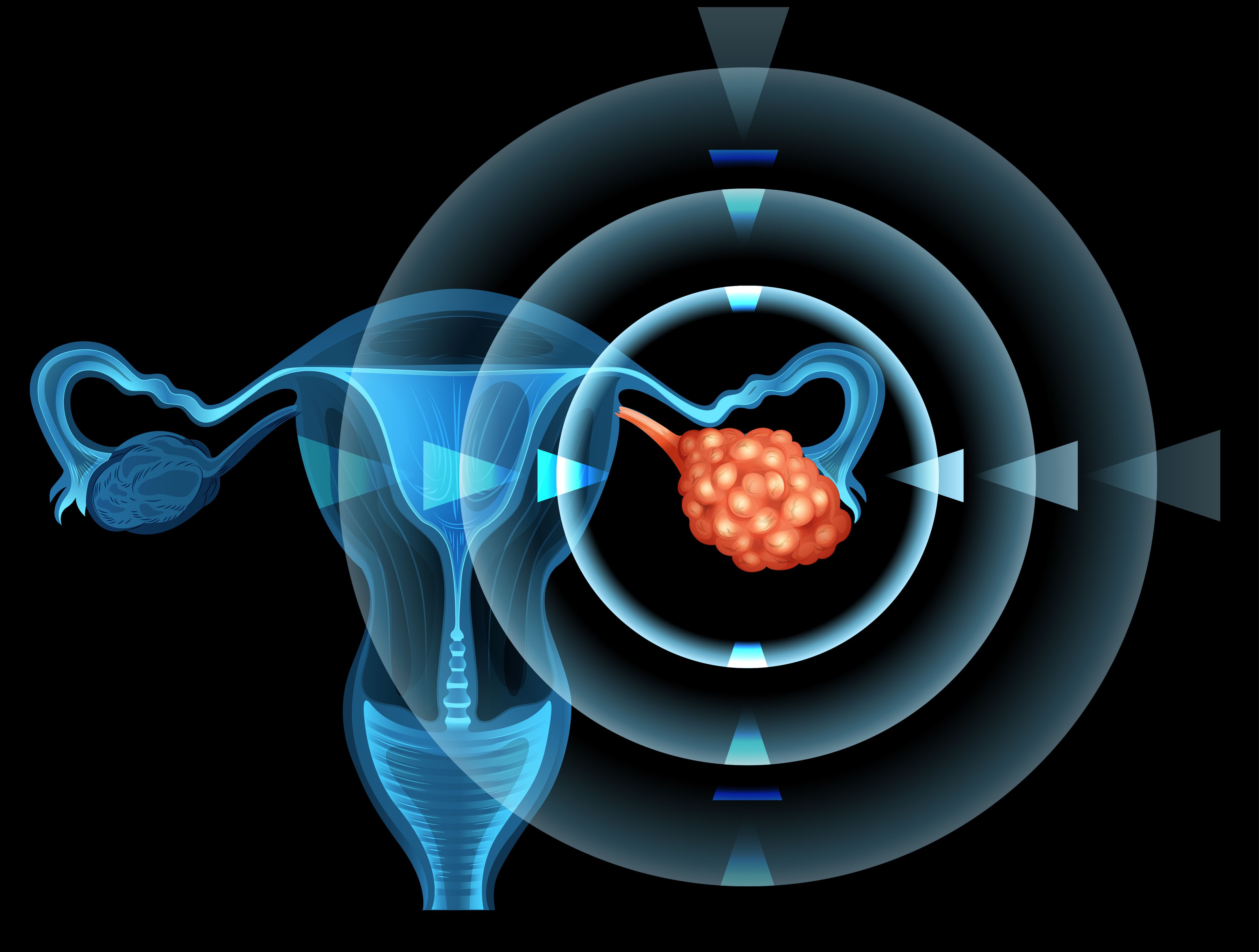
A study published in Annals of Surgical Oncology reveals that implementing a multidisciplinary surgical approach significantly improves overall survival (OS) in patients with ovarian cancer. The study, conducted at Mater University Hospital, found that patients who underwent the new approach experienced a 70% improvement in OS compared to previous therapies. The multidisciplinary surgical team (MDT) approach, which involved collaboration among various surgical disciplines, aimed to eliminate all visible tumors within patients' abdomens. The study also identified residual disease and age as independent predictors of survival. The findings highlight the importance of a multidisciplinary approach in achieving optimal treatment outcomes and improved quality of life for ovarian cancer patients.
Avoiding activities associated with past pain can lead individuals to avoid related tasks that may be painless, even if they are conceptually similar or in a different category. A study conducted on healthy individuals found that pain avoidance can generalize to safe activities, resulting in needless abstention from valued tasks. The findings emphasize the importance of understanding pain avoidance to improve treatment outcomes for those with chronic pain, as psychological factors play a significant role in predicting chronic pain rather than physical injury severity. Further research is needed to explore how these findings apply to individuals with chronic pain.
A recent home-based study published in the Journal of Eating Disorders examined the sleep patterns of anorexia nervosa patients. The study found that these patients experienced significant sleep disturbances, including more nights spent awake, shorter periods of uninterrupted sleep, and longer durations of awakenings during the night. These disruptions have been linked to poorer treatment outcomes and more severe eating disorder symptoms. By addressing sleep disturbances in anorexia patients, healthcare providers may be able to improve treatment outcomes and reduce the severity of eating disorder symptoms.
A study published in the Journal of Affective Disorders suggests that adverse childhood experiences (ACEs) can lead to increased severity of symptoms and worse treatment outcomes for individuals with depression. The study found that individuals who experienced three or more ACEs, particularly violence and sexual trauma, had higher depression scores, more lifetime suicide attempts, and more inpatient admissions. The findings highlight the importance of considering both cumulative risk models and individual risk models when analyzing the effects of childhood trauma on depressive symptoms and treatment outcomes. However, the study's reliance on self-report measures and lack of information about the timing and severity of childhood traumas are limitations.
Pregnant women seeking treatment for cannabis use disorder (CUD) at public-funding facilities are more likely to complete treatment if referred by the justice system, community partners, or healthcare providers. Only 30% of pregnant women completed treatment, with a 4-to-12-month stay associated with treatment completion. Employment was another contributing factor to successful CUD treatment completion. Developing targeted CUD treatments for pregnant populations is crucial due to increasing CUD rates, cannabis accessibility, and potency.