The US plans to scrutinize social media posts of visa-free travelers, raising concerns about privacy, travel restrictions, and cultural misunderstandings, emphasizing the importance of cautious online sharing and cultural awareness while traveling.
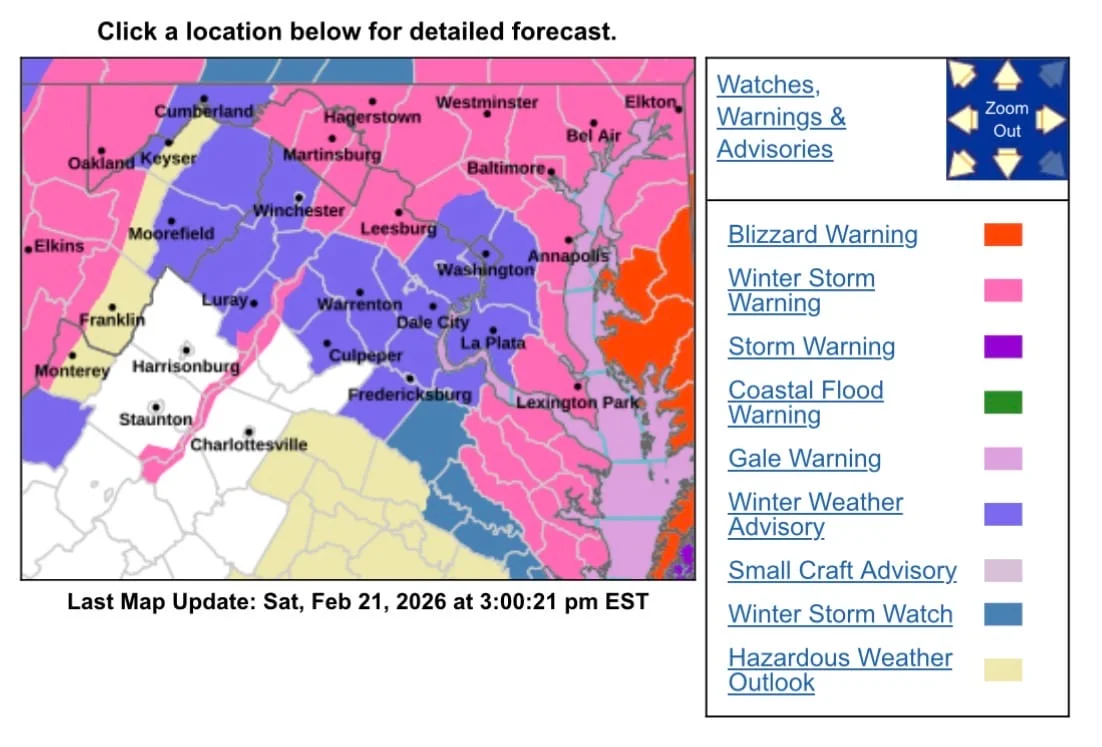
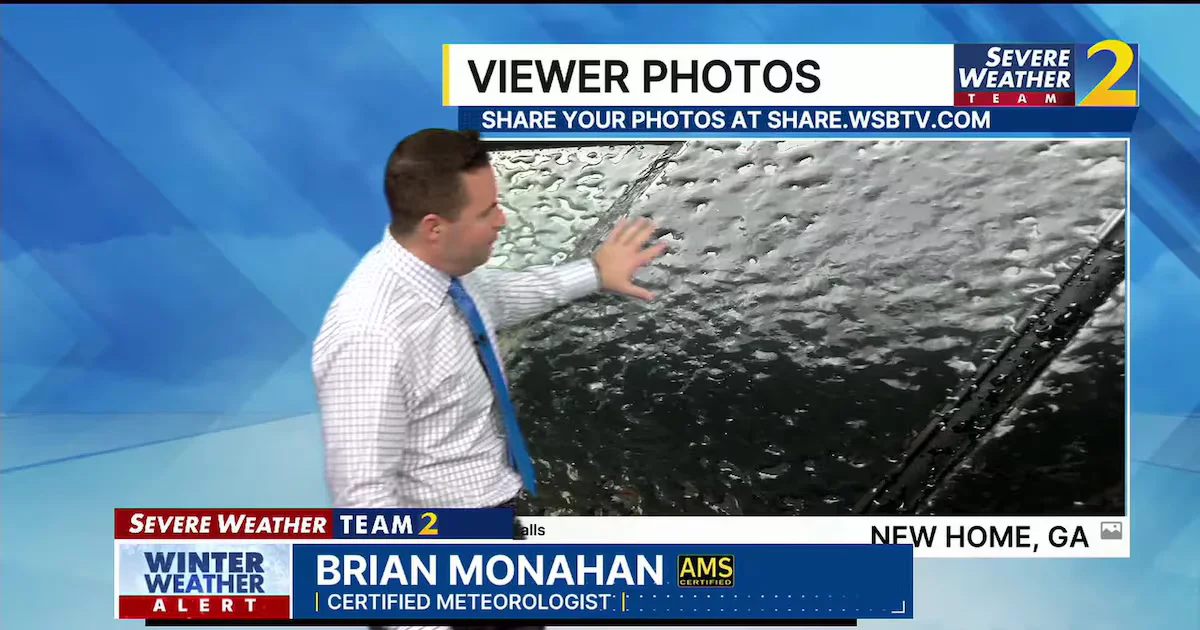
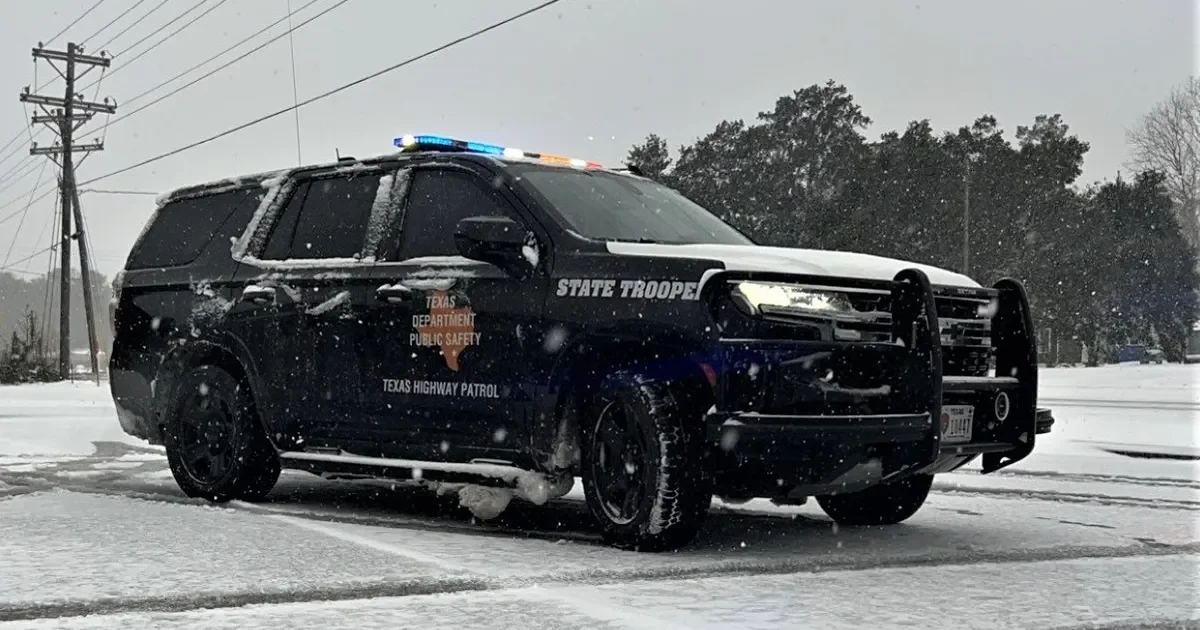
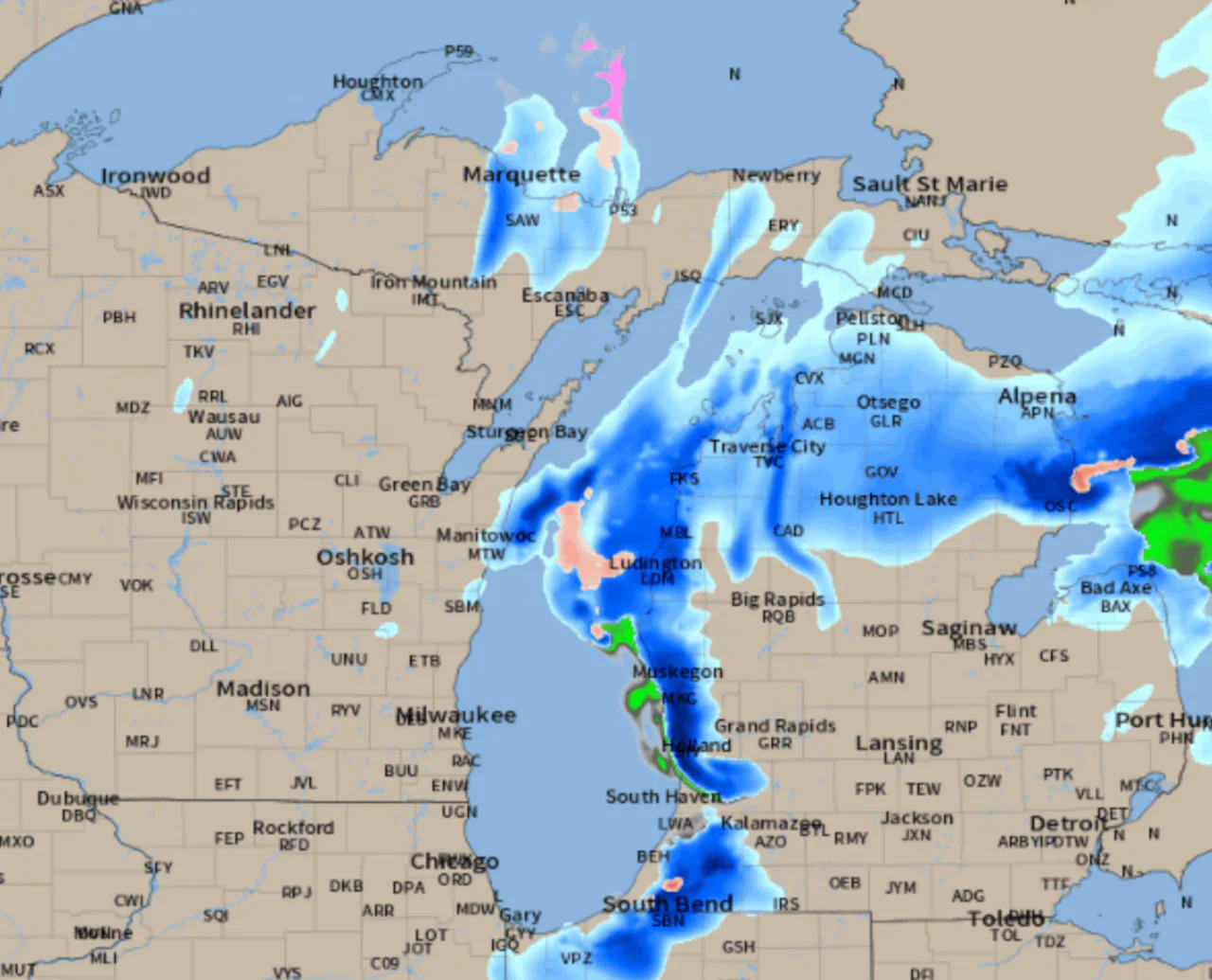
A snowstorm in Michigan is winding down, with most areas seeing the end of widespread snow by late morning, but a dangerous lake-effect snow band will develop in the southwest corner of Lake Michigan, requiring cautious driving and route adjustments, especially in the late afternoon and evening. Temperatures will rise above freezing around noon, improving road conditions, but travelers should avoid the southwest Michigan area during the heavy snow burst.
The parents of two Australian teenagers who died after drinking methanol-laced alcohol in Laos have warned others to avoid the country due to safety concerns and lack of investigation into the deaths, highlighting the dangers of methanol poisoning and calling for clearer travel warnings.
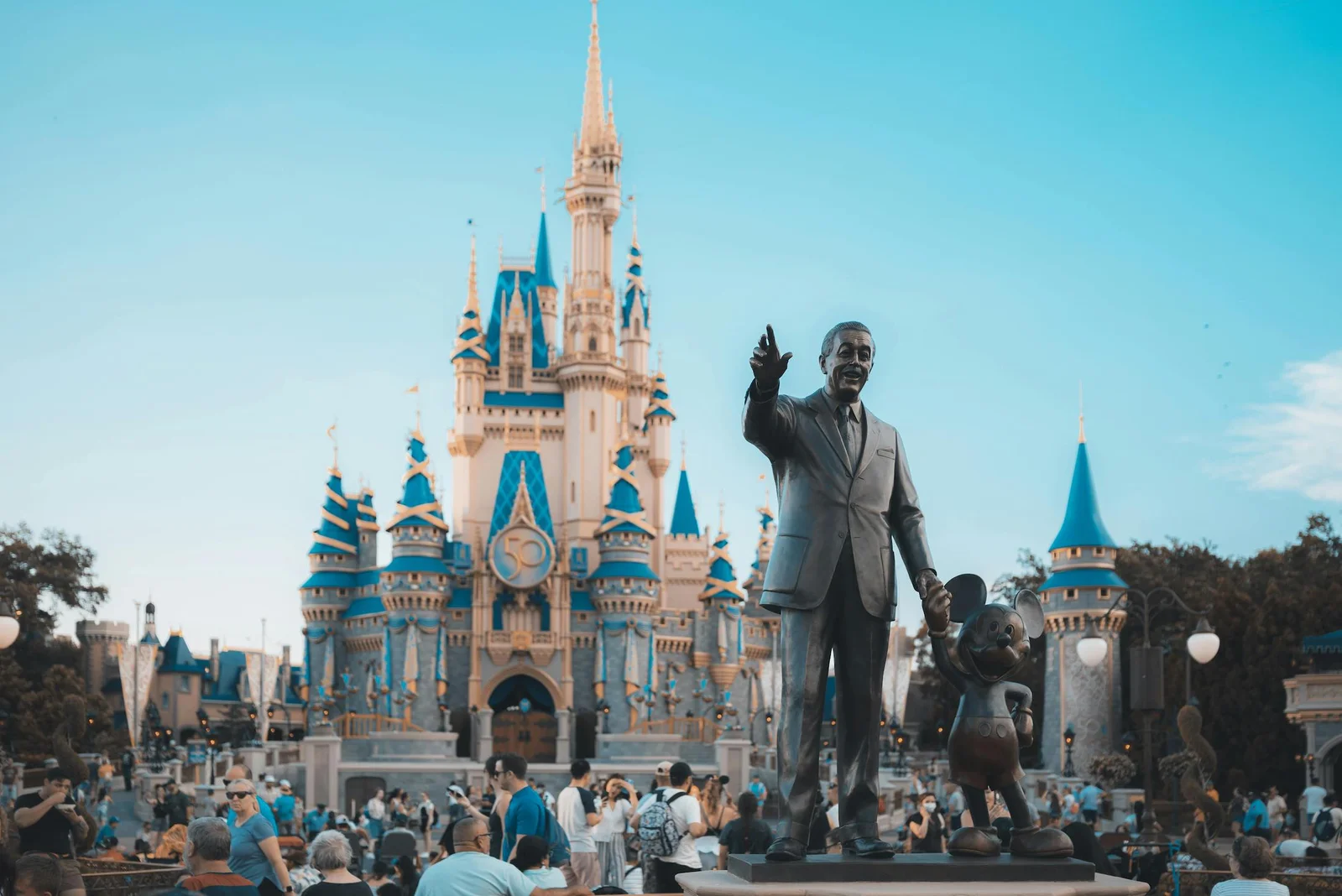
A guest at Disney's Contemporary Resort died, with authorities treating it as a suicide, adding to a series of similar incidents at the hotel, which has raised concerns about mental health and safety at popular tourist destinations. Despite the tragedies, the resort remains safe and well-managed, but travelers are advised to be mindful of their mental health and communicate openly during their stay.
Tourists relying on AI for trip planning risk encountering fictitious landmarks and dangerous situations due to AI hallucinations, highlighting safety concerns and the need for verification when using AI tools for travel.
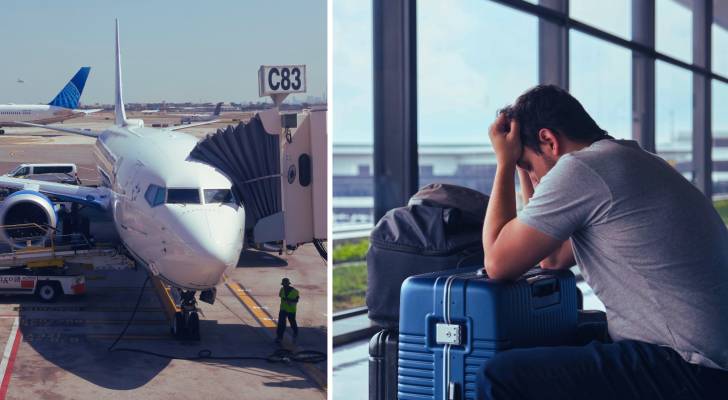
A man was scammed out of $17,000 after calling United Airlines for a flight issue; despite calling the official number, his call was redirected to scammers, highlighting the rising threat of airline-related scams and the importance of verifying contact channels. United is investigating the incident.
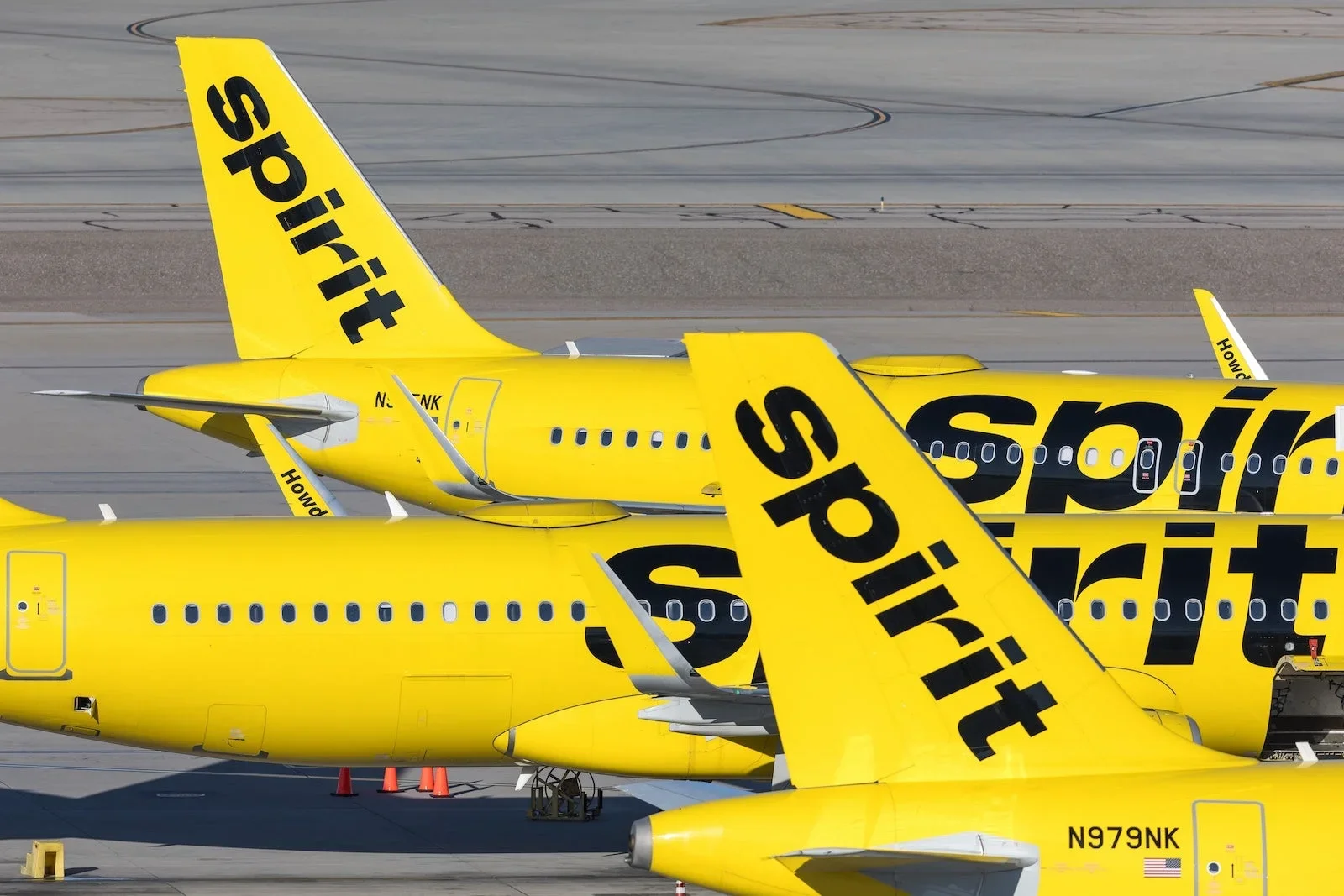
Spirit Airlines has warned of potential insolvency within 12 months due to financial struggles, including cash shortages and ongoing losses, raising concerns for travelers but not immediate flight cancellations. The airline is exploring asset sales and negotiations with creditors, and its future remains uncertain, potentially impacting the low-cost airline market and offering opportunities for competitors like Frontier Airlines. Travelers are advised to consider travel insurance and stay informed about the airline's financial status.
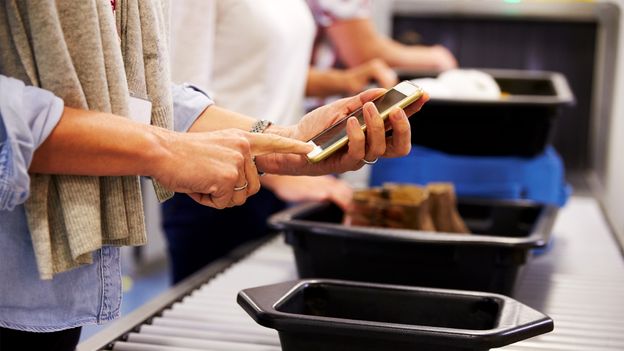
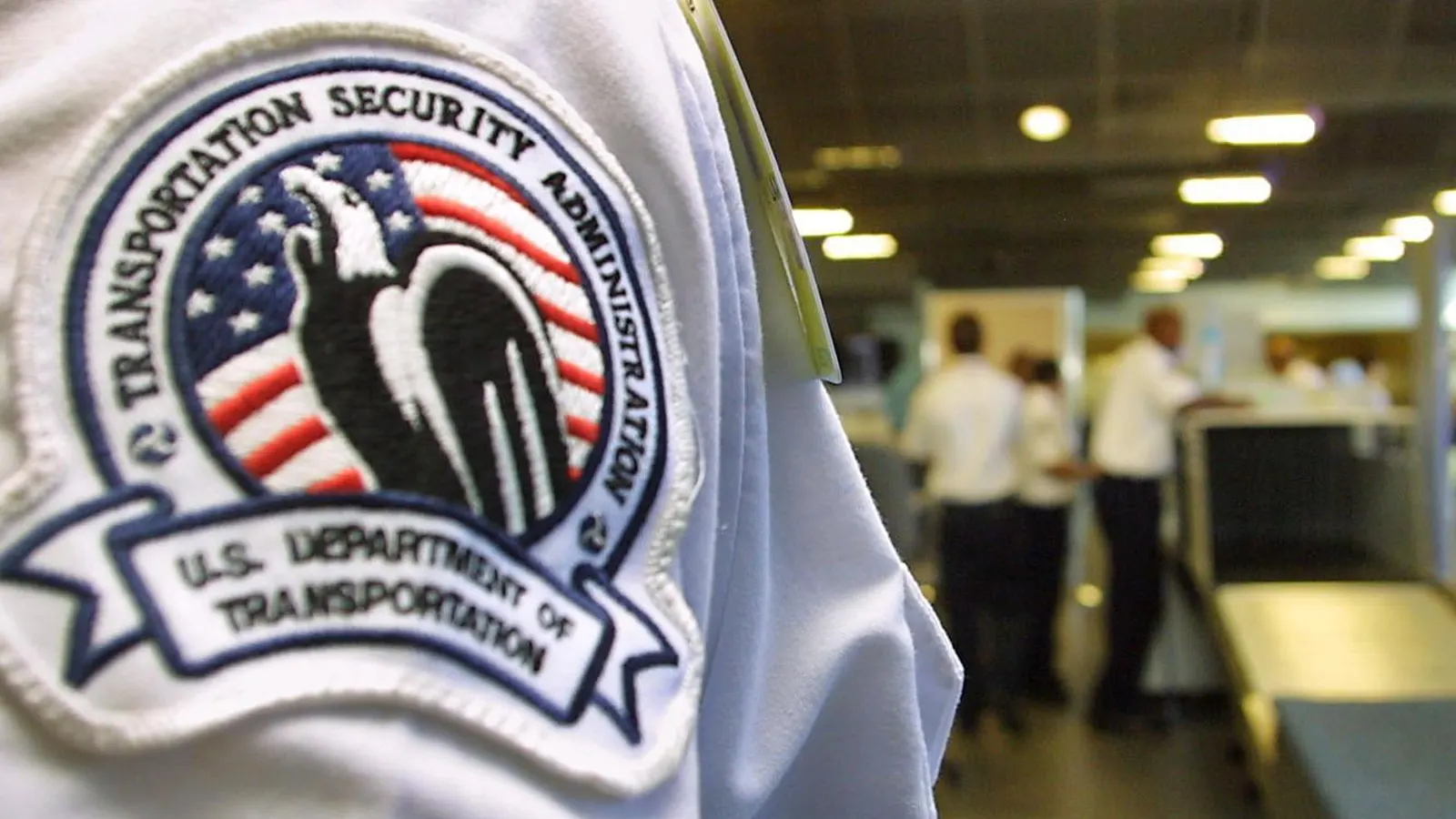
The TSA warns travelers to avoid public WiFi and USB charging stations at airports due to cybersecurity risks like data theft and malware, emphasizing the importance of using secure connections and trusted charging sources to protect personal information during travel.
Travelers should carefully check the legal restrictions, proper storage, and necessary documentation for medications before traveling abroad to avoid legal issues, ensure medication efficacy, and maintain health during their trip.
Homeland Security Secretary Kristi Noem indicated that the TSA is considering relaxing the longstanding 3.4-ounce liquid size limit for carry-on items, aiming to improve the travel experience while maintaining safety, though no specific timeline has been provided.
DHS Secretary Kristi Noem suggested that the current liquids rule for carry-on bags might be overhauled to streamline airport security, possibly allowing larger liquids or simplifying the process, with pilot programs to test new technology before wider implementation.
AI tools like ChatGPT are unreliable for detailed travel planning due to frequent errors, lack of real-time updates, and inability to account for personal preferences, making manual verification essential for safe and effective trips.
The TSA has officially ended its 19-year-old policy requiring passengers to remove their shoes during security checks, citing advancements in security technology and a need to streamline the process, especially with upcoming major events like the World Cup and Olympics.
The TSA has implemented a new policy allowing travelers to keep their shoes on during security screenings at some U.S. airports, aiming to streamline the process ahead of major events like the Olympics and World Cup. The change, already in effect at select airports, is part of broader efforts to improve efficiency and security, with plans to expand nationwide. The policy shift follows technological advancements and research into new screening methods, including shoe-specific scanners.
The TSA is ending the long-standing requirement for travelers to remove their shoes at airport security checkpoints, starting at some airports including LaGuardia, marking a significant change after nearly 20 years.