The US plans to scrutinize social media posts of visa-free travelers, raising concerns about privacy, travel restrictions, and cultural misunderstandings, emphasizing the importance of cautious online sharing and cultural awareness while traveling.
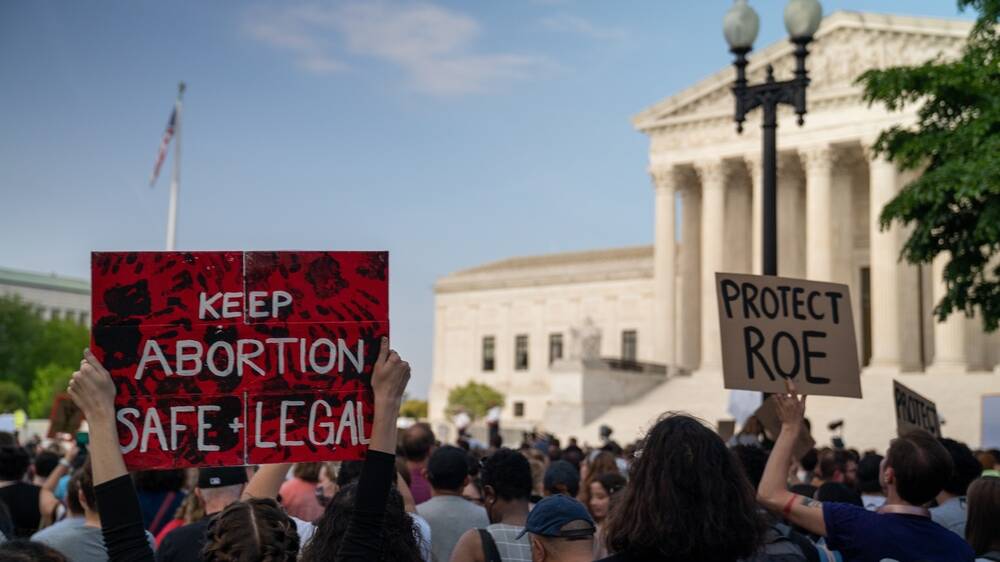
The US Federal Trade Commission reached a settlement with fertility tracking app Premom over charges that it shared users' sensitive personal and health data, including pregnancy status, with third parties without consent. Google is also facing legal action over claims that it unlawfully collects health data, including searches related to abortion, on third-party websites. A Midwest group used geofencing to send targeted anti-abortion ads to mobile phones belonging to people who visited some Planned Parenthood clinics. Social media monitoring firm Dataminr helped the US Marshals Service surveil abortion rights advocates by flagging protest organizers' and attendees' Twitter posts and sharing them with the federal law enforcement agency.
President Biden expressed concern over the recent leak of classified U.S. documents and stated that the Justice Department's investigation into the leaker is "getting close" to a conclusion. Dozens of Defense Department classified documents were leaked online last month, revealing details of U.S. spying on Russia's war machine in Ukraine, secret assessments of Ukraine's combat power, and intelligence gathering on America's allies. The leaked documents pose a potentially serious risk to national security, and the administration is now looking at expanding the universe of online sites that intelligence agencies and law enforcement authorities track.