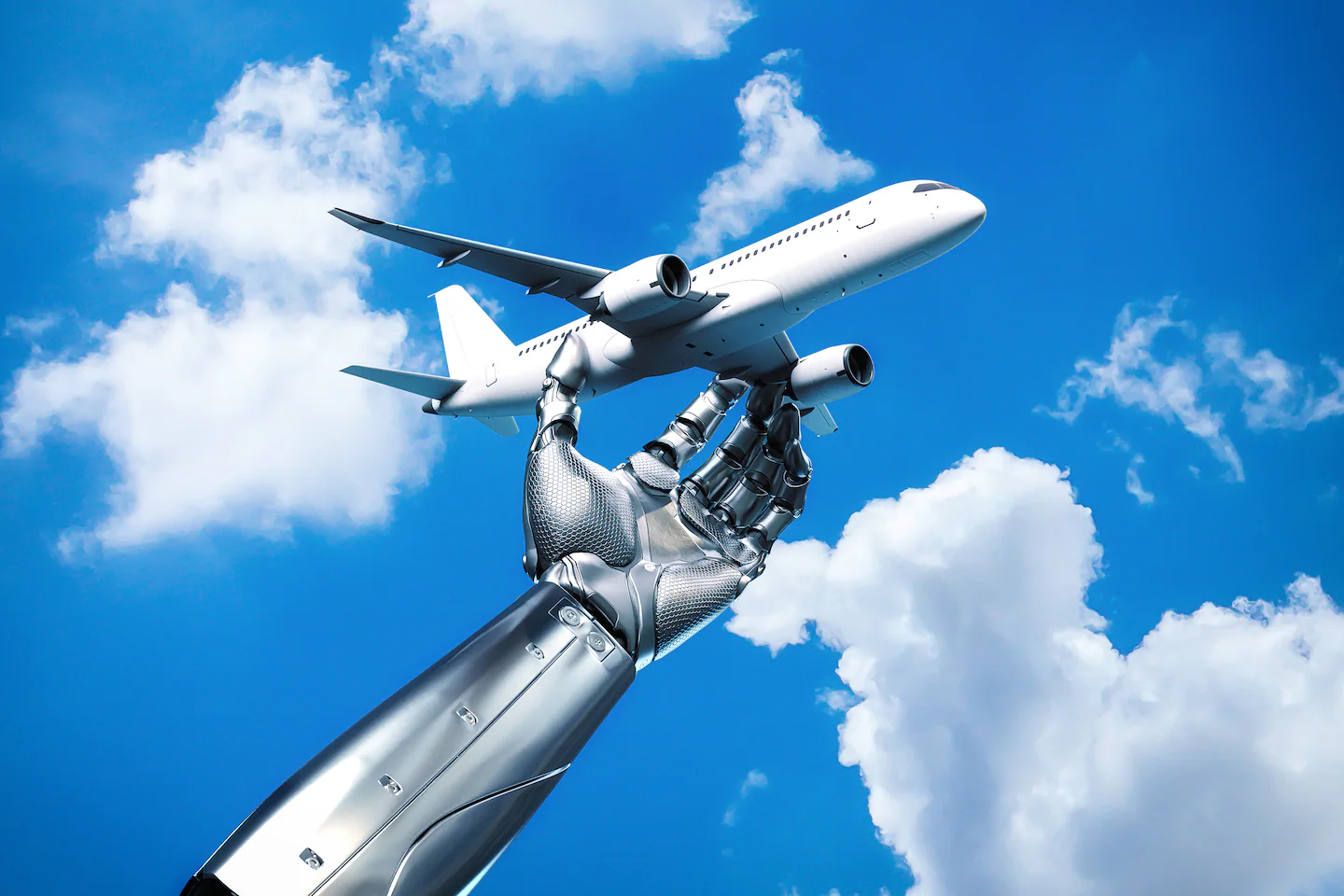
The travel industry is increasingly adopting AI for dynamic pricing and service enhancements, raising concerns about transparency, privacy, and fairness among consumers and regulators, as airlines like Delta, Marriott, and Hertz implement AI-driven systems for ticket pricing, upgrades, and damage assessments.

Despite President Biden's positive economic outlook, Americans are feeling the pinch of inflation, with everyday expenses like groceries, rent, insurance, and household items steadily increasing. Four diners in Reading, Pennsylvania, expressed their concerns about rising prices, citing examples such as eggs, milk, orange juice, and plastic bags. Additionally, individuals in various industries, such as real estate and transportation, highlighted the impact of inflation on their livelihoods. Despite Biden's claims of decreasing inflation and rising wages, consumers are experiencing ongoing financial strain, prompting skepticism about the state of the economy.
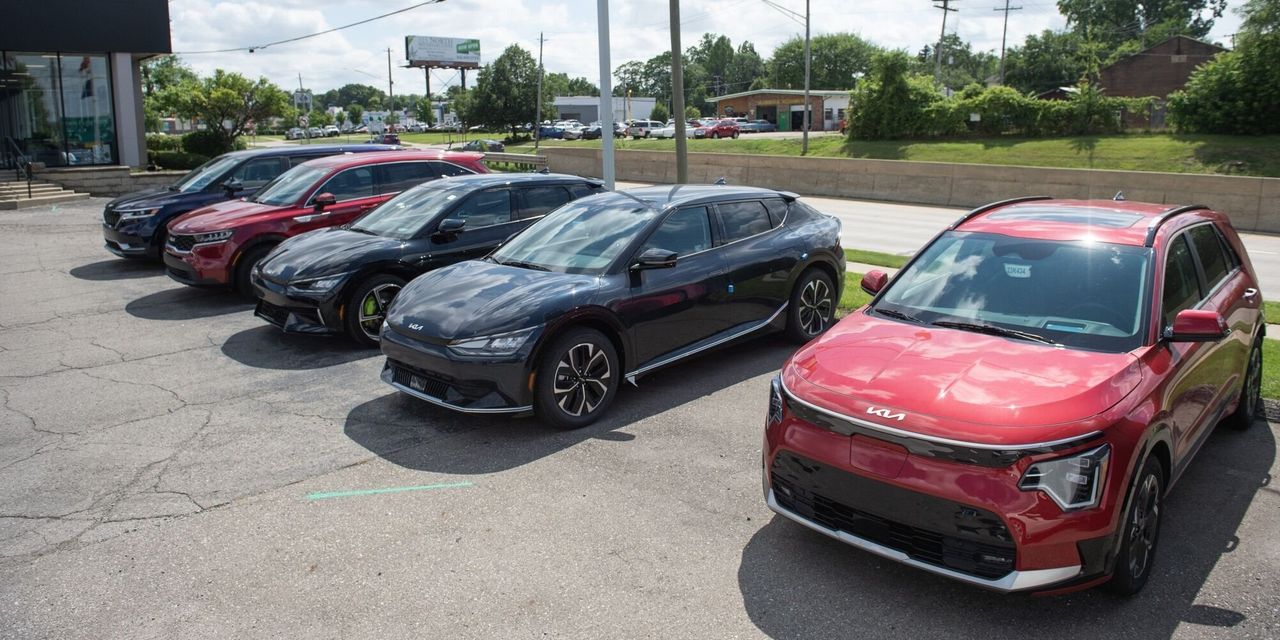
Car dealers in various regions are expressing concerns about the challenges of selling electric vehicles (EVs) due to consumer worries about range, reliability, and pricing. Many potential EV buyers are hesitant to make the switch, citing concerns about the accessibility of charging infrastructure compared to traditional gas stations.
Despite price cuts and tax breaks, electric vehicle (EV) sales in the US are facing challenges as inventories have increased by 506% from a year ago, with EVs sitting on lots for longer. Surveys indicate that EVs are still too expensive for most people, even with government incentives. While prices have dropped, the average EV list price remains 28% higher than a gas vehicle. Other factors contributing to the slow adoption of EVs include concerns about charging infrastructure, battery life, and the inconvenience of longer charging times. Additionally, the total cost of ownership for EVs, including upfront costs for home chargers and higher insurance rates, is still higher compared to gas vehicles.
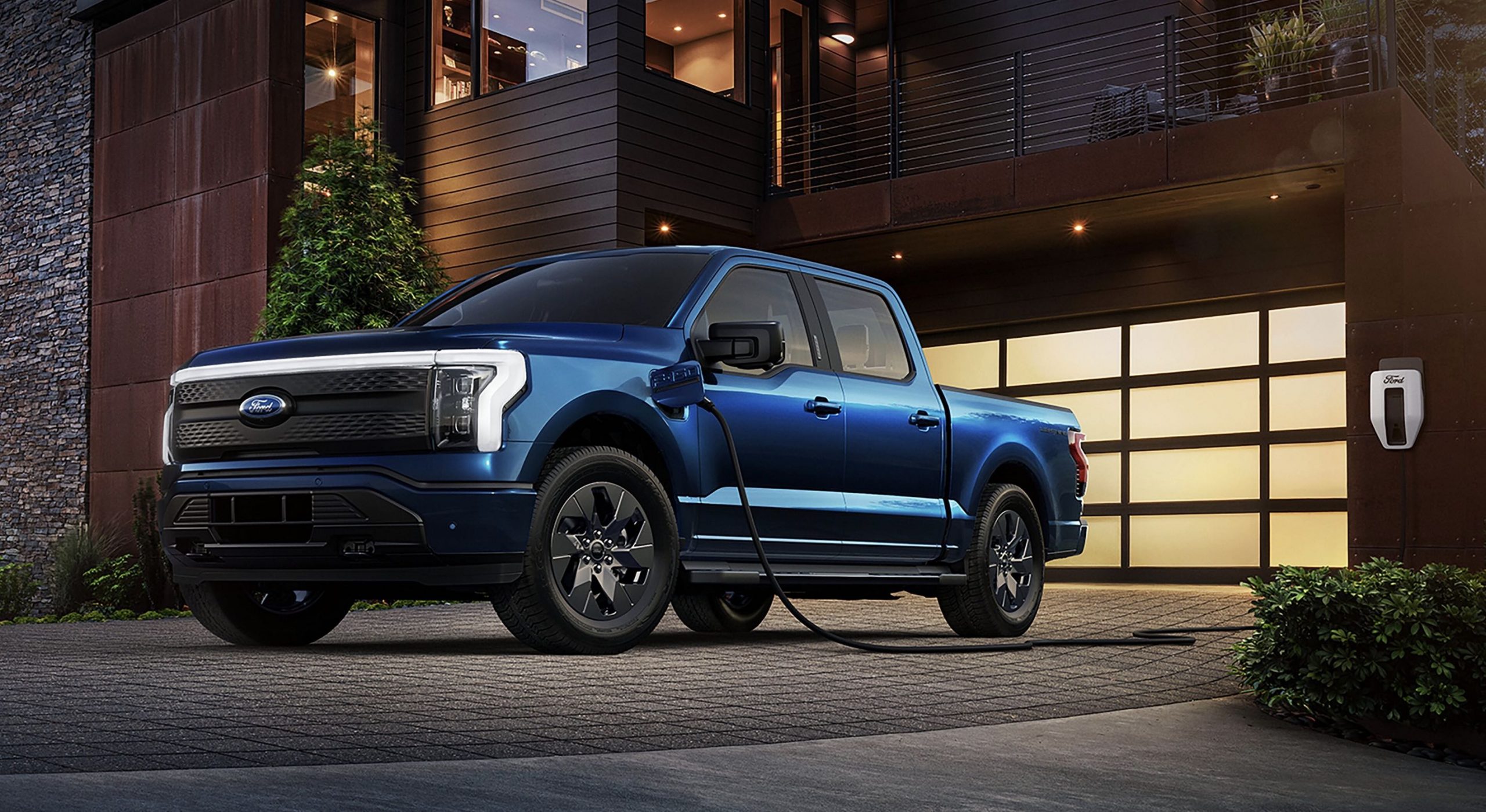
Ford CEO Jim Farley believes that consumers are experiencing "charging anxiety" rather than range anxiety when it comes to electric vehicles (EVs). He acknowledges that EVs are currently for a niche market due to their premium price, but Ford aims to address this concern by partnering with Tesla and utilizing their North American Charging Standard connector, granting Ford EV drivers access to Tesla Superchargers. Farley emphasizes that Ford will continue to offer a choice between EVs and internal combustion engine vehicles, recognizing that the F-150 Lightning is the best-selling electric pickup in the U.S. but may not be suitable for everyone.
Affirm Holdings stock is experiencing a surge despite mixed opinions from Wall Street analysts on whether it is a good investment, as the pay later company dismisses worries about consumer strains in its latest update.
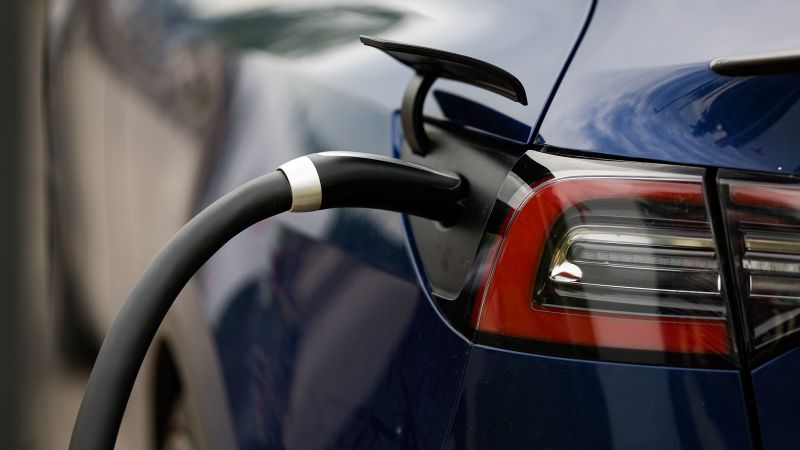
Electric vehicle (EV) sales in the US are breaking records, with nearly 300,000 new battery-electric vehicles (BEVs) sold in Q2 2023, surpassing the total sales of 2019. Factors such as price cuts, a wider variety of available vehicles, and government and manufacturing investments are driving the growth. However, EVs are not expected to replace gas cars anytime soon due to several barriers. Price remains the biggest concern for consumers, despite recent price cuts. Additionally, a lack of access to charging stations and geographic disparities in charging infrastructure pose challenges. The US Energy Information Administration predicts that achieving an EV-majority market will take several decades.