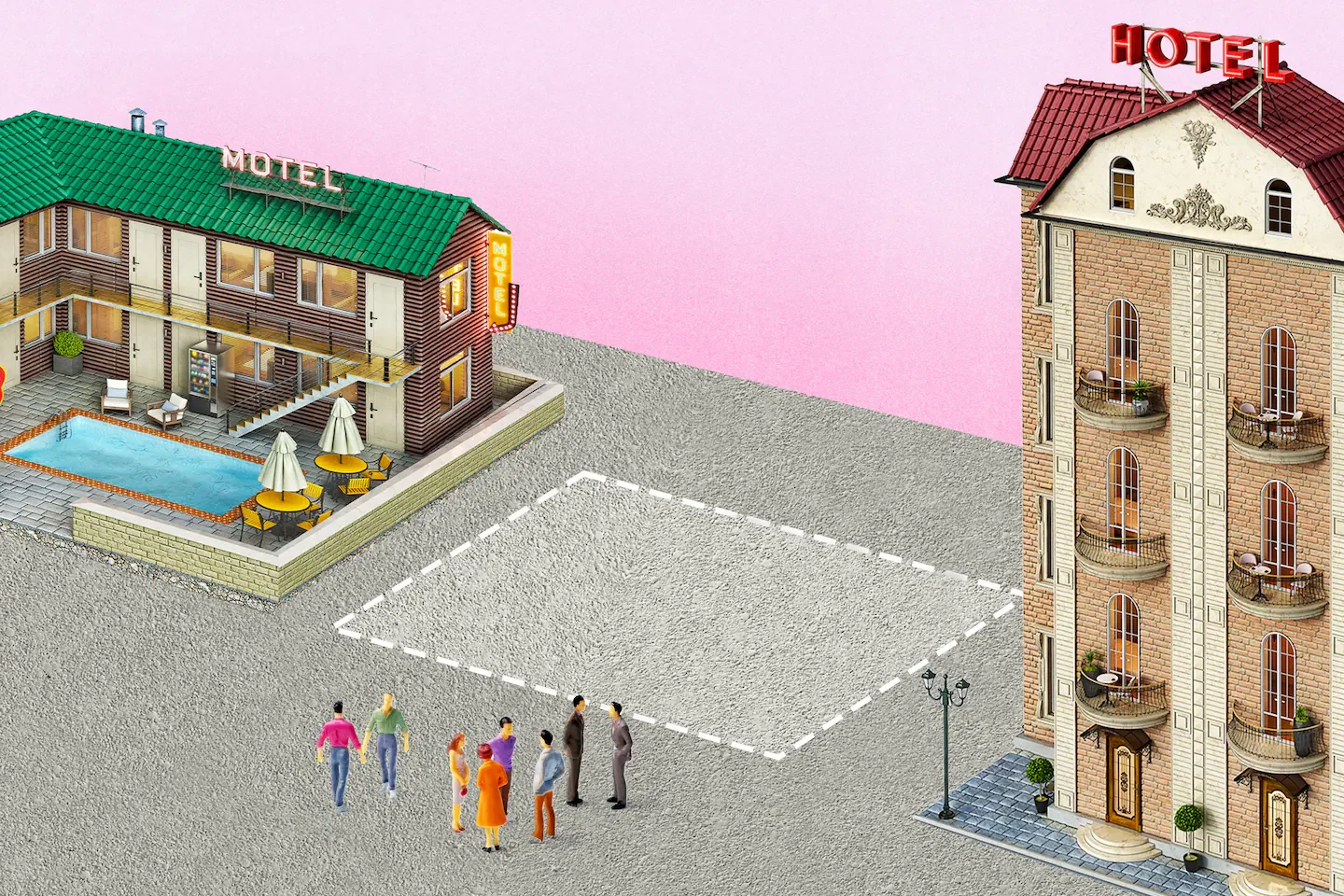
Inflation has driven hotel prices up, making midscale properties hard to afford and forcing travelers to either downgrade to budget hotels or pay luxury prices, a trend illustrated by Skift’s New York meeting where attendees were relocated to cheaper or farther properties.
A UK family is saving money by traveling the world for a year with their daughter, finding that their travel costs are lower than their expenses at home, and emphasizing the benefits of family adventure and cultural exposure over traditional living.
To make vacations cheaper, consider alternative destinations like Montreal instead of Paris, stay outside city centers, and explore budget accommodations such as hostels or house-sitting, while also being flexible with travel dates to save money.
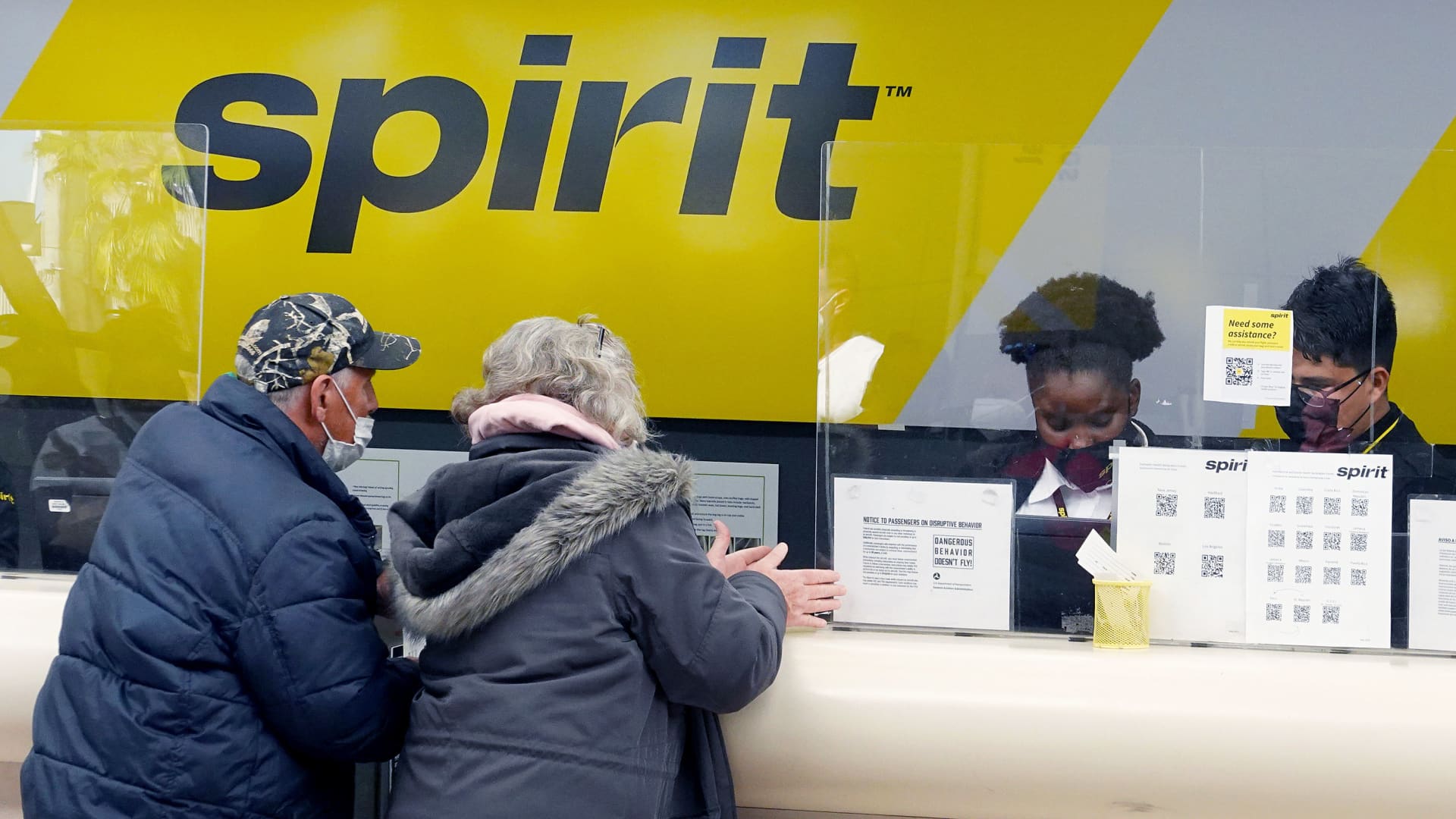
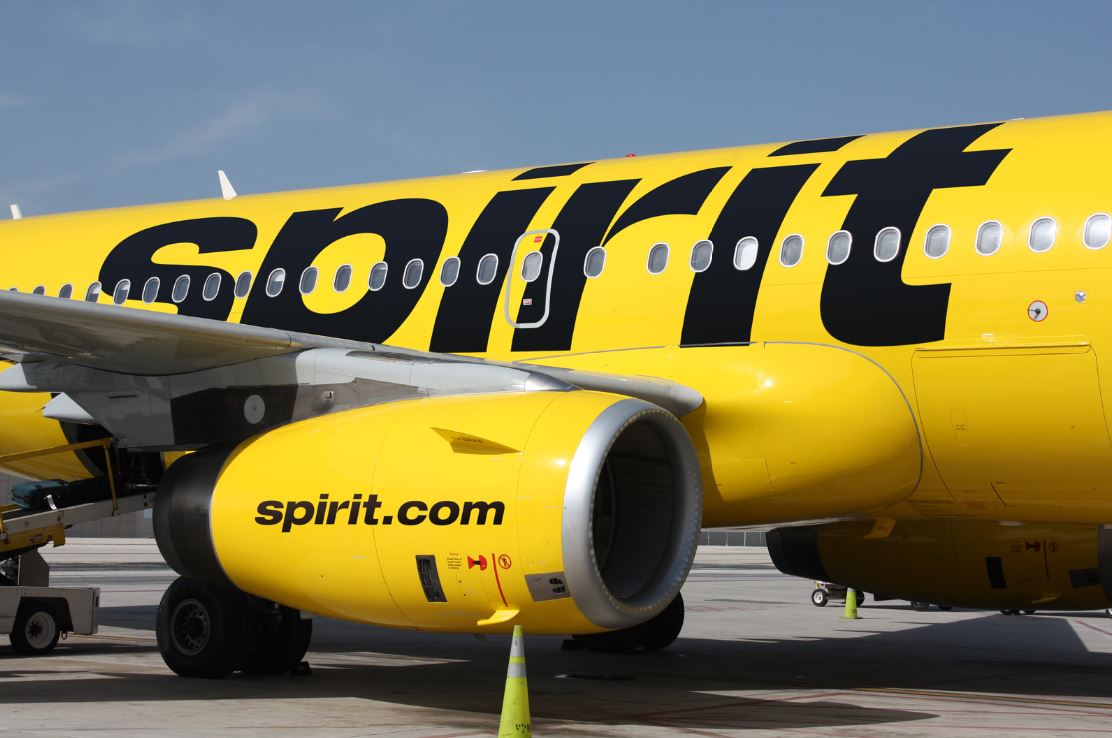
Spirit Airlines, a major player in budget air travel, has filed for bankruptcy protection due to mounting losses, a failed merger with JetBlue, and increased costs post-pandemic. Despite the filing, Spirit plans to continue operations and expects to exit bankruptcy by early next year. The airline has faced challenges such as an engine recall and a blocked merger, leading to significant financial losses and a need to sell assets. Spirit's business model of low fares with additional fees influenced larger carriers but struggled as travel dynamics shifted.
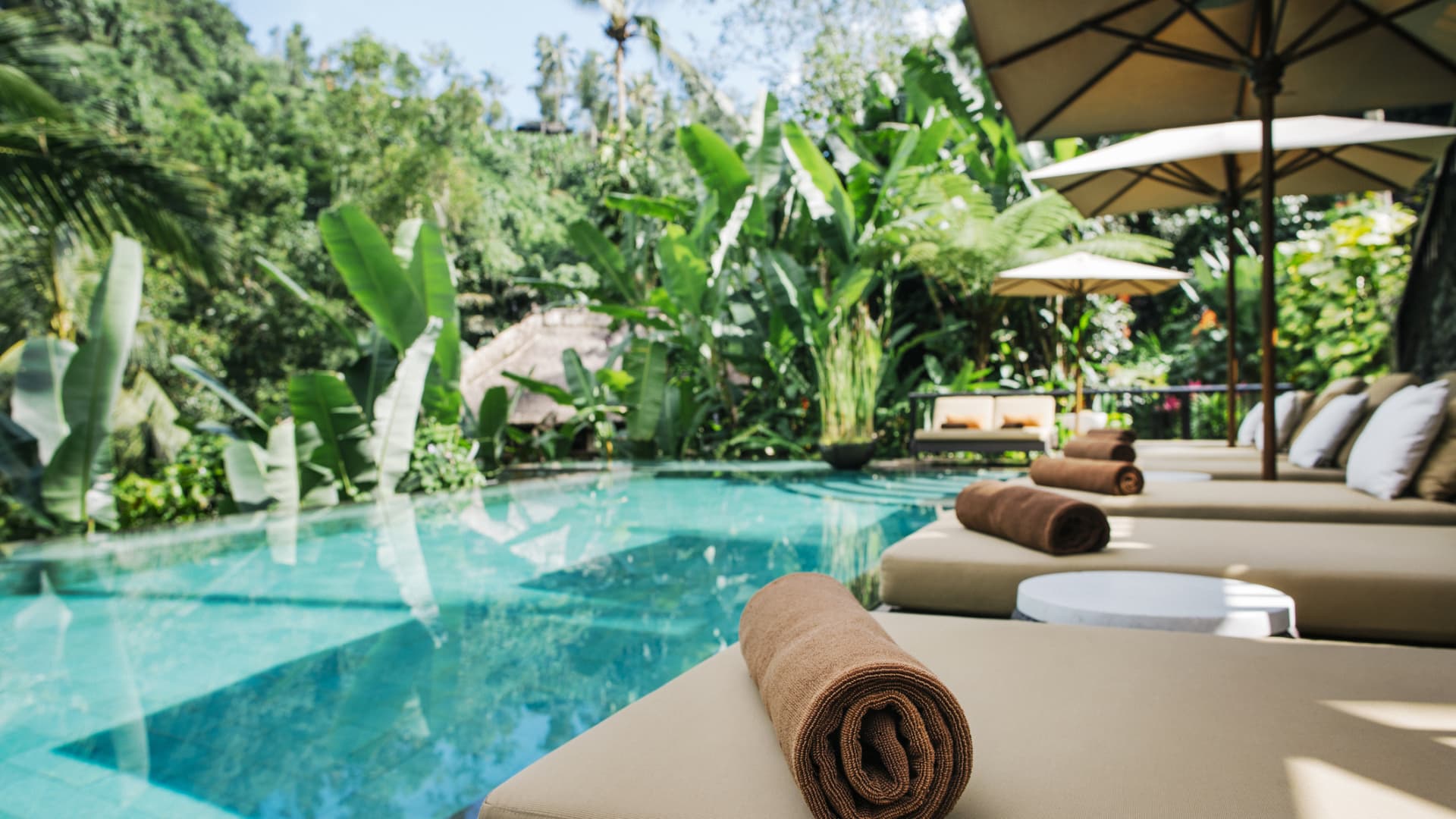
As travelers look to cut vacation costs, resort day passes are becoming a popular option, offering access to luxury hotel amenities without the expense of an overnight stay. This trend is driven by budget-conscious consumers and supported by hotels and third-party platforms like ResortPass, which provide day-pass access to high-end facilities.
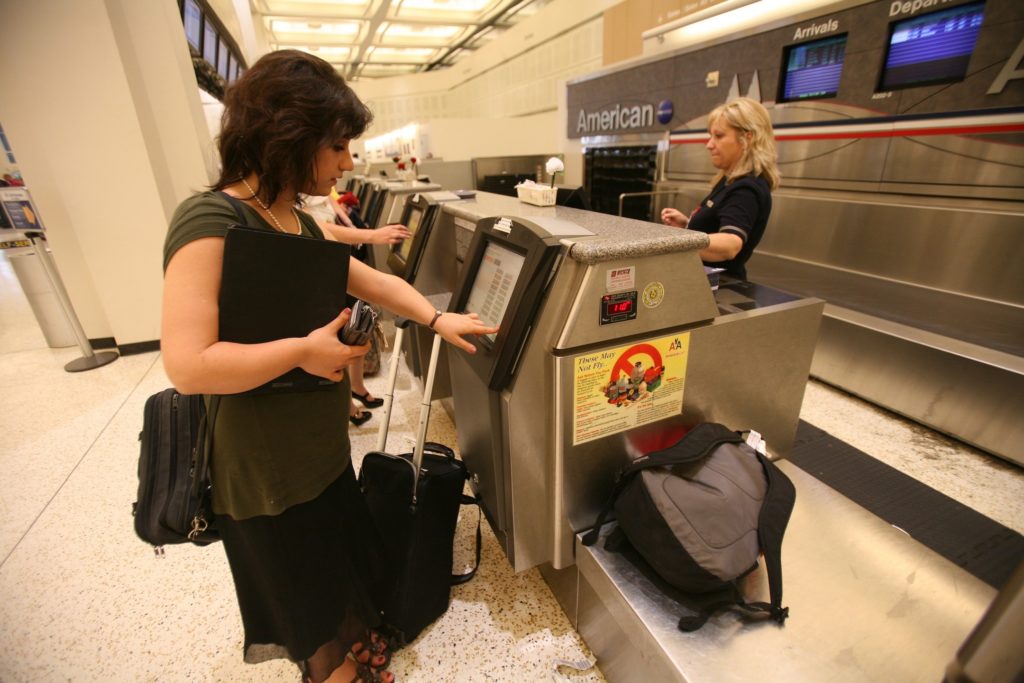
Major airlines are increasingly adopting an à la carte pricing model, charging passengers for services like seat selection, baggage, and in-flight amenities, which now account for about 20 percent of airline revenue worldwide. The Department of Transportation is fielding consumer complaints and investigating whether these practices constitute deceptive pricing, while the Biden administration is proposing rules to increase transparency in airline fees. Despite concerns, as long as consumers continue to buy into this pricing model, it is likely to persist. Additionally, a federal judge recently blocked the merger of JetBlue and Spirit Airlines, highlighting ongoing consolidation in the airline industry.
A traveler tested the capabilities of the AI chatbot ChatGPT to plan a trip to Switzerland with a $3,500 budget. Despite high expectations, the chatbot fell short in providing detailed and helpful suggestions for flights, accommodations, and activities. It lacked real-time internet access and could only offer vague estimates. The traveler concluded that relying on travel blogs, YouTube videos, and flight websites was more effective and time-saving for trip planning.
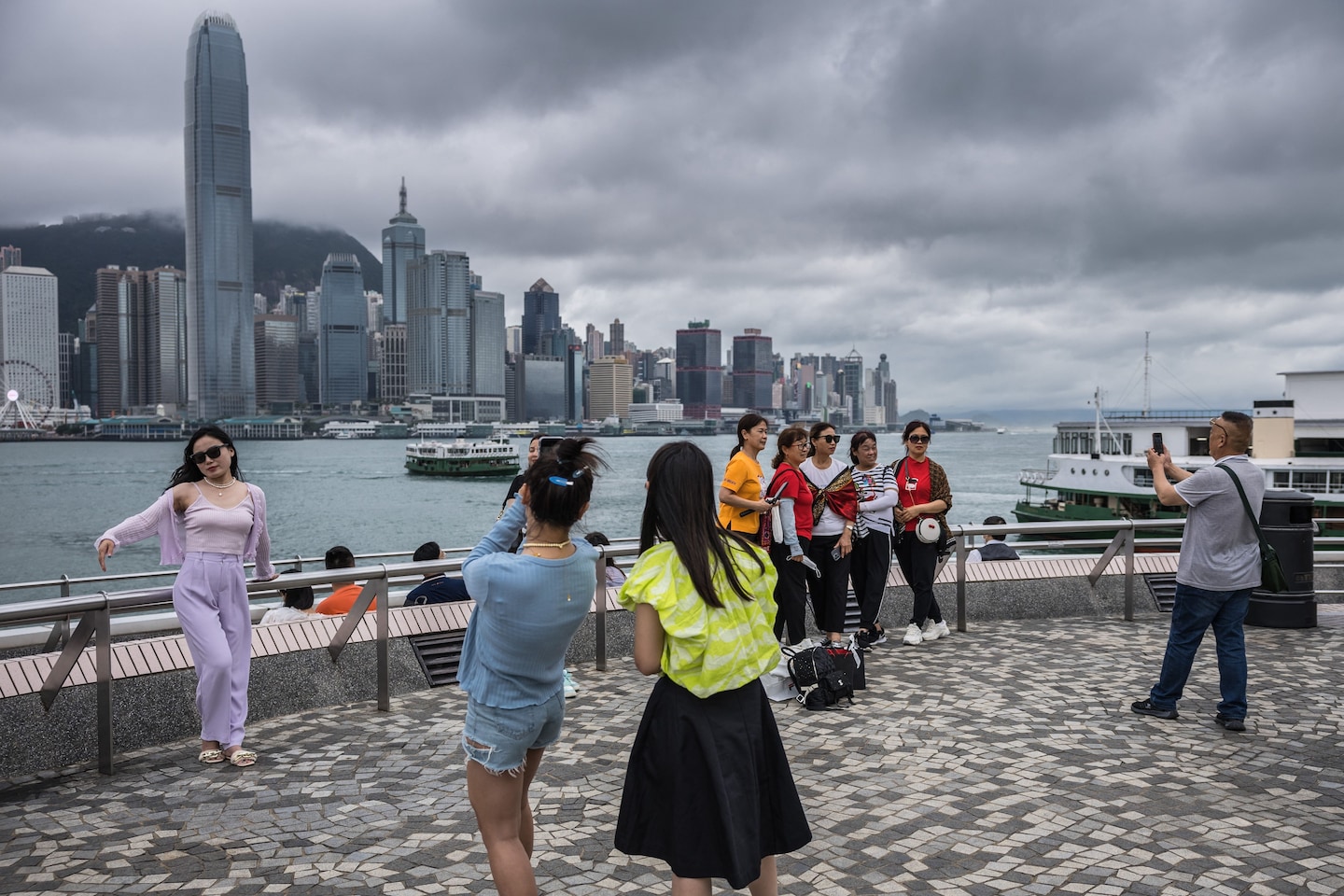
Young Chinese tourists, known as "special forces" travelers, are embracing budget-conscious travel during the long holiday period in China. Lingering concerns about the economy have led to a preference for domestic travel and cost-cutting measures. While Chinese tourists are gradually returning, they are more cautious with their spending and opting for experiences like camping and road trips instead of luxury shopping. The desire to have fun while saving has led to the popularity of shoestring travel, with young travelers seeking out cheap and picturesque destinations. The recovery of international tourism is weaker than expected, with domestic tourism taking priority for Chinese consumers.
Spirit Airlines is expanding its nonstop routes from Tampa International Airport, adding daily service to Charlotte, North Carolina starting October 5, and four flights per week to Norfolk, Richmond, and Charleston, South Carolina as seasonal routes starting November 15. This marks the first time Spirit has flown nonstop between Tampa and these cities. With these additions, Spirit will become the airline with the second-highest number of nonstop destinations from Tampa, after Southwest Airlines.
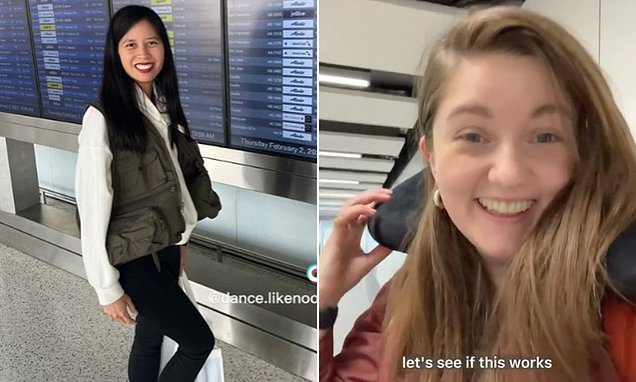
Budget travelers are finding creative ways to avoid airline luggage fees, including wearing fishing vests and stuffing travel pillows with clothes. One traveler packed a week's worth of clothes in a fishing vest, while another removed the foam from a neck pillow and filled it with clothing items. These hacks allow travelers to avoid paying extra fees for hold luggage and have cheaper vacations.
Hilton is set to launch a new extended-stay brand that will be officially announced within the next two months. The new brand will be at the "very low end of the midscale" and will likely start opening hotels in 2024 or 2025. Hilton CEO Christopher Nassetta said the new brand is not a response to economic uncertainty, but rather because "customers want it" and "owners want to build it." This comes after the company debuted Spark, an economy brand targeting the premium end of budget travel.
Despite having comparatively low income, more than half of American Gen Z adults are frequent travelers, having taken three or more leisure trips in the past year. Gen Zs are finding ways to fit travel into their budgets now and are willing to cut other spending to pay for it. They are motivated to travel for adventure, mental health, and cultural experiences more than older generations. Gen Zs increasingly want their travel experiences to be meaningful and socially responsible. They turn to technology for travel inspiration and booking discounts and are even influencing family vacation planning.