Tag

Transit Method

All articles tagged with #transit method

astronomy2 years ago

Citizen Scientists Uncover Kepler Space Telescope's Final Planets in Archive Data

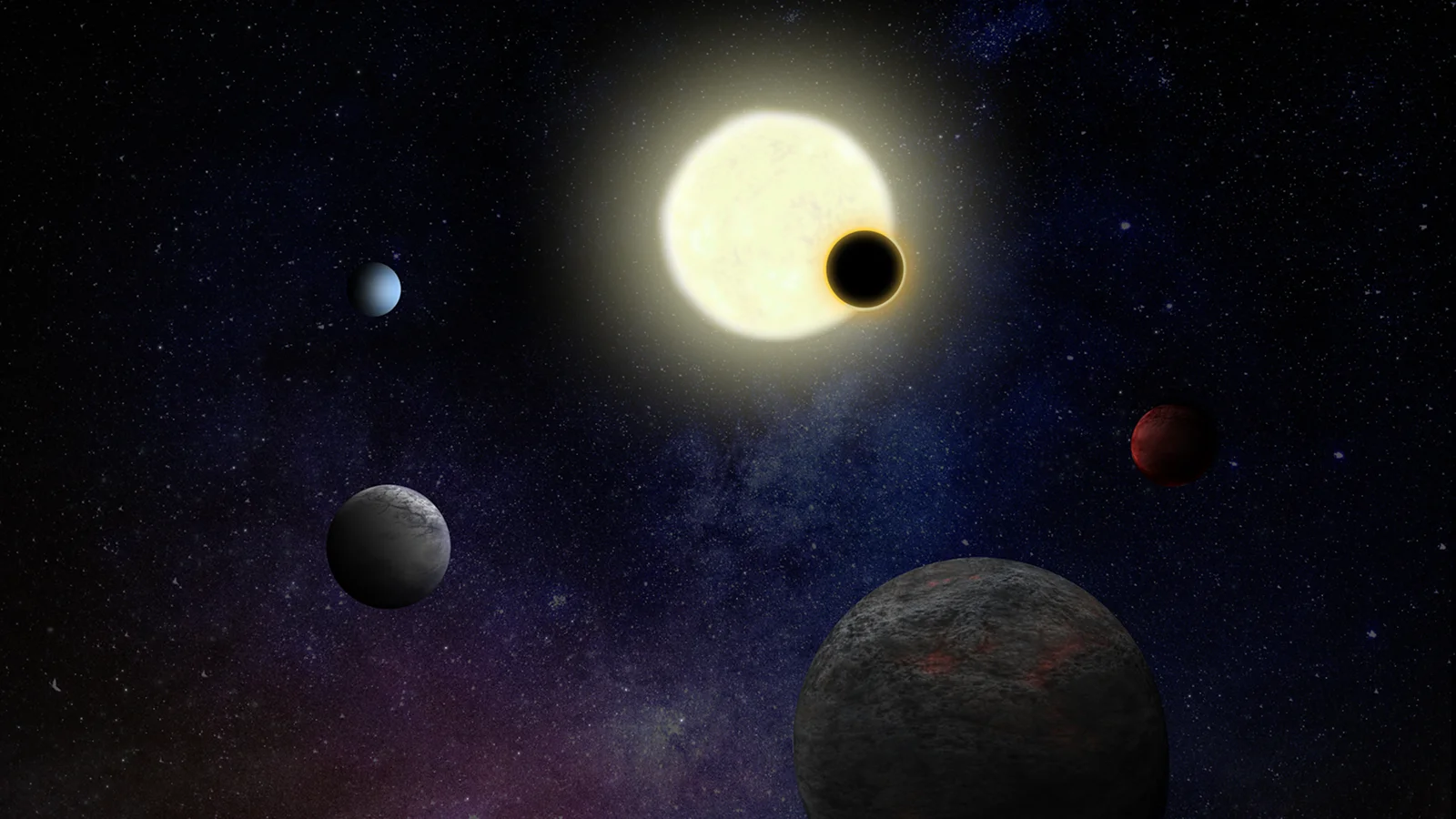
Citizen scientists sifting through archive data from NASA's Kepler Space Telescope have identified the last three exoplanets discovered by the telescope. The Kepler Space Telescope, which launched in 2009, spent four years monitoring stars for the dip in brightness caused by a planet passing in front. After a reaction wheel failure in 2013, the telescope conducted the K2 observing campaign until it ran out of fuel in 2018. Despite the lack of fuel, the telescope's last observation run provided enough data for citizen scientists to identify three potential planets, confirming two of them. The discovery highlights the historical importance of these planets, given the circumstances of their identification.

astronomy2 years ago

The Uniqueness of Our Solar System: A Space Anomaly?

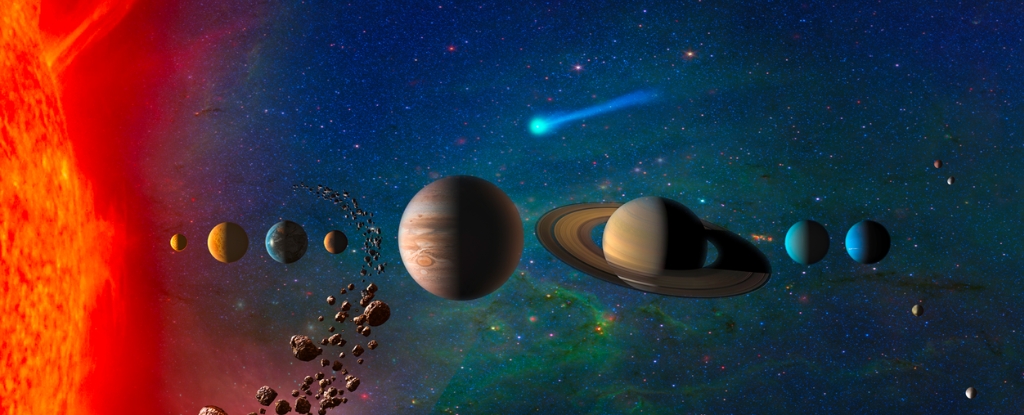
Our Solar System is unique compared to the thousands of exoplanets discovered so far, leading some to believe that it could be an outlier in the galaxy. Most exoplanets discovered are not conducive to life due to their size and proximity to their stars. Exoplanet science is limited by our technology and our imagination, and there could be many more types of planets out there that we cannot currently detect. As technology advances, we may discover thousands of worlds hidden from our current view, and our understanding of exoplanets may change drastically.

astronomy2 years ago

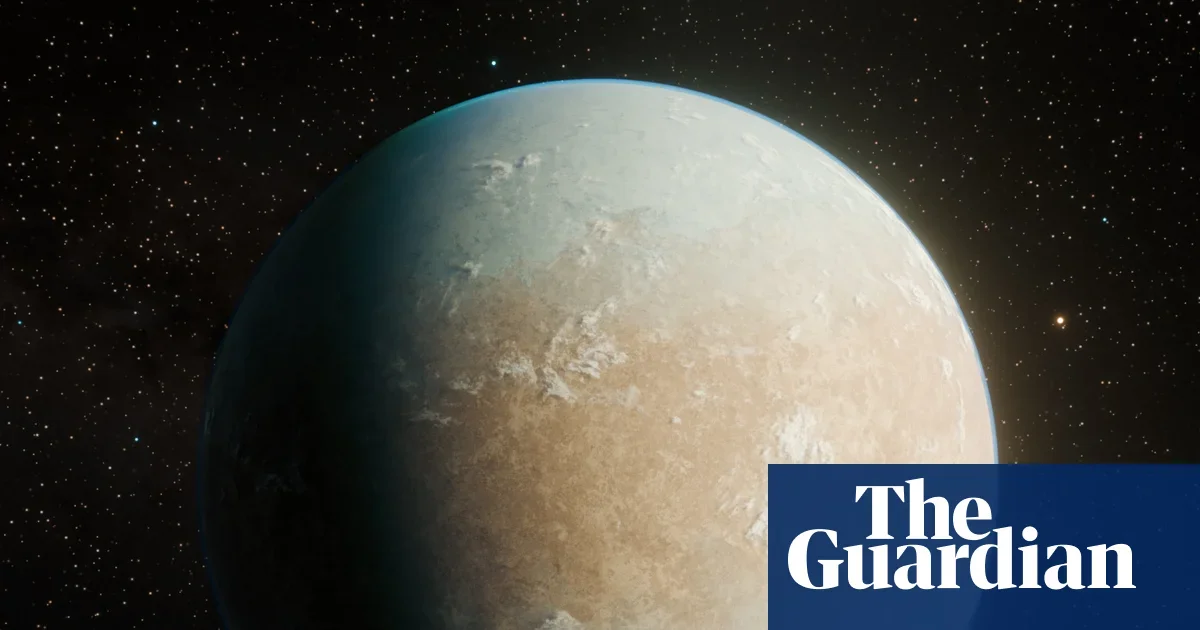
Discovery of Two Habitable 'Super Earths' Near Proxima Centauri.

Two new planets, designated TOI-2095 b and TOI-2095 c, have been discovered orbiting a red dwarf star 137 light-years away using NASA's Transiting Exoplanets Survey Satellite (TESS). Both planets are in the habitable zone and have estimated masses of 4.1 and 7.5 Earths, respectively. Future observations with other instruments could help determine the composition of the planets and confirm whether they are rocky worlds or something else.

astronomy2 years ago

Eternal Planetary Systems: Building for Perpetuity.

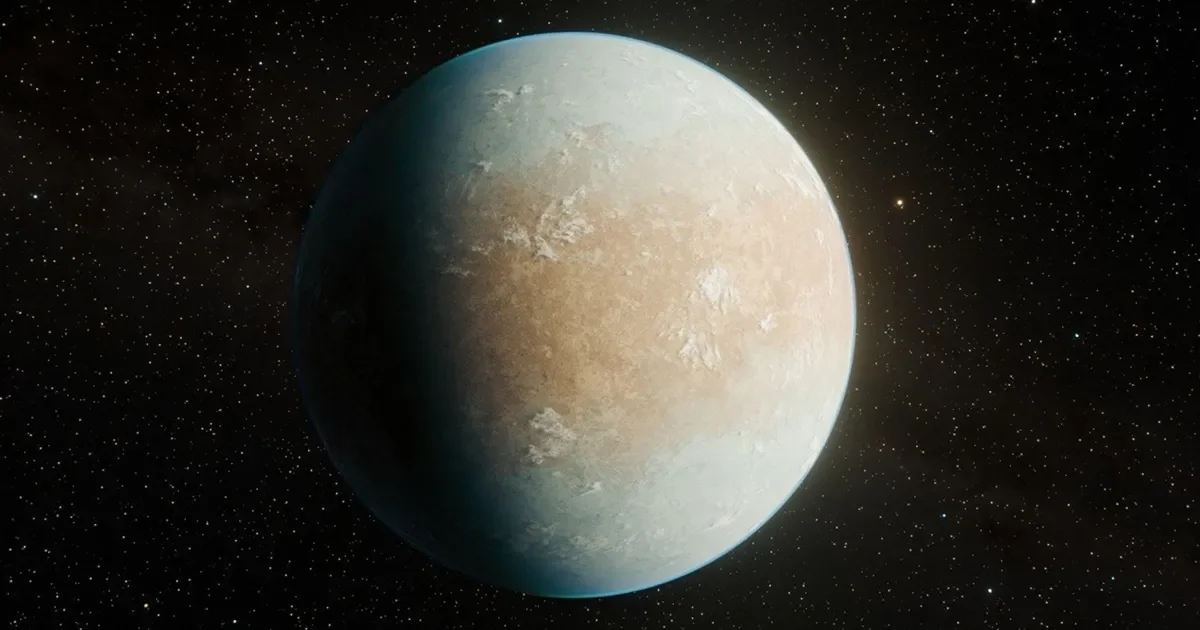
A study published in MNRAS explores how a super-advanced civilization might pack a bunch of planets into the habitable zone of a single star. The team found that as many as 24 Earth-like worlds could be packed into stable horseshoe resonances, sharing a common habitable zone. Such a system could prove the existence of an advanced civilization if the orbits were aligned to pass in front of their star from our vantage point, and we could detect them as exoplanets using the transit method.