
Pandora: NASA’s new star watcher to sharpen exoplanet hunt with Webb
TL;DR Summary
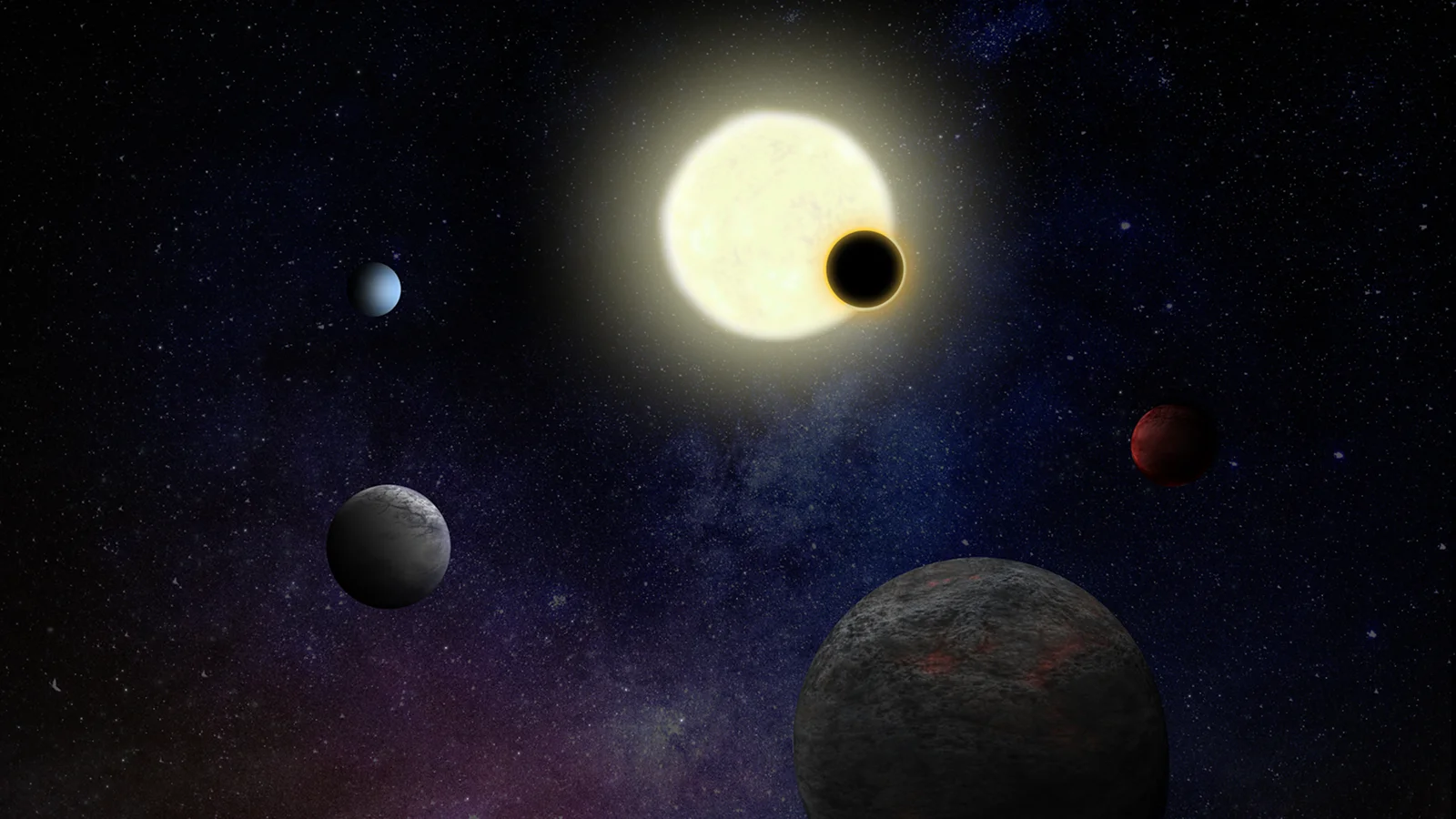
NASA’s Pandora exoplanet telescope, launched Jan 11, 2026, will monitor target stars for long periods to map stellar activity and starspots that can distort exoplanet transits, enabling a joint Webb–Pandora approach to study exoplanet atmospheres. Smaller than JWST but designed for repeated observations (about 200 hours per target across ten revisits over a year), Pandora will help separate stellar noise from planetary signals and will operate in low Earth orbit with eventual control shifting to the University of Arizona, accelerating the quest to identify potentially habitable worlds.
- NASA launches Pandora telescope, taking JWST's search for habitable worlds to a new level Live Science
- NASA’s Pandora Satellite, CubeSats to Explore Exoplanets, Beyond NASA Science (.gov)
- SpaceX launches NASA's Pandora exoplanet mission, 3 dozen other satellites (video) Space
- NASA Deploys Orbital Telescope Designed to Do Something Incredible Futurism
- U of A is mission control for new space probe launched to study distant stars, planets Arizona Daily Star
Reading Insights
Total Reads
0
Unique Readers
25
Time Saved
55 min
vs 56 min read
Condensed
99%
11,120 → 87 words
Want the full story? Read the original article
Read on Live Science