During Christmas storms, Los Angeles responded to over 350 traffic accidents and 600 tree emergencies, with thousands of power outages and ongoing flood risks, prompting emergency measures including shelters and free supplies for residents.
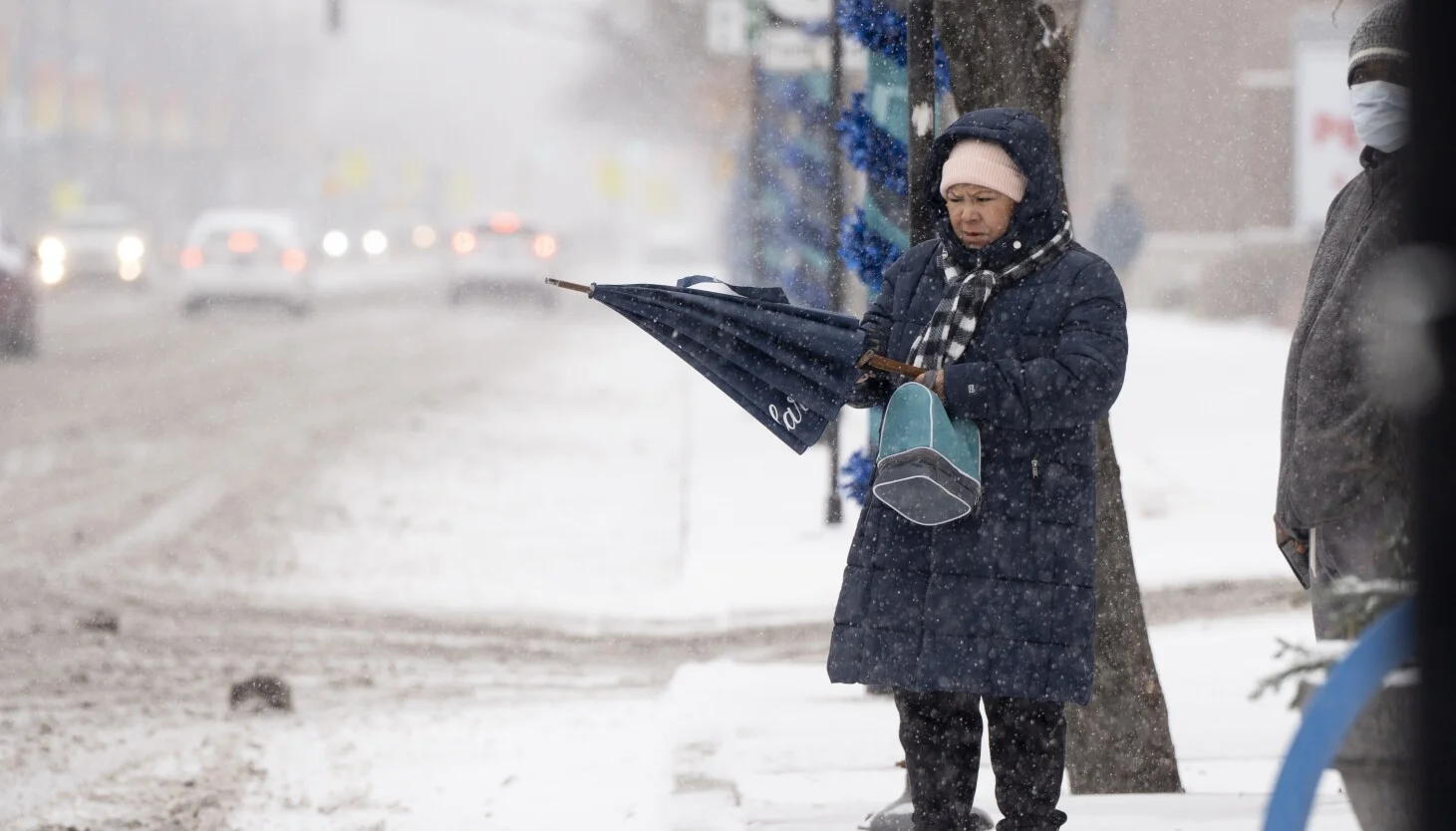
Saturday marked the snowiest November day in Chicago's history with nearly 9 inches of snow, causing widespread travel disruptions, including numerous flight cancellations and traffic accidents, and leading to hazardous road conditions that are expected to persist with additional snow and freezing temperatures.
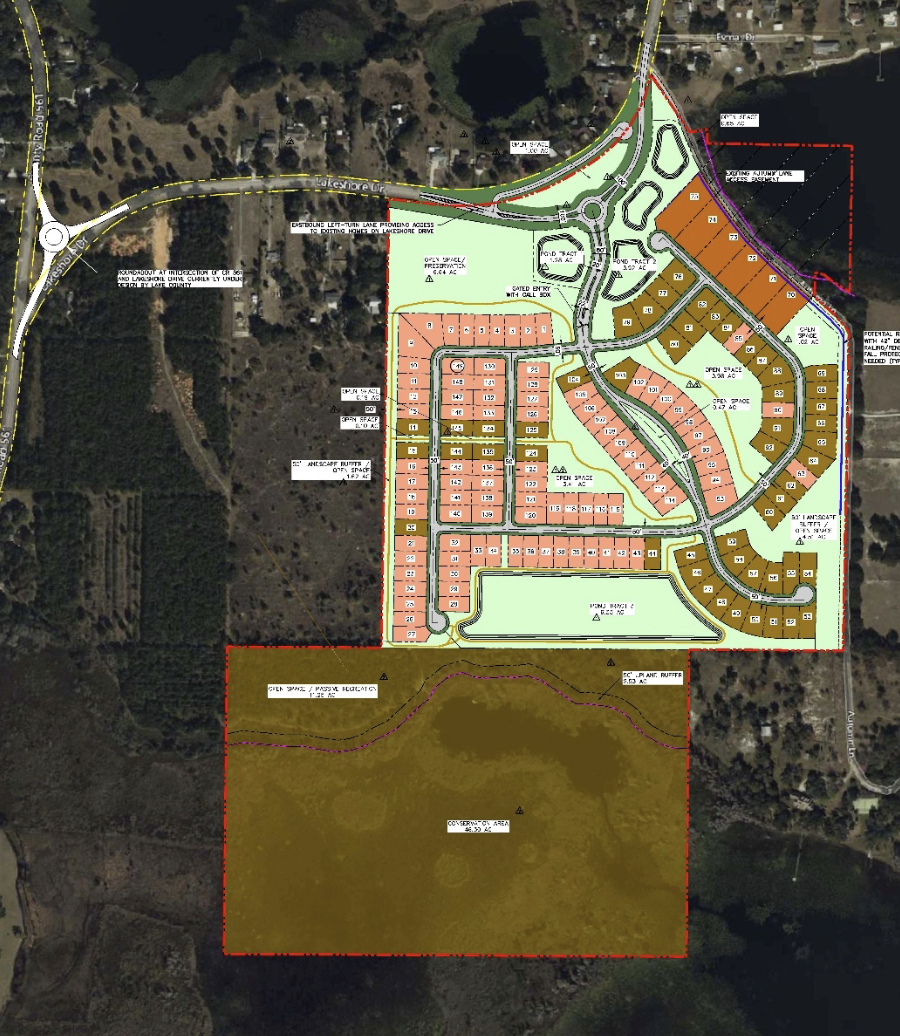
The Lake County Board approved a 149-home subdivision called Lakeshore Preserve in Clermont, which includes safety enhancements like roundabouts to address high crash rates and fatalities on Lakeshore Drive, aiming to improve traffic safety and preserve open space, with construction contingent on completing the new roundabouts.
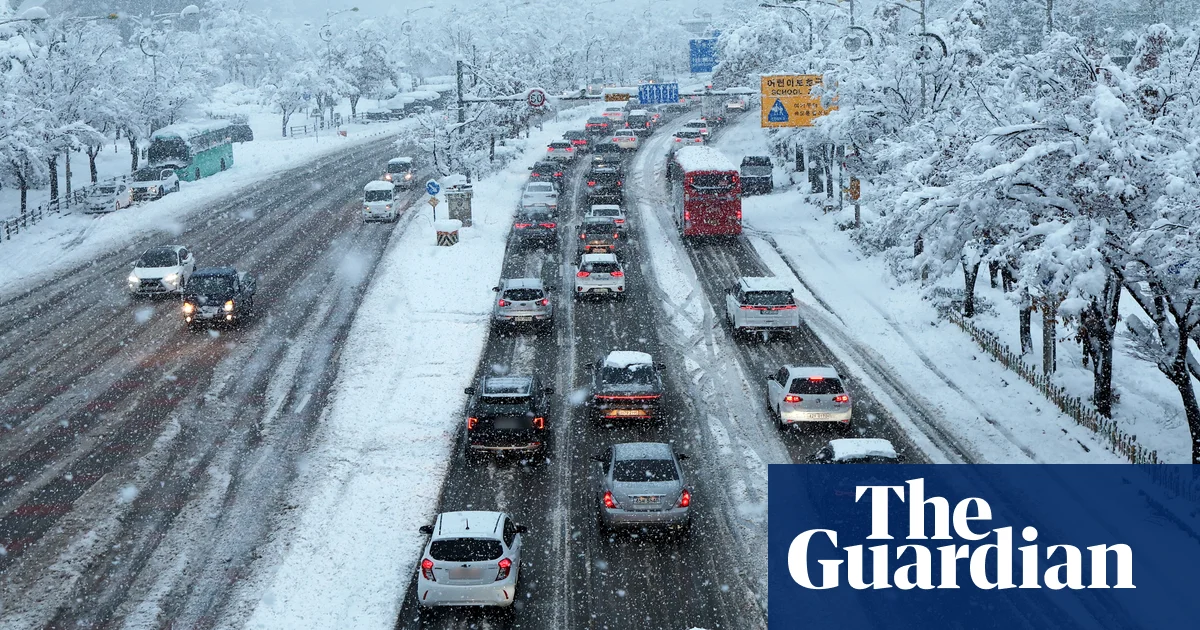
Heavy snowfall in Seoul, the third-heaviest since 1907, has led to the cancellation of over 140 flights and suspension of ferry operations, with at least four fatalities reported. The snow accumulation reached over 40cm, causing significant disruptions, including a 53-vehicle pile-up in Wonju. The unusually heavy snow is attributed to warmer seawater temperatures meeting cold air currents. Authorities have lifted heavy snow warnings, but delays and cancellations continue to affect transportation.
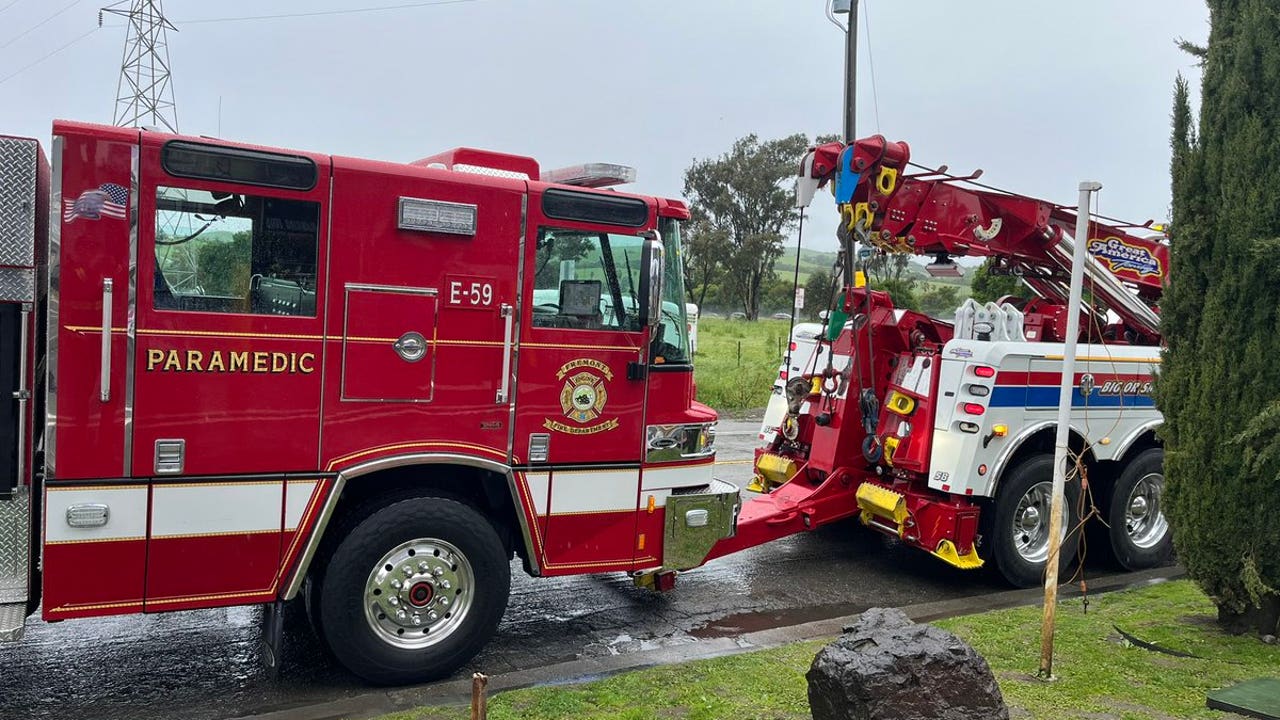
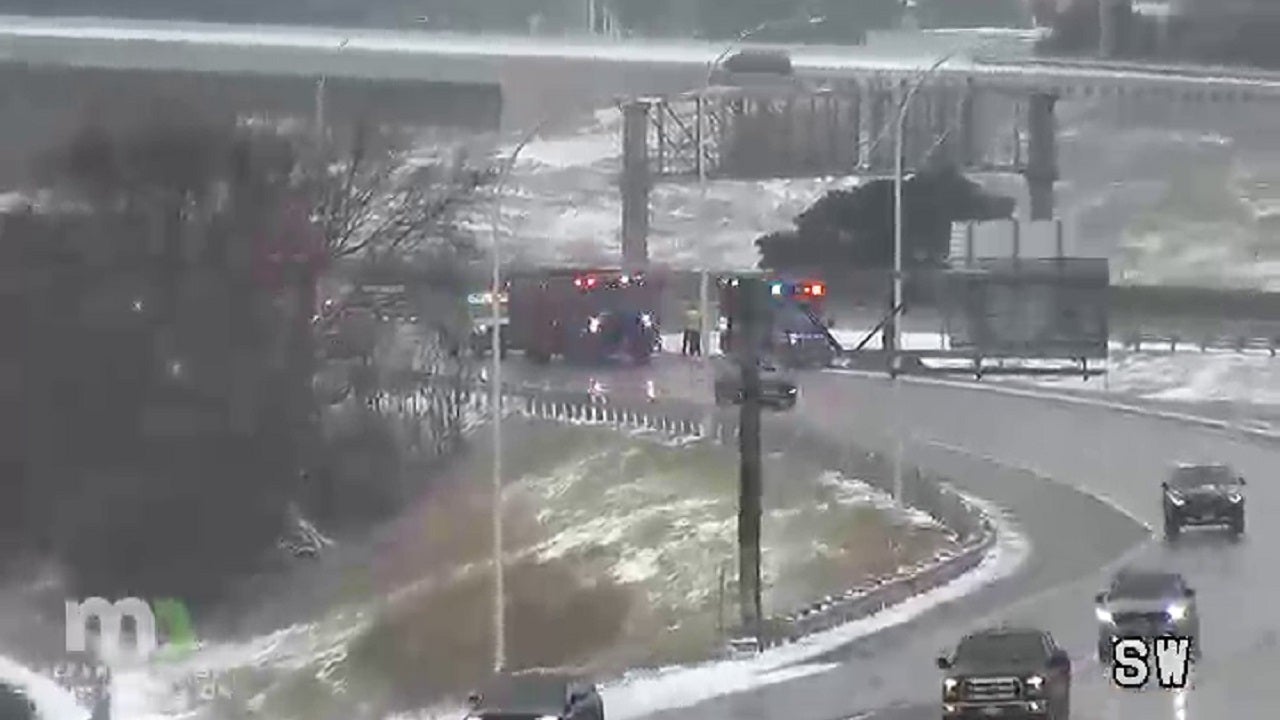
A Fremont fire engine was struck twice and damaged while parked on the freeway near the site of another collision, with the driver of one of the cars suffering minor injuries and being hospitalized. The fire engine had been sent to the site of a freeway collision to treat a patient, and no firefighters were hurt in the crashes. The cause of the collisions will be investigated by the California Highway Patrol.
Americans experienced "eclipse sickness" with symptoms like headaches, fatigue, and changes in menstrual cycles during Monday's solar eclipse, although NASA denies any physical link between the eclipse and human health. Pets also exhibited unusual behaviors, possibly due to disruptions in their circadian rhythm caused by the eclipse. Additionally, a study found a significant increase in road deaths around the 2017 eclipse, comparable to major holidays, due to increased traffic as people traveled to view the event.
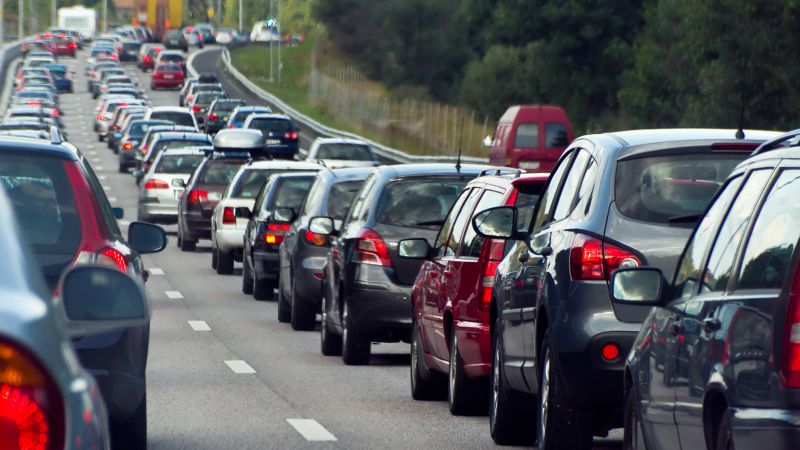
A new study published in JAMA Internal Medicine suggests that the upcoming April 8 total solar eclipse could lead to a 31% increase in fatal traffic accidents, based on data from the 2017 eclipse. The rise in accidents was attributed to the influx of crowds traveling to the path of totality rather than driving during the eclipse itself. Travel warnings have been issued, and the Federal Aviation Administration advises caution due to expected delays and massive crowds. The study's authors recommend common-sense safety measures for drivers during the eclipse, including obeying speed limits, minimizing distractions, wearing seatbelts, and not driving while impaired.
Research suggests that the upcoming total solar eclipse in the US on April 8 could lead to a spike in fatal road traffic accidents, similar to the increase observed during the 2017 eclipse. The study found that there was a 31 percent increase in traffic risks around the time of the eclipse, resulting in an estimated 46 extra deaths linked to the event. The researchers attribute this to increased traffic, travel on unfamiliar routes, speeding, driver distraction, and impairment from related celebrations. They advise drivers to take precautions such as respecting speed limits, minimizing distractions, allowing greater headway, wearing seatbelts, and avoiding driving while impaired to help prevent another surge in traffic fatalities during the upcoming eclipse.
Researchers found that traffic accidents increased during the 2017 solar eclipse, prompting questions about the role of darkness in these incidents. As another eclipse approaches, people are wondering if they should expect a similar spike in traffic incidents.
Scientists have issued a warning ahead of the upcoming solar eclipse in April, expressing concerns about a potential spike in fatal car crashes as millions of people are expected to travel to witness the event. Research from the University of Toronto shows that the 2017 eclipse led to a 31% increase in fatal car crashes, with over 1,000 extra road deaths across the US three days before and after the eclipse. The surge in driving activity around the event is attributed to people traveling to prime viewing locations, raising concerns about road safety. NASA has created an immersive map to track the eclipse's journey from Mexico across the US and Canada.
An analysis published in JAMA Internal Medicine revealed a 31% increase in fatal car crashes in the US around the 2017 total solar eclipse, with heightened traffic risks attributed to increased travel, distractions, unfamiliar roads, and potential intoxication. The hours before and after the eclipse were found to be particularly dangerous, with clear weather accentuating the risk. Researchers warned of a similar pattern for the upcoming April 8 eclipse and emphasized the need for safer driving practices to prevent an increase in traffic fatalities. US Federal Highway Administration chief Shailen Bhatt advised planning ahead, avoiding distractions, and not watching the eclipse while driving.
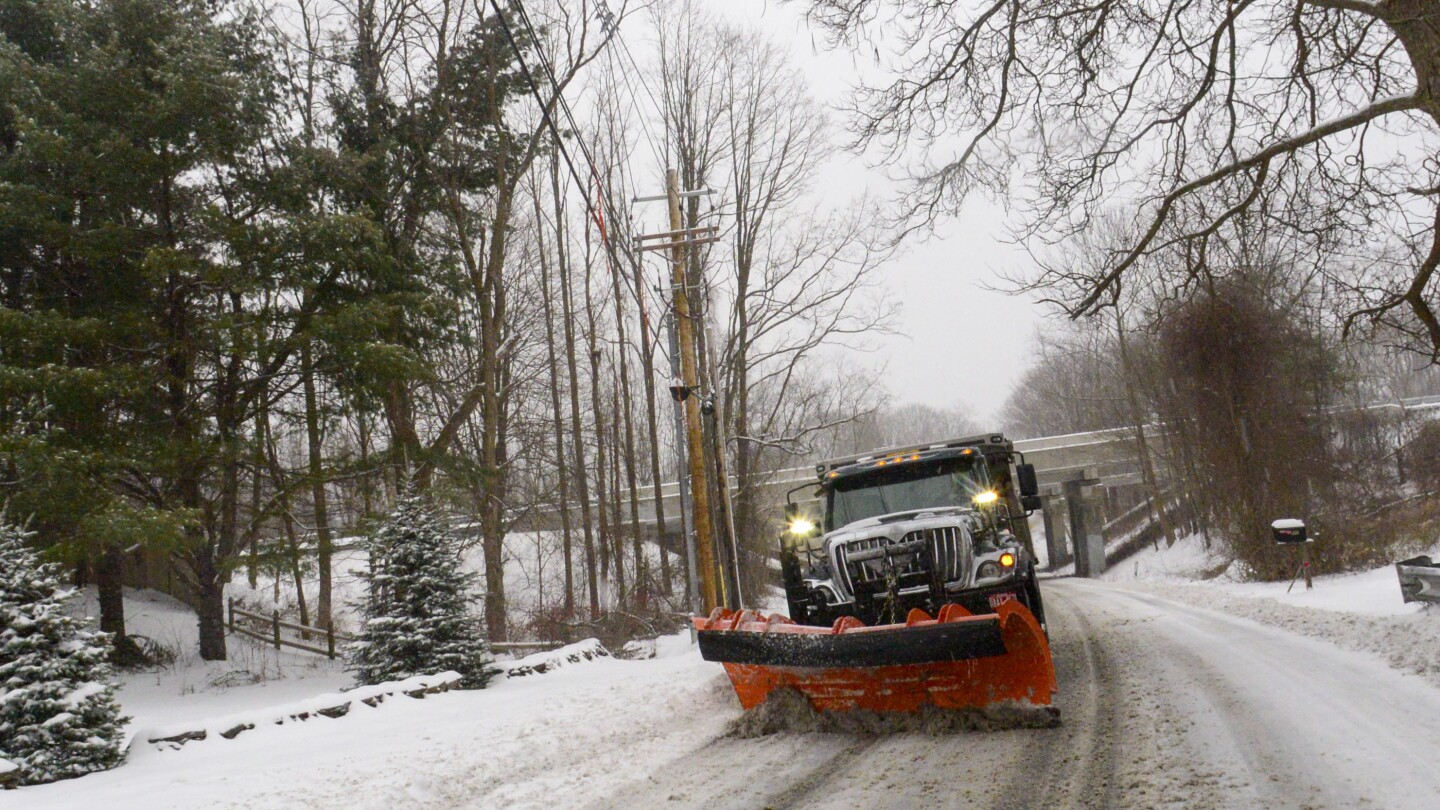
Storms swept across the US from coast to coast, bringing heavy rain, hail, and snow, causing frigid temperatures, power outages, and traffic accidents. The Northeast saw heavy snowfall, leading to road accidents, downed power lines, and hundreds of thousands without power in Vermont, New Hampshire, and Maine. The storm also caused flooding in New York City, trapping motorists and snarling subway service. Another significant winter storm is developing in the West and is expected to bring heavy snowfall across the Rockies, Plains, and upper Midwest.
A fatal crash occurred in Burnsville, Minnesota, as snowy conditions led to 328 reported crashes, 220 spinouts, and 10 jackknifed semis across the Twin Cities metro area. The crash resulted in the death of a 51-year-old woman after her SUV went off the road and hit a tree near the I-35 split. While the incident report noted slippery roads, the definitive cause of the crash is still under investigation. Snow is expected to continue falling overnight before transitioning to rain on Monday.
The site of a fatal school bus crash in Texas had nearly 130 crashes since the start of 2022, with ongoing concerns about speed and reckless driving in the area. Data from the Texas Department of Transportation revealed at least 128 crashes on a 7.5 mile stretch of State Highway 21, with four accidents resulting in fatalities and five involving buses. Viewers and officials have expressed safety concerns, and a TxDOT document predicts a 40 percent increase in traffic on Highway 21 over the next two decades.
A car struck a bus shelter near the West Portal Muni station in San Francisco, resulting in the deaths of three individuals and leaving an infant in critical condition. The incident has prompted calls for pedestrian safety improvements in the area, with pedestrian advocates expressing concern over the rising number of pedestrian fatalities in the city. The San Francisco police are currently investigating the crash, and a vigil is planned for the victims at the crash site.