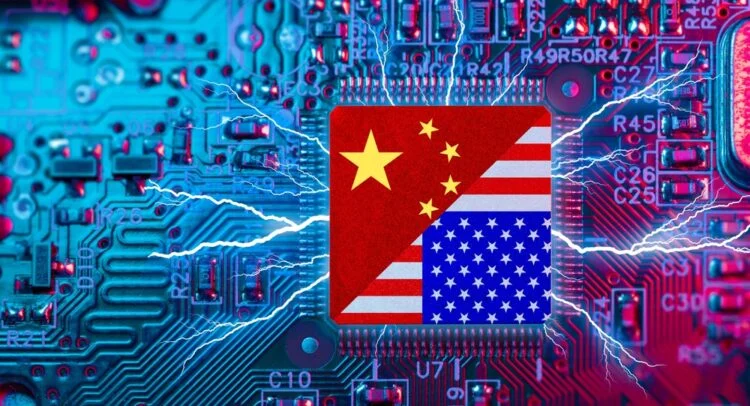
Trump Blocks Chinese Chip Deal Over Security Concerns
Even a $3 million semiconductor deal can prompt the US to scrutinize national security concerns, highlighting the sensitive nature of technology transactions in today's geopolitical climate.

All articles tagged with #trade restrictions
Even a $3 million semiconductor deal can prompt the US to scrutinize national security concerns, highlighting the sensitive nature of technology transactions in today's geopolitical climate.

China will impose quotas and tariffs on beef imports starting January 1, 2026, aiming to protect domestic farmers, which will likely reduce beef imports from major exporters like Brazil and Australia, potentially benefiting global consumers with lower prices but impacting international producers.
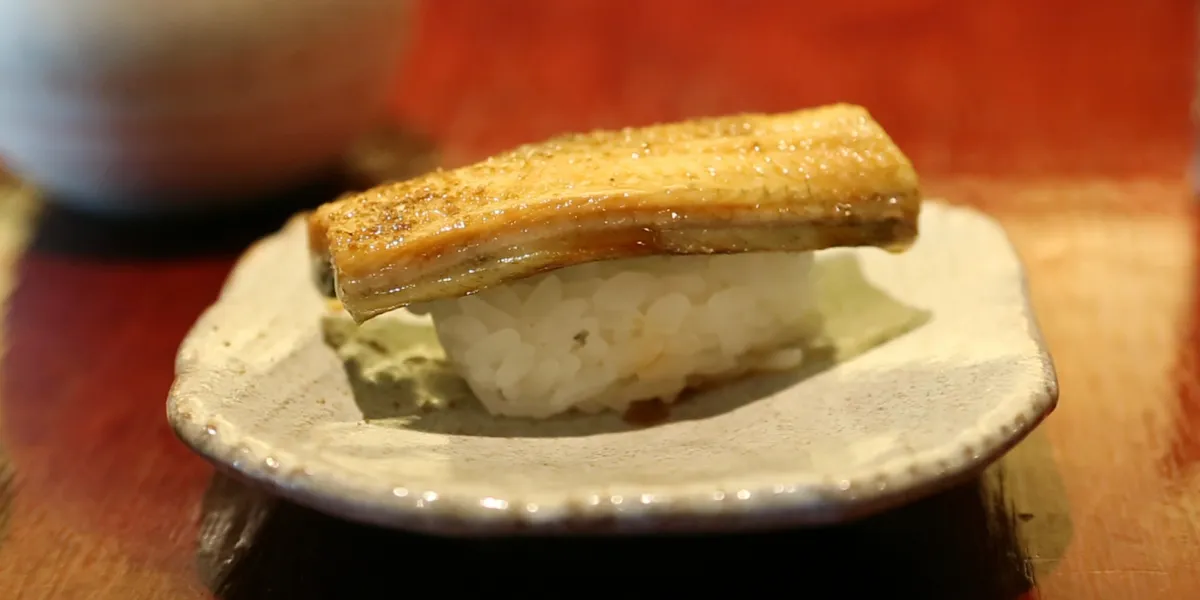
Eel populations worldwide have declined over 90% since the 1980s due to habitat loss, pollution, and illegal trade, prompting calls for international trade restrictions through CITES. However, Japan, China, and the US oppose new protections, citing sufficient national regulations and lack of evidence linking trade to declines. Conservationists argue that stricter international controls are vital for the species' survival and ecosystem health.

China will remain closed to Nvidia amid concerns raised by Trump officials about chip sales, reflecting ongoing US-China tensions over technology and trade restrictions.
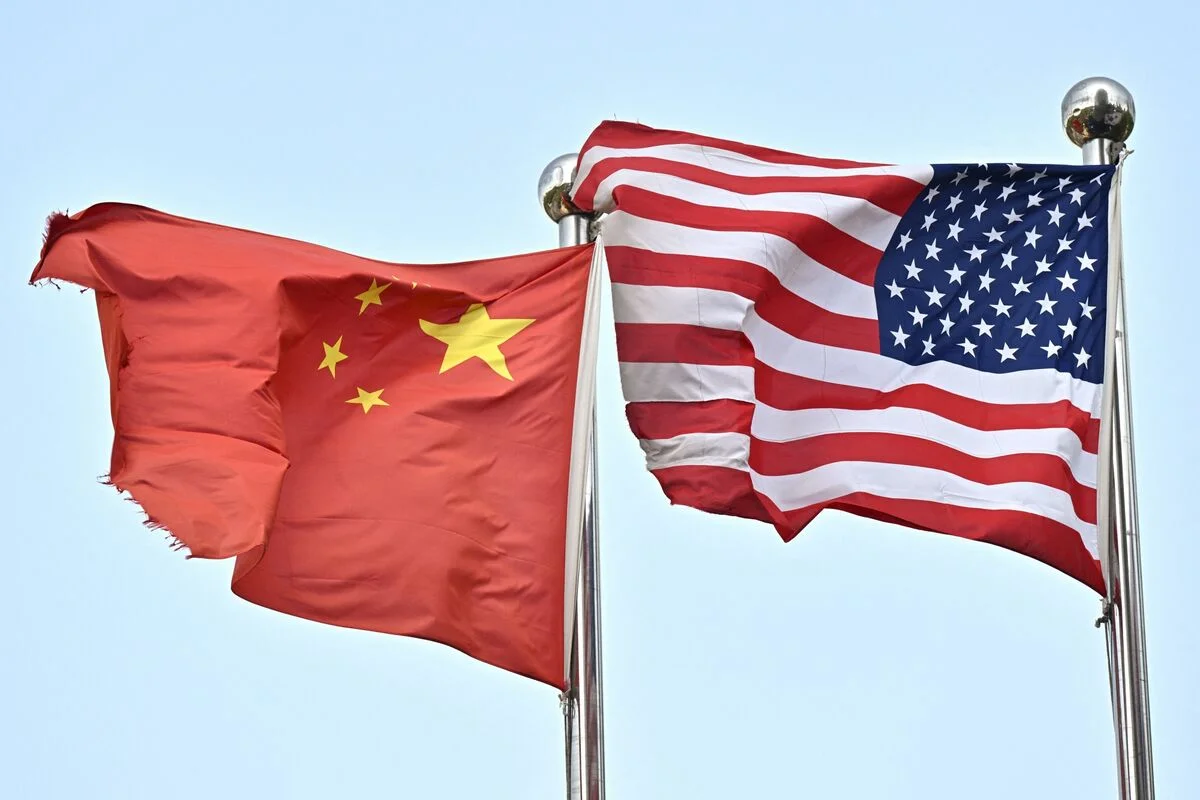
The US and China have agreed to a one-year delay on expanding trade sanctions and export controls, including halving fentanyl tariffs and resuming soybean imports, as part of a broader détente to ease tensions and work towards future agreements, including TikTok operations.
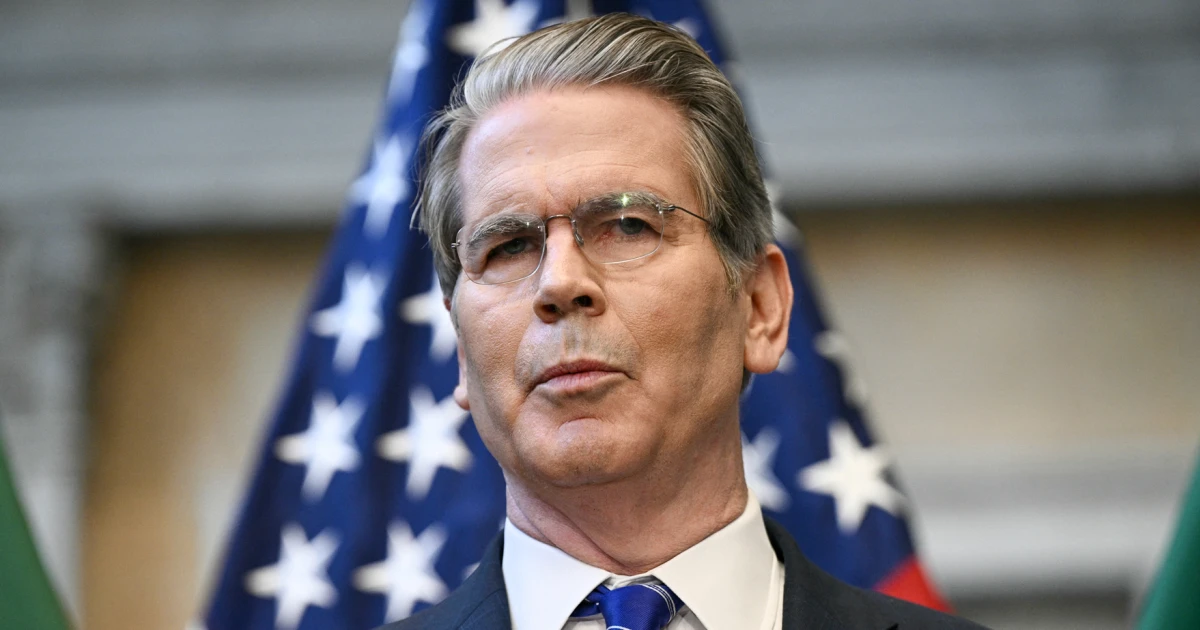
The US and China are in a deepening trade standoff, with China imposing restrictions on rare-earth mineral exports, which the US views as a power move. US officials, including Bessent and Greer, warn China that the US and its allies will not be controlled and are considering a unified response. The situation remains tense, with potential for renewed tariffs and ongoing negotiations.
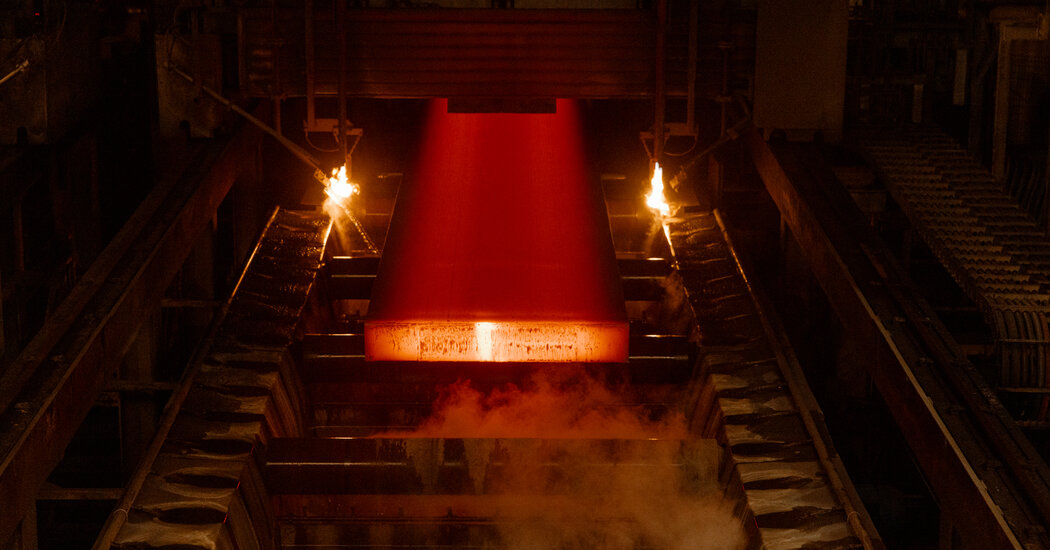
The US-China trade war, marked by tariffs and restrictions, is causing widespread economic ripple effects globally, affecting industries and nations as both powers escalate their trade tensions amid uncertain economic outlooks.
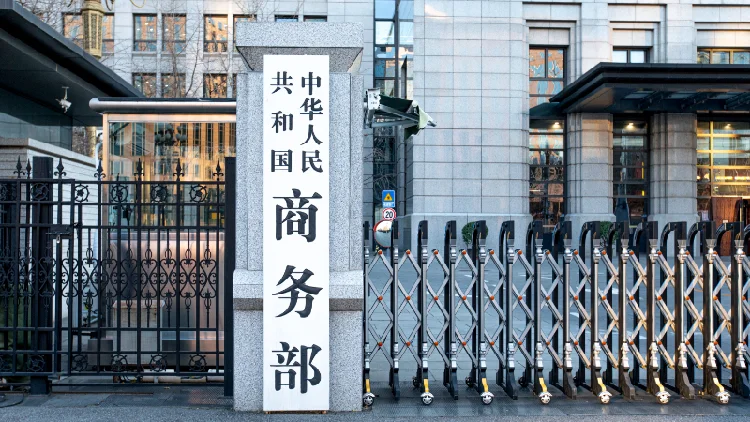
China has imposed immediate countermeasures against five U.S.-linked firms, banning transactions and cooperation in response to U.S. sanctions related to China's maritime and logistics sectors following a Section 301 investigation.
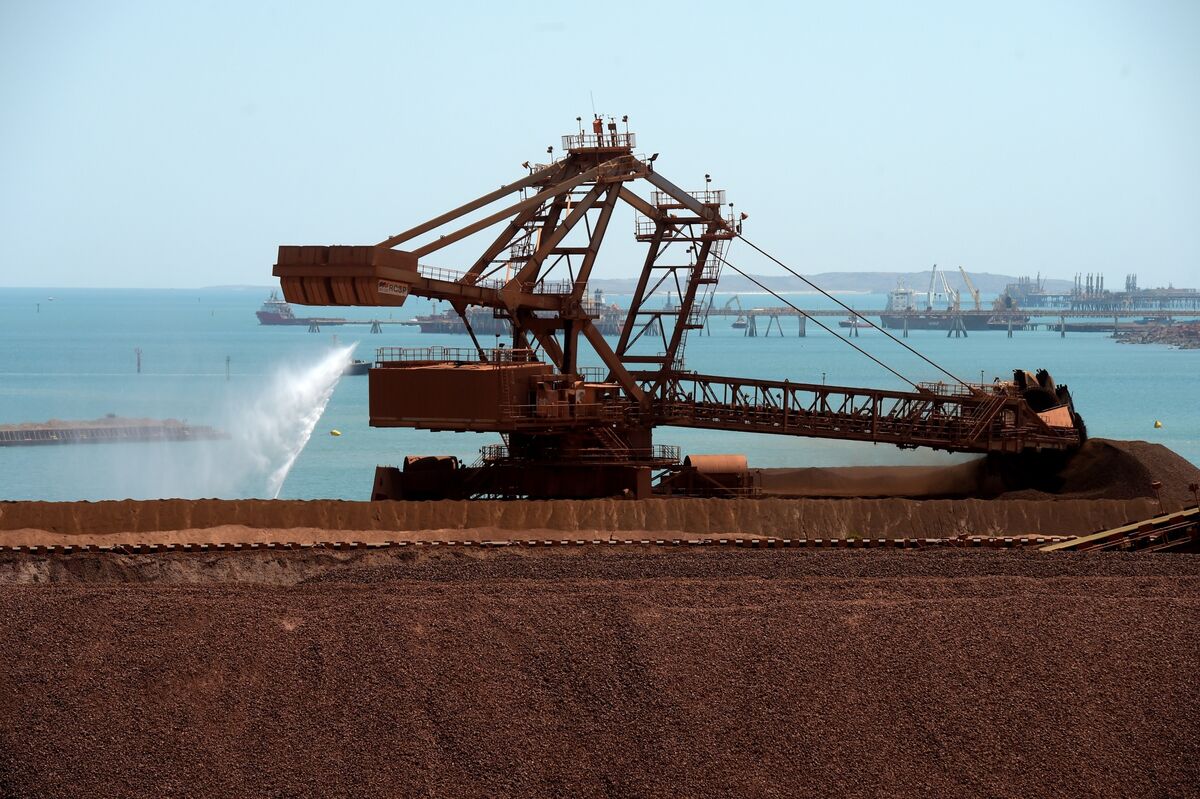
China has ordered its state-run iron ore buyer to halt new purchases of BHP cargoes, escalating a pricing dispute and signaling China's increased influence over global iron ore markets amid moderating steel demand and new supply sources.

Nvidia's latest AI chips are banned from sale and testing in China by the Cyberspace Administration, affecting Chinese tech giants like Alibaba and ByteDance, amid ongoing US-China trade tensions and China's efforts to develop its own chip manufacturing capabilities.

The European Commission proposed measures to restrict trade and impose sanctions on Israel over the Gaza war, including suspending trade agreements and targeting extremist figures, but these are unlikely to pass due to opposition from key member states and Israel's rejection. The economic impact would be limited, and some support programs would remain unaffected.
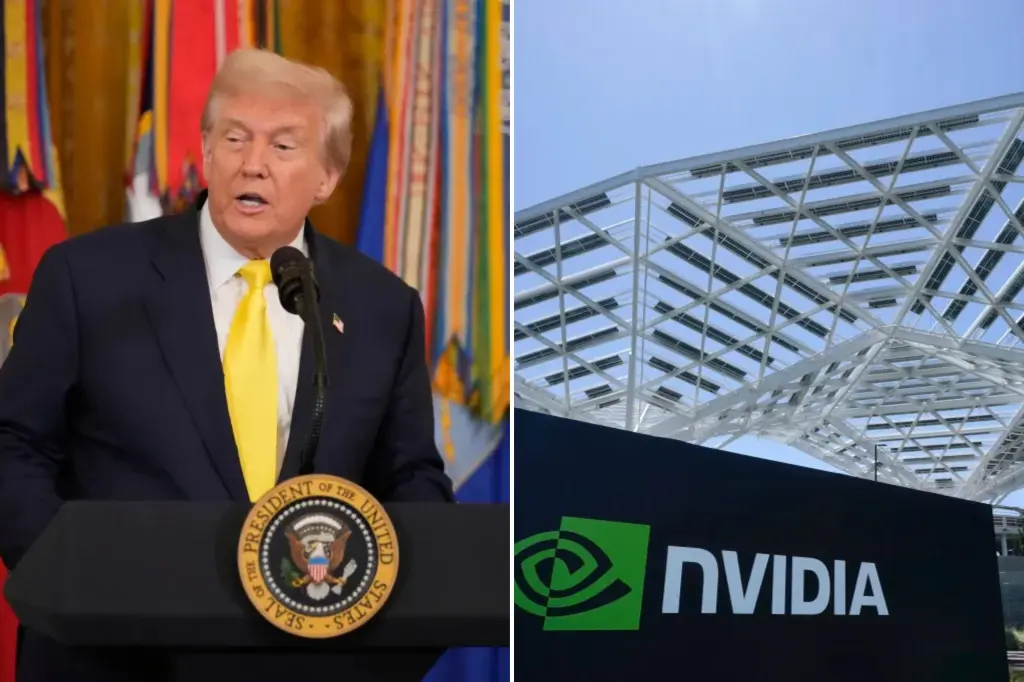
Chinese state media has raised security concerns over Nvidia's H20 chips, citing potential backdoor access and environmental issues, amid ongoing trade tensions and regulatory scrutiny, despite Nvidia's denials of security risks. The chips, developed for the Chinese market after U.S. export restrictions, are part of broader geopolitical and technological disputes.

Despite US President Trump's claims of selling 'so much' beef to Australia, analysts and traders believe high prices and limited supplies in the US make significant exports unlikely, especially as Australia relaxes biosecurity rules for US beef, which is unlikely to impact trade substantially due to Australia's own large beef industry and different beef tastes.

An estimated $1 billion worth of Nvidia's high-end AI processors have reportedly been smuggled into China, bypassing US export restrictions, highlighting challenges in controlling the global flow of advanced semiconductor technology. The chips, including the B200 series, are sold through China's black market and used by major US cloud providers, despite official bans. Nvidia has not confirmed the sales but denies involvement in illicit activities. The situation underscores ongoing tensions in US-China tech relations and the complexities of global semiconductor supply chains.
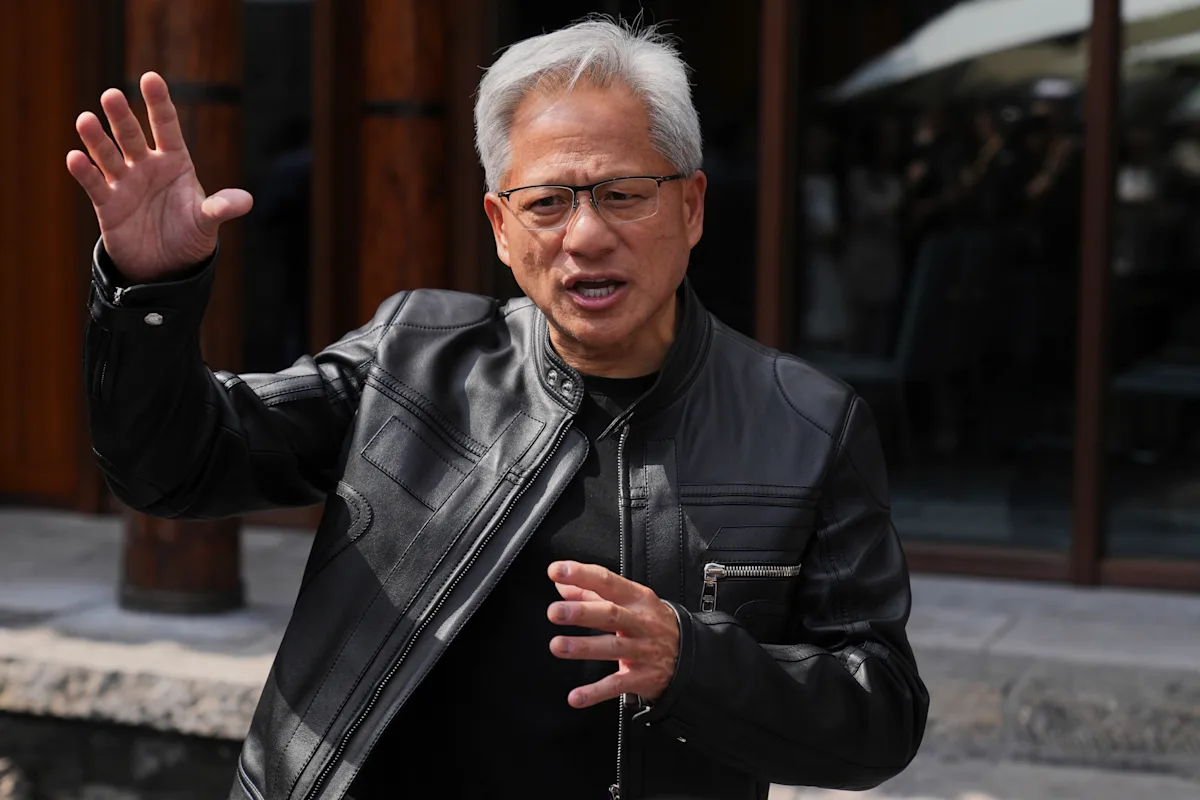
Nvidia CEO Jensen Huang downplayed his influence on the US lifting the chip sales ban to China, emphasizing that the decision was made by governments and that the company is preparing to meet demand for its H20 AI chip, which is well-suited for Chinese AI development. He also highlighted new products like the RTX Pro graphics chip for robotics and AI innovation. The ban's lifting could help Nvidia recover some of the $5.5 billion loss from sales restrictions, but the extent depends on order volume and production speed.