Nvidia's stock rose after reports of new AI chip sales to China, signaling strong business prospects and contributing to its year-long bull run, with investors optimistic about a year-end rally driven by AI market growth.
Qualcomm reported strong Q4 earnings with revenue and chip sales surpassing estimates, but its stock declined due to higher expenses, soft automotive chip outlook, and loss of Apple business, despite highlighting future AI chip revenue potential.
China will remain closed to Nvidia amid concerns raised by Trump officials about chip sales, reflecting ongoing US-China tensions over technology and trade restrictions.
Nvidia reported a record $46.7 billion in revenue for the quarter, driven by a 56% increase in AI-related data center sales, particularly its Blackwell chips, amid ongoing global AI infrastructure growth and geopolitical challenges in China. The company expects $54 billion in revenue next quarter, with a focus on AI platform development and market expansion.
Nvidia and AMD have agreed to pay 15% of their Chinese AI chip sales revenue to the US government to secure export licenses, a move that reflects ongoing US-China trade tensions and raises concerns about its impact on international relations and the global chip market.
Nvidia and AMD have agreed to pay the U.S. government 15% of revenues from certain chip sales in China in exchange for export licenses, marking an unprecedented arrangement amid ongoing trade tensions and tariffs, with Nvidia's CEO meeting President Trump last week.
Nvidia and AMD have agreed to pay the US government 15% of their Chinese chip sales revenues as part of a new, unprecedented arrangement to secure export licenses, amid ongoing US-China trade tensions and export control debates. The move follows a reversal in export restrictions on Nvidia's H20 chip, which has sparked controversy over its potential military and AI applications in China. This deal highlights the complex interplay between US trade policies, national security concerns, and the global semiconductor industry.
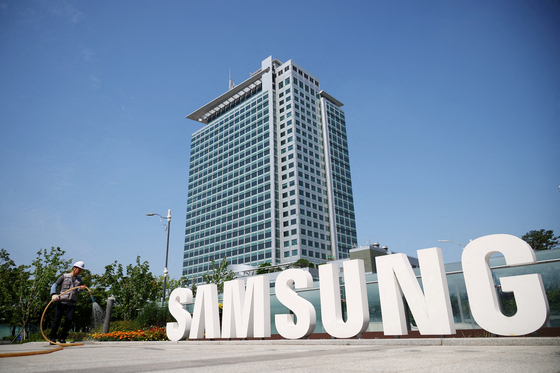
Samsung Electronics forecasts an 84.9% drop in operating profit for last year due to a downturn in the semiconductor industry, with an expected operating profit of 6.5 trillion won, the lowest since 2008. The company's annual sales figure is projected to be 258.2 trillion won, down 14.6% from the previous year. The memory chip business is estimated to have generated 15 trillion won of operating losses in 2023, but is expected to rebound in 2024. The final earnings report is expected to be announced by the end of the month.
Beijing antitrust regulators are reportedly considering delaying approval for U.S. chipmaker Broadcom's $69 billion deal to acquire cloud computing firm VMWare, in what may be seen as retaliation against the Biden administration's new rules on chip sales to China. Chinese regulators may use a strategy similar to a previous case involving Intel, dragging out the approval process indefinitely until both parties give up. This move comes after Washington updated its export controls to close a loophole used by Nvidia and Intel to continue selling AI chips to China.
Broadcom reported strong Q2 results and outlook, with revenue rising to $8.73 billion and chip sales up 9% to $6.81 billion. CEO Hock Tan expects generative AI models to account for more than a quarter of revenue in fiscal 2024, but analysts questioned whether this would cannibalize other segments. Tan estimated that half of the company's revenue growth will come from generative AI and the other half from traditional businesses. Broadcom shares fell in volatile after-hours trading, ending down 1.8%.
Micron Technology's stock fell after Chinese regulators announced a cybersecurity review of the chip maker's products sold in China, which could potentially harm a key market for the company.