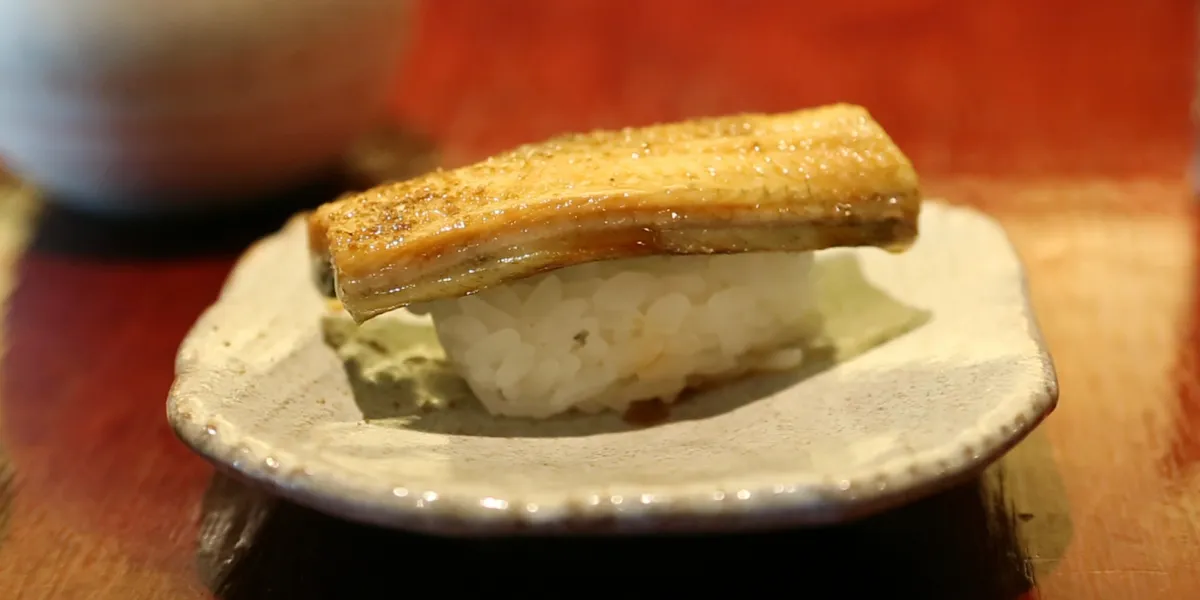
Eel populations worldwide have declined over 90% since the 1980s due to habitat loss, pollution, and illegal trade, prompting calls for international trade restrictions through CITES. However, Japan, China, and the US oppose new protections, citing sufficient national regulations and lack of evidence linking trade to declines. Conservationists argue that stricter international controls are vital for the species' survival and ecosystem health.
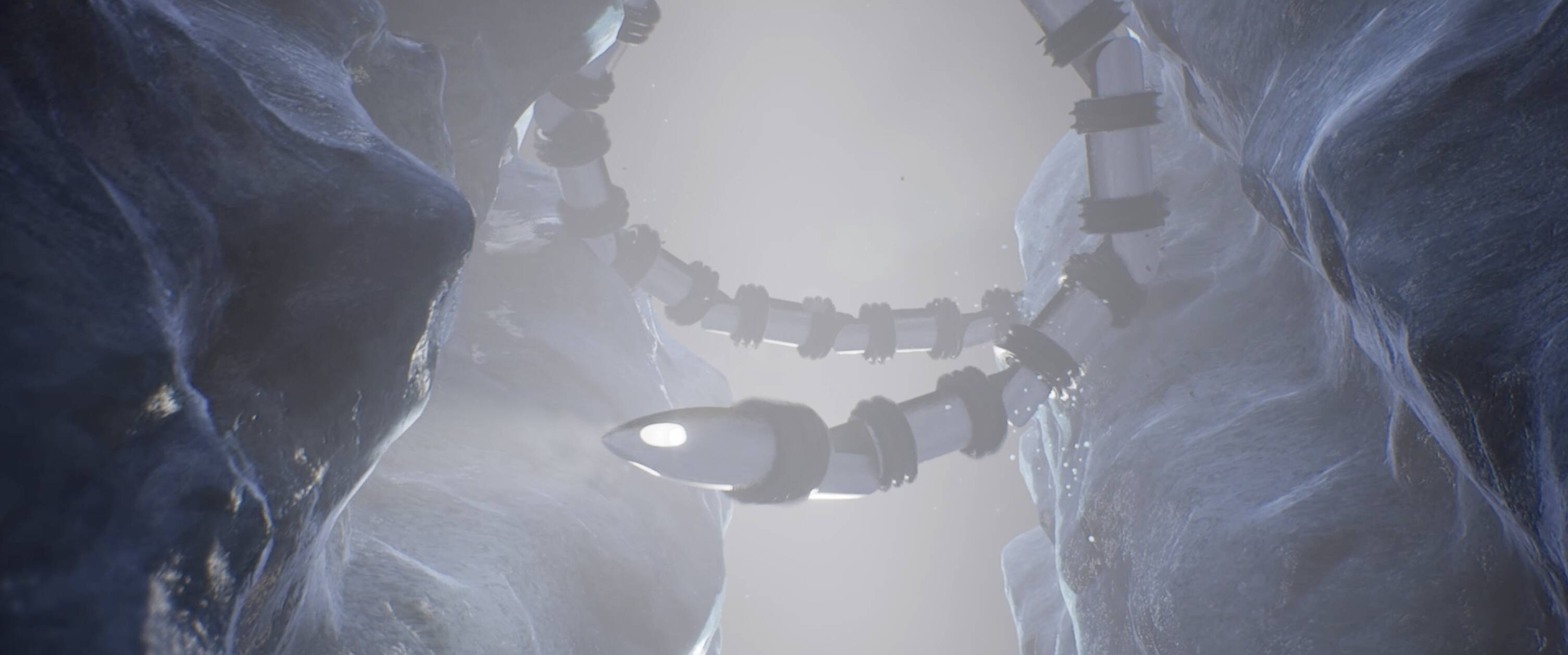
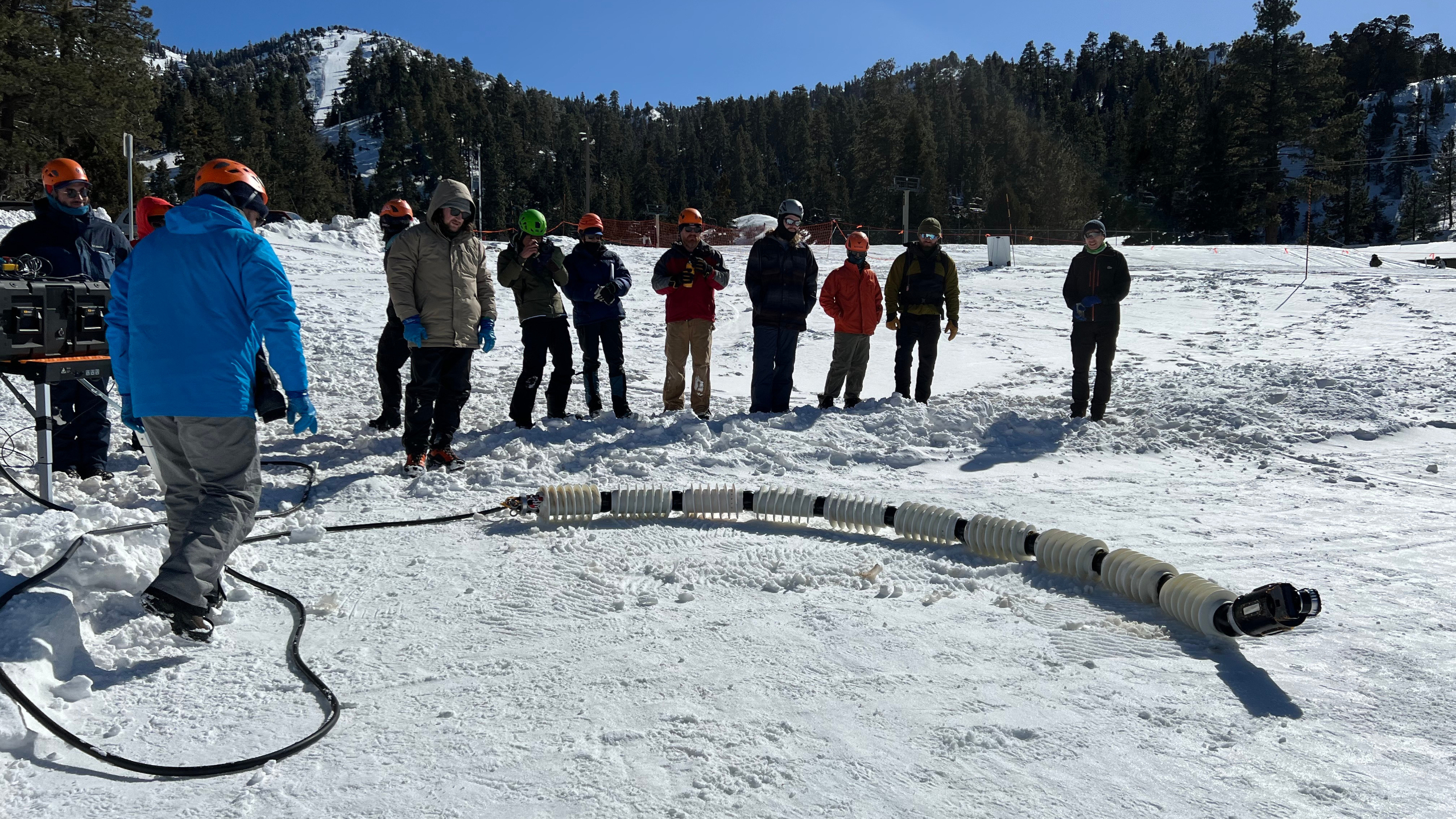
NASA is testing a snake-like robot called Exobiology Extant Life Surveyor (EELS) to search for signs of life in hard-to-reach places in the solar system. The robot is designed to move in ways that traditional explorer vehicles cannot and is being developed to operate on land, in water, and in harsh freezing conditions. EELS is built to explore on its own, without real-time human control, and is being tested in different environments. The robot will contain 48 actuators to give it the ability to change into different forms while operating complex machines and software systems.
NASA's Jet Propulsion Laboratory has developed an autonomous rover called Exobiology Extant Life Surveyor (EELS) that can "slither" across sand, snow, and ice using articulated segments outfitted with corkscrews. EELS can navigate different terrains and is equipped with 48 actuators to help it get into various configurations for navigation. It can map its environment in 3D using a pair of stereo cameras and lidar and choose the safest path forward. EELS has been tested underground and will visit the Athabasca Glacier in the Canadian Rockies for more subsurface mobility trials. It could be used to explore glaciers on Earth, lava tubes on the Moon, or even the oceans and icy surface of Saturn's moon, Enceladus.
NASA's Jet Propulsion Laboratory is developing a self-propelled, autonomous robot called EELS (Exobiology Extant Life Surveyor) that can traverse extreme terrain and make decisions on its own. The robot is highly adaptable and can navigate undulating sand and ice, cliff walls, craters, underground lava tubes, and labyrinthine spaces within glaciers. EELS creates a 3D map of its surroundings using cameras and lidar, and uses navigation algorithms to figure out the safest path forward. The robot is not currently part of any NASA mission.