Titanosaurs, a diverse and successful group of sauropod dinosaurs, thrived for millions of years by merging reptile and mammal traits, growing rapidly, and feeding on abundant plants, until their extinction caused by an asteroid impact 66 million years ago.
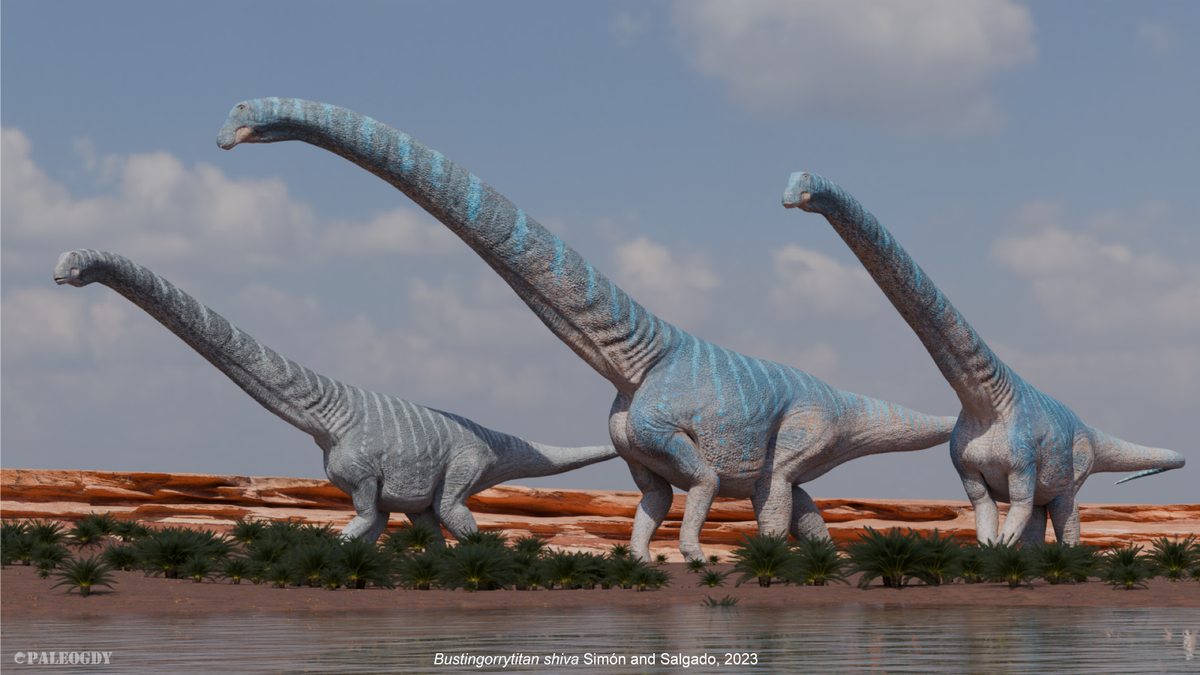
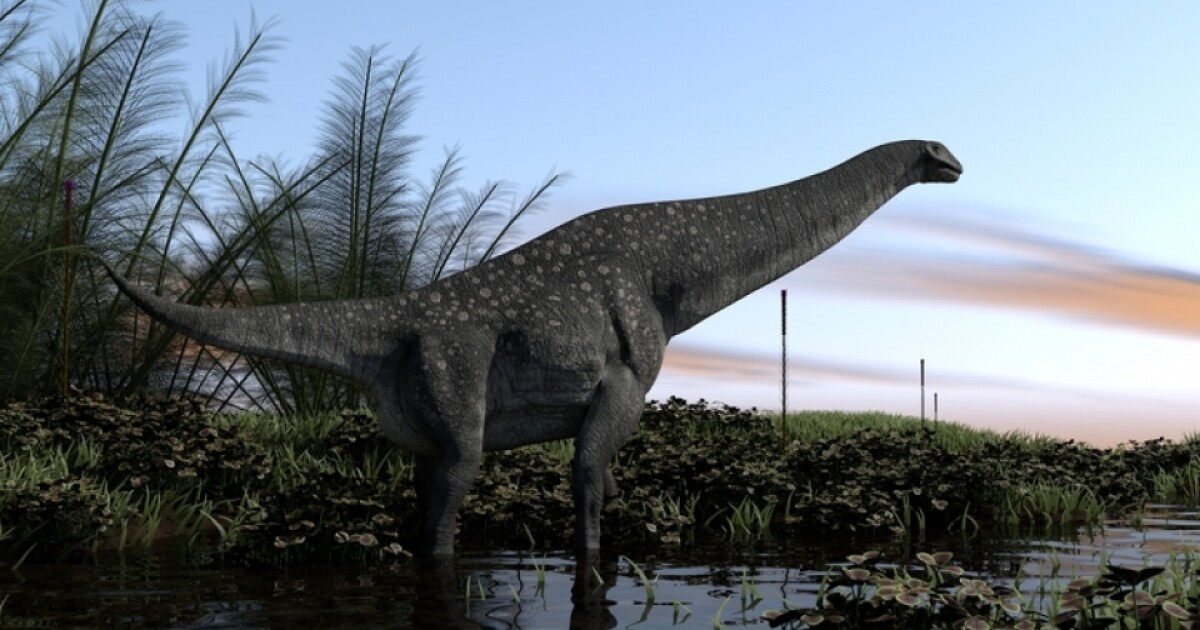
A newly discovered 98-foot-long dinosaur named Bustingorrytitan shiva, after the Hindu god Shiva, is one of the largest titanosaurs ever recorded, weighing an estimated 74 tons. The fossils were found in western Argentina, and the discovery suggests the coexistence of different lineages of gigantic titanosaurs in the region during the middle Cretaceous period. The species name "shiva" references the Hindu deity who destroys and transforms the universe, and the findings shed light on a turnover event in the Cretaceous period.
Titanosaurs, a lesser known group of sauropod dinosaurs, were the largest land animals on Earth, with nearly 100 species that varied greatly in size. Recent discoveries have revealed that they had a unique way of life, merging reptile and mammal characteristics. They originated in the Early Cretaceous Period and thrived on all seven continents, with evidence suggesting rapid growth rates similar to mammals. Fossil findings also indicate that titanosaurs had a diverse diet and high tooth-replacement rates, contributing to their biological success. If not for the asteroid impact 66 million years ago, these long-lived and diverse creatures would likely have continued to thrive.
Titanosaurs, a lesser known group of sauropod dinosaurs, were the largest land animals on Earth, with over 100 species that varied greatly in size. Recent discoveries have revealed that they combined reptile and mammal traits, such as rapid growth rates and high body temperatures, to thrive on all seven continents. Titanosaurs had a hands-off parenting style, and evidence suggests they reached their enormous adult sizes in just a few decades. Their prodigious appetites for plants and diverse diets contributed to their biological success. Unfortunately, they were among the victims of the asteroid impact that ended the age of dinosaurs.
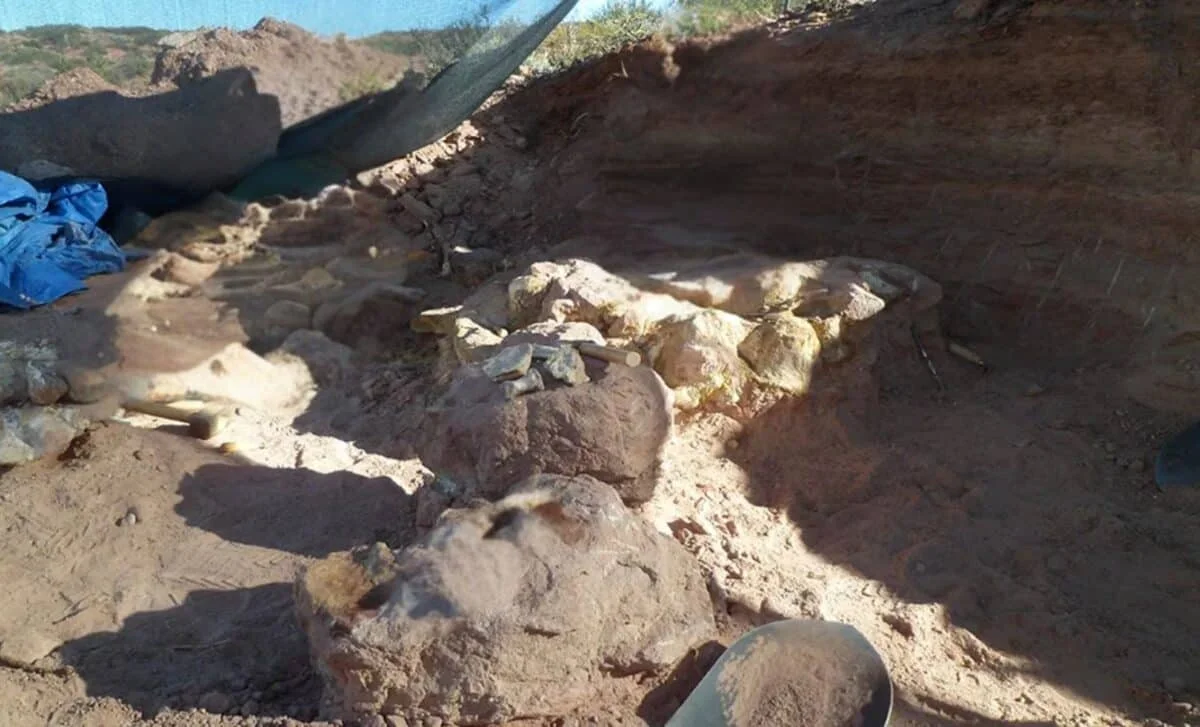
Researchers studying a fossil in South Africa have discovered what they believe to be a previously unknown species of dinosaur dating back almost 200 million years. The fossil, originally thought to be the arm of a larger dinosaur, is now believed to belong to a relative of titanosaurs. The discovery indicates that these types of dinosaurs could live to be much smaller as adults. The fossil weighs 70 kilograms, and researchers hope to find a more complete individual from which they can name the new species.
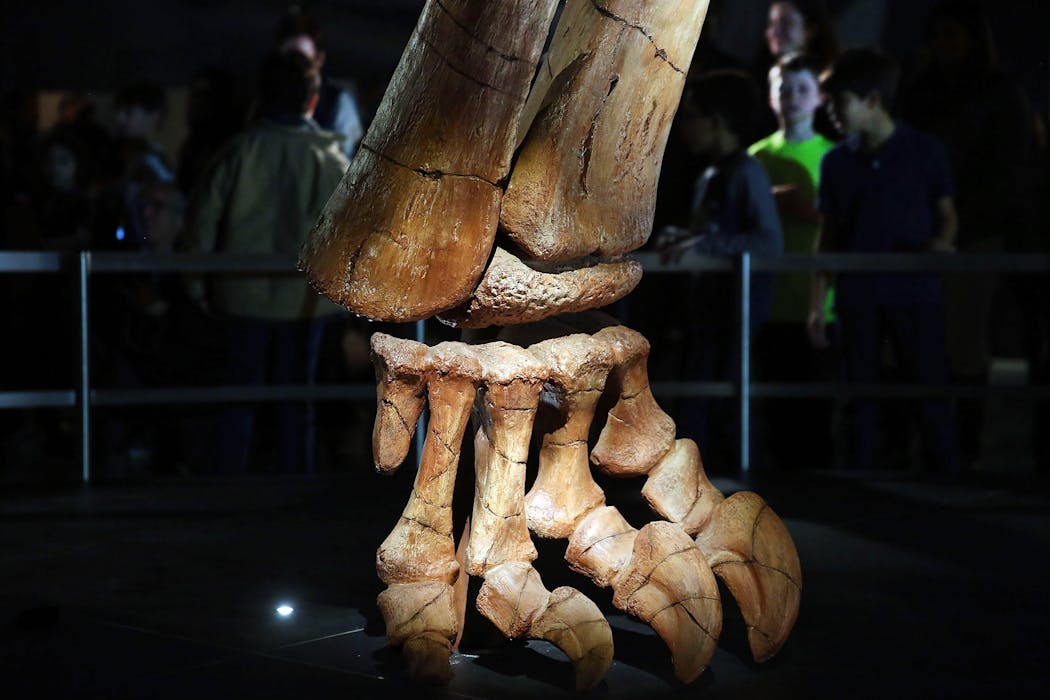
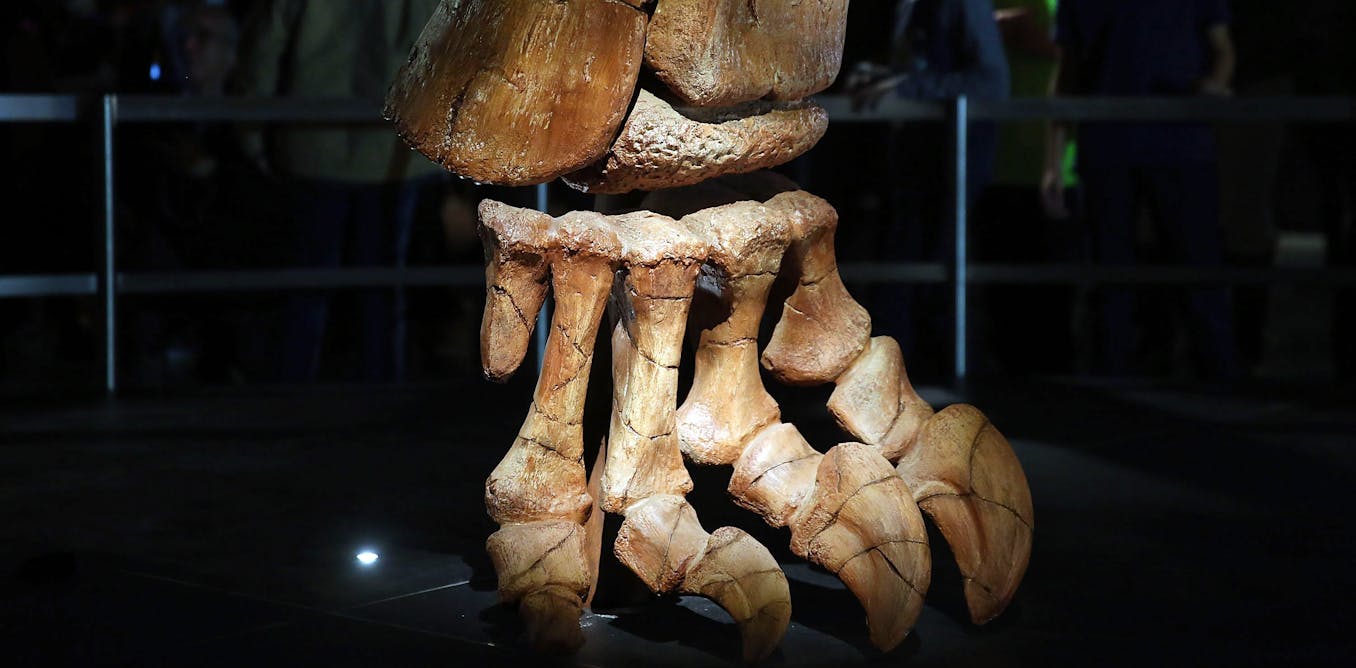
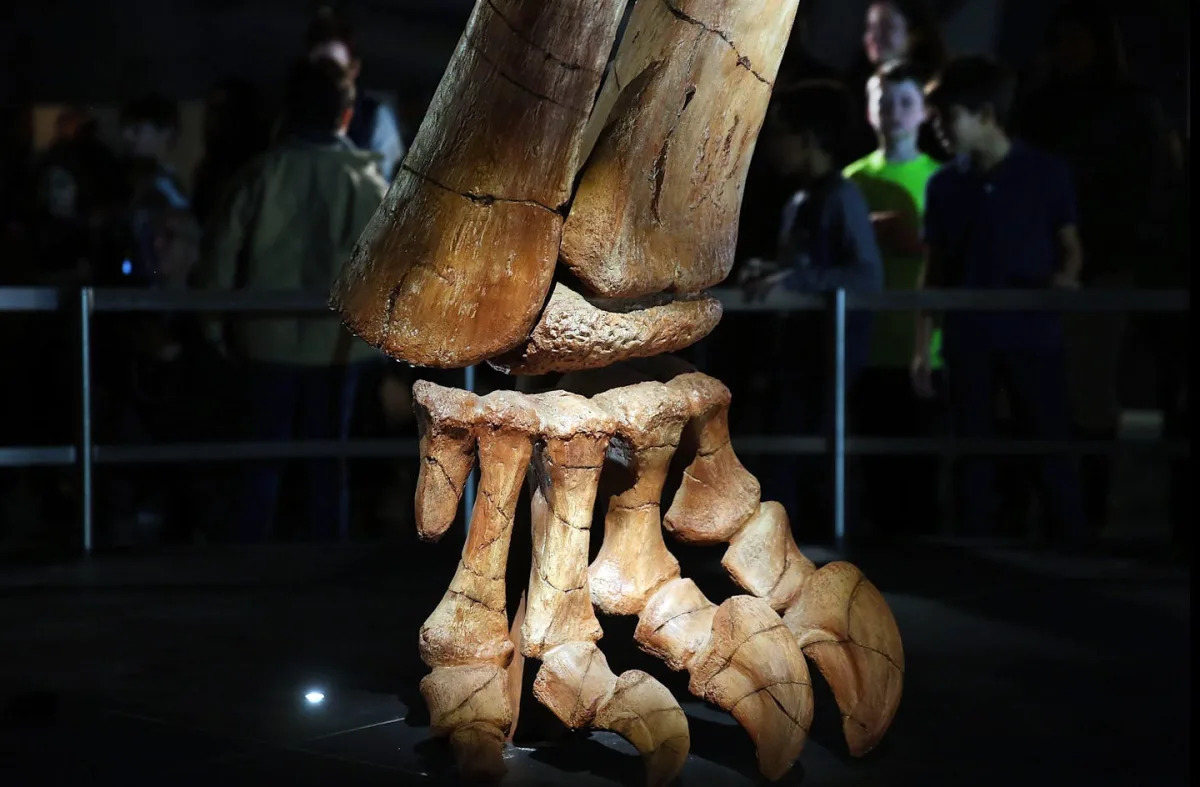
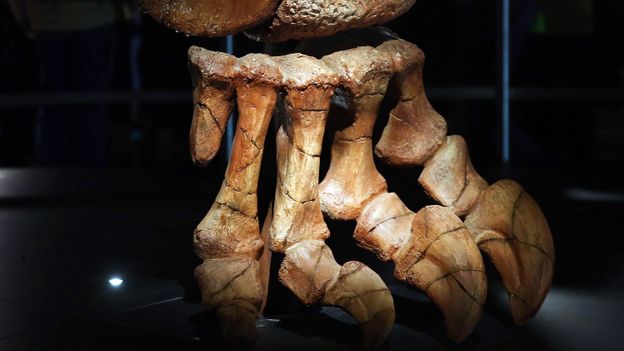
Scientists believe that titanosaurs grew quickly and didn't slow down until they reached their massive adult sizes. Titanosaurs had adaptations hidden in their joints, short feet, and pillar-like limbs to support their enormous weight. The jury is still out on whether titanosaurs could have become even bigger, had dinosaurs not gone extinct.
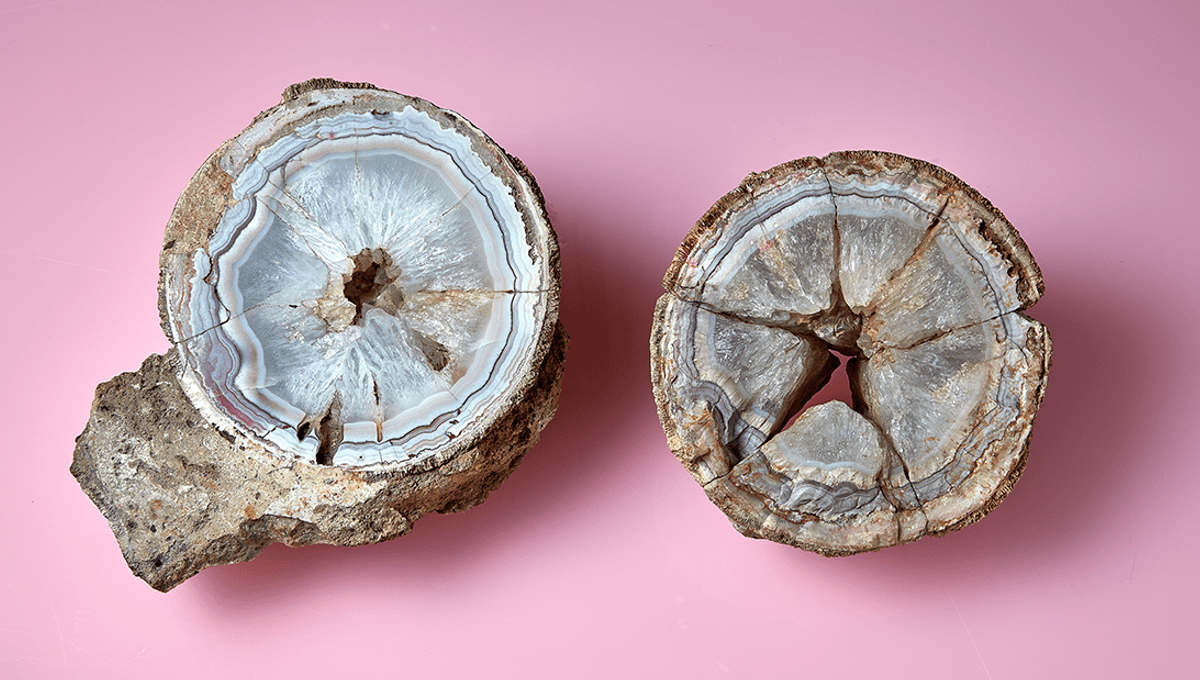
A pretty agate mineral registered to the Natural History Museum’s Mineralogy Collection in 1883 has been identified as a dinosaur egg. The specimen, known as Eggate, is thought to date back to 60 million years ago when titanosaurs were the most common dinosaurs living in India. The egg is almost completely spherical and has a thin layer around the agate that looks like a shell. The team think this occurred due to volcanic activity causing the egg to become encased in solidified volcanic rock after an eruption.