
60-Million-Year-Old Dinosaur Egg Discovered in Stunning Agate Rock
TL;DR Summary
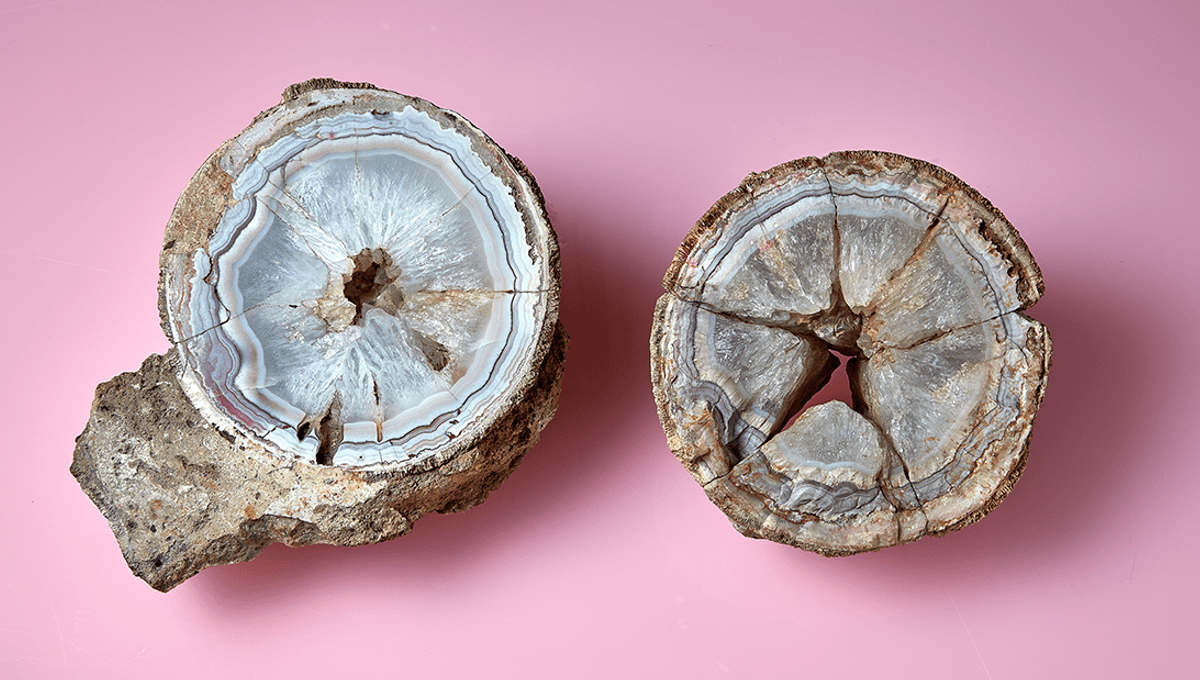
A pretty agate mineral registered to the Natural History Museum’s Mineralogy Collection in 1883 has been identified as a dinosaur egg. The specimen, known as Eggate, is thought to date back to 60 million years ago when titanosaurs were the most common dinosaurs living in India. The egg is almost completely spherical and has a thin layer around the agate that looks like a shell. The team think this occurred due to volcanic activity causing the egg to become encased in solidified volcanic rock after an eruption.
- "Rock" Containing Stunning Agate Turns Out To Be 60-Million-Year-Old Dinosaur Egg IFLScience
- Indian Mineral Specimen Turns Out to Be the First Known Dino Egg On Record! The Weather Channel
- The first known dinosaur egg? A new discovery from the Museum's collection The Natural History Museum
- View Full Coverage on Google News
Reading Insights
Total Reads
0
Unique Readers
7
Time Saved
2 min
vs 3 min read
Condensed
84%
538 → 87 words
Want the full story? Read the original article
Read on IFLScience