The article warns against relying on AI tools like ChatGPT for outdoor activity planning, such as tide times, highlighting incidents where incorrect AI information led to rescues and emphasizing the importance of consulting verified sources and local expertise for safety.
Japan is experiencing a record high number of tick-borne infections, particularly Severe Fever with Thrombocytopenia Syndrome (SFTS), with 149 cases reported in 2023 so far, mainly in western regions but also in other areas, prompting health officials to advise precautions against tick exposure.
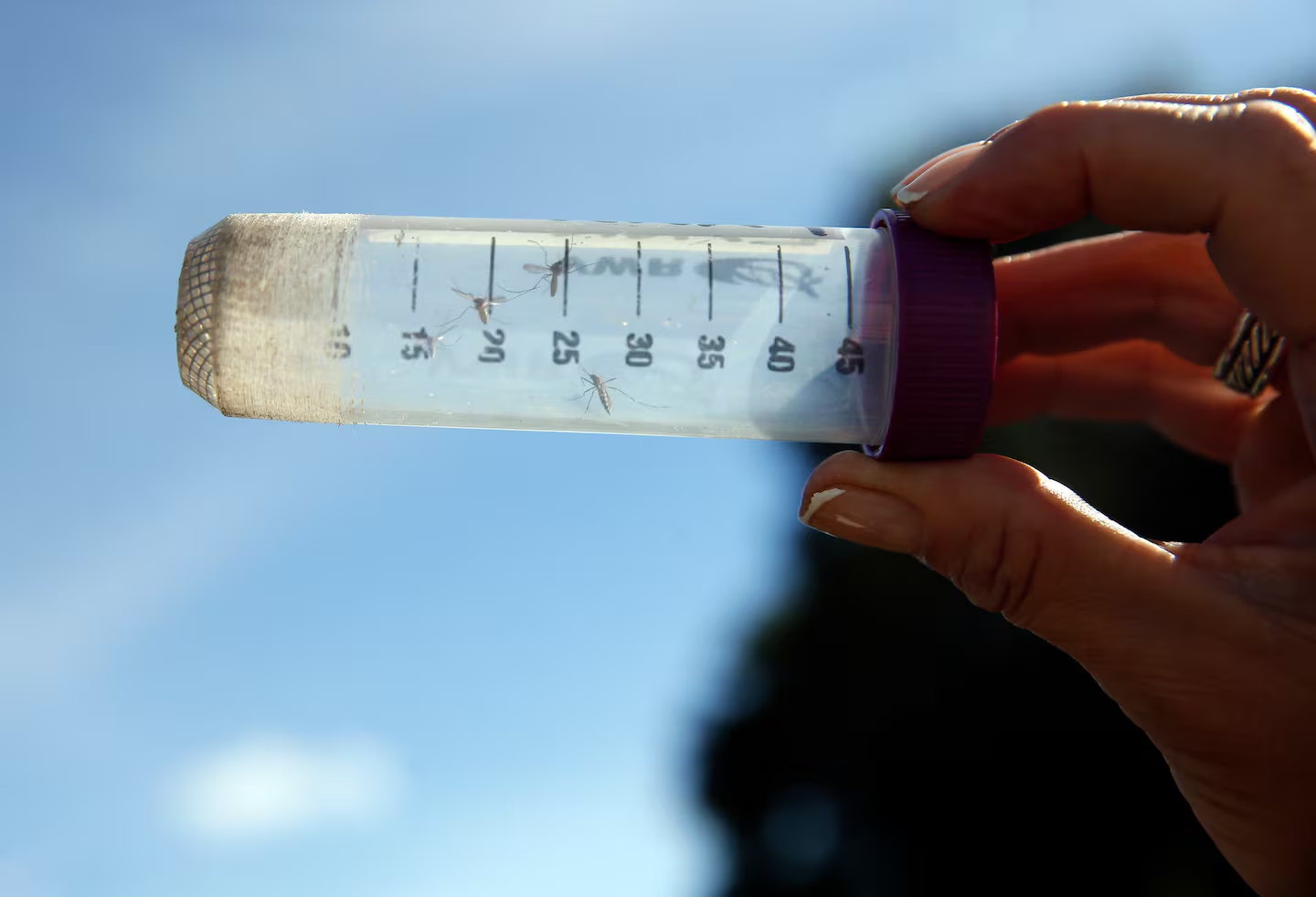
A woman in her 70s in Middlesex County, Massachusetts, has tested positive for West Nile virus, marking the first human case of the year in the state amid elevated mosquito-borne virus risk, prompting health officials to advise precautions against mosquito bites.
The Minnesota Department of Health has issued a West Nile virus alert due to increasing cases and two fatalities, urging residents to take precautions against mosquito bites during the hot and rainy summer, especially in western and central agricultural regions where the primary mosquito spreader is prevalent.
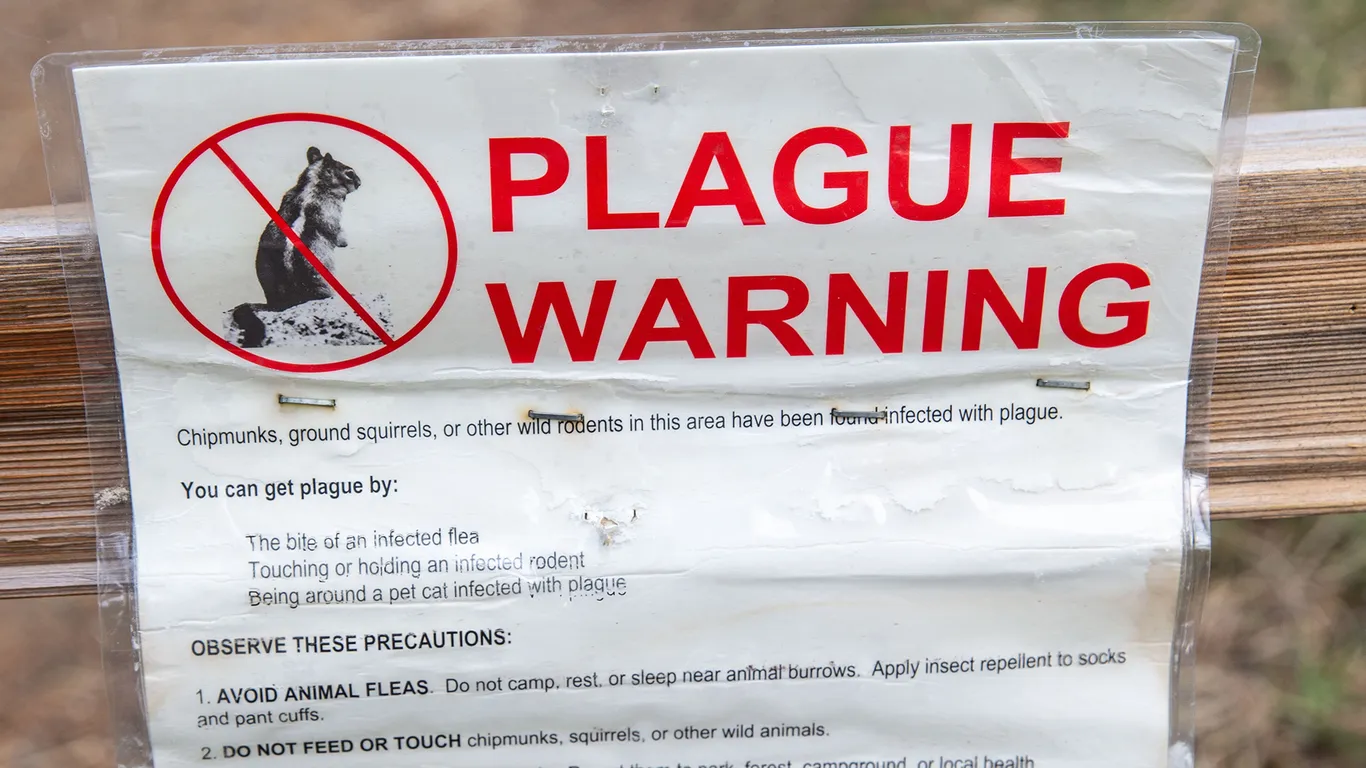
California health officials are investigating a case of plague in South Lake Tahoe, likely contracted from a flea bite while camping, prompting warnings to avoid contact with wild rodents and sick animals, and to seek prompt treatment if symptoms appear. The disease, caused by Yersinia pestis, remains rare but treatable with antibiotics if caught early.
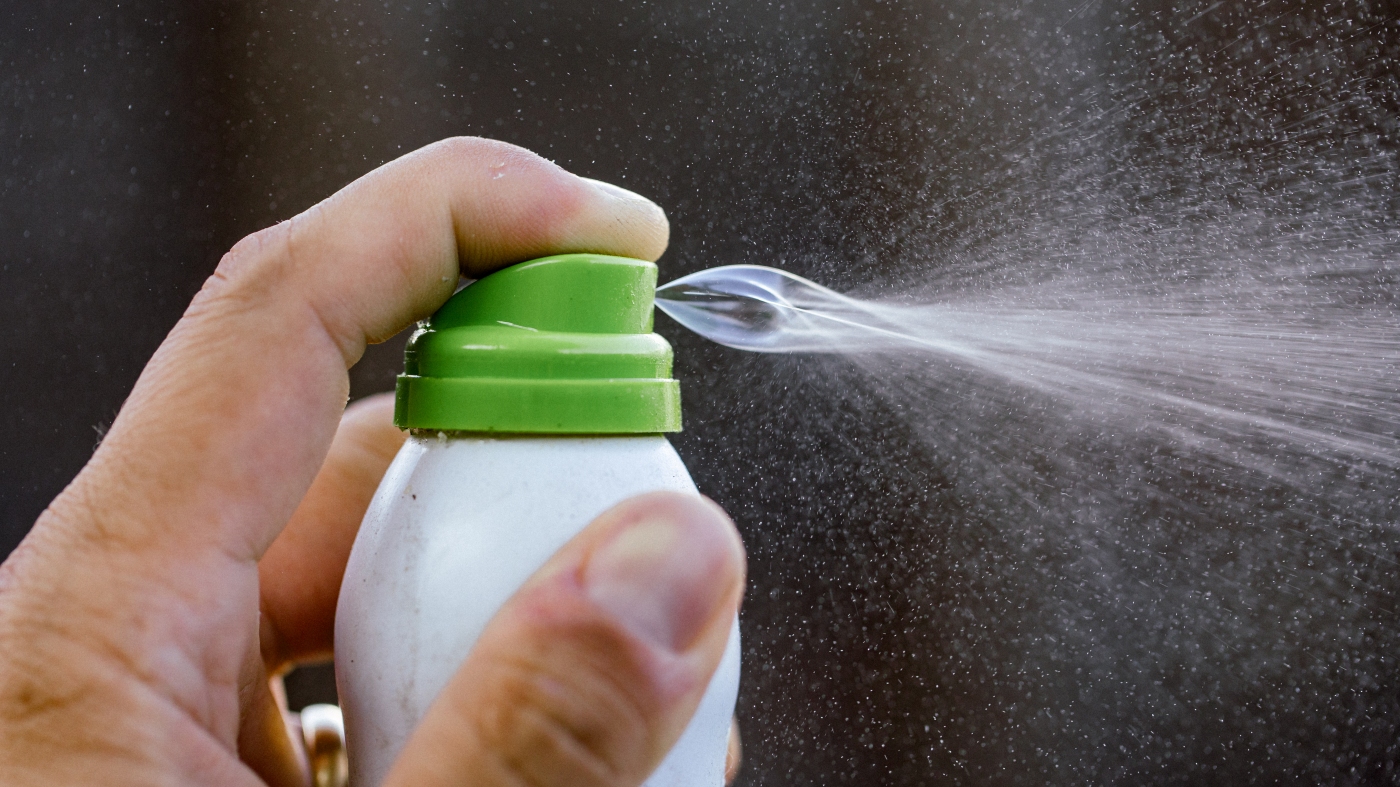
The article provides expert advice on how to prevent and treat insect bites, emphasizing the importance of avoiding certain bugs like wasps, mosquitoes, and ticks through protective clothing, repellents, and environmental management, as well as proper first aid and when to seek medical help for bites and stings.
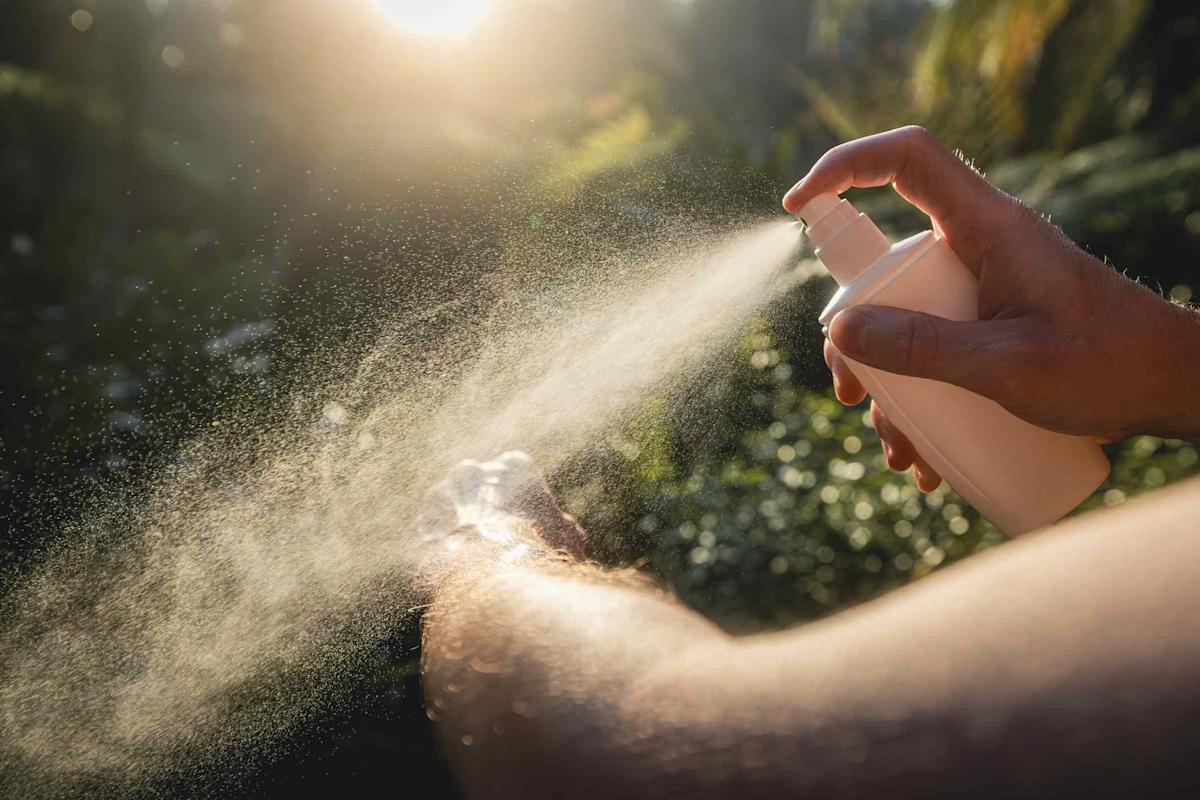
This article provides seven practical tips to prevent mosquito bites during summer, including managing CO2 output, controlling sweat and body odor, choosing protective clothing, using repellents, timing outdoor activities wisely, modifying the environment, and taking extra precautions if you have Type O blood, to enjoy outdoor activities safely.
To prevent mosquito bites, experts recommend using citronella candles or plants, spraying your yard with insecticide if necessary, reducing standing water around your home, avoiding outdoor activities during peak mosquito hours at dawn and dusk, and using fans to deter mosquitoes. Installing bat boxes can also naturally reduce mosquito populations by attracting bats that feed on them.
The article discusses surprising, science-backed methods to prevent mosquito bites beyond common solutions like bug spray and staying indoors, featuring insights from entomologists and environmental health experts, and includes a quiz to test your knowledge of effective tactics.
Maria Palen's story highlights the hidden dangers of tick-borne illnesses like babesiosis, which can cause severe health issues including paralysis, emphasizing the importance of awareness, early detection, and proper precautions when spending time outdoors to prevent such infections.
With the first major heat wave approaching much of the U.S., experts advise taking precautions such as checking the heat index, wearing lightweight clothing, seeking shade, staying hydrated, and recognizing symptoms of heat exhaustion to prevent heat-related illnesses during hot weather activities.
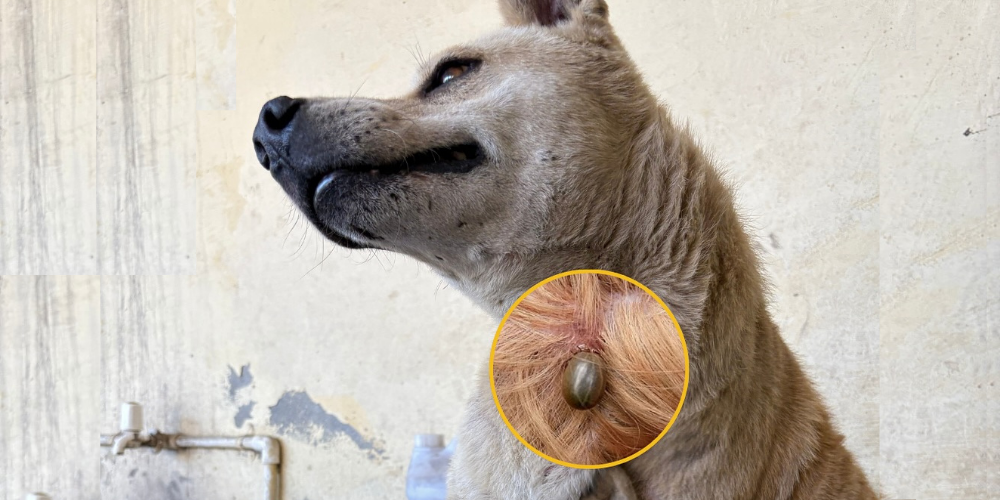
As tick activity increases in Michigan during warmer months, it is important to take preventive measures such as using EPA-approved repellents, treating clothing with permethrin, checking for ticks after outdoor activities, and consulting vets for pet protection to reduce the risk of Lyme disease and other tick-borne illnesses.
At least three Michigan deer hunters have died of heart attacks during the current 16-day hunting season, with two of the incidents occurring while the hunters were hauling heavy deer. Dr. William Morrone, a medical examiner, emphasized the need for hunters to prepare physically for the demanding activity, suggesting that the Department of Natural Resources require hunters to undergo physical exams. The regular firearm deer season, which began on November 15, ends on Saturday.
Experts advise that pets don't need special eye protection for the solar eclipse, as they typically don't look directly at the sun. However, it's best to keep pets indoors during the eclipse to prevent potential stress from the change in weather and darkness. If you choose to take your pet outside, keep them on a leash and maintain a calm demeanor. Signs of eye damage in pets include squinting, discharge from the eyes, and changes in eye appearance, and if observed, it's important to contact a veterinarian.
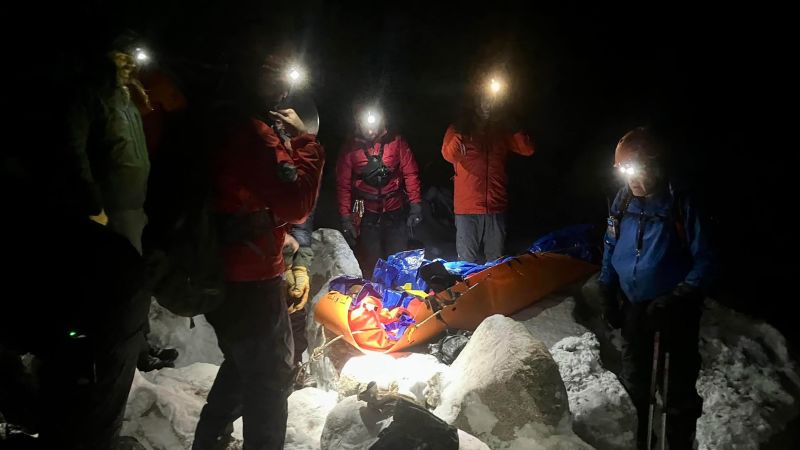
A hiker in the Colorado Rockies was rescued after searchers followed footprints in the snow to find them "alive but very hypothermic." The hiker was unprepared for the conditions, wearing only a cotton hoodie and lacking food and water. As darkness approached, the hiker decided to descend an avalanche chute to reach a road. Search and rescue teams located the hiker after spotting footprints in the snow and discovered them covered in snow but alive. Rescuers spent three hours warming the hiker before safely bringing them down the slope.