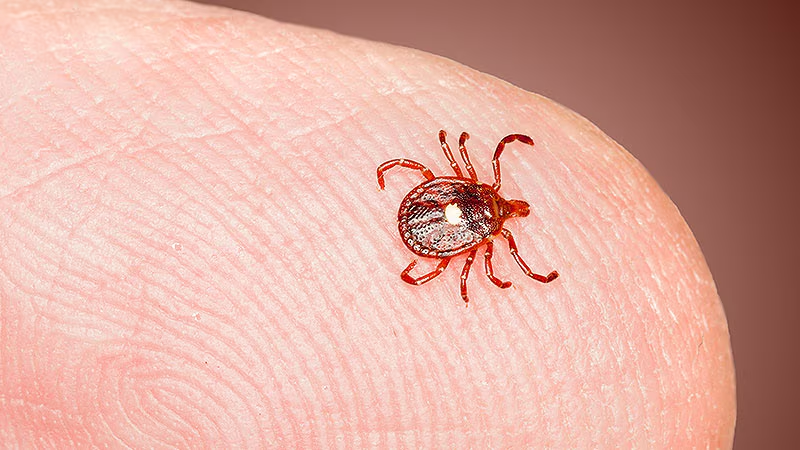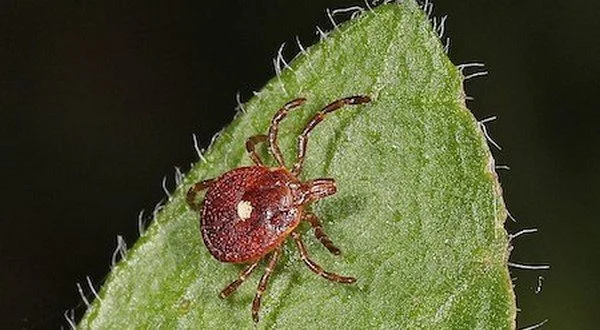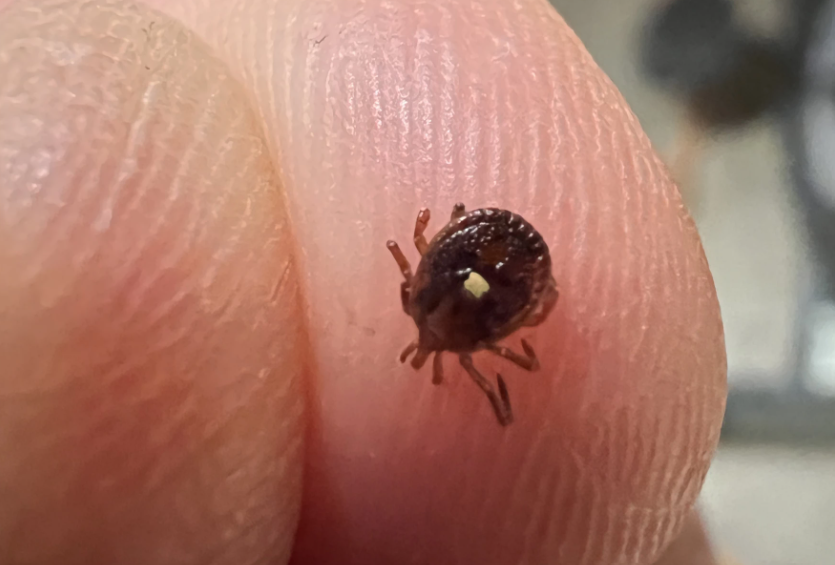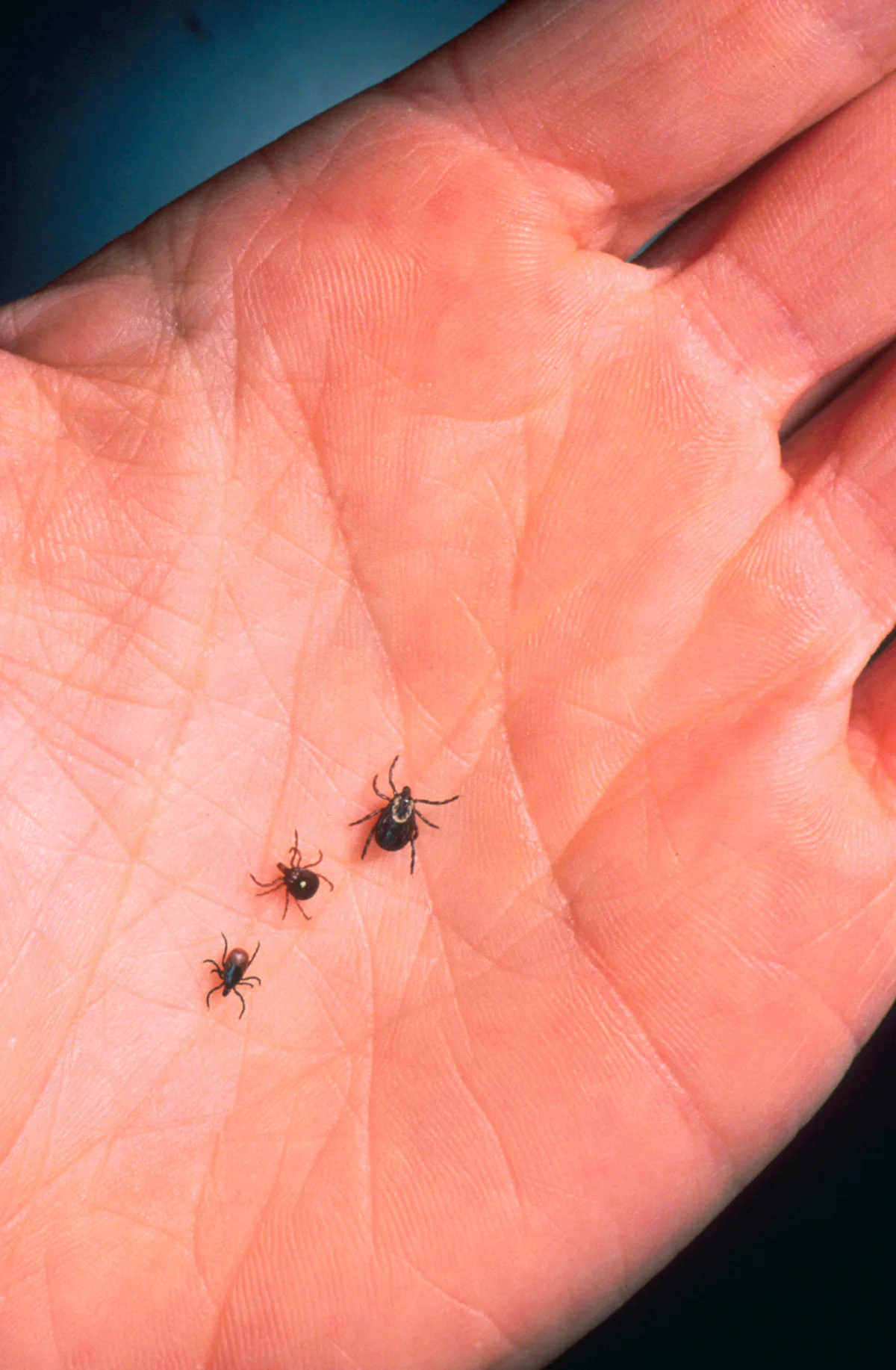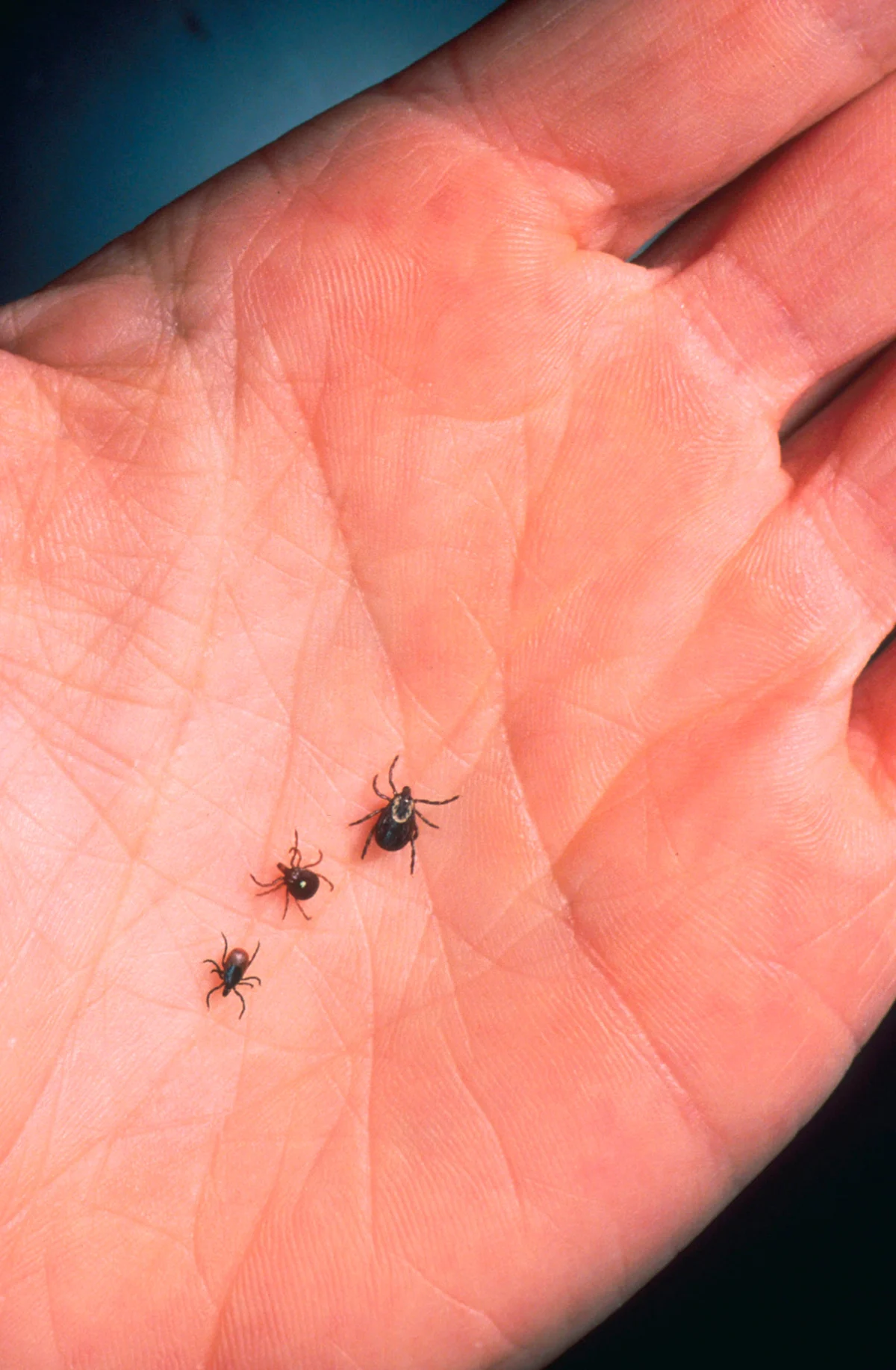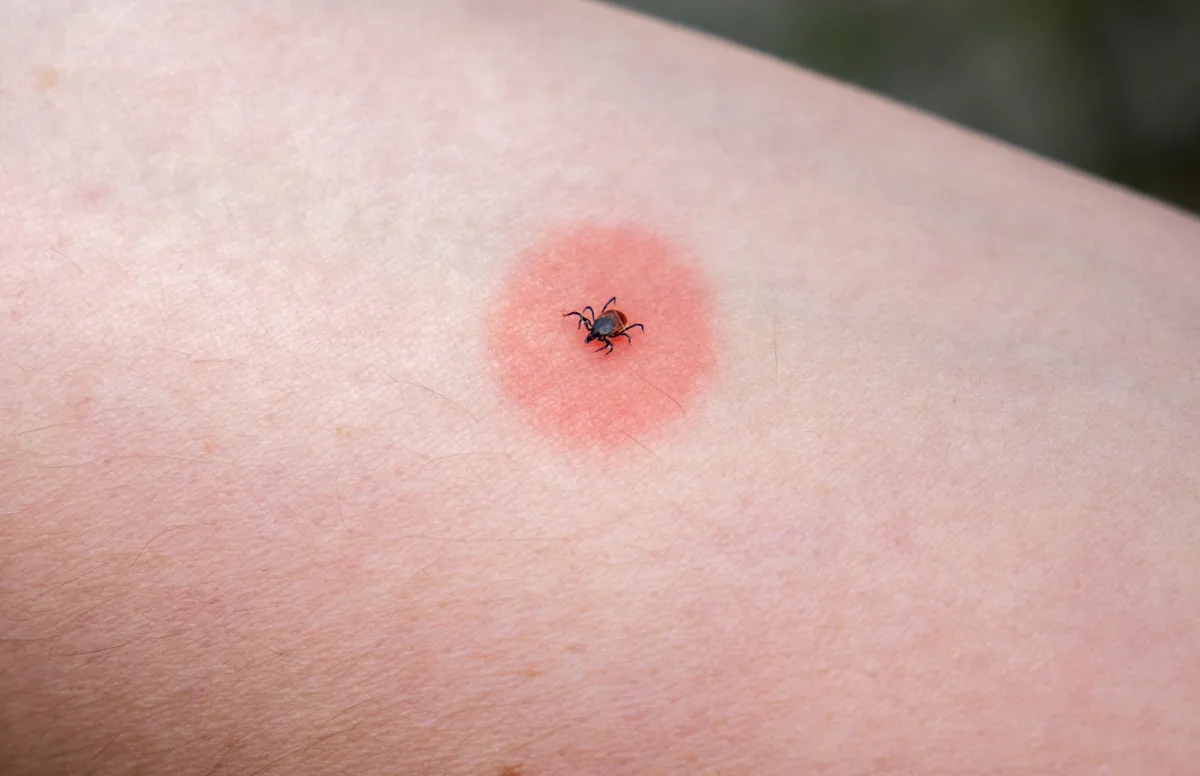
Doctors in Arkansas warn about the rising risk of Alpha-gal syndrome, a potentially life-threatening allergy to red meat caused by tick bites, with no current cure, emphasizing prevention through protective clothing and tick checks.

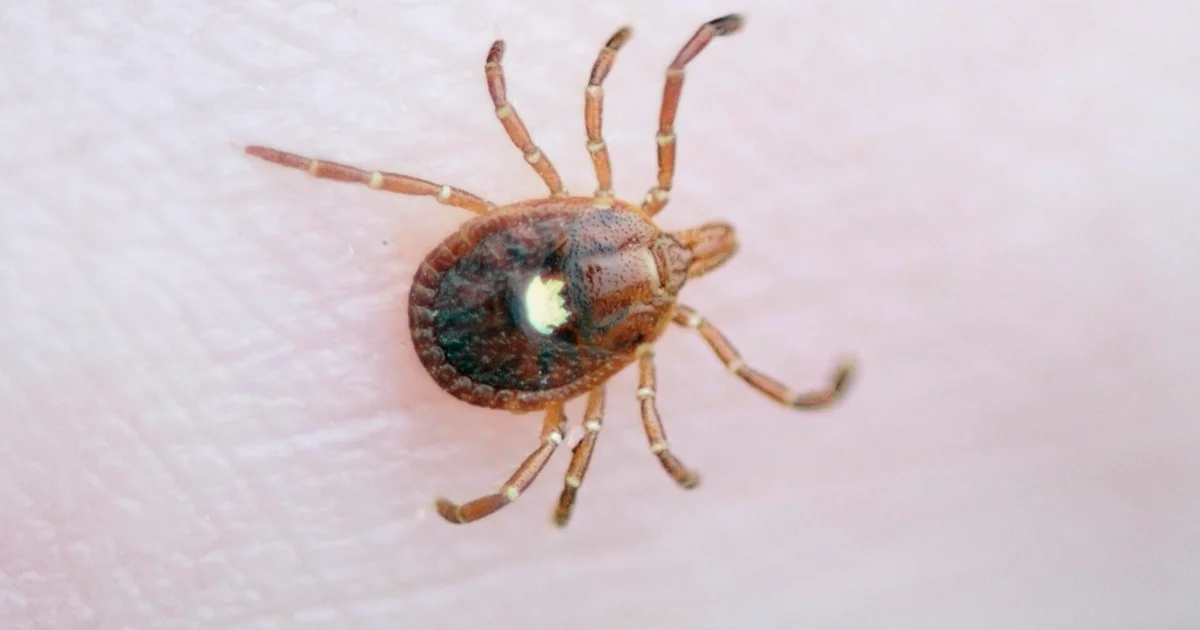
Researchers confirmed the first known death caused by alpha gal allergy, a meat allergy triggered by Lone Star tick bites, after a man died hours after eating beef. The case highlights the severity of the allergy, which can cause life-threatening reactions, and emphasizes the increasing risk due to rising tick populations.
Oliver Moazzezi used AI to self-diagnose Lyme disease after years of symptoms and initial misdiagnoses, which was later confirmed by a private doctor. Experts warn that relying on AI for health diagnoses carries risks and emphasize consulting healthcare professionals. The case highlights issues in Lyme disease detection and the potential role of AI in patient-led health inquiries.
Alpha-Gal Syndrome, a meat allergy triggered by tick bites, is spreading north and west in the US, with cases increasing significantly over the past decade due to tick habitat expansion and climate change, posing serious health risks including severe allergic reactions.
The incidence of alpha-gal syndrome, an allergy to red meat caused by tick bites, has doubled in Arkansas since 2004, with more cases reported as the condition becomes better recognized. The allergy can cause symptoms like hives, swelling, and breathing difficulties, but early diagnosis and preventive measures such as avoiding tick habitats and using insect repellent can help manage the risk.
The incidence of red meat allergies caused by tick bites, known as alpha-gal syndrome, is increasing in Kansas and Missouri due to climate change, but underreporting hampers understanding of its true prevalence.
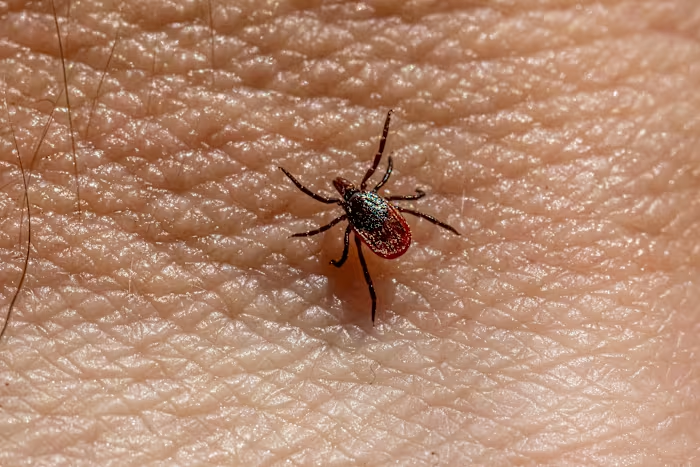
A CDC report highlights a significant increase in tick bites in the U.S., especially in the Northeast, driven by rising temperatures that expand tick habitats and spread tick-borne diseases like Lyme disease. Experts emphasize the importance of preventive measures such as protective clothing and checking for ticks after outdoor activities, as well as ongoing research into new prevention methods. The trend underscores the need for increased awareness among doctors and the public due to the expanding geographic range of ticks and associated health risks.
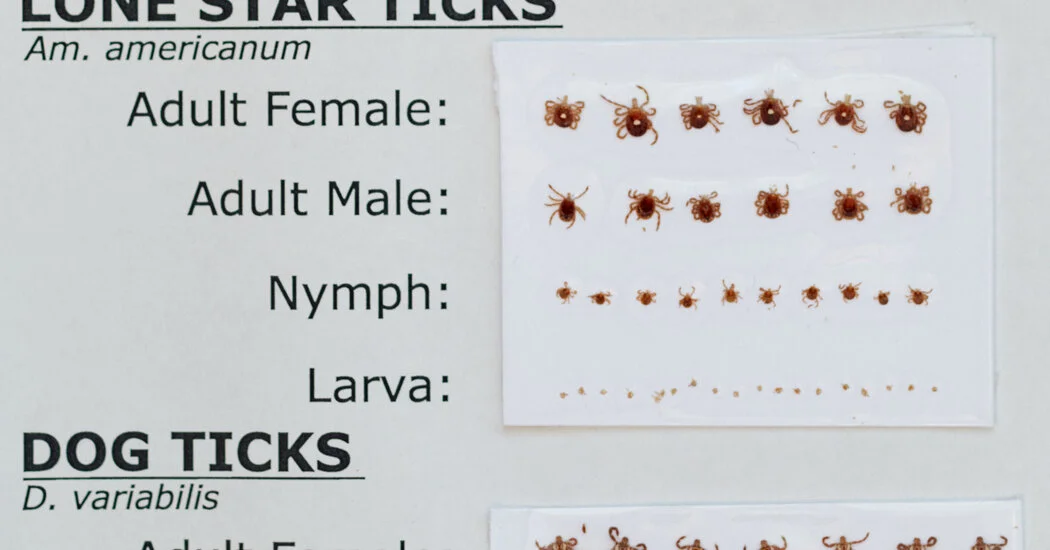
An increase in Lone Star tick populations on Martha’s Vineyard has led to a rise in alpha-gal syndrome, a severe allergy to red meat, prompting some meat-lovers to adopt vegan diets as a preventive measure, with no current cure available.
An increase in Lone Star tick populations on Martha’s Vineyard has led to a rise in alpha-gal syndrome, a severe allergy to red meat, prompting some meat-lovers to adopt vegan diets as a preventive measure, with no current cure available for the allergy.
Doctors in the US are seeing a rise in tick bites and related ER visits, driven by environmental changes and increased awareness, highlighting the importance of prevention and quick removal to reduce disease risk, especially Lyme disease.
On Martha's Vineyard, a surge in Lone Star ticks has led to a significant increase in alpha-gal syndrome, an allergy to mammal meat and dairy, with positive allergy tests rising from 32 in 2021 to over 500 in 2024, prompting changes in public health awareness and restaurant menus.
Martha's Vineyard is experiencing a rise in tick bites due to the spread of the lone star tick, leading to an increase in alpha-gal syndrome, a meat and dairy allergy, which is prompting some islanders to adopt vegan diets for health reasons.
Massachusetts officials warn of a surge in ER visits due to tick bites, including a resurgence of the lone star tick, driven by environmental changes. The increase raises concerns about tick-borne illnesses like Lyme disease and allergic reactions, prompting health recommendations for prevention and expanded screening efforts. Experts emphasize that awareness and early action are key to managing the growing threat.
Lyme disease cases are doubling due to climate change expanding tick habitats; prevention includes protective clothing, tick checks, and prompt removal, with early treatment being effective.
Emergency room visits for tick bites across the US are at near-record levels this summer, especially affecting children and the elderly, with climate change possibly contributing to the rise. The CDC warns about the risks of tick-borne diseases like Lyme disease and Rocky Mountain Spotted Fever, and recommends precautions such as avoiding high grass areas, using insect repellent, and treating clothing with permethrin. No region is immune to tick activity.