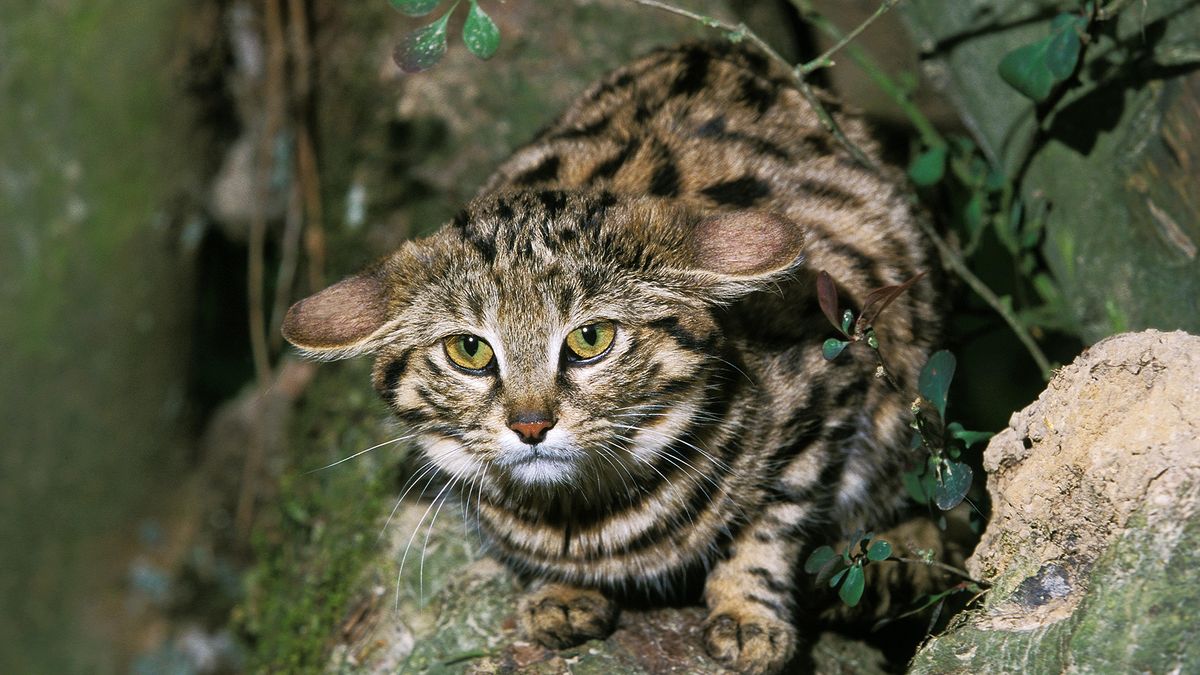
A study has found that black-footed cats, the smallest species of felid in Africa, are inbreeding at alarming rates due to habitat fragmentation, putting them at risk of a rare, deadly disease called amyloidosis. The researchers identified genetic markers of recent inbreeding events and linked this to a heightened risk of developing amyloidosis, which causes a protein build-up in organs and can be fatal. The study highlights the need for more research and conservation efforts to address the risks faced by small feline species like the black-footed cat.
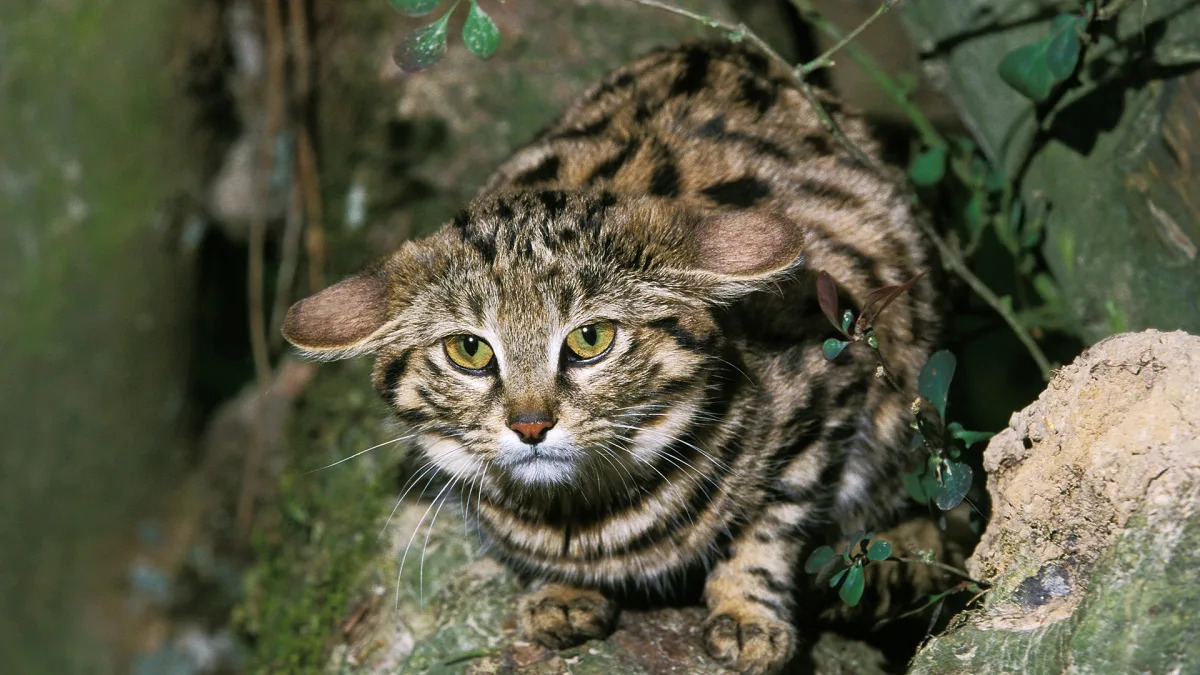
A study has found that black-footed cats, the smallest and deadliest cats in Africa, are facing alarming levels of inbreeding due to genetic isolation caused by habitat fragmentation. This inbreeding increases the risk of developing amyloidosis, a rare and deadly disease that affects about 70% of the captive black-footed cat population. The researchers identified harmful gene variants associated with amyloidosis and emphasized the need for more conservation efforts and research on small feline species.
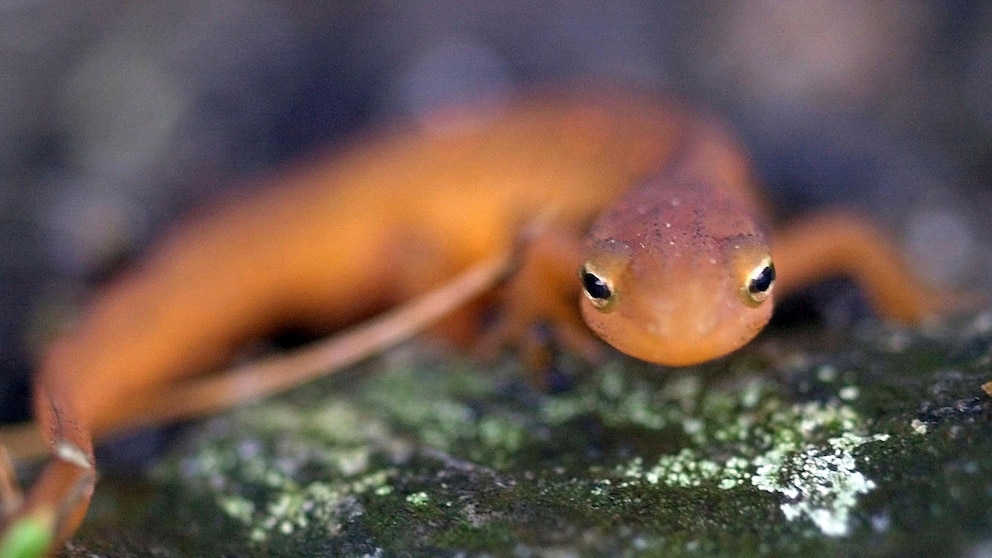
The International Union for Conservation of Nature (IUCN) has updated its Red List of Threatened Species, revealing that over 2,000 more species are now at risk of extinction due to climate change. The list includes species such as salmon and turtles, which are facing population declines as a result of warming temperatures and human-created hazards. Climate change is making it harder for these species to find food and increasing competition from alien species. Additionally, the update highlights that freshwater fish species are also under threat, with one-quarter of them facing extinction risks. Amphibians, particularly frogs and salamanders, are suffering the most, with 41% of these species under threat. However, there is some positive news, as efforts to reintroduce certain species, such as the scimitar-horned oryx, have shown progress. The IUCN emphasizes the need for urgent action to protect biodiversity and combat climate change.
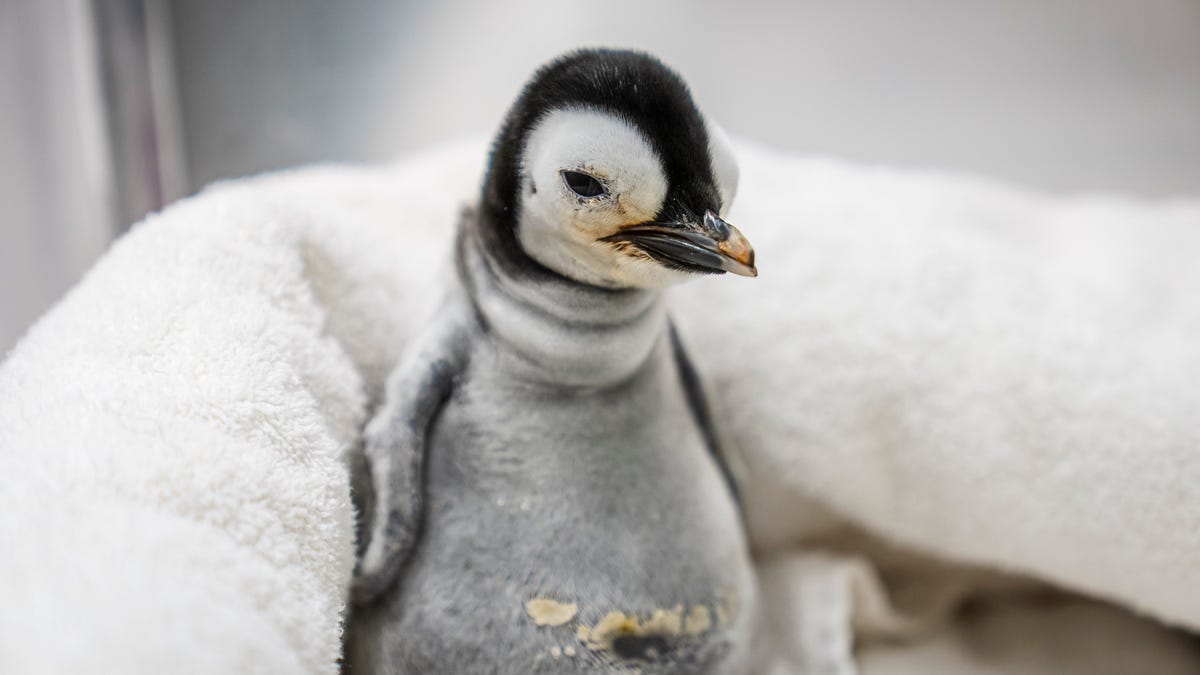
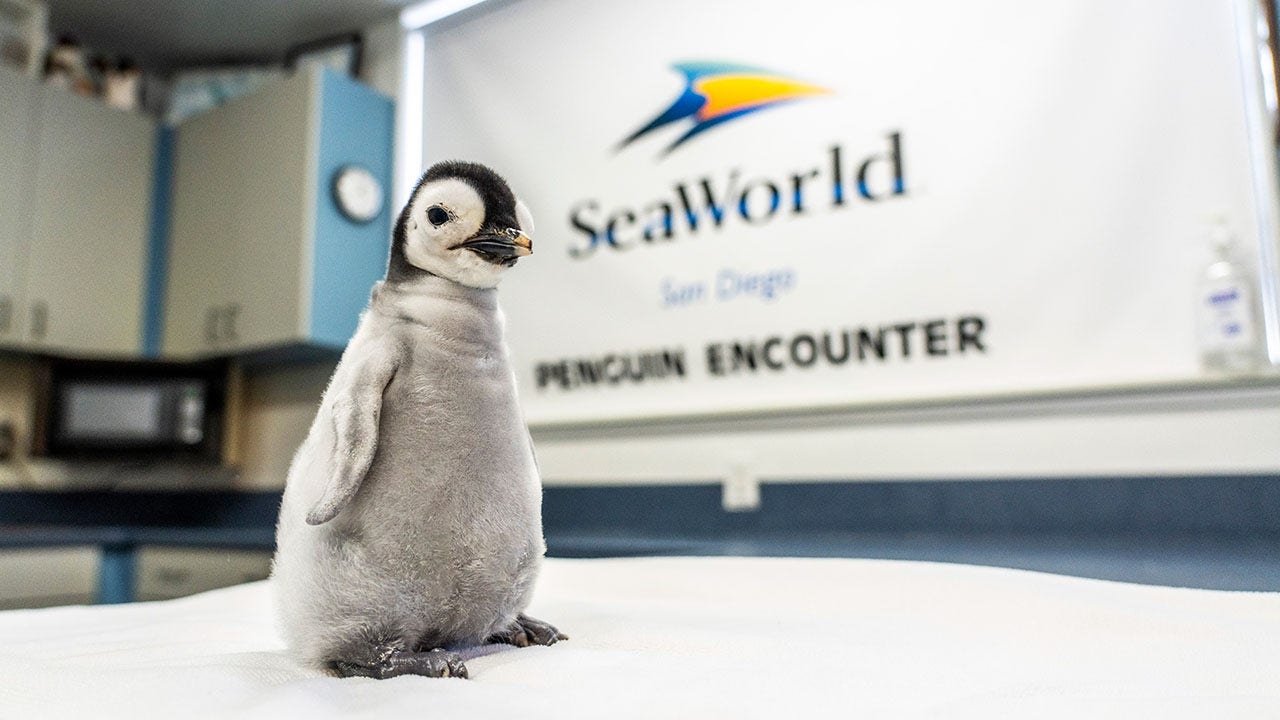
SeaWorld San Diego celebrates the hatching of an emperor penguin chick, a rare and precious occasion for the threatened species. The chick needed assistance to hatch due to a beak malformation. SeaWorld is asking the public to help name the chick from three options: Pearl, Pandora, and Astrid. Emperor penguins are listed as a threatened species due to the loss of Antarctic sea ice and rising sea levels caused by climate change, which affects their breeding and survival.
SeaWorld San Diego is inviting the public to help name its first emperor penguin chick in over a decade. The female chick, born on September 12, is a significant event for both the species and the park. The three name choices are "Pearl," "Pandora," and "Astrid," each holding special significance. The public can vote until October 31, and the name will be announced on November 1. Emperor penguins are considered threatened due to the loss of Antarctic ice.
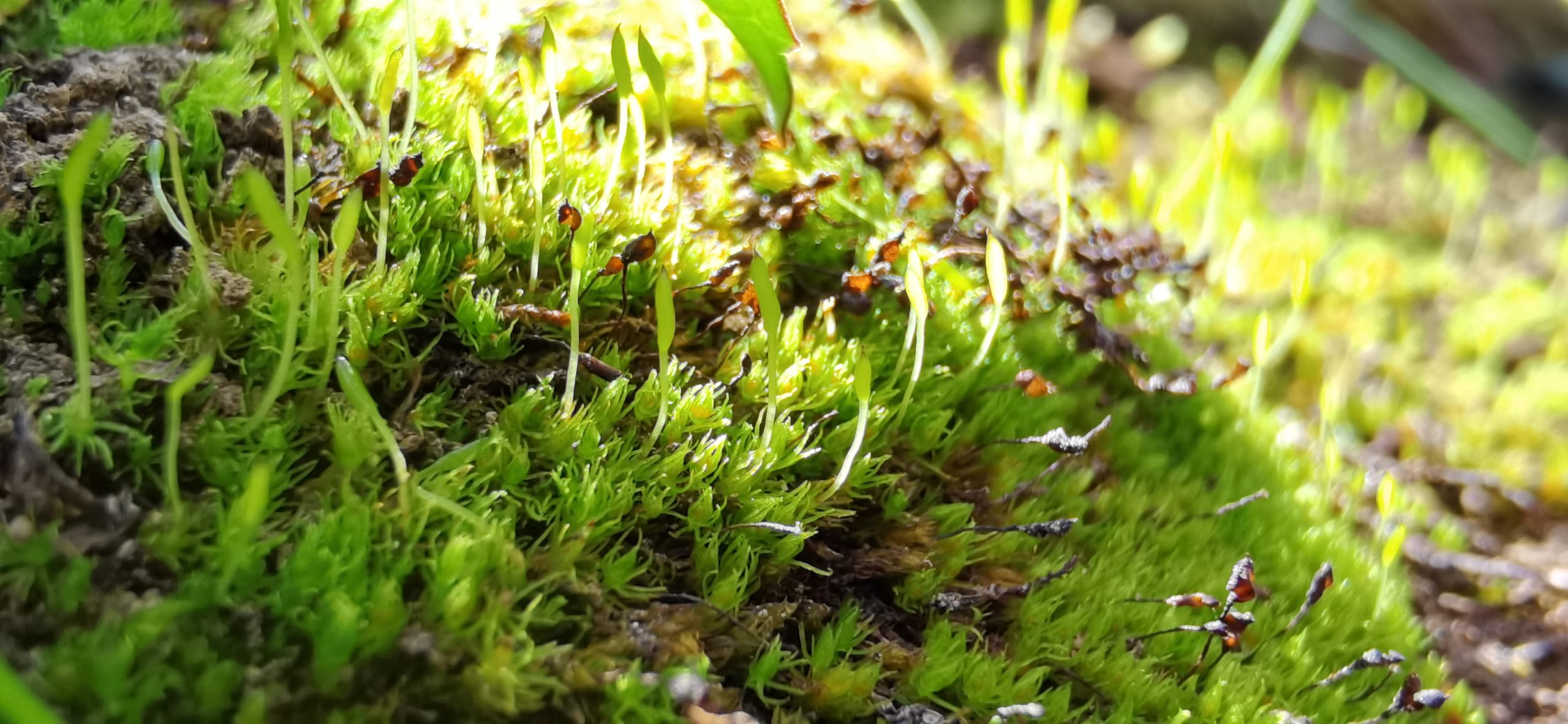
The rare moss species Takakia, which is the oldest living land plant, is facing significant threats due to climate change. Researchers have discovered the genetic characteristics that allow the moss to survive extreme environmental conditions, such as frost and high UV radiation. However, rapid climate change has already impacted the natural habitat of Takakia within a few years, leading to a decline in population size. The moss's habitat on the Tibetan Plateau is experiencing increasing temperatures and glacier recession, which poses a greater challenge for Takakia compared to other species. The study highlights the importance of protecting and preserving this ancient plant species.
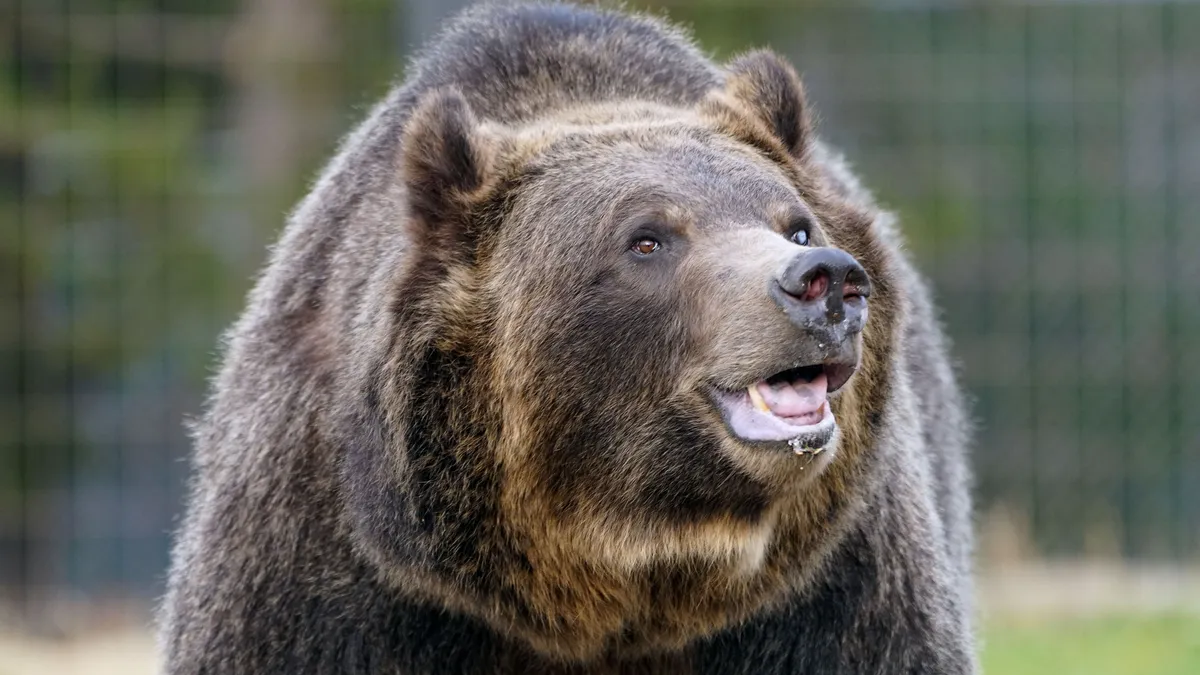
Two men in Montana killed a mama grizzly bear in self-defense after she charged at them while they were scouting for hunting season. One of the men was accidentally shot in the back shoulder during the incident. Wildlife officials ruled the bear's death as self-defense, as the men had surprised her and her cub. Grizzly bears are listed as a threatened species, and it is illegal to harm or kill them unless it is in self-defense or defense of others. The mama bear had no history of conflict with humans and was previously tagged for population monitoring. The fate of the cub, if it is healthy, will be determined by continued monitoring. Safety tips for encountering bears are also provided.
A Tennessee zoo has welcomed the birth of a rare, singularly colored giraffe, believed to be the only one of its kind in the world. Unlike typical giraffes with their distinctive patched pattern, this female giraffe is a uniform brown color. The zoo hopes that this unusual birth will raise awareness about the challenges faced by giraffes, including habitat fragmentation and poaching. The public has been invited to participate in a naming contest for the new giraffe.
The Endangered Species Act, which has protected over 1,600 domestic species from extinction for the past 50 years, is facing increasing threats and controversy. Conservative administrations and lawmakers have sought to weaken the act, arguing that it stifles property rights and economic growth. Environmentalists accuse regulators of slow-walking new listings and claim that Congress provides insufficient funding. Recent actions, such as nullifying the endangered designation for the northern long-eared bat, have raised concerns about the future of the act. While some species have rebounded, critics argue that the act needs to be more effective in recovering species and that stronger laws and regulations are necessary to address the climate and extinction crises.
A trail camera captured a video of a group of wild horses being chased by a grizzly bear in the Rocky Mountains. The Help Alberta Wildies Society posted the video on Facebook, highlighting the constant threat of removal faced by the horses from the provincial government, cattleman's lobby, and other interest groups. The society helps protect free-roaming horses with rare Spanish bloodlines in the foothills of the eastern slopes of the Alberta Rocky Mountains.
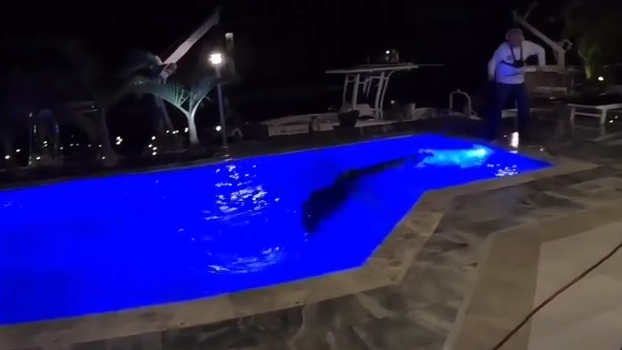
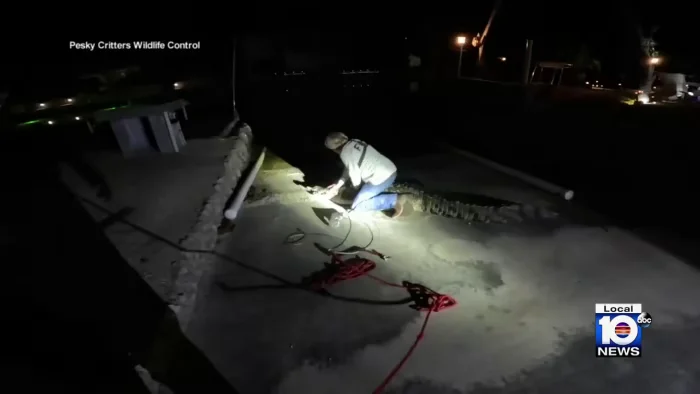
Trappers with Pesky Critters Wildlife Control removed a 10-foot American crocodile from a homeowner's pool in Plantation Key, Florida. Todd Hardwick, a seasoned wildlife trapper, secured the colossal reptile with the assistance of Jeff Peterla. The crocodile was safely relocated back into its natural habitat, ensuring its preservation as a threatened species in Florida and an endangered species elsewhere in the United States.
A 10-foot American crocodile was captured after it wandered into a swimming pool in Plantation Key, Florida. Wildlife officials safely relocated the crocodile back into its habitat. Crocodiles are a threatened species in Florida and an endangered species everywhere else in the U.S. Homeowners with pools are advised to turn on the lights before jumping in at night. Tips for safely coexisting with crocodiles include keeping a safe distance, swimming only in designated areas during daylight hours, and never feeding them.
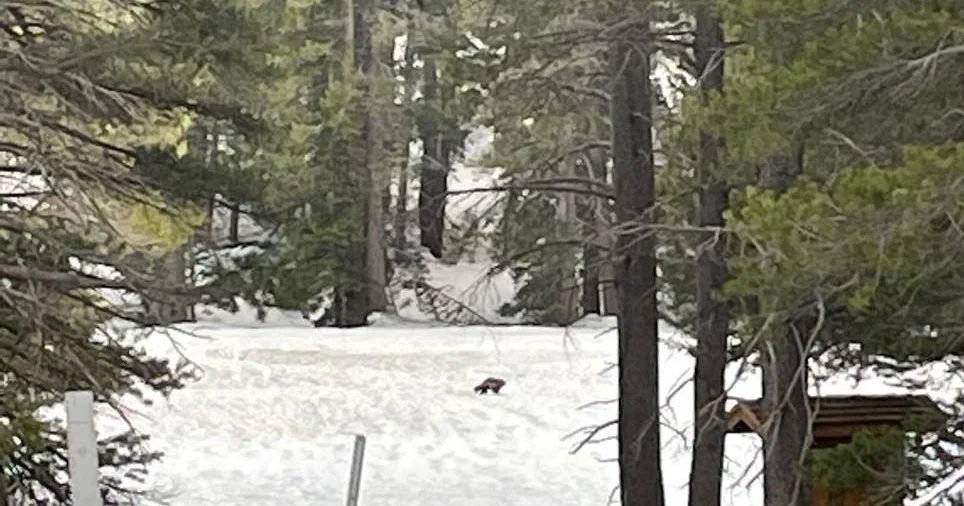
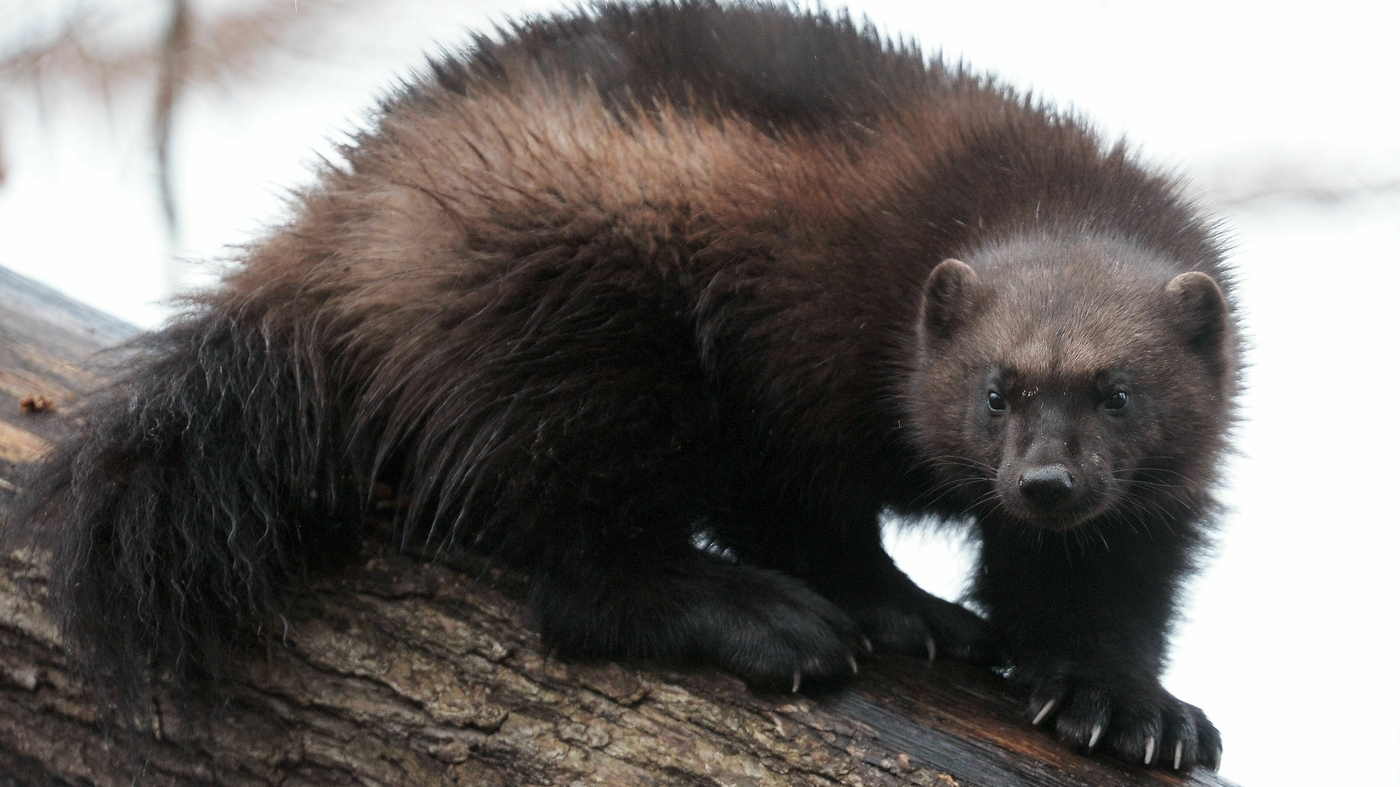
The California Department of Fish and Wildlife has confirmed multiple sightings of a wolverine in the state's Eastern Sierra Nevada mountains in May. Wolverines are a protected species in California and are listed as threatened under the California Endangered Species Act. The US Fish and Wildlife Service is considering adding the North American wolverine to its threatened species list. The CDFW is encouraging the public to report any sightings or observations of the wolverine on its website.
A man in Australia has been charged with stealing a platypus from its natural habitat and taking it on a train trip to show it off to people at a local shopping mall. The platypus was wrapped in a towel and shown to fellow commuters. The animal has not been located and its current condition is unknown. Platypuses are a threatened species facing extinction due to human activity, including land-clearing, dams, drought, bushfires, and climate change. The man has been charged with the "unlawful take and keep of a Platypus from the wild" and could face a maximum penalty of $431,250.
A wolverine, classified as a threatened species in Oregon, has been spotted outside its usual roaming range for the first time in over 30 years near Portland. The animal was likely dispersing as the habitat in the area doesn't meet the life history requirements of wolverines. Wolverines are mostly found in Alaska and Canada, but have populations in Oregon, Wyoming, Montana, Washington and Idaho. Conservationists are trying to cross-reference other wolverine genetic samples to see where it came from.