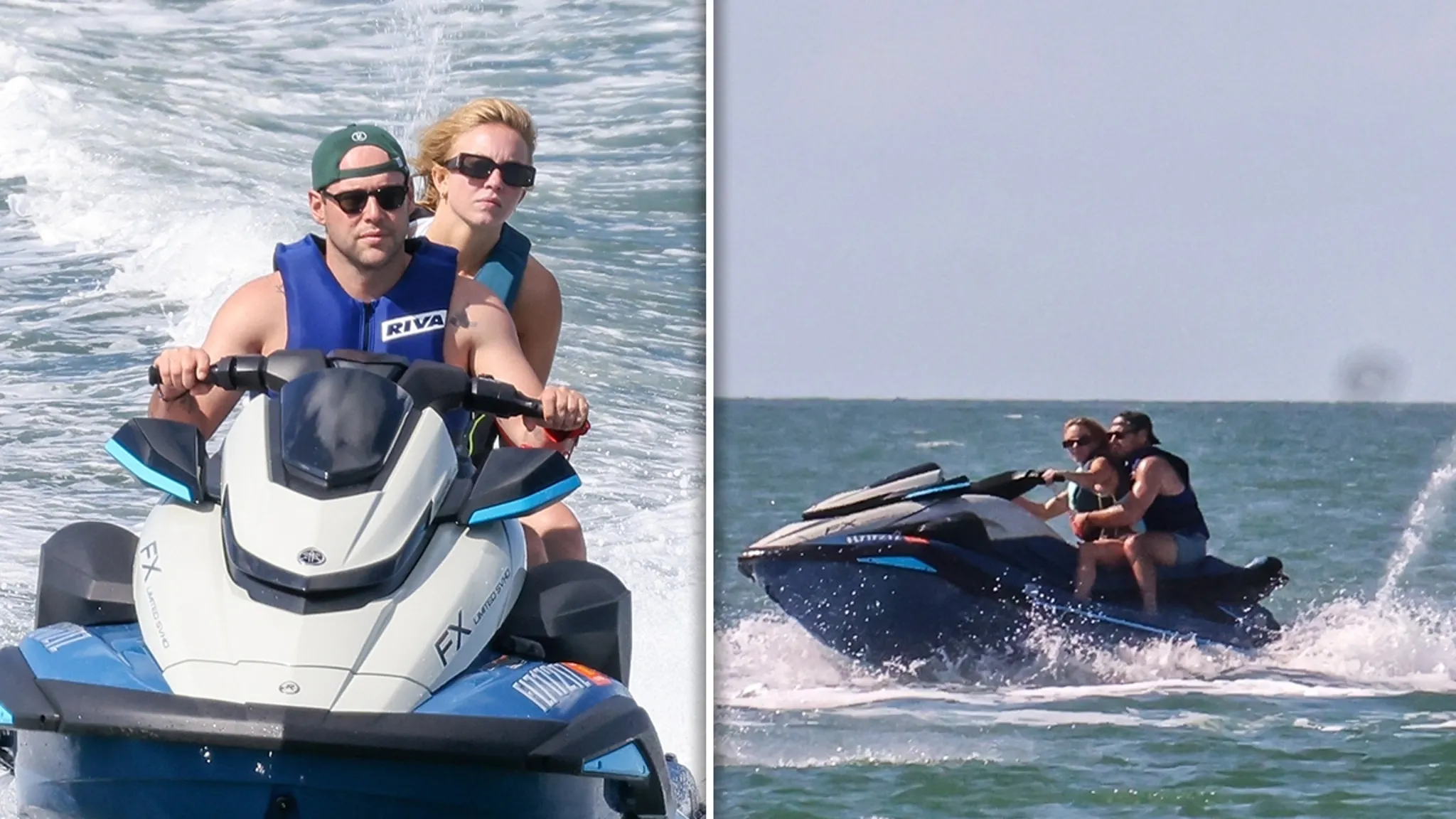
Sydney Sweeney was photographed enjoying a weekend in the Florida Keys with Scooter Braun, showcasing her in a white swimsuit and engaging in poolside fun, amid reports of their romantic relationship following her breakup with her fiancé.
Sydney Sweeney and Scooter Braun were seen enjoying a close and fun Sea-Doo ride in the Florida Keys, indicating a growing and affectionate relationship, with recent outings and shared water activities suggesting they are spending significant time together.
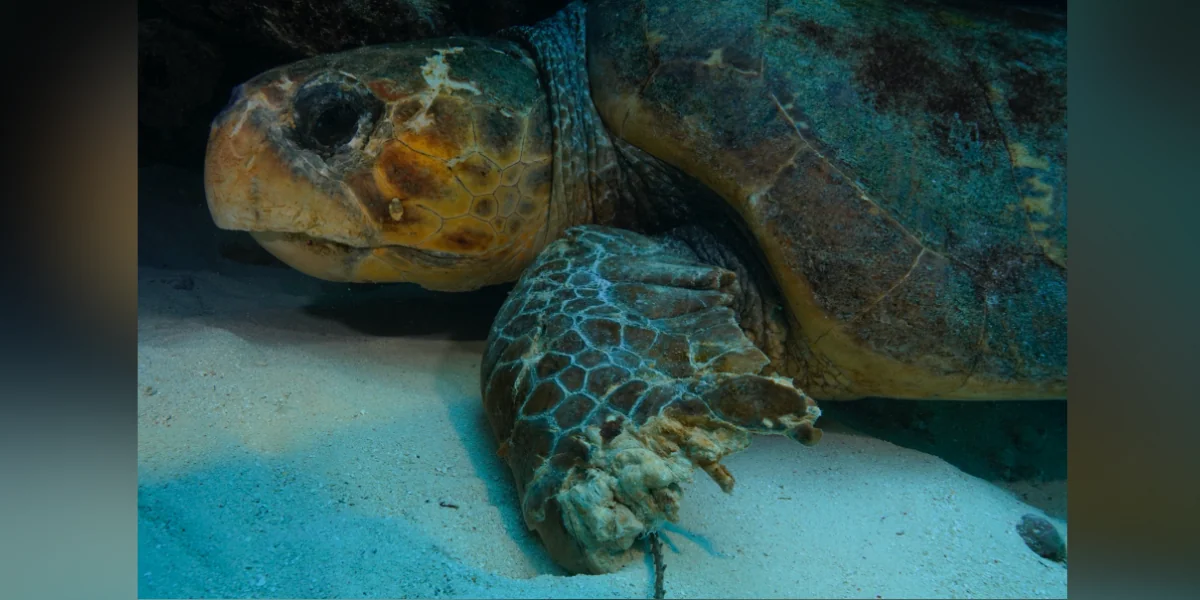
A diver named Mike Papish rescued Lenny, a large injured loggerhead sea turtle, and took him to The Turtle Hospital in Florida, where he received care and was released after two weeks, highlighting the importance of sea turtle conservation and ecosystem health.
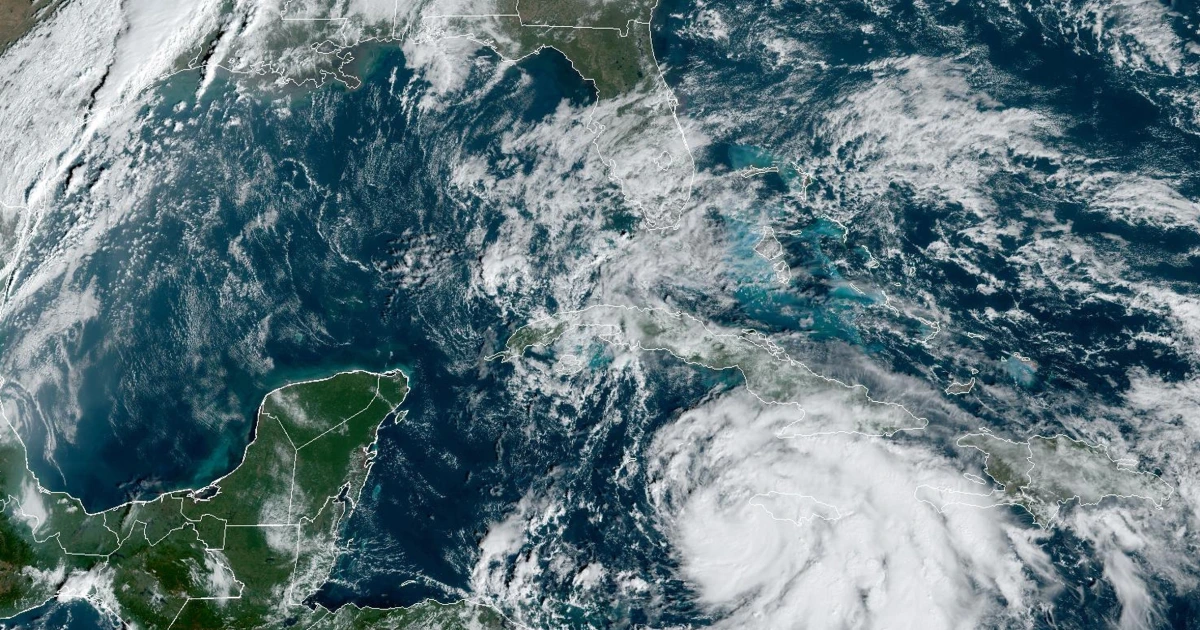
Hurricane Rafael, now a Category 3 storm, made landfall in western Cuba's Artemisa province with winds of 115 mph. The hurricane is expected to move into the southeastern Gulf of Mexico, bringing life-threatening storm surge, damaging winds, and flash flooding to western Cuba. A hurricane warning is in effect for several Cuban provinces, while the Florida Keys are under a tropical storm warning. Heavy rainfall and potential tornadoes are forecasted for the region, with significant storm surge expected along Cuba's southern coast.
Spiny lobsters, which urinate in the water to scare off predatory worms and snails, could help save Florida's dying coral reefs. A study by the Florida Fish and Wildlife Conservation Commission found that these lobsters act as natural predators to coral-damaging creatures, potentially aiding coral restoration efforts. However, significant human intervention is still needed to combat the severe decline in coral health due to climate change and other environmental stressors.
A suspected Russian spy, Vitallii Kovalev, involved in a high-speed car chase in the Florida Keys in 2020, is potentially linked to the mysterious "Havana syndrome." The syndrome, characterized by unexplained health problems, has affected U.S. officials since 2016. Kovalev, who had a top-secret security clearance, reportedly caused pain in an FBI agent who interviewed him. After serving prison time, Kovalev's whereabouts have been obscured, with reports suggesting he returned to Russia and is now deceased. The Office of the Director of National Intelligence found it "unlikely" that a foreign adversary caused the ailments, while a NIH study found no brain injuries among those affected.
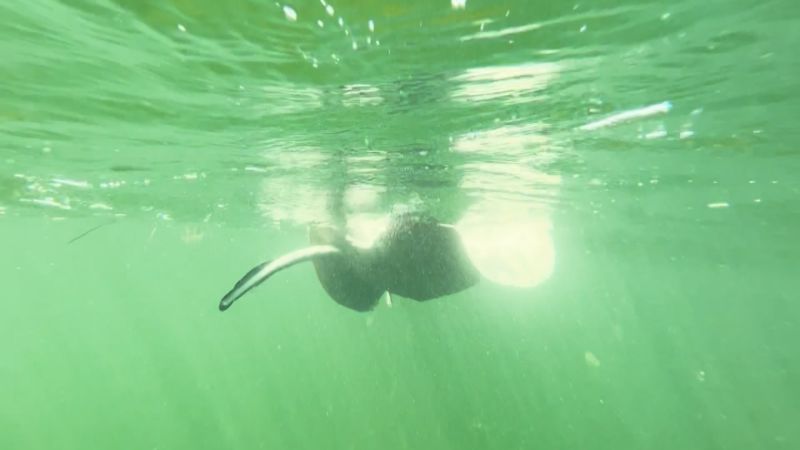
A lifelong diver in the Florida Keys has witnessed a disturbing phenomenon involving fish exhibiting bizarre behaviors such as spinning upside-down and then dying, with nearly 200 incidents logged by wildlife officials across over 30 species. Marine scientists are urgently working to determine the cause of this mysterious and concerning occurrence.
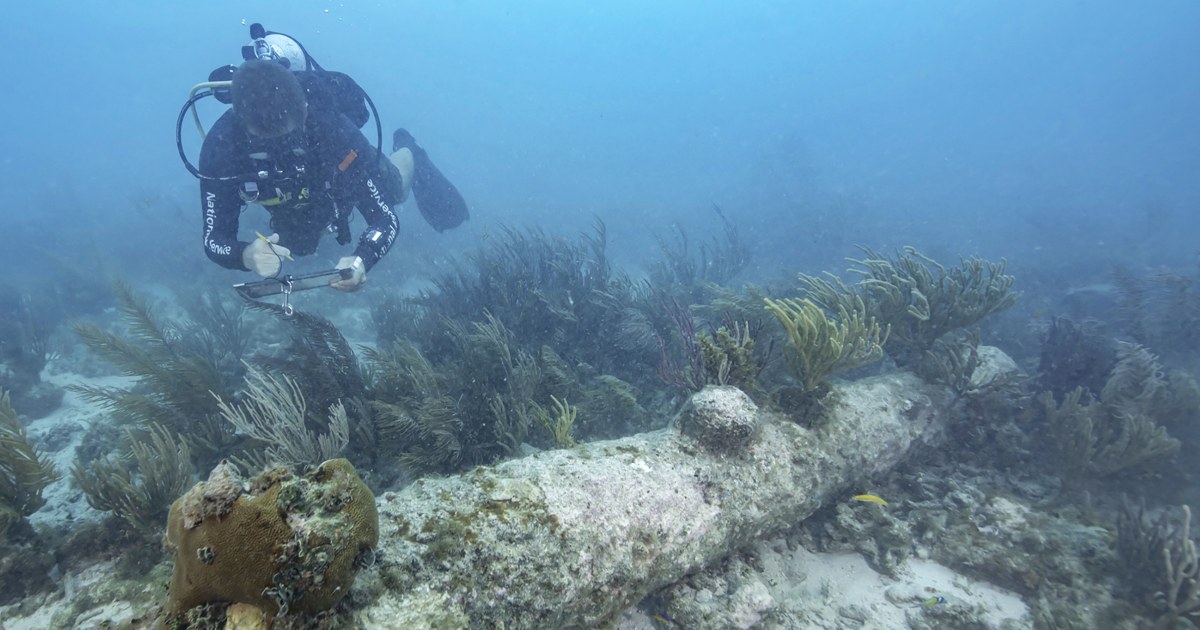
Researchers have definitively identified the HMS Tyger, a British warship that sank off the coast of Florida in 1742. The ship struck a coral reef and, despite attempts to save it, eventually sank, leaving around 280 crew members to abandon ship. National Park Service archaeologists matched preserved logbook entries to five cannons found near the wreckage, confirming the ship's identity. Survivors were marooned for 66 days on Garden Key, where they built fortifications and ultimately made a 55-day trek to British-controlled Port Royal, Jamaica using salvaged materials from the ship.
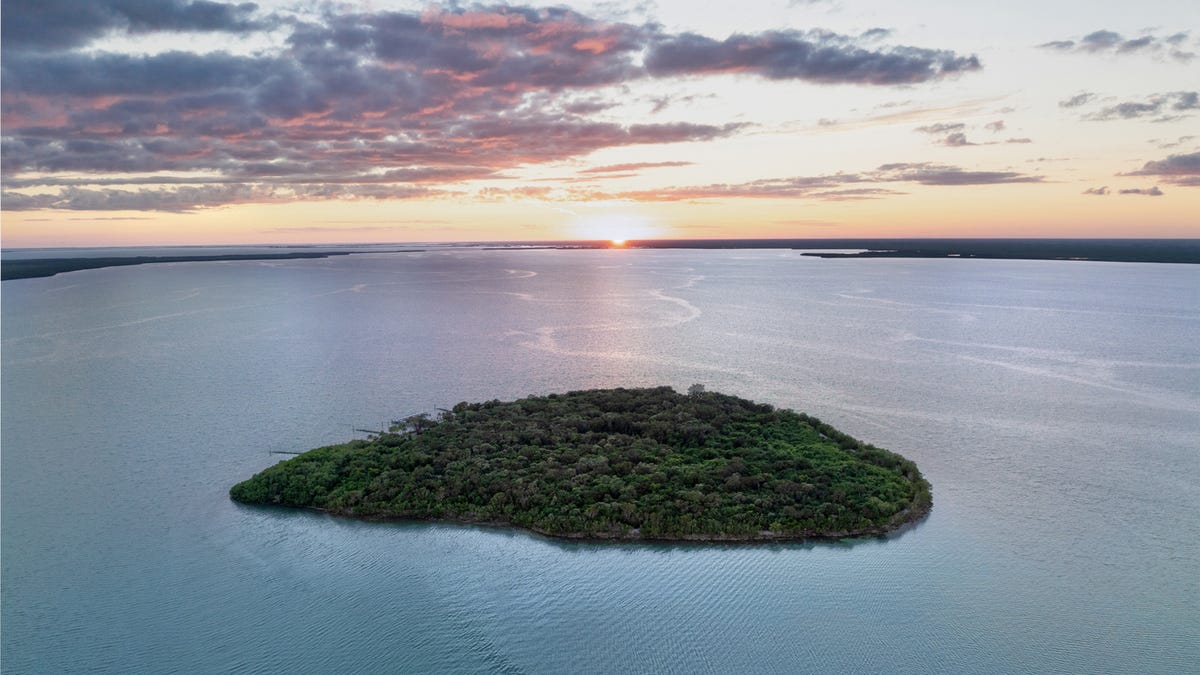
Pumpkin Key, a 26-acre private island in the Florida Keys, is listed for $75 million and includes a mainland home in Key Largo. The estate offers multiple amenities, including a 23-slip marina, tennis courts that convert into a helicopter pad, and various residential structures. The property is being marketed as a family compound or a potential development opportunity.
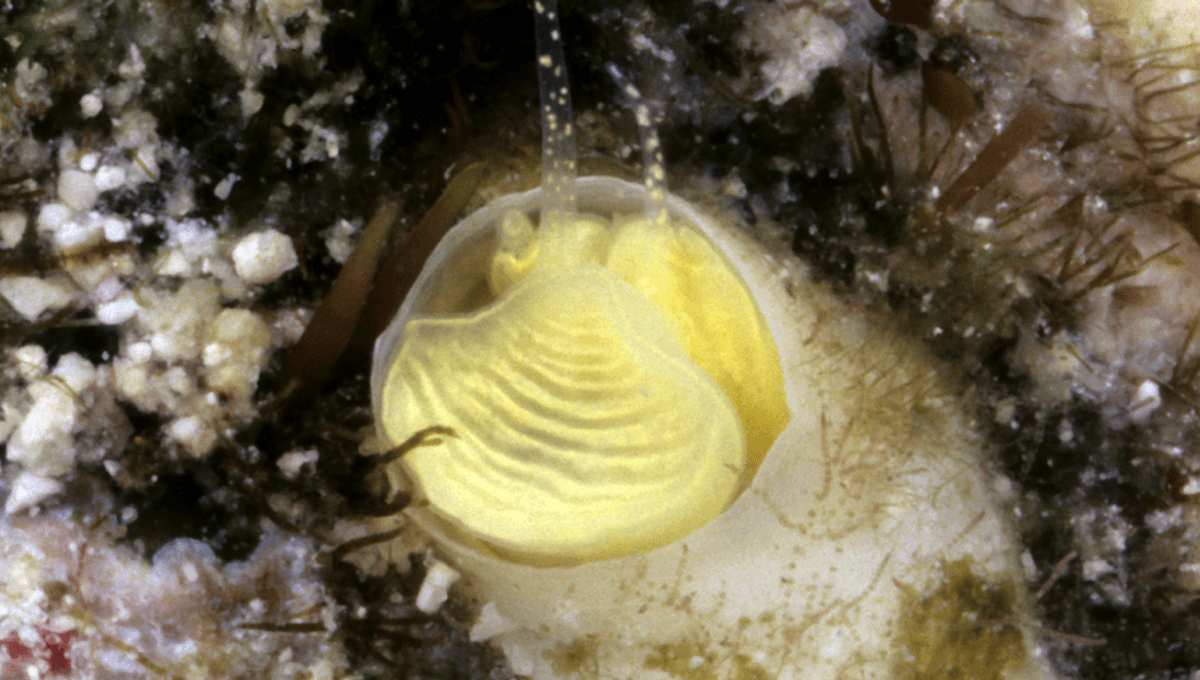
Scientists have discovered two new species of snails, known as margarita snails, in the Florida Keys and Belize. These snails have permanently cemented shells and feed by laying out mucus webs to trap plankton and detritus. Initially thought to be the same species, DNA sequencing revealed significant differences between the two snails. The Florida Keys snail has been named Cayo margarita, while the snail in Belize is called Cayo galbinus. The vibrant yellow color of these snails may serve as a warning to potential predators, as they produce defensive metabolites in their mucus.
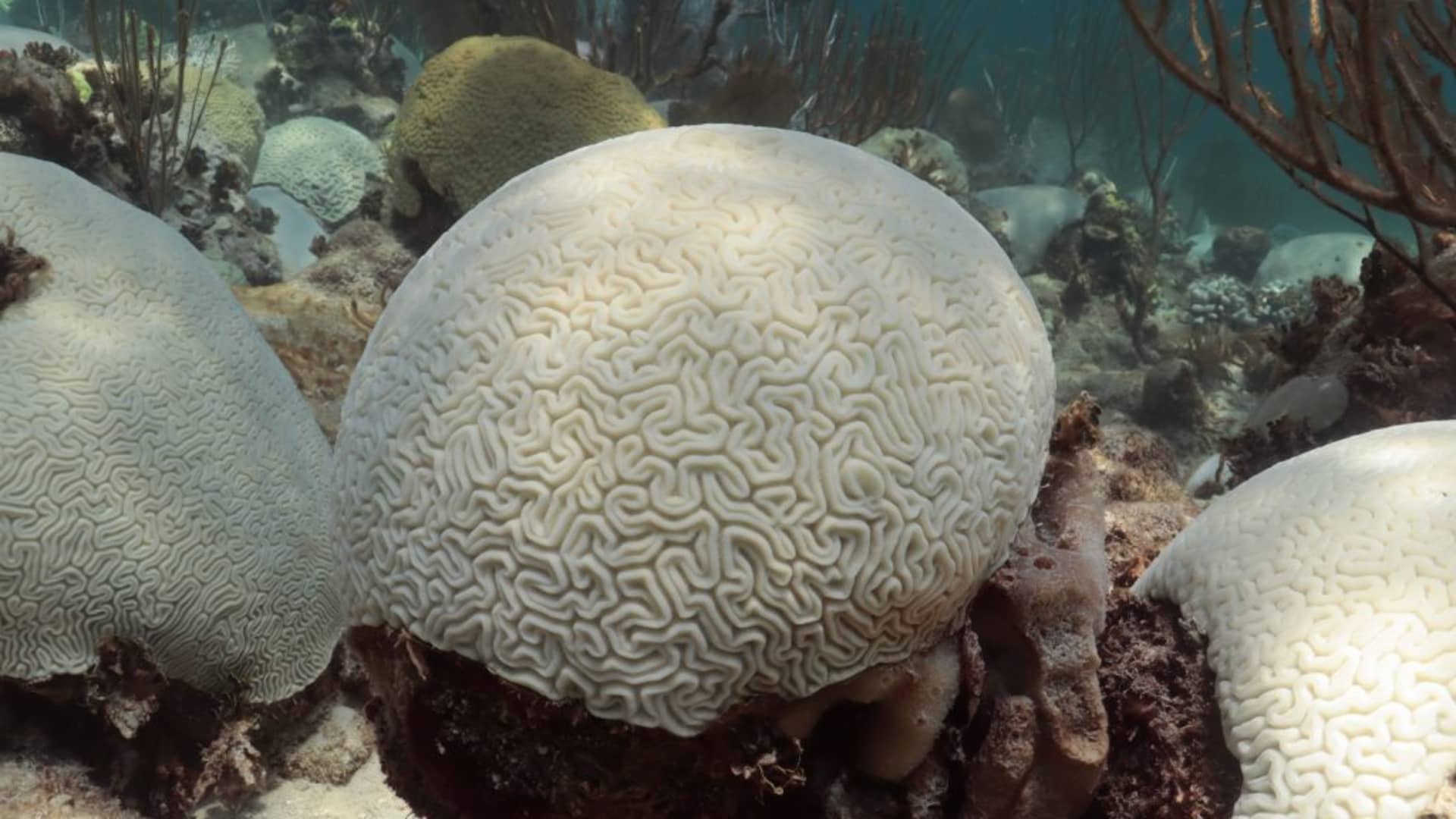
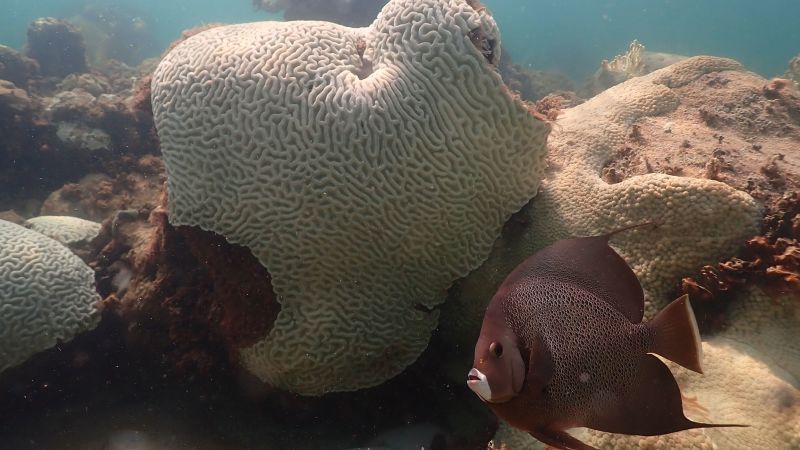
Coral reefs off the coast of Florida are experiencing a mass bleaching event due to record high ocean temperatures, with early indications suggesting a global mass bleaching event may be underway. The damage to Florida's reefs could have significant economic impacts, as they provide billions of dollars worth of economic benefits, support fisheries and tourism, and act as a natural defense against storms. Coral bleaching has also been observed in other regions, indicating a widespread problem. Scientists are undertaking a massive effort to rescue and protect corals, but the severity and duration of the current heat stress pose a major challenge.
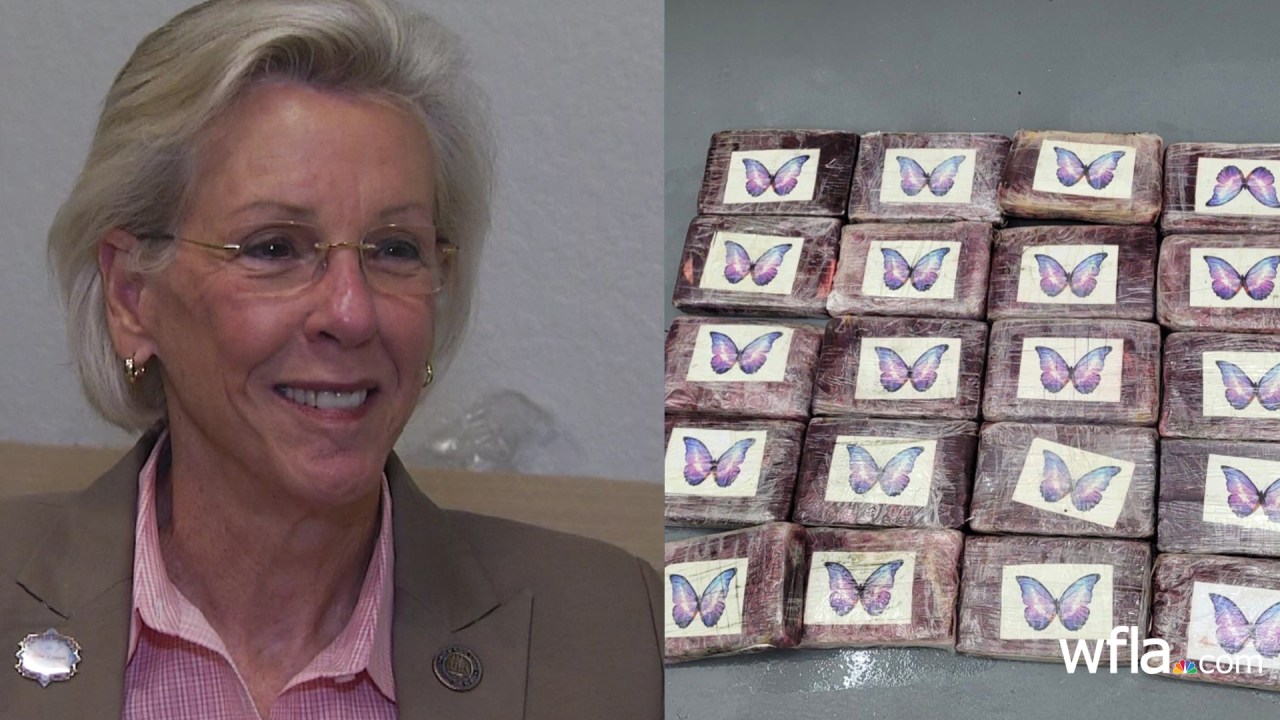
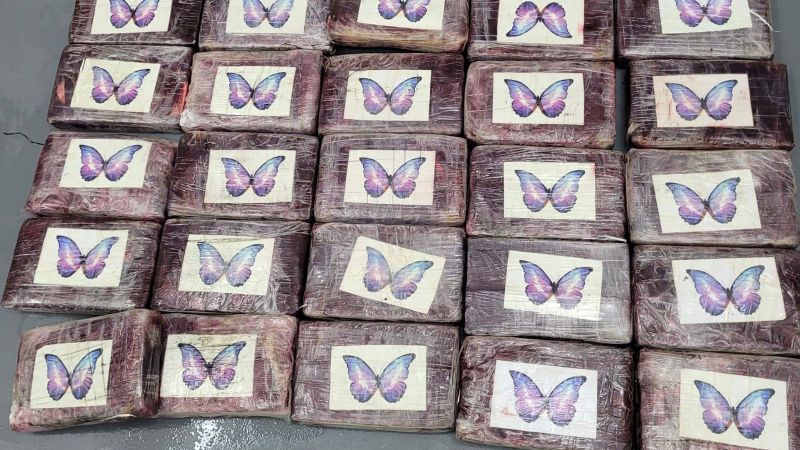
Tampa Mayor Jane Castor, a former police chief, discovered a large shipment of cocaine weighing 70 pounds and valued at $1.1 million during a fishing trip in the Florida Keys. Castor and her family found the cocaine bale while fishing around debris, and she immediately recognized it as drugs due to her background in narcotics. They reported the find to the authorities, and U.S. Border Patrol agents seized the narcotics.
Tampa Mayor Jane Castor and her family discovered and hauled in a package containing 70 pounds of cocaine, worth approximately $1.1 million, while fishing in the Florida Keys. Castor reported the drugs to the authorities, who took custody of the cocaine. Castor, a former police chief, spent 31 years with the Tampa Police Department before becoming mayor.
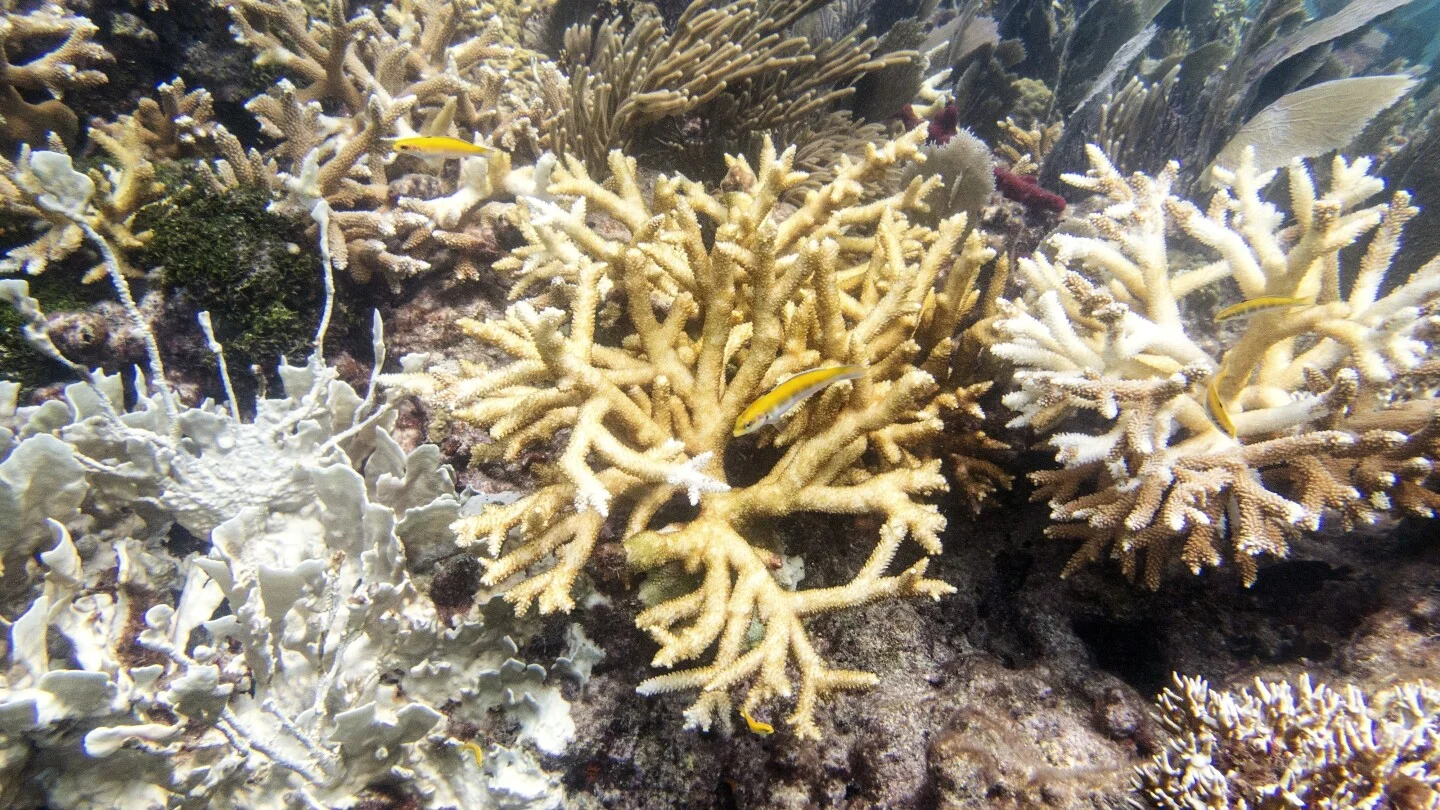
A mass coral bleaching event and die-off is occurring in the Florida Keys as ocean temperatures surge to unprecedented levels, with some areas reaching 100 degrees Fahrenheit. Reefs are rapidly bleaching or dying, and experts predict complete mortality within a week. The extreme heat, combined with a lack of rain and wind, has pushed water temperatures to some of the highest ever recorded. Scientists are conducting an urgent rescue operation, removing genetically important coral species from the ocean and placing them in nurseries to protect them from the intense heat. The saved coral will be used to learn which species can survive warmer oceans and to rebuild Florida's reefs after the bleaching event.
Record-high water temperatures in the Florida Keys are causing coral reefs to bleach weeks earlier than usual, putting their health at risk. The corals, which should be vibrant and colorful, are turning pale and white due to stress. Scientists have raised the coral bleaching warning system to Alert Level 2, the highest heat stress level, as water temperatures continue to rise. The loss of coral reefs has significant impacts on marine life, storm surge protection, and tourism. Efforts are underway to rebuild Florida's coral reefs, including breeding heat-resistant corals and implementing cooling measures. However, urgent action is needed to address climate change and reduce greenhouse gas emissions to ensure the survival of coral reefs.