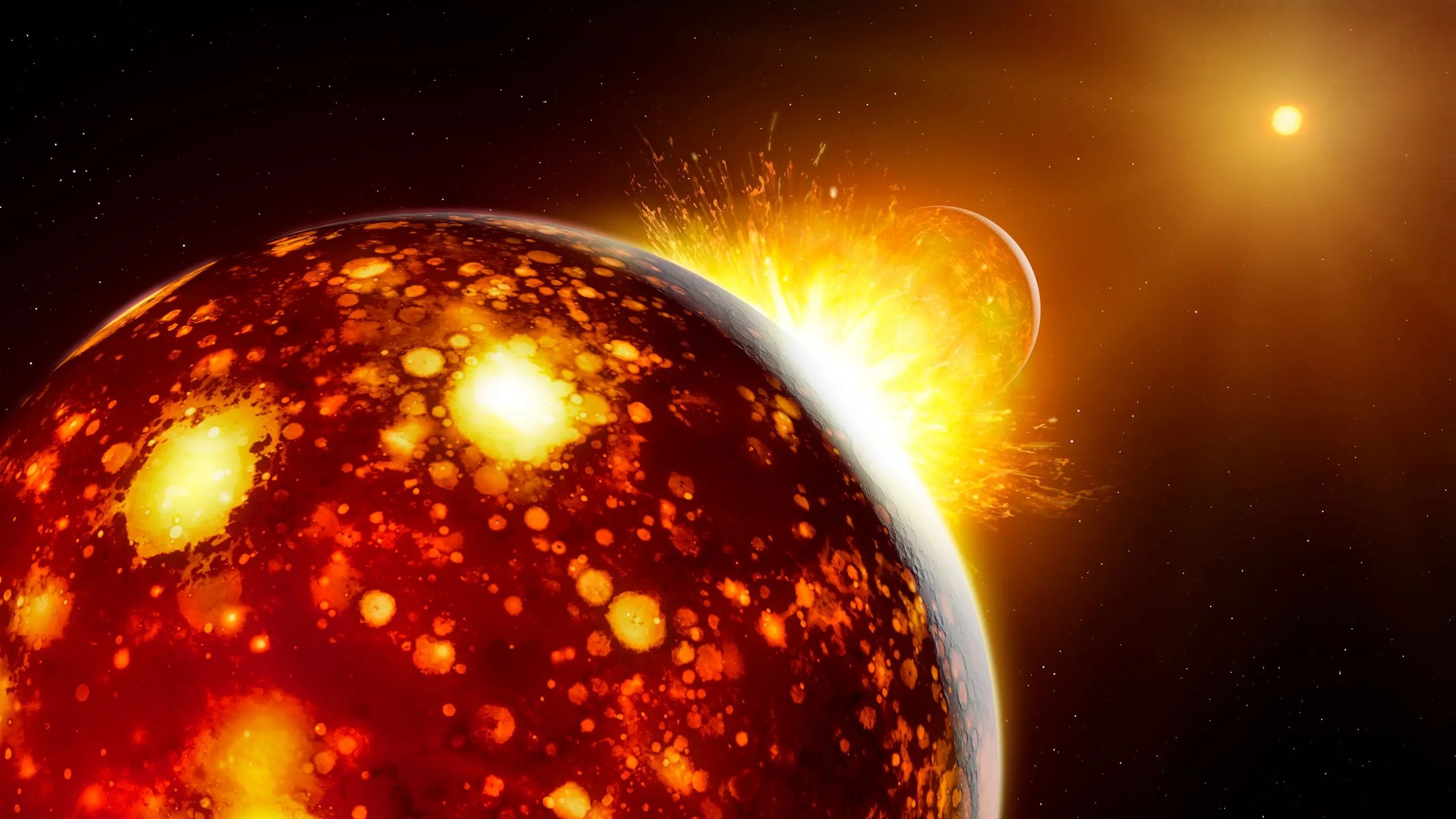
New research suggests that a sibling planet, Theia, once orbited close to Earth and may have caused the giant impact that formed the moon, revealing that Earth and Theia were likely local siblings formed in the inner solar system.
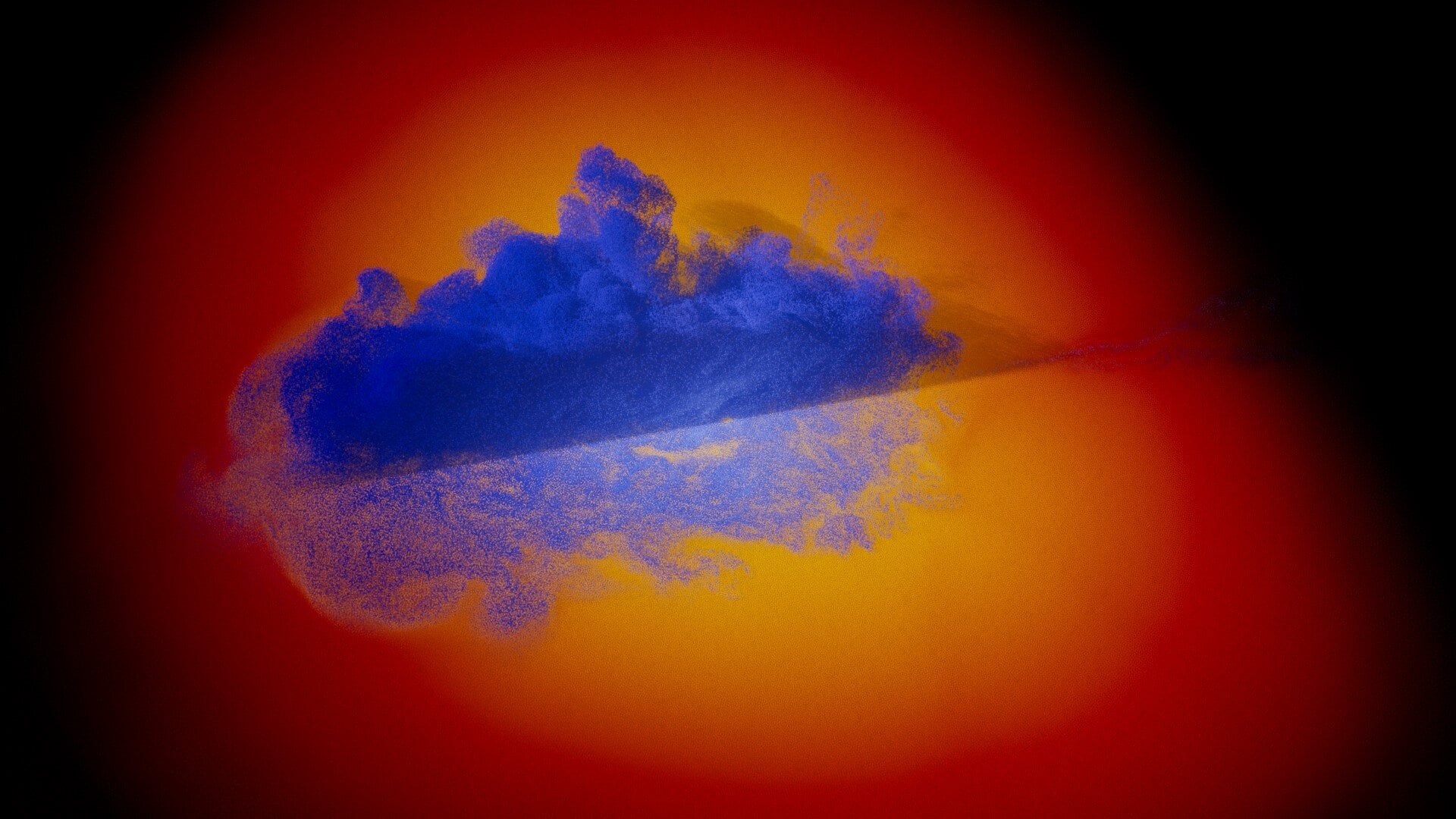
A Durham University study using supercomputer simulations suggests that Jupiter's dilute core was not formed by a giant impact, but likely resulted from the planet's gradual absorption of materials during its formation, challenging previous theories about its interior structure.
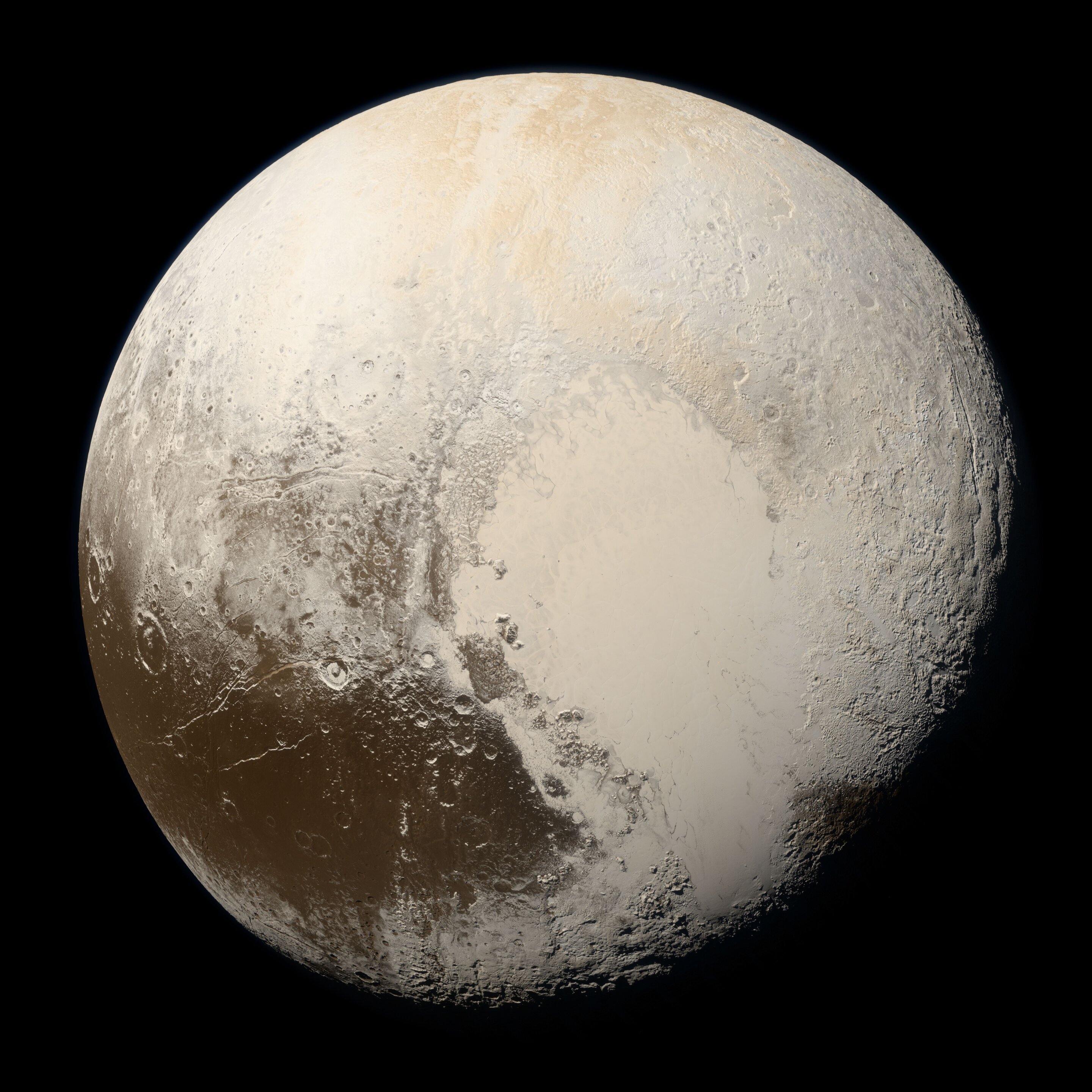
An international team of astrophysicists has solved the mystery of the heart-shaped feature on Pluto's surface, attributing it to a giant and slow oblique-angle impact. Using numerical simulations, the team determined that a collision with a planetary body about 700 km in diameter formed the feature, known as Sputnik Planitia. The study also suggests that Pluto's internal structure is different from previous assumptions, indicating no subsurface ocean. This research sheds new light on the origins of Pluto and its unique surface features.
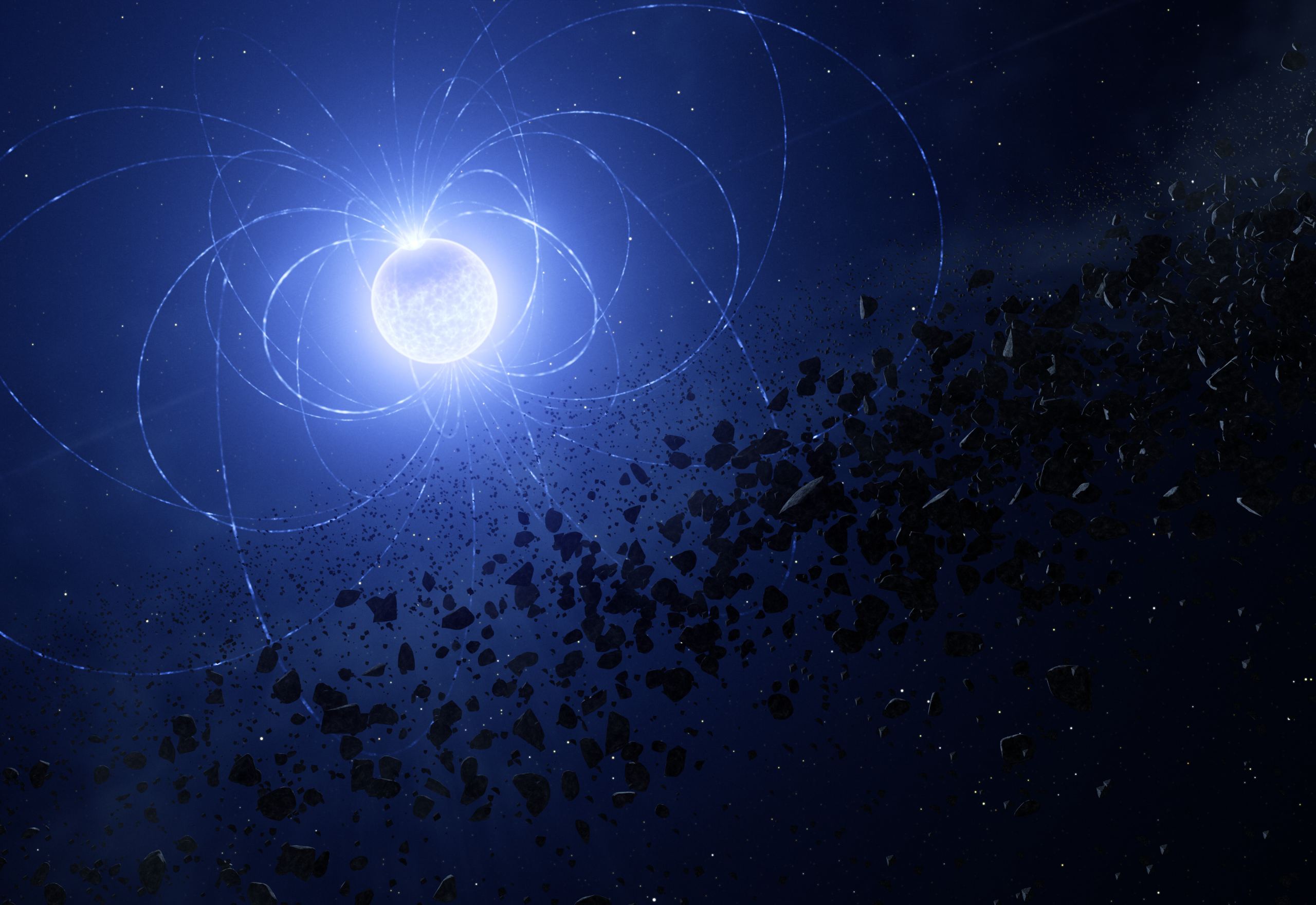
Astronomers have observed the impact site where an asteroid collided with a white dwarf star, providing insight into the fate of planetary systems. The study of a "polluted" white dwarf revealed a localized region of metallic elements, indicating a single impact event rather than gradual accretion. This suggests that planets can be dragged into a white dwarf during the red giant stage, potentially foreshadowing Earth's fate as the Sun evolves. The findings highlight the diverse outcomes for planetary systems, including rogue planets, exoplanets orbiting dead stars, and the scars of planetary impacts on white dwarfs.