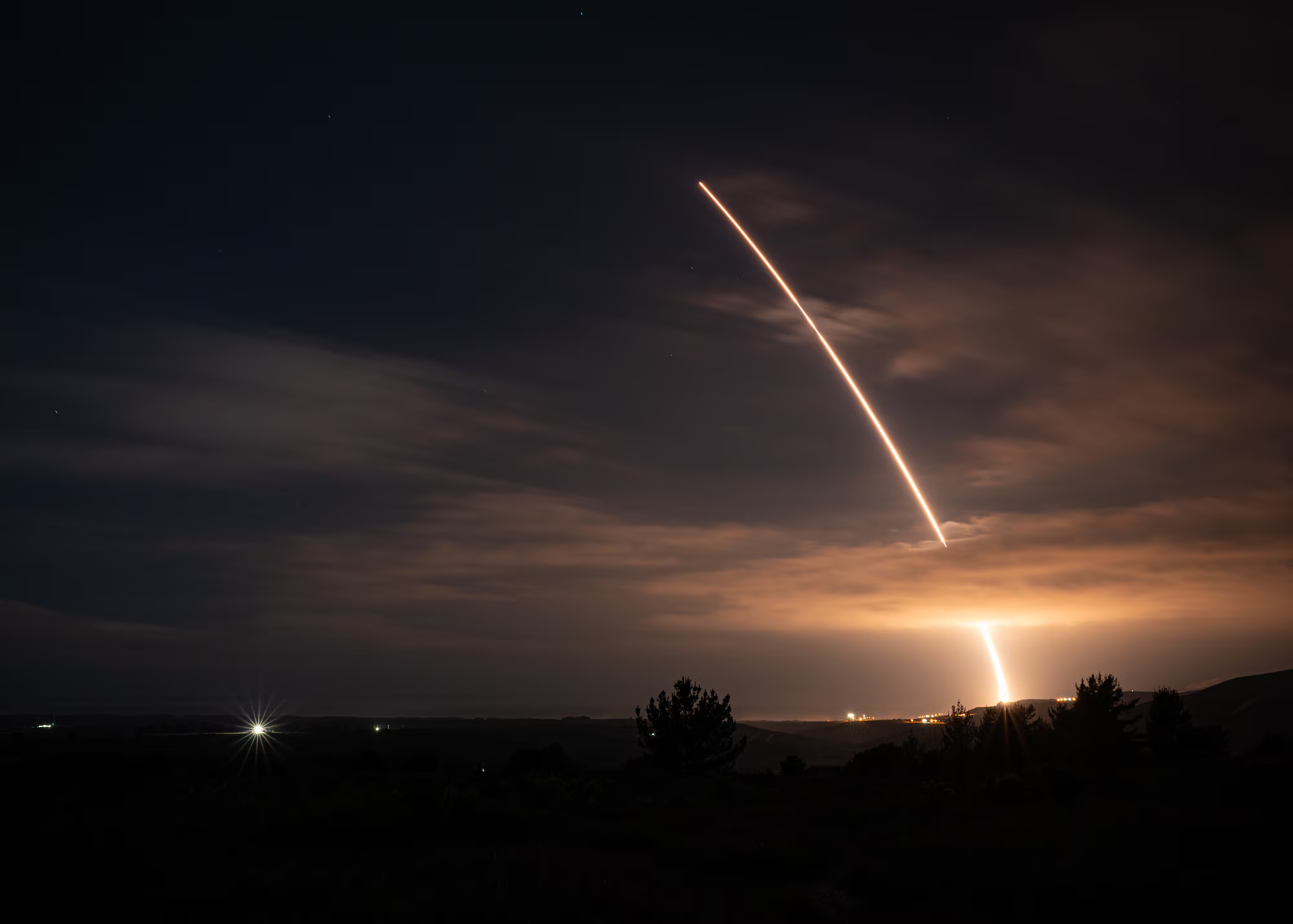
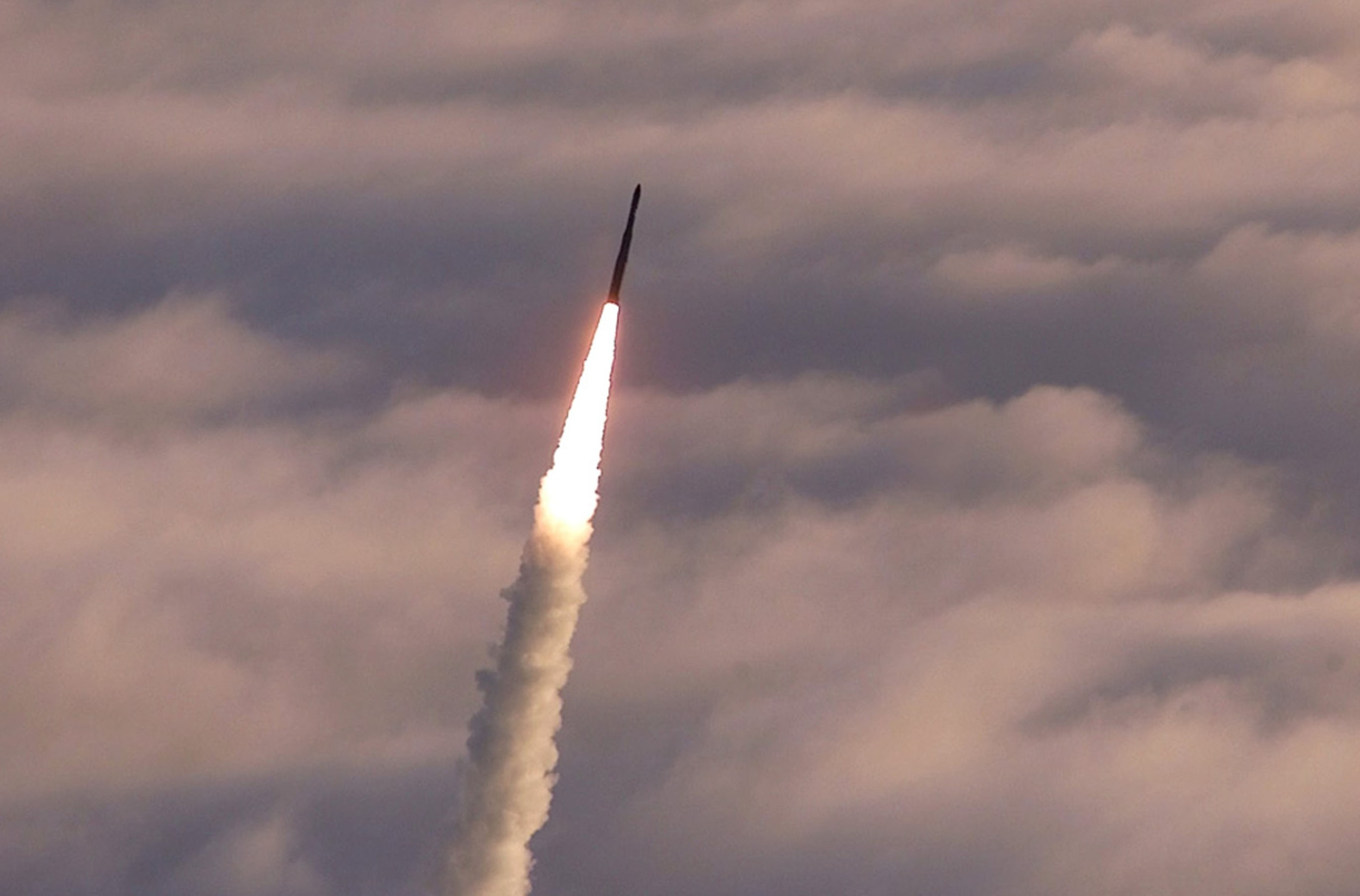
The U.S. Air Force conducted a successful test launch of an unarmed Minuteman III ICBM from Vandenberg AFB to assess its reliability, accuracy, and readiness, supporting ongoing national defense efforts and the modernization of its missile force.
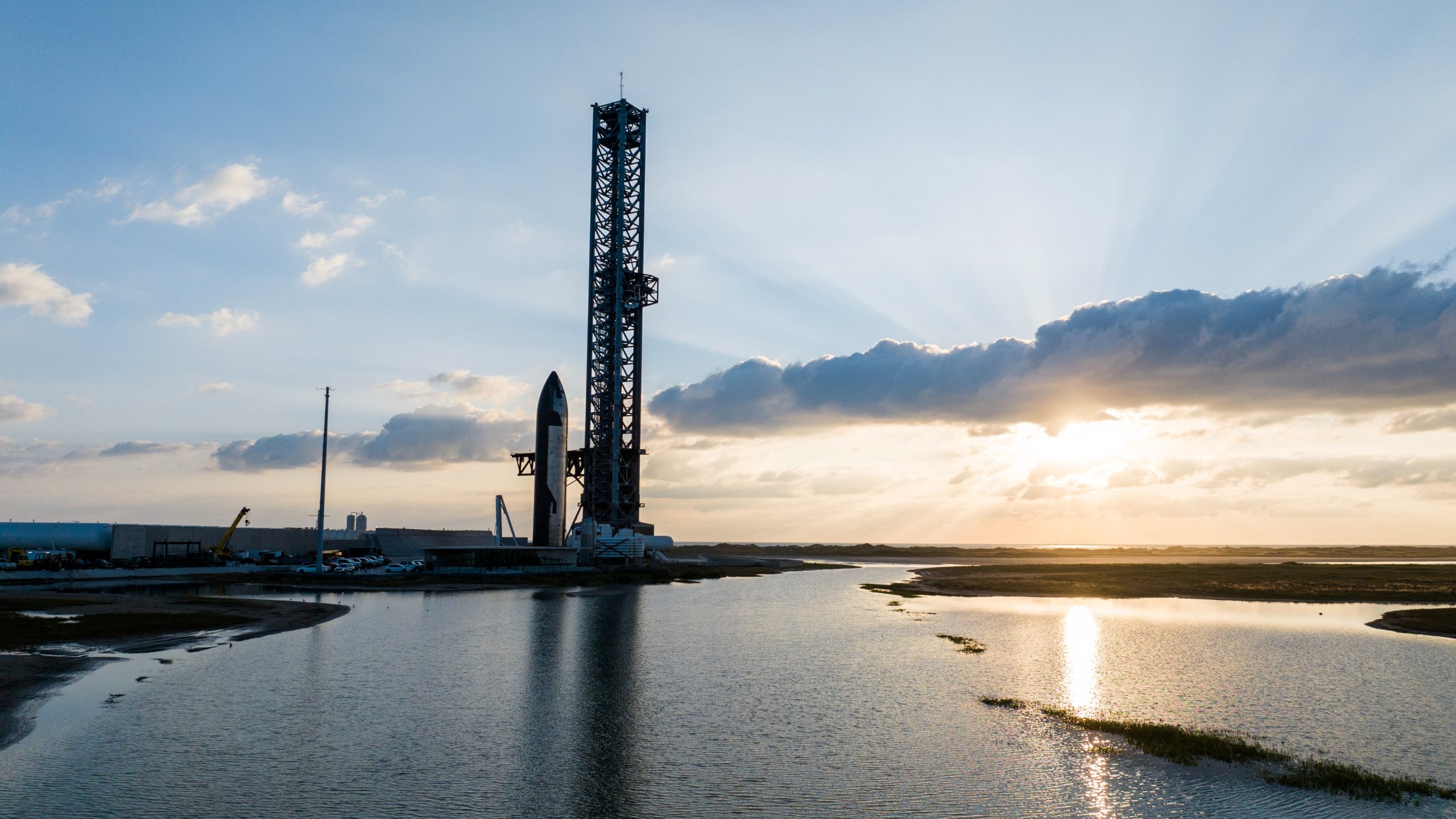
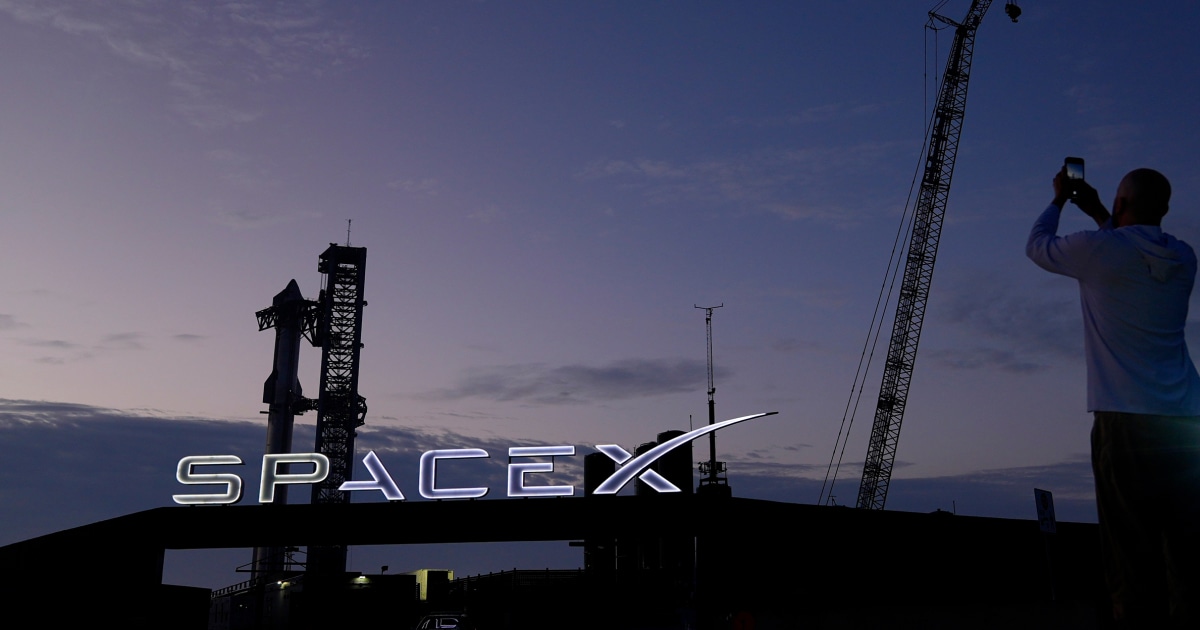
SpaceX is preparing for its sixth Starship test launch, with operations scheduled in Brownsville, Texas, from November 18-20. CEO Elon Musk aims to eventually catch both the booster and upper stage, though this is not expected until next year. The Starship program is crucial for Musk's vision of sending uncrewed missions to Mars in two years, followed by crewed missions two years later, as part of a plan to establish human presence on Mars.
The US conducted a planned test launch of an unarmed Minuteman III intercontinental ballistic missile from Vandenberg Space Force Base, emphasizing that such tests are routine and not linked to current global tensions. The missile traveled 4,200 miles to the Marshall Islands, showcasing the US's nuclear deterrent capabilities. This follows a previous failed test in November, highlighting the importance of a successful launch.
Russia's Defense Ministry has announced a successful test launch of an intercontinental ballistic missile at the Kapustin Yar testing range, affirming the stability and high reliability of Russian missiles for strategic security, without specifying the type of missile tested.
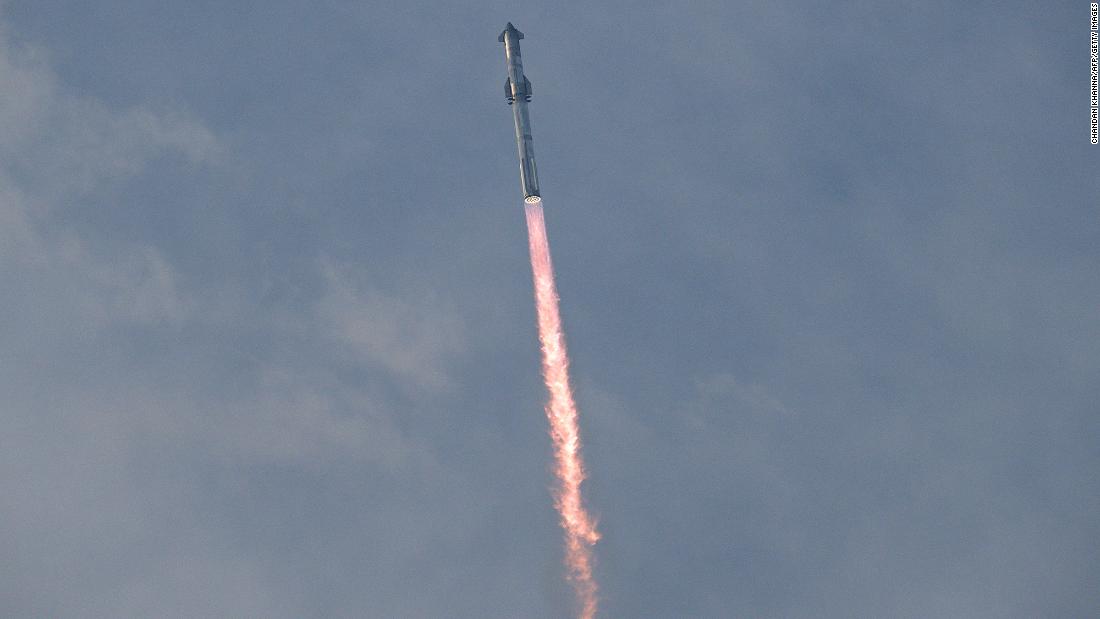
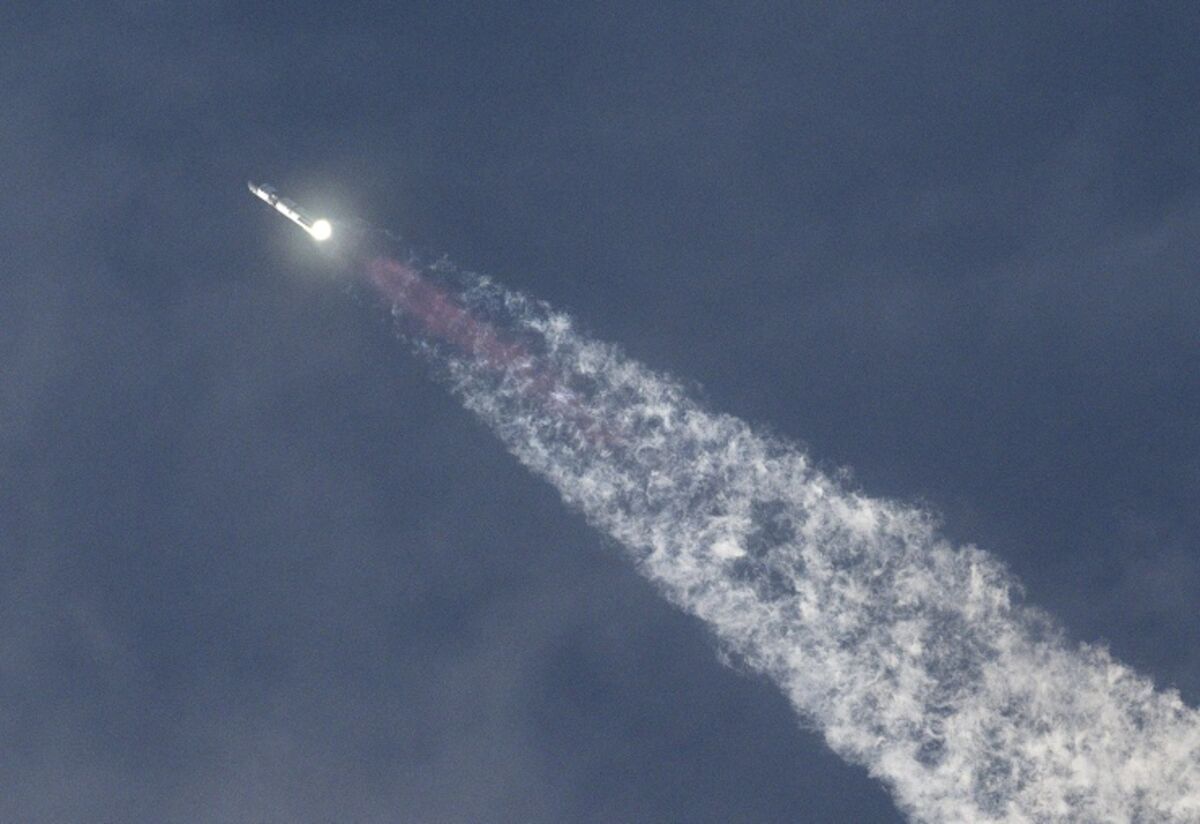
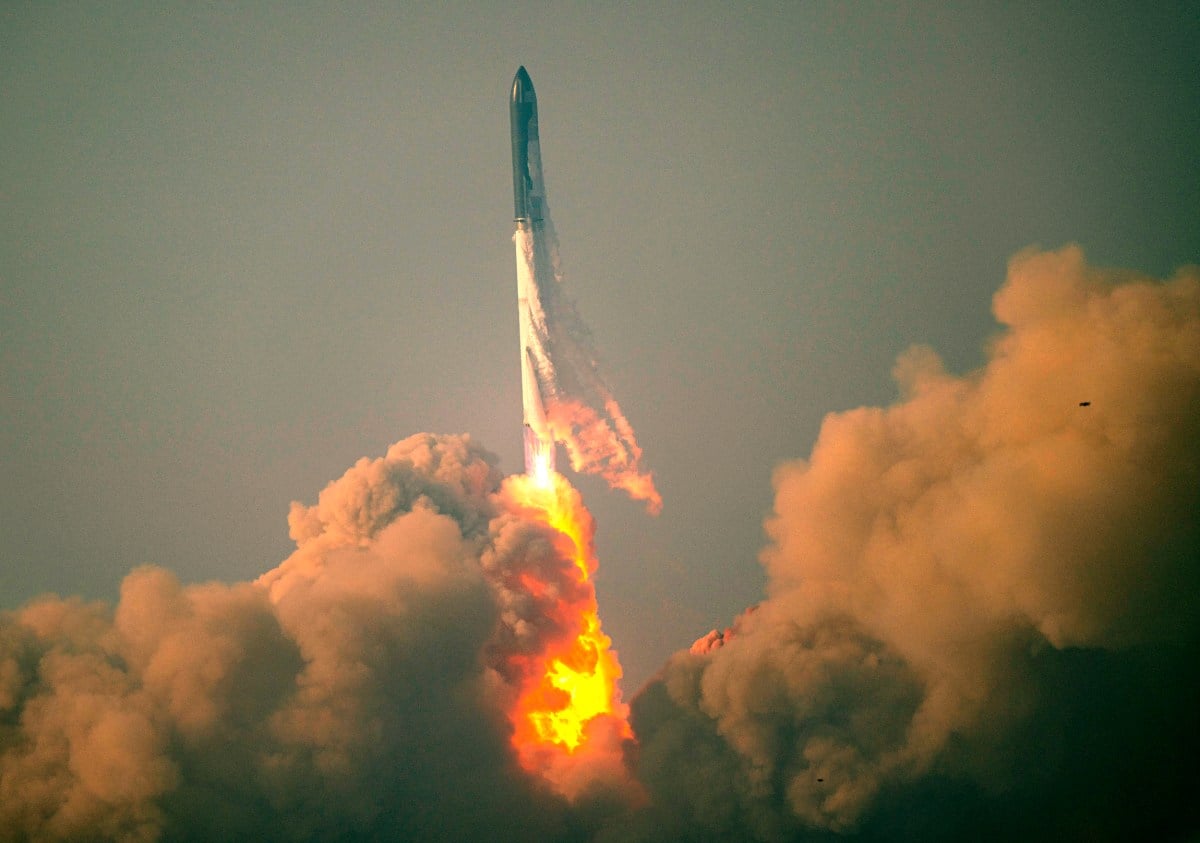
SpaceX's Starship rocket completed its third test flight, reaching new milestones before likely breaking apart. The spacecraft made it to orbital speeds, the Super Heavy booster and Starship reached further into flight than previous tests, and SpaceX completed a propellant transfer demonstration. Despite the destruction of the Starship spacecraft and uncertainty about the Super Heavy booster's landing, NASA Administrator Bill Nelson congratulated SpaceX, emphasizing the spacecraft's critical role in the Artemis program. SpaceX CEO Elon Musk pledged that Starship will "make life multiplanetary," while Blue Origin's Jeff Bezos offered congratulations, and SpaceX's COO Gwynne Shotwell celebrated the mission's success.
SpaceX is preparing for the third test launch of its Starship rocket, which is crucial for future moon missions. The 400-foot-tall rocket will demonstrate new technologies and techniques, including controlled re-entry and propellant transfer in orbit. The launch, set for Thursday morning from Texas, aims to pave the way for satellite deployment and NASA's Artemis program. If successful, Starship could carry astronauts to the moon as early as 2026.
SpaceX's Starship rocket completed a critical test, reaching new heights before being lost during its return to Earth. The mission showcased the craft's capabilities and brings the company closer to using it for satellite launches and eventually human missions to the moon and Mars, aligning with CEO Elon Musk's ambitious goals.
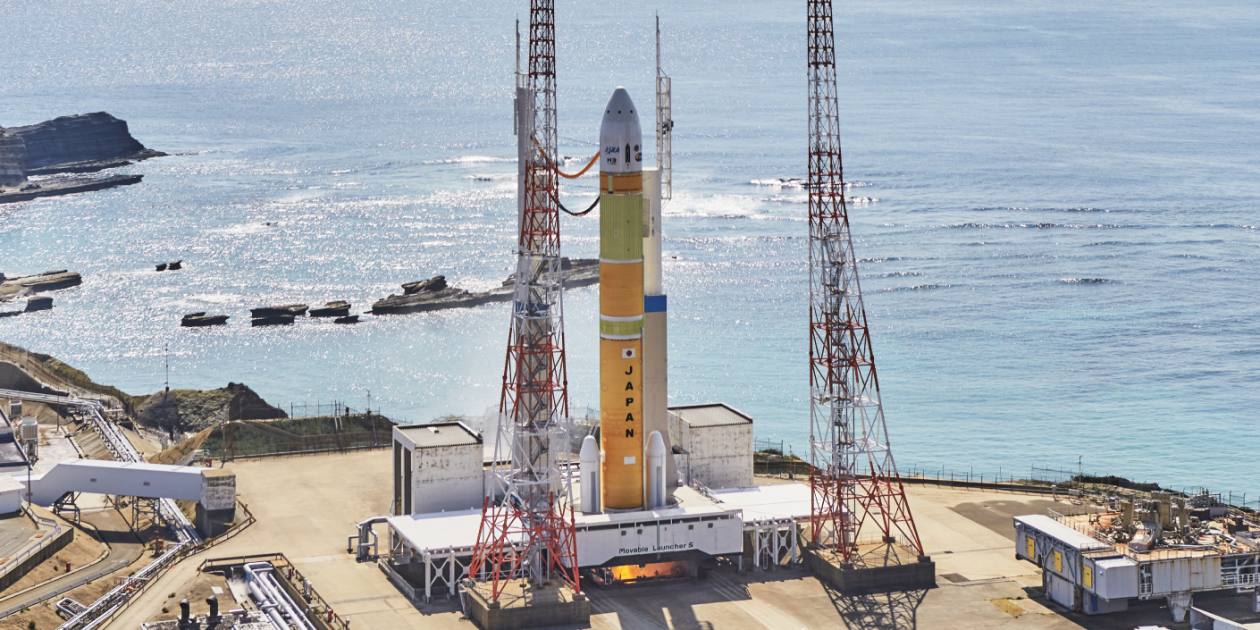
Japan's manufacturing reputation is at stake as the test launch of the H3 Launch Vehicle, the country's next-generation space rocket, has been delayed due to bad weather. The rocket's production involves a five-story workshop in Aichi, known for its agricultural industry, where aluminum pipes for liquid oxygen and hydrogen are manufactured. The upcoming launch is a crucial second attempt following a failed launch last year that had a significant impact on Japan's manufacturing sector.
SpaceX's Super Heavy Starship, the most powerful rocket ever built, experienced a mixed outcome during its second test flight as it successfully separated from its first-stage booster but then both the booster and the Starship exploded separately.
Space Launch Delta 30 terminated an unarmed Minuteman III intercontinental ballistic missile during a test launch due to an anomaly. A Launch Analysis Group is being formed to investigate the cause, which will include representatives from various organizations. The test launch program helps evaluate the Minuteman III and gather data for system effectiveness. Air Force Global Strike Command aims to ensure the continued reliability and accuracy of the Minuteman III, which will eventually be replaced by the LGM-35A Sentinel.
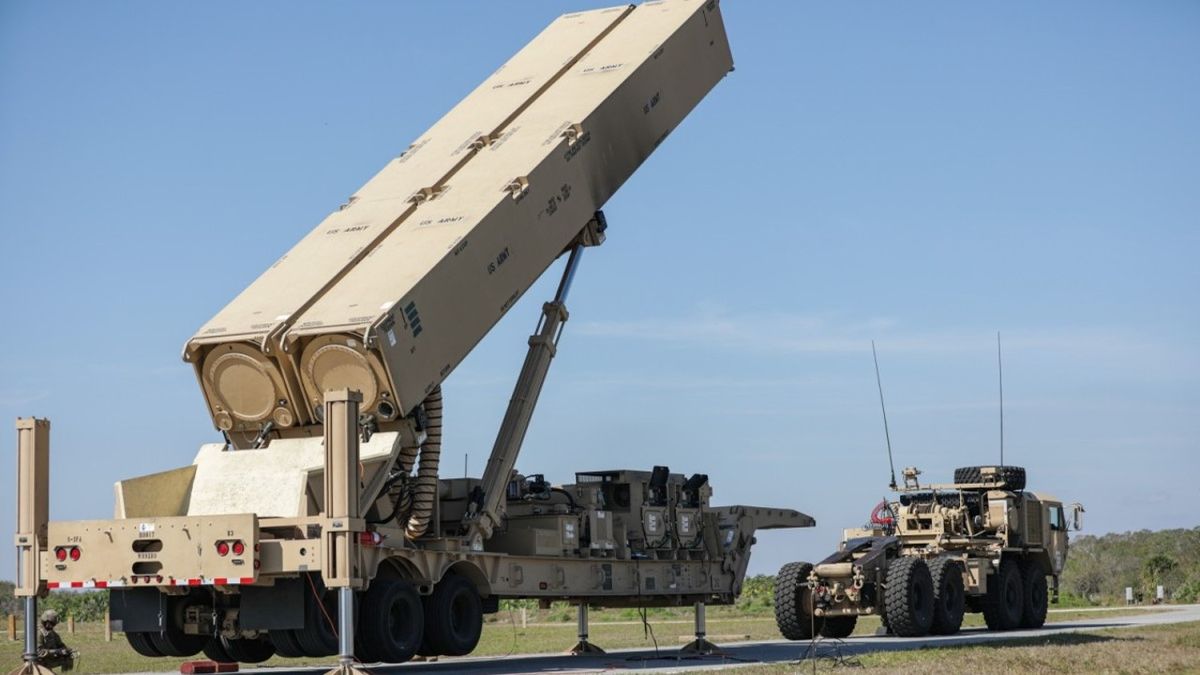
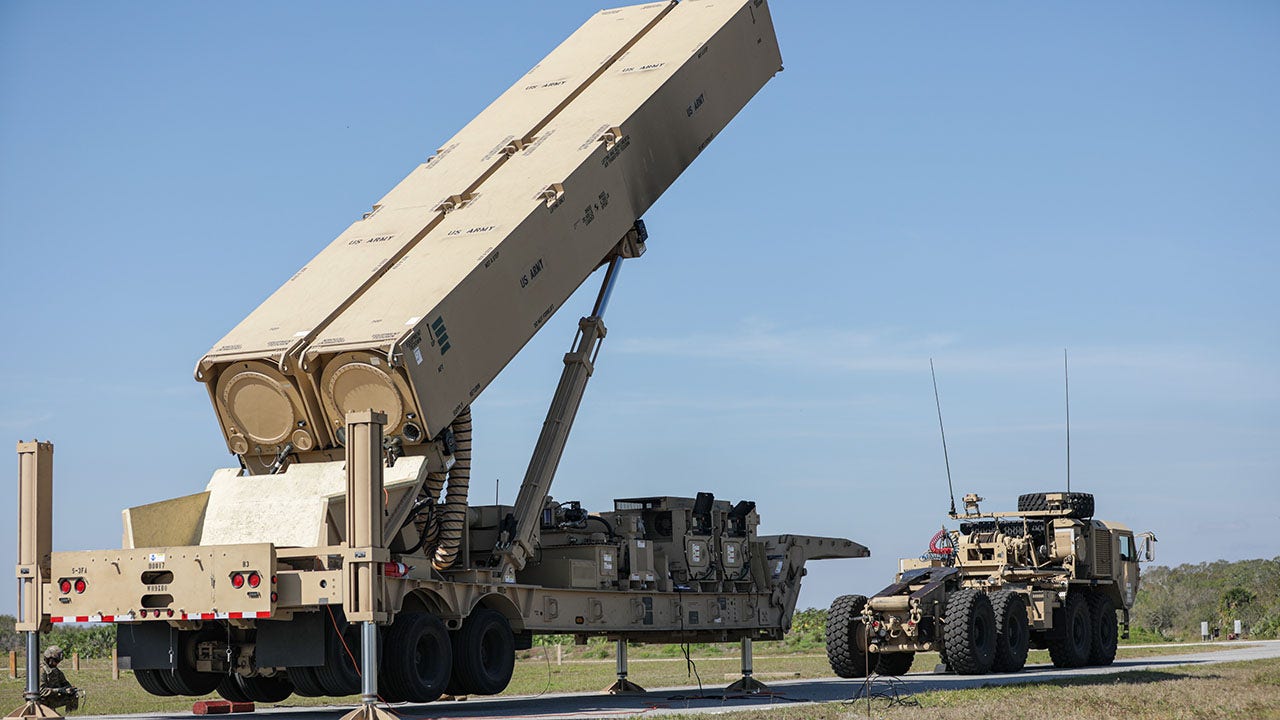
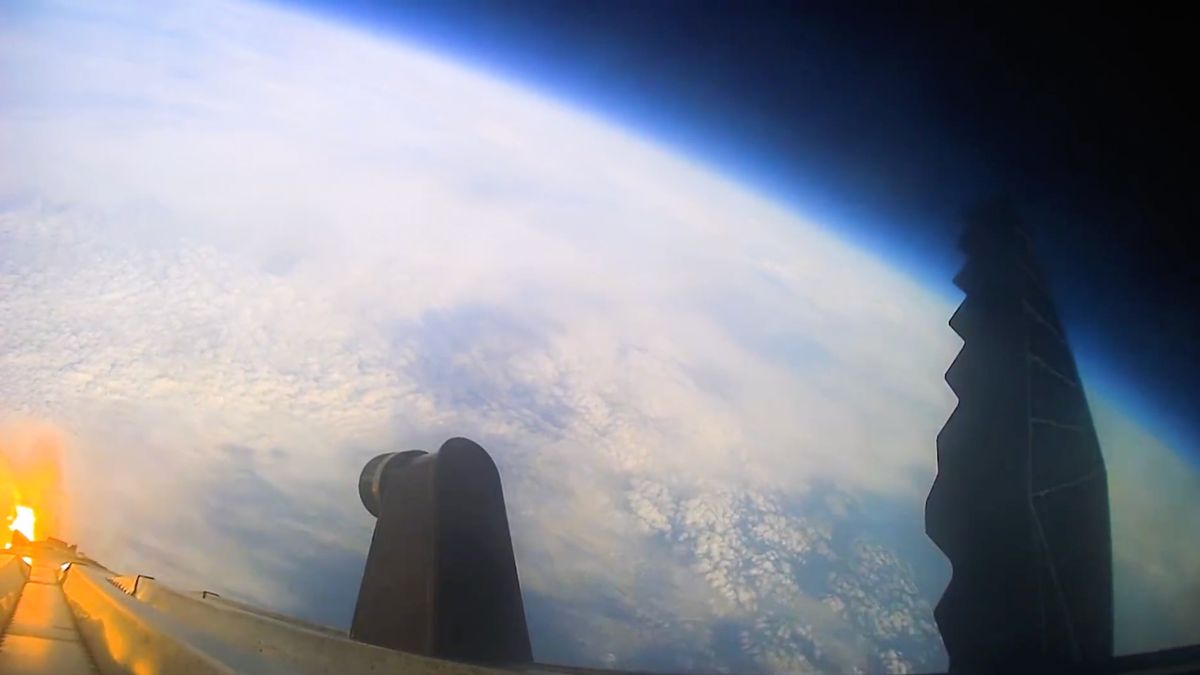
The US military has canceled a planned test launch of a new hypersonic missile system from Cape Canaveral Space Force Station in Florida. No reason was given for the cancellation, but the Department of Defense stated that the test was still useful in collecting data for the program's development. The Long Range Hypersonic Weapon (LRHW), a land-based missile system, is believed to be the system under test. The LRHW consists of a solid-fuel rocket booster and a hypersonic glide vehicle (HGV) that can glide towards its target at speeds above Mach 5, making it difficult to track and intercept.
The US Army has reportedly canceled another test of its Long-Range Hypersonic Weapon (LRHW) at the Cape Canaveral Space Force Station in Florida due to pre-flight checks. The LRHW, developed in coordination with the US Navy, is a ground-launched missile equipped with a hypersonic glide body and has a reported range of 1,725 miles. The Army aims to deploy the LRHW by the end of the year, while the Navy plans to use the same missiles on its Zumwalt-class stealth destroyers and Block V Virginia-class submarines.
Russia is investigating whether a North Korean nuclear missile landed in its waters during a test launch. The test-fire of the Hwasong-18 missile, considered the core of North Korea's nuclear arsenal, was seen as a warning to its enemies, including the United States. Japan, South Korea, and the US condemned the launch, while Russia claimed it was a reaction to provocation from the US and its allies. The UN Security Council has been divided on how to address North Korea's nuclear capabilities, with Russia and China opposing further sanctions.
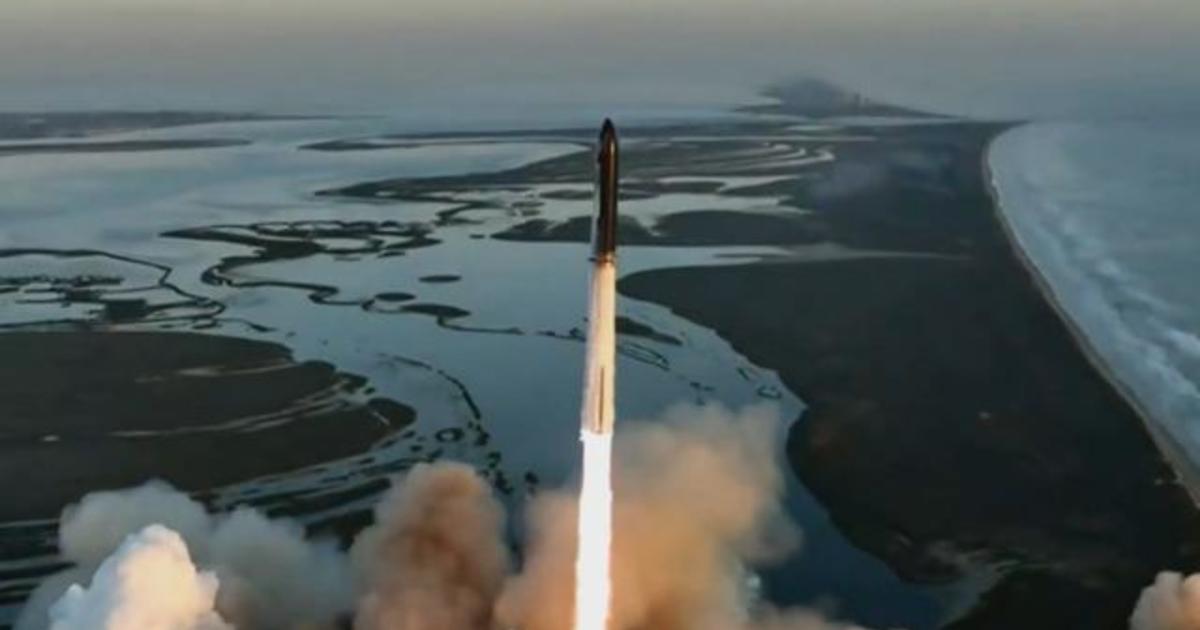
Recently released footage shows the first test launch of SpaceX's fully stacked Starship, which took place on April 20, 2023, from the company's Starbase facility in Boca Chica, Texas. The launch was largely obscured by a massive cloud of smoke, dust, and debris, but the new footage provides close-up, high-definition views from liftoff to mission abort that were not seen during the livestream. Starship is part of NASA's plans for its Artemis 3 mission, which will land astronauts on the moon for the first time in over half a century. Though the first fully integrated test flight ended in an explosion, SpaceX and its CEO, Elon Musk, view it as a success and are already planning the next launch.
During SpaceX's recent Starship test flight, the first with its Super Heavy orbital booster, the rocket's automated self-destruct feature didn't work immediately, resulting in a 40-second delay before the explosion. Three of the rocket's 33 total engines didn't participate in the launch thrust, and one of the remaining engines had a fault that damaged other engines near it. The engines lost their ability to control the direction of the launch vehicle, causing it to spin. The launch also resulted in the destruction of the concrete launch pad and debris hurtling around the launch facility surroundings.