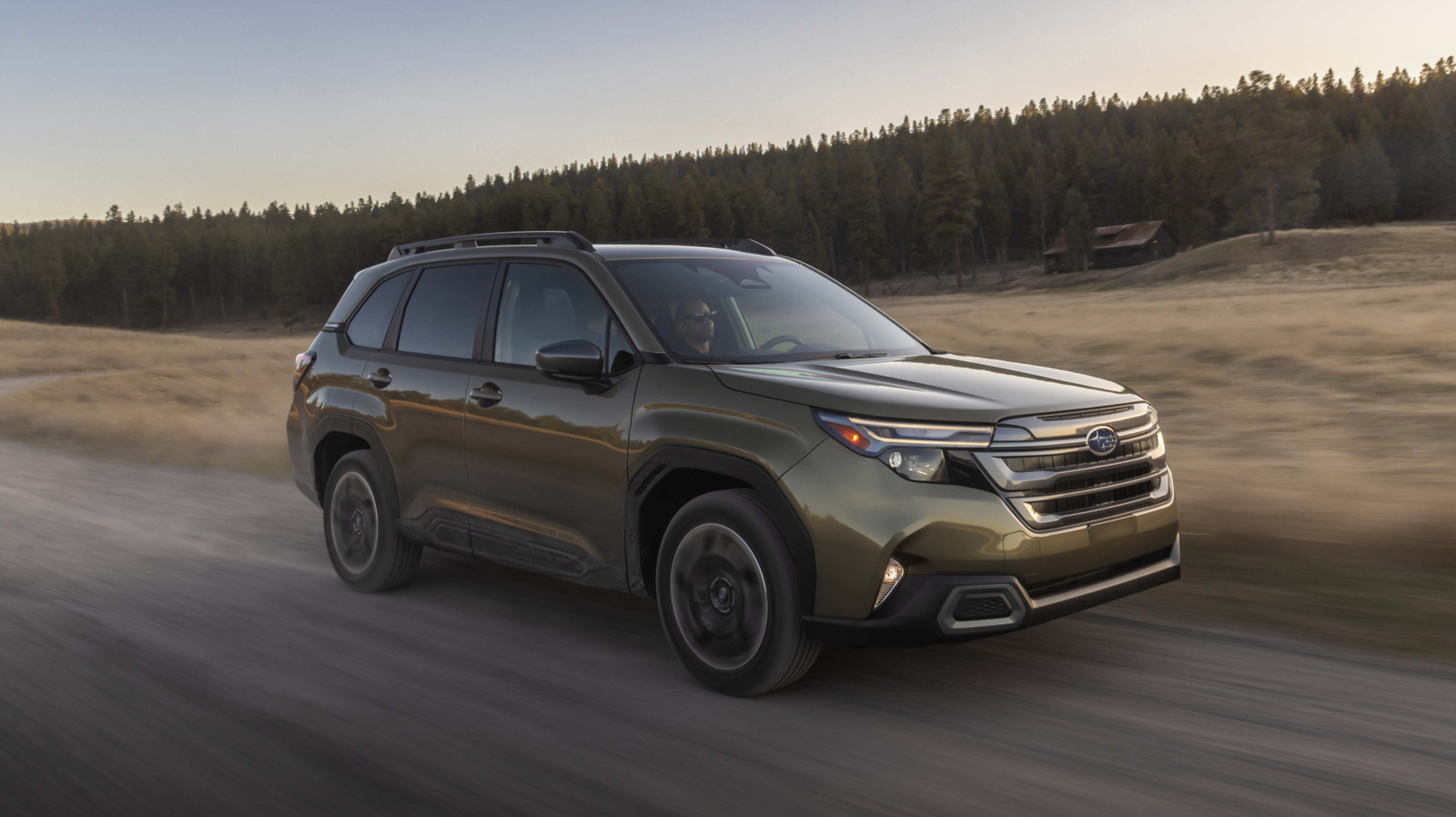
Consumer Reports' analysis shows that the Subaru Forester is the cheapest recommended car to insure, with an average annual premium of $2,184, while the Tesla Model 3 is the most expensive at $4,835, highlighting significant differences in insurance costs among popular vehicles.
The article highlights the opportunity to buy affordable, high-quality used electric vehicles, especially Tesla Model 3s, before government rebates end on September 30, due to market shifts and the availability of well-maintained, warranty-backed used models at significant discounts, making now an ideal time for consumers to switch to EVs.
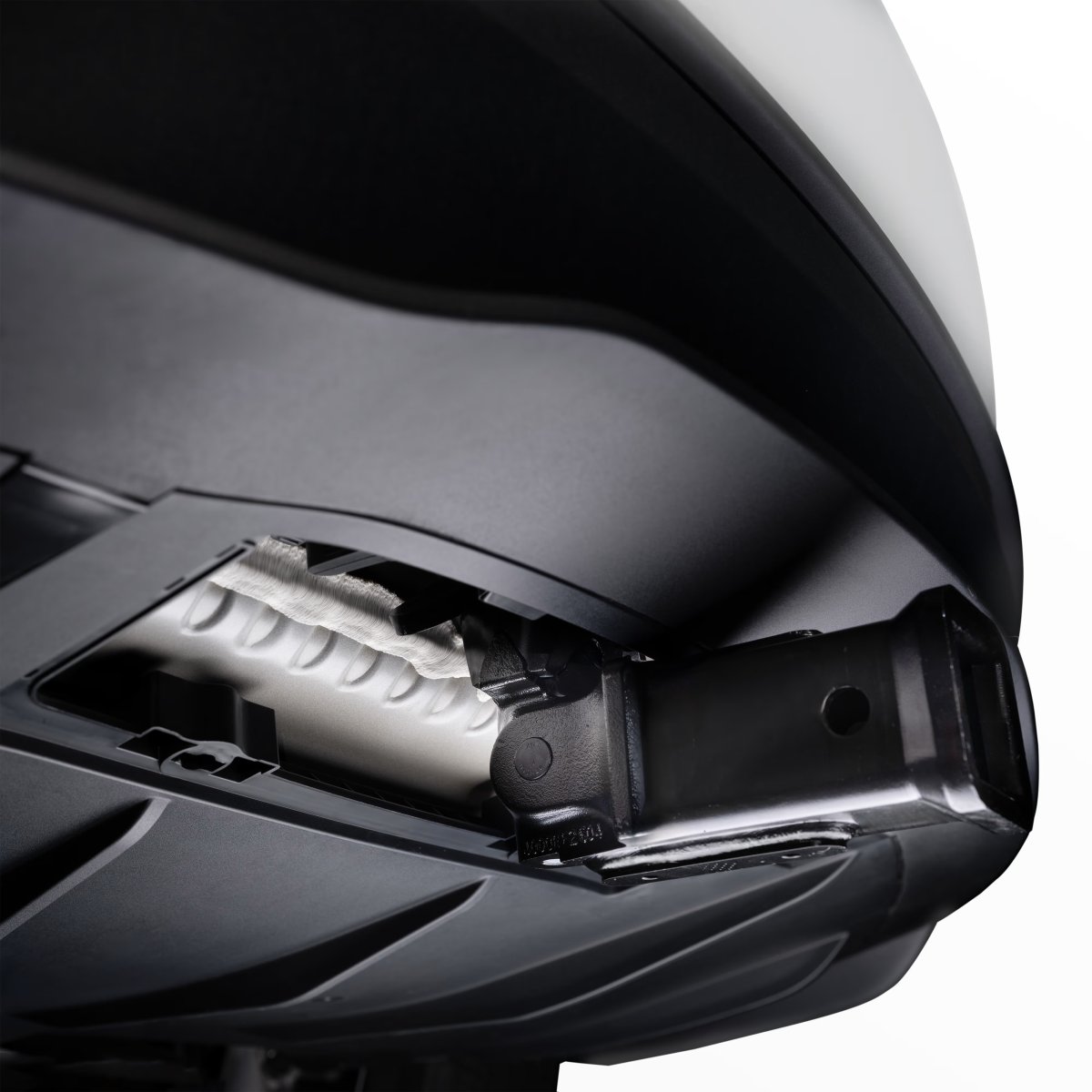
Tesla has launched a tow package for the 2024+ Model 3 in North America, supporting towing up to 2,200 lbs with installation included, allowing owners to tow light loads while maintaining warranty coverage. Additionally, Tesla has partnered with XPEL to offer OEM-approved window tinting, and a new Tesla software update 2025.20 is in testing, promising features like Grok voice assistant, new vehicle keys, trailer visualization, and more. The update is expected to roll out to customers soon.
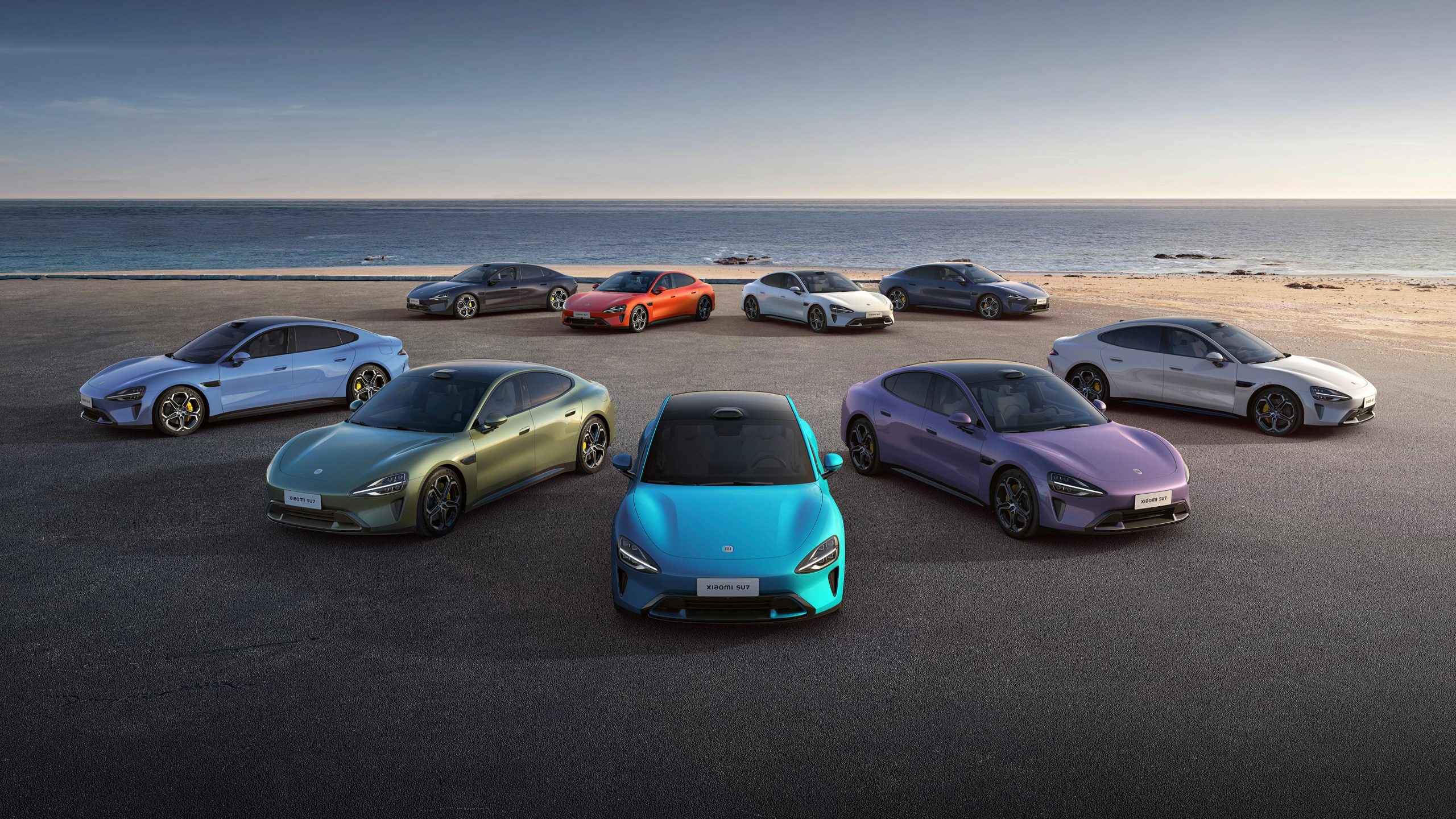
Xiaomi's newly-launched all-electric sedan, the SU7, has attracted massive crowds at its stores across China, with reports indicating that the company has sold out its 2024 production capacity for the vehicle. Priced competitively and designed to rival the Tesla Model 3, the SU7 has garnered significant interest, with photos showing long lines at Xiaomi stores reminiscent of Tesla's Model 3 launch in China. Benchmarking favorably against the Model 3, the SU7 boasts a larger size and higher starting range, signaling a strong start for Xiaomi's electric vehicle business.
The Tesla Model 3 did not receive the IIHS Top Safety Pick+ award due to missing evaluations in updated crash tests, which are required for the award. However, there is a possibility that the 2024 Model 3 could earn the award later in the year as more tests are completed. The Model Y, on the other hand, secured the 2024 IIHS Top Safety Pick+ award, meeting the stringent safety criteria.
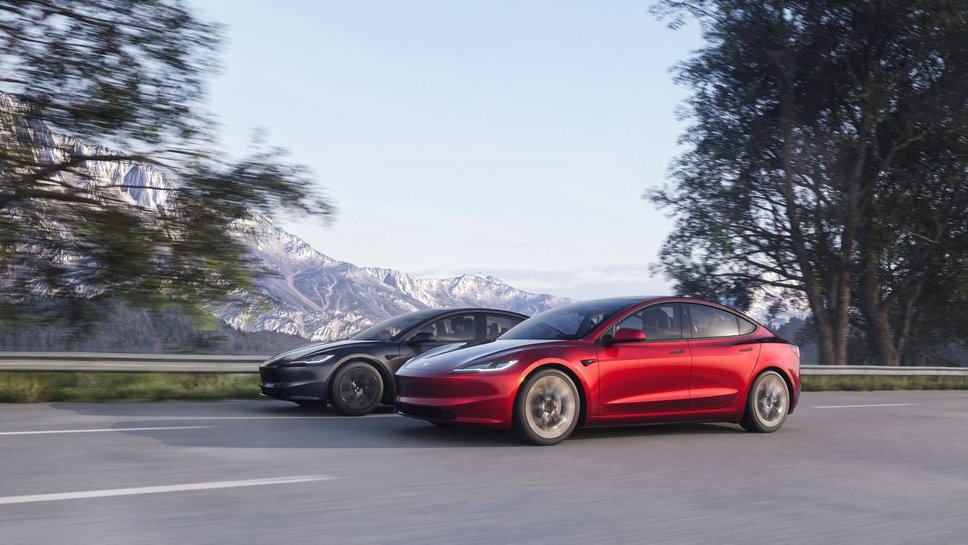
The stock market rally gained momentum as Treasury yields slid, with major indexes reclaiming their 50-day lines. Salesforce, MongoDB, and CrowdStrike reported strong software earnings. Amazon and Shopify rebounded after announcing a deeper partnership. Tesla launched an upgraded Model 3 and slashed prices on higher-end vehicles. China's EV sales remained strong, with Li Auto, Nio, XPeng, and BYD reporting solid deliveries. Dell Technologies exceeded expectations and cited artificial intelligence as a long-term tailwind. Chipmakers Broadcom and Ambarella disappointed with their guidance. Ollie's Bargain Outlet surged after beating expectations, while Dollar General and Five Below tumbled. Bitcoin and related stocks jumped after a federal appeals court ruled on Grayscale Investments' bid for a bitcoin ETF.
Dow Jones futures rose slightly as investors awaited the release of the August jobs report. Tesla unveiled its upgraded Model 3 in China, which includes a battery range boost but also a 12% price increase. Li Auto, Nio, and XPeng are set to report their August deliveries, while BYD will release its August sales. The stock market rally had a mixed session, with growth stocks leading the way. Investors should be prepared for Friday's reaction to the jobs report and continue to monitor the market direction and leading stocks.
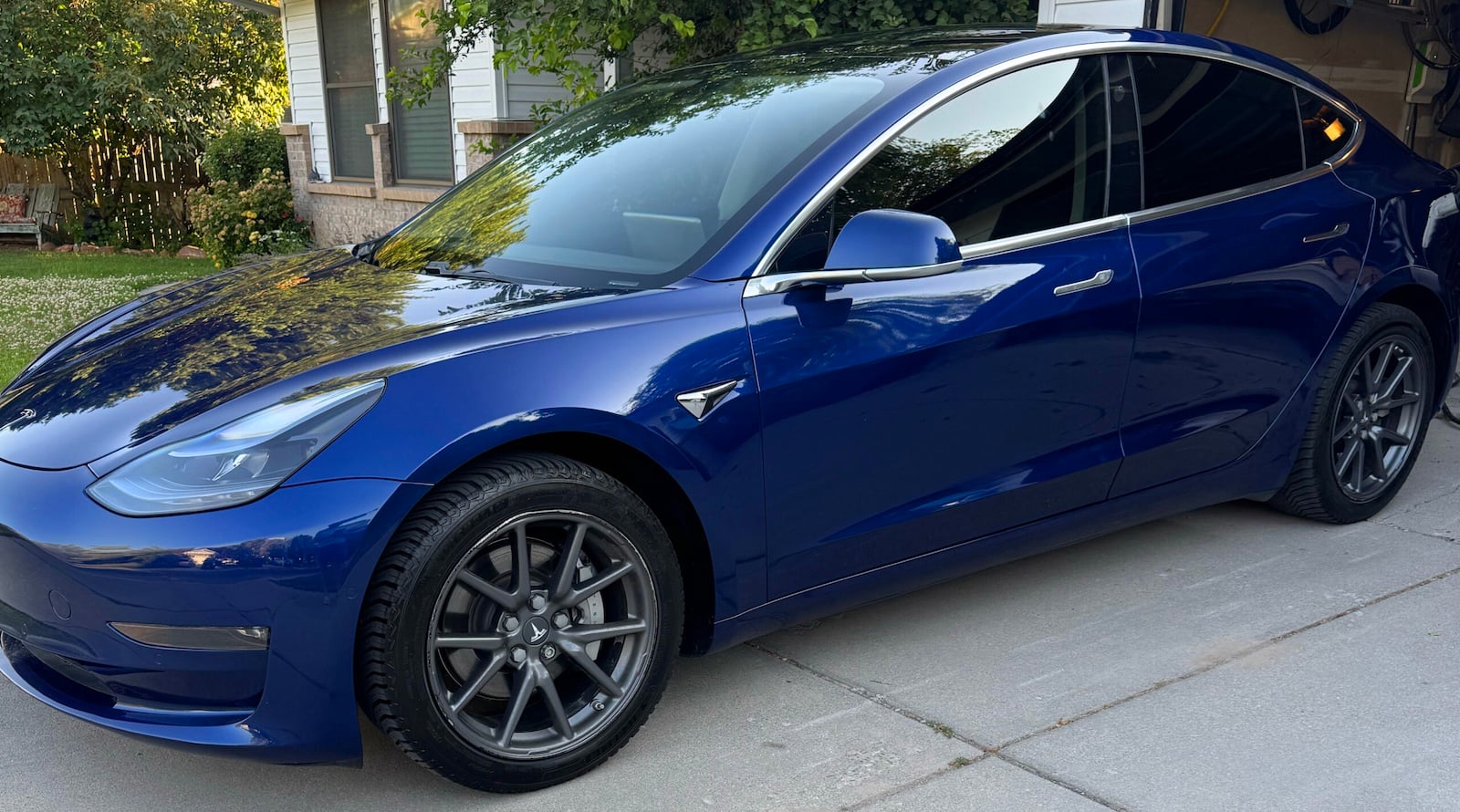
After nearly 4 years of ownership, a Tesla Model 3 Standard Range Plus has depreciated by 58%, with an estimated trade-in value of just over $20,000, representing 42% of its initial purchase price. However, when factoring in the exclusion of Full Self Driving (FSD) from the original price, the depreciation rate increases to 51.5%. The author contemplates trading in the vehicle but expects the trade-in value to remain relatively stable in the coming years.
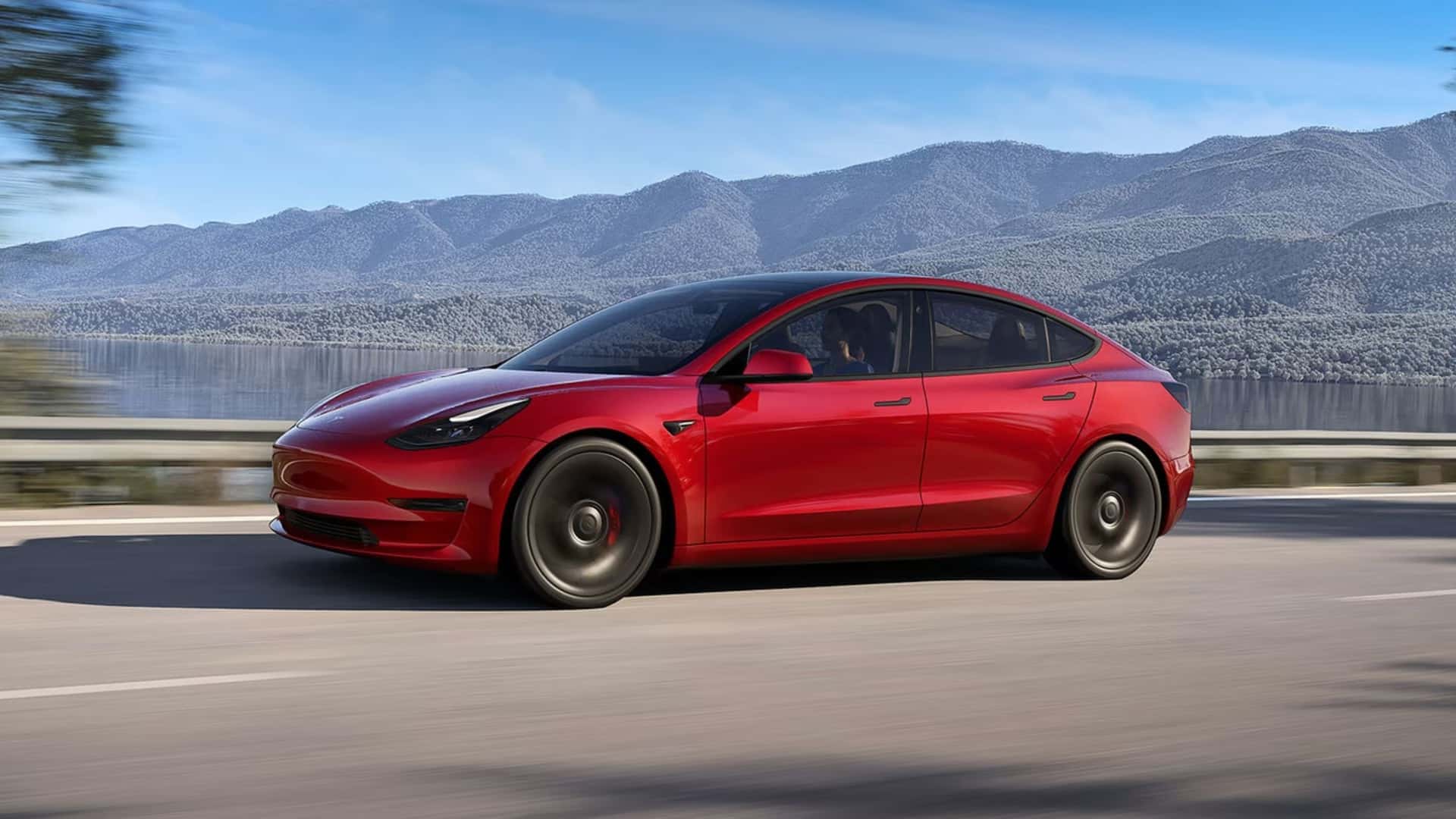
While electric vehicle (EV) sales are increasing, a recent study by Ipsos shows that consumer sentiment regarding EVs might be falling due to concerns about driving range, battery life, and charging infrastructure. Additionally, cost-related worries make it difficult for potential buyers to make the switch to EVs. However, the myth that EV ownership costs are higher than internal combustion engine vehicles is false, with the average cost of maintaining a BEV being lower than the industry average. The readily-available Tesla Model 3 starts at $38,030, but with federal and state incentives, it could be a sub-$30,000 car for some buyers, rivaling the prices of entry-level sedans from other brands.
In California, the entry-level Tesla Model 3 RWD is less expensive than the Toyota Camry if you deduct the $7,500 federal tax credit as well as the California tax rebate. Those who qualify for both incentives can save $15,000 or 37% of the $40,240 price tag for the Model 3, reducing the effective cost to $25,240 - less than the entry-level Toyota Camry. The Tesla Model 3 is already more popular than the Toyota Camry in California, and when prices between BEV and ICE models become comparable, electric cars are usually winning thanks to lower energy costs than fuel costs.
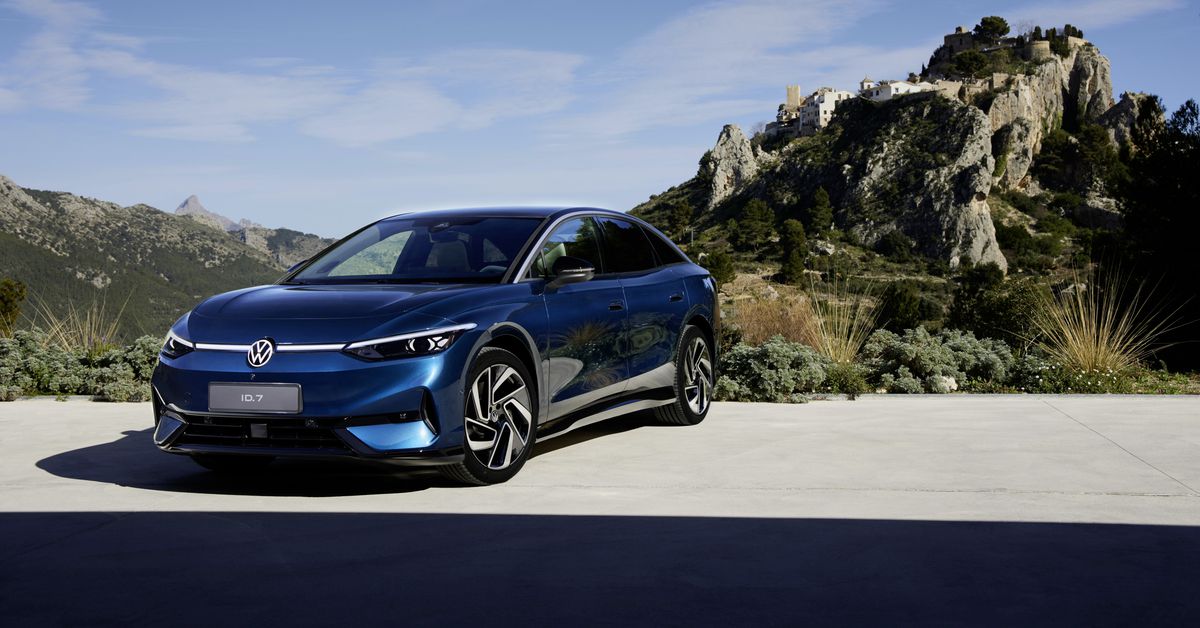
Volkswagen has unveiled its flagship electric vehicle, the ID.7, at the Shanghai Auto Show. The sedan boasts a roomy interior, impressive aerodynamics, and a range of up to 435 miles. It can take up to 170kW of fast charging and has a more powerful drivetrain than the ID.4. The ID.7 features an augmented reality heads-up display and a central touchscreen for controls. Sales will start in China later this year, followed by the US in 2024. The cost is still unknown, but it has the potential to dethrone the Tesla Model 3 as one of the top-selling EVs in the world.
The first day of the Pwn2Own 2023 hacking contest saw five participants win a total of $375,000 by finding 12 zero-day vulnerabilities in popular software platforms and a Tesla Model 3 car. Offensive security firm Synacktiv won the most money and a Tesla Model 3 by compromising the car with a TOCTOU attack and escaping access privileges on macOS. The STAR Labs team won second place by targeting Microsoft SharePoint and successfully hacking the Ubuntu Desktop operating system. The Zero Day Initiative will disclose the details of the zero-day vulnerabilities to their respective software vendors, who will have 90 days to release security patches.