The author advocates for Linux as a user-friendly, reliable alternative to commercial OSes like Windows and macOS, criticizing the latter's agenda-driven design, intrusive services, and hardware limitations. They highlight Linux's customization, hardware support, and independence from corporate control, while also discussing the challenges and frustrations with other operating systems and UI design trends.
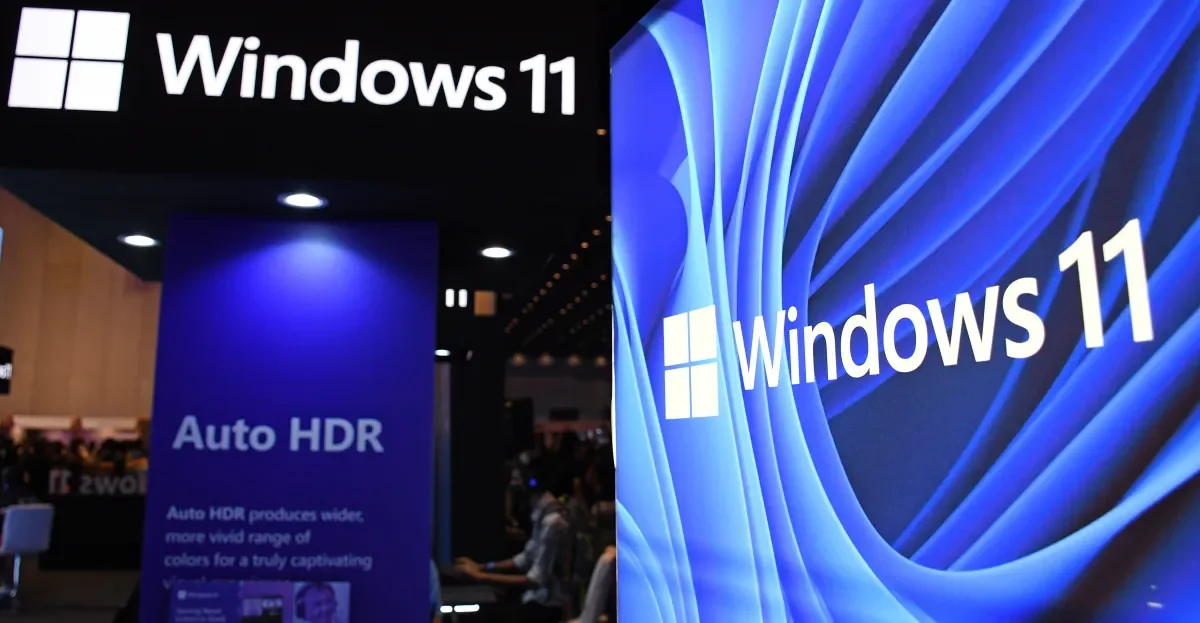
The article criticizes Windows 11 for making the process of setting up a PC more frustrating compared to previous Windows versions, highlighting user dissatisfaction and preferring Linux as an alternative.
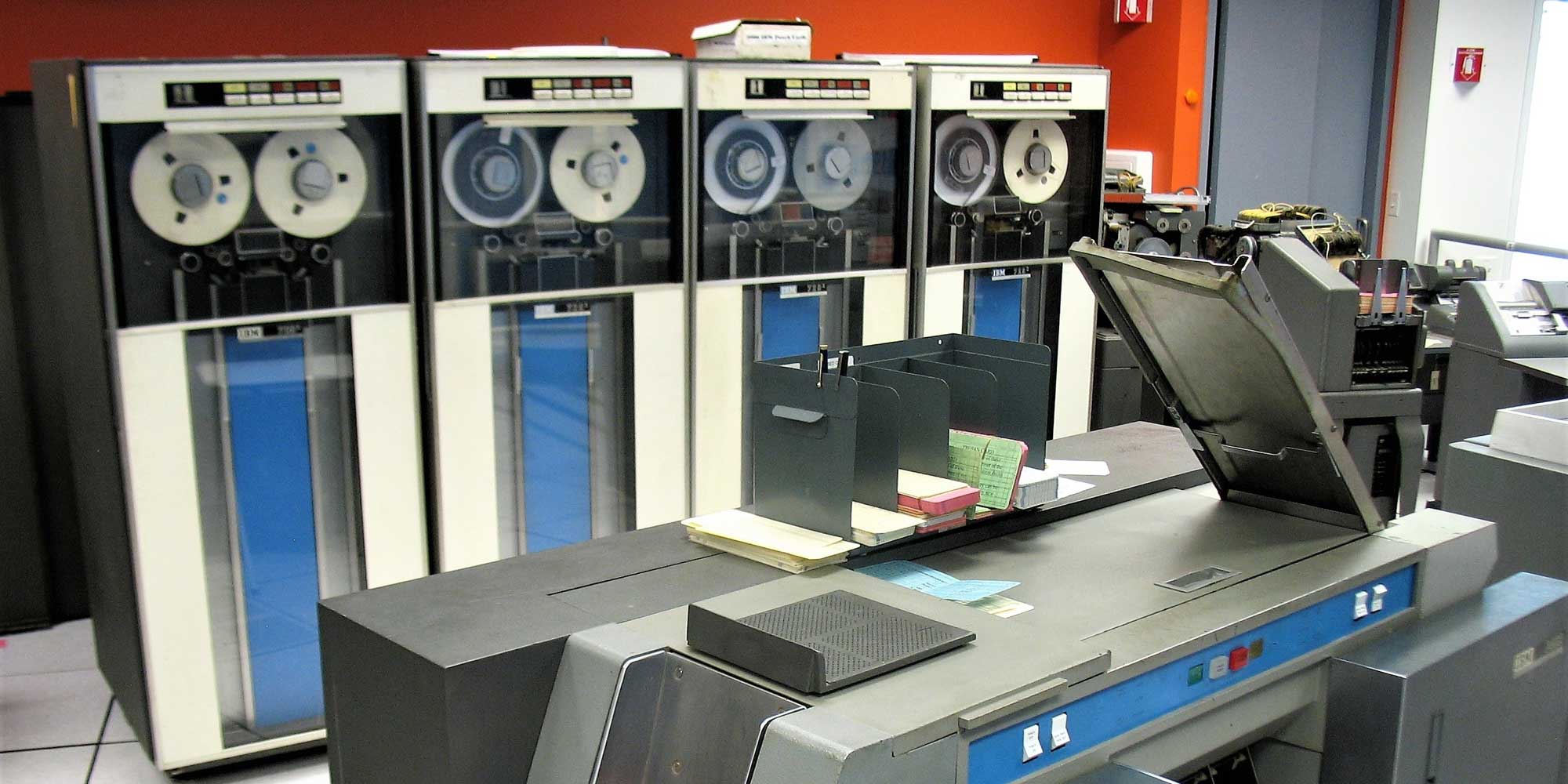
Computer History Museum successfully recovered UNIX V4 from a 1970s tape, marking the first time this early version written in C has been run again, providing valuable insight into the evolution of UNIX and its development history.
Old MacBooks can be repurposed in various ways such as experimenting with Linux or ChromeOS, turning them into Wi-Fi range extenders, using them as second screens, or setting them up as media centers, extending their usefulness beyond their original purpose.
Ken Thompson recalls the early, rebellious days of Unix at Bell Labs, highlighting its community-driven development, open environment, and playful culture, including lock-picking antics, which fostered innovation and camaraderie among the pioneering programmers.
The article discusses the end of support for Windows 10 on October 14, 2023, and the challenges and frustrations users face with Windows 11's mandatory cloud integration and hardware requirements. The author, a long-time Microsoft supporter, is migrating to Linux due to concerns over data control, security, and usability, highlighting the broader trend of operating system evolution and competition. The piece emphasizes the importance of staying updated and cautious during OS transitions.
Google is developing a unified Android platform for both smartphones and PCs, aiming to compete with Windows and macOS by offering a modern, lightweight OS with Android apps and AI capabilities, potentially challenging Microsoft's dominance in the PC market.
Google's Android president has indicated that Android may eventually replace ChromeOS to improve integration with Android devices, though no timeline has been provided. ChromeOS remains a successful Linux-based platform, but Google's focus on AI and the lack of ChromeOS mentions at Google I/O suggest a strategic shift. The transition could lead to more unified app ecosystems and better device interoperability, with driver support being a key challenge.
Google is merging ChromeOS and Android into a single platform to unify their strengths—Android's vast app ecosystem and ChromeOS's excellent window management—addressing compatibility issues and improving user experience on large screens like Chromebooks.
A Google executive initially suggested that ChromeOS and Android are being combined into a single platform, but later clarified that they are building ChromeOS on top of Android technology, which is more about integration than a full merger. Despite the clarification, the development direction indicates a closer relationship between the two operating systems, hinting at a future where they are tightly linked.
Google is working on unifying Android and ChromeOS into a single platform to improve device integration and user experience, similar to Apple's ecosystem, with no specific timeline announced yet.
Microsoft reports that Windows now has just over one billion active devices, down from 1.4 billion three years ago, as users shift to macOS, Linux, and mobile devices. The decline is partly due to the rise of smartphones and tablets, and some governments switching to Linux. Despite Windows 11's faster performance, adoption may slow due to hardware upgrade requirements, and overall PC usage is declining post-pandemic.
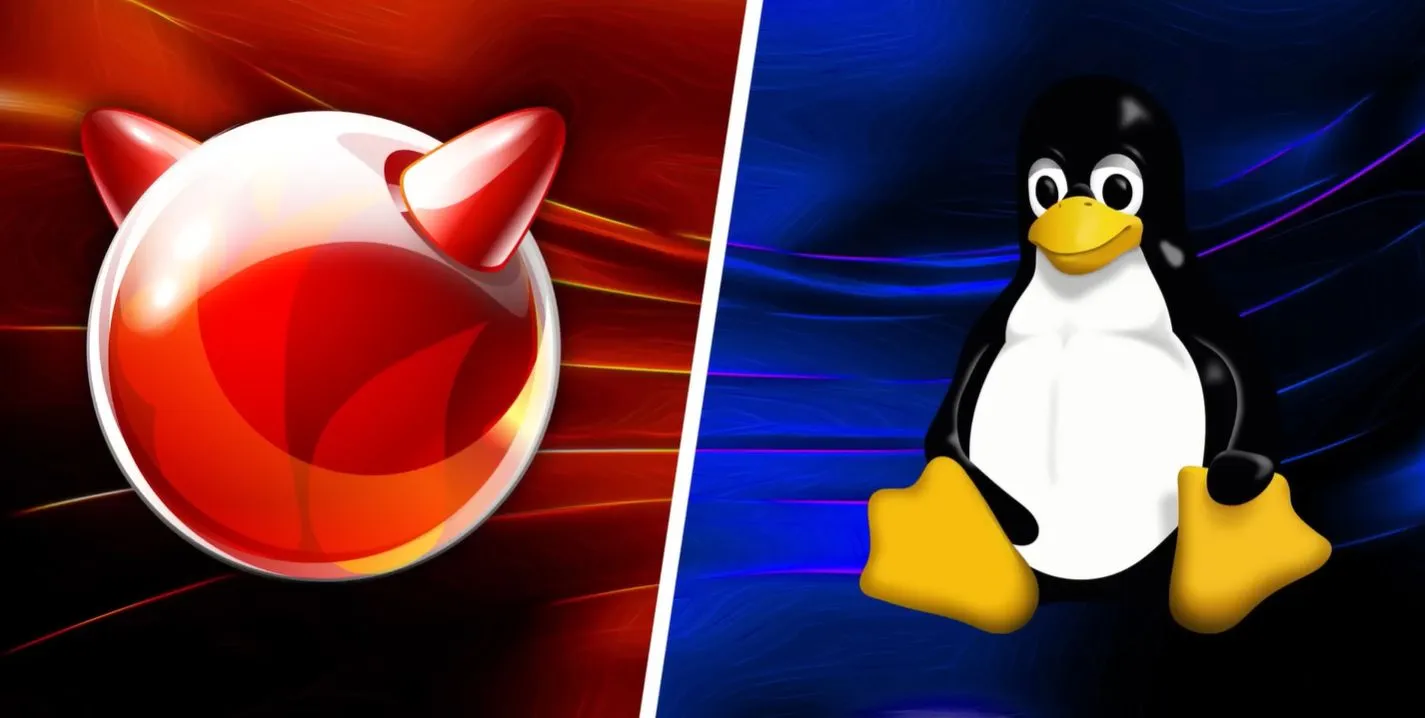
A user attempts to switch from Linux to FreeBSD, highlighting that FreeBSD, a UNIX derivative, offers a robust and easy-to-set-up desktop experience with features like a single package manager, ZFS, and VM support, though it faces some compatibility and refinement challenges compared to Linux.
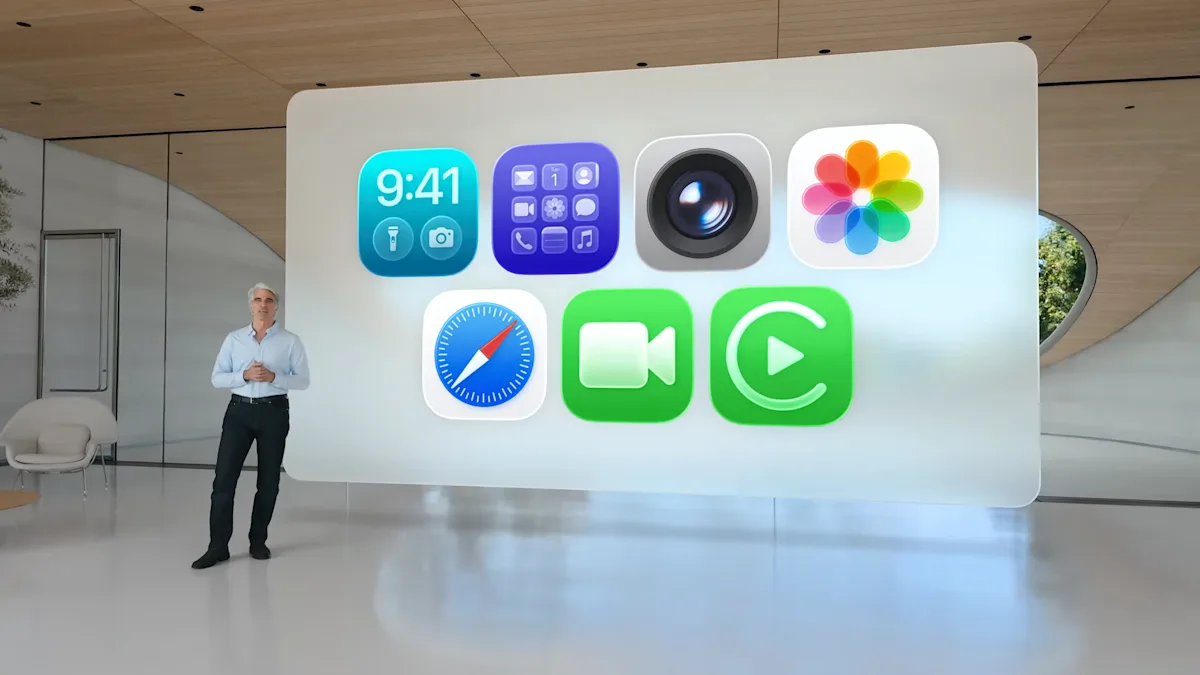
Apple announced iOS 26 at WWDC, featuring a major visual redesign with a new liquid glass theme and round icons, along with updates like live translations and group chat indicators. The beta is available now for developers, with a public beta expected next month.
Apple announced at WWDC 2025 that it will rename its operating systems to include the year, such as iOS 26 and macOS 26, to improve clarity and consistency across platforms, alongside a major design overhaul featuring a transparent 'Liquid Glass' interface.