A potential collapse of the Atlantic Meridional Overturning Circulation (AMOC) could cause significant cooling and temperature extremes in northern Europe, even amid global warming, with winter temperatures possibly dropping as low as -50°C in Scandinavia, highlighting a complex interplay between ocean currents and climate change impacts.
A new study from Argentina reveals that extreme heat and cold have a significant impact on mortality rates, particularly among the elderly, resulting in substantial economic damage. The research analyzed a decade's worth of data and found a U-shaped relationship between temperature and mortality, with both extreme cold and extreme heat contributing to increased mortality rates. Heatwaves, becoming more frequent due to climate change, were associated with a mortality rate increase of nearly 0.5 per 100,000 people. The economic analysis estimated that temperature-related mortality caused 0.75% of Argentina's GDP in 2019. Effective mitigation measures to reduce CO2 emissions are crucial to mitigate future impacts.
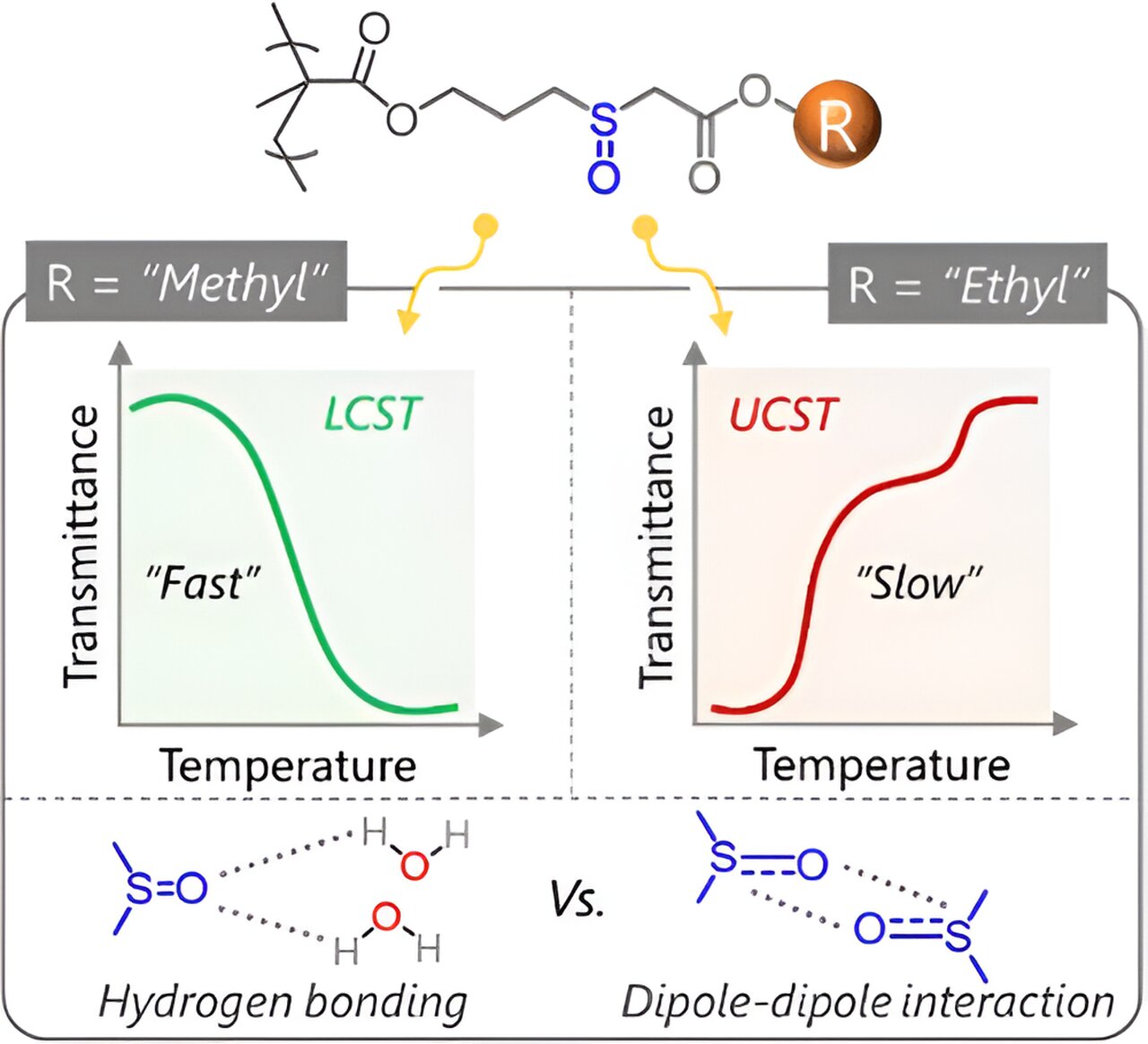
Researchers at FAMU-FSU College of Engineering have developed a polymer pair that can adapt to high and low temperature extremes. The polymers, made with sulfoxide, exhibit different behaviors based on a small structural variation. One polymer becomes insoluble at higher temperatures while the other becomes insoluble at lower temperatures. This discovery opens up possibilities for applications in medicine, protein synthesis, protective coatings, and more. The researchers also found a new mechanism that governs the critical temperature threshold and observed a two-stage thermal behavior in the polymer.