Research suggests that the shift from tough, raw foods to softer, processed diets has led to smaller jaws in humans over millennia, contributing to increased dental crowding and crooked teeth in modern populations, although genetics and societal factors also play roles.
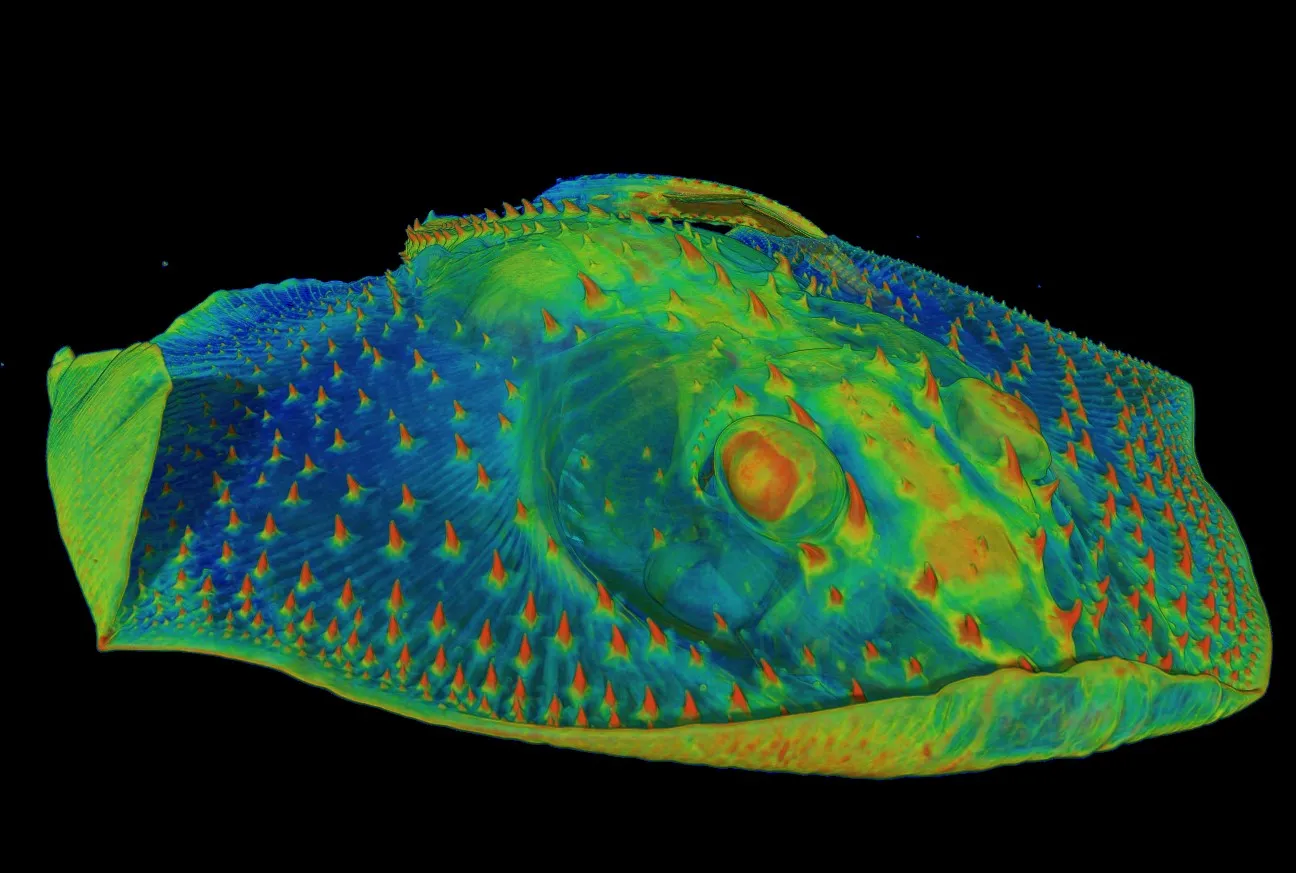
Yara Haridy's research on tiny fossils called fish flakes has revealed that early vertebrate teeth evolved from sensory exoskeletons of armored fish, supporting the 'outside-in' theory of tooth development and shedding light on the evolutionary transition from soft-bodied to skeletonized vertebrates.
Scientists discovered that the inner layer of teeth, dentine, originally evolved in ancient fish as sensory armor to detect water movements, not for chewing, and this trait was independently developed in invertebrates and vertebrates, shedding new light on the origins of teeth and sensory structures.
A recent study suggests that the earliest teeth in vertebrates, dating back around 500 million years, may have originally served as sensory organs rather than for chewing, similar to sensory structures found in ancient arthropods, indicating a shared evolutionary origin for sensory functions in both invertebrates and vertebrates.