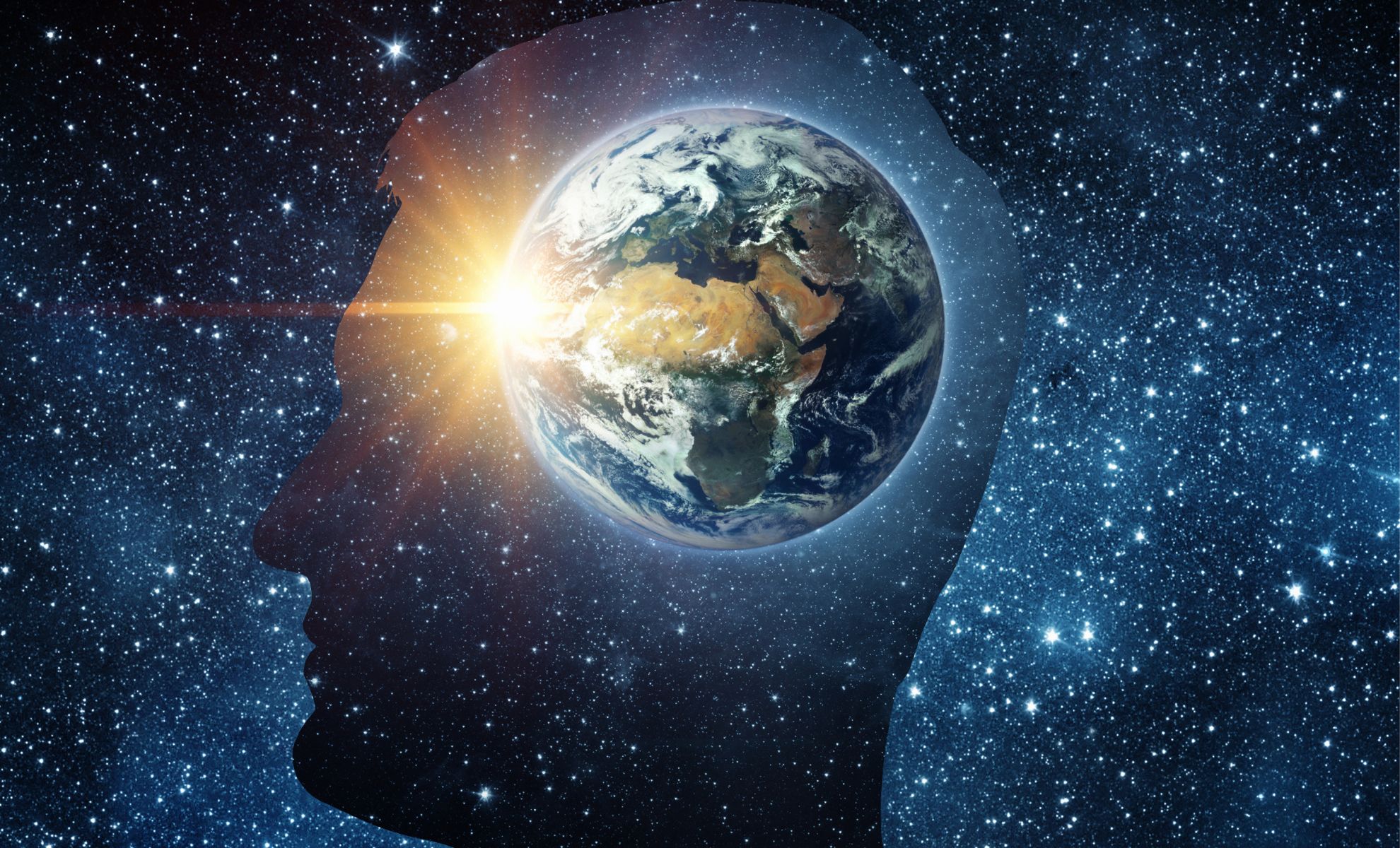
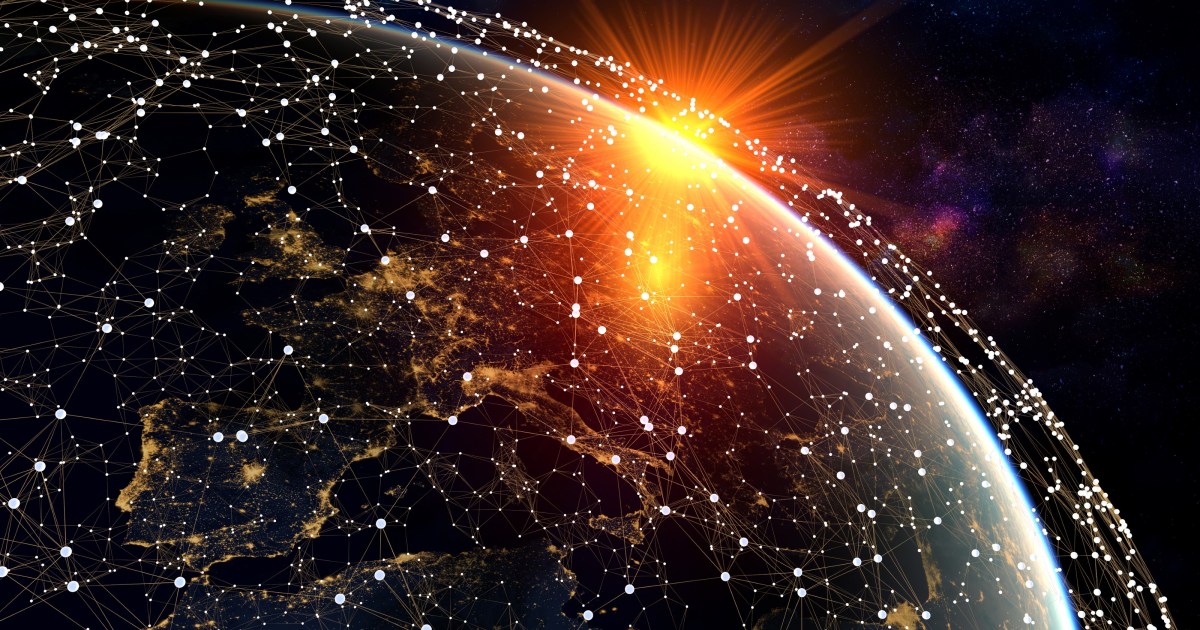
The article explores the provocative idea that Earth could develop a planetary brain powered by AI, creating a global consciousness that could help manage environmental crises and guide humanity toward sustainability, raising ethical questions about human control and the role of technology in our future.
A study led by astrophysicist Manasvi Lingam estimates that the biosphere, the sum total of Earth's life, currently moves more information per second than the technosphere, the sum total of human technology. By 2113, however, the rapid expansion of digital technology is projected to surpass the biosphere in terms of information transfer. This raises questions about the implications for the evolution of our species and the planet, highlighting the power of a global perspective on information and life.
The rate of data exchange between living organisms on Earth is estimated to be about 10^24 bits per second, while the rate of digital data exchange by humans is about 10^15 bits per second. However, the exponential growth of our digital data could soon surpass the biosphere's data exchange rate. If this trend is typical for advanced civilizations, the dominant form of communication on other planets may be technological rather than biological. This could have significant consequences for non-human life and our search for alien civilizations.