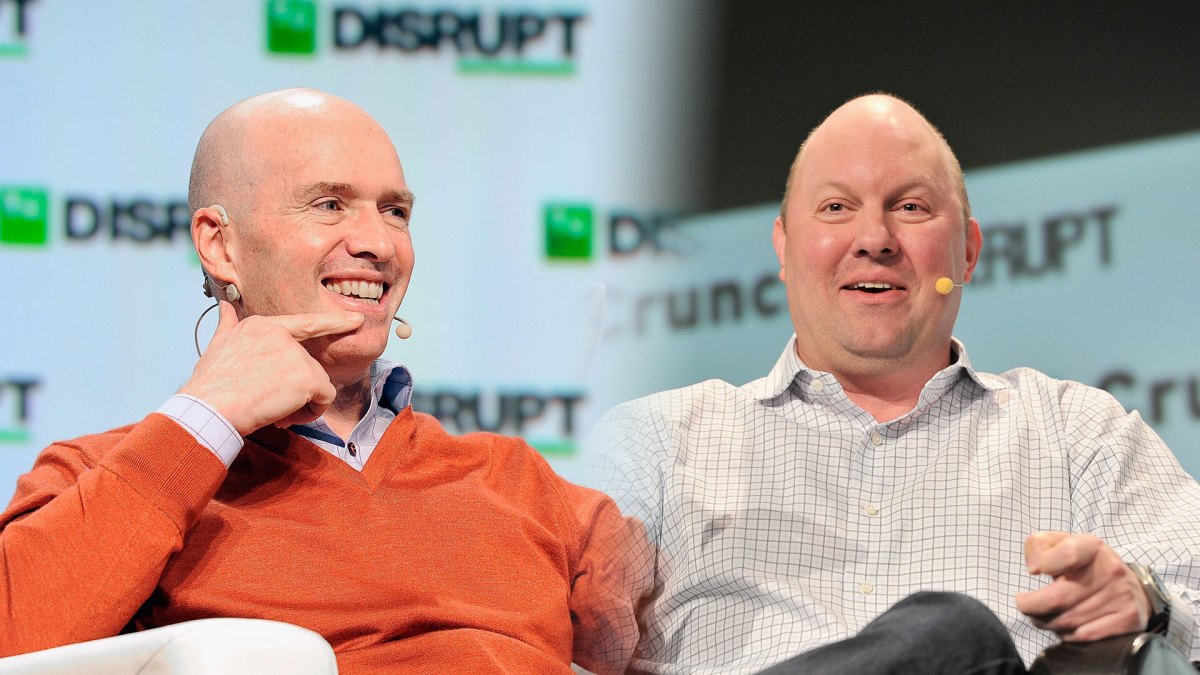
Marc Andreessen and Ben Horowitz, co-founders of venture capital firm Andreessen Horowitz, are supporting Donald Trump in the 2024 presidential race, citing his favorable policies for the tech and startup ecosystem. They argue that Trump's stance on tech regulation, AI, and crypto is more beneficial compared to Joe Biden's administration, which they believe stifles innovation through overregulation and taxation, particularly the proposed tax on unrealized capital gains.
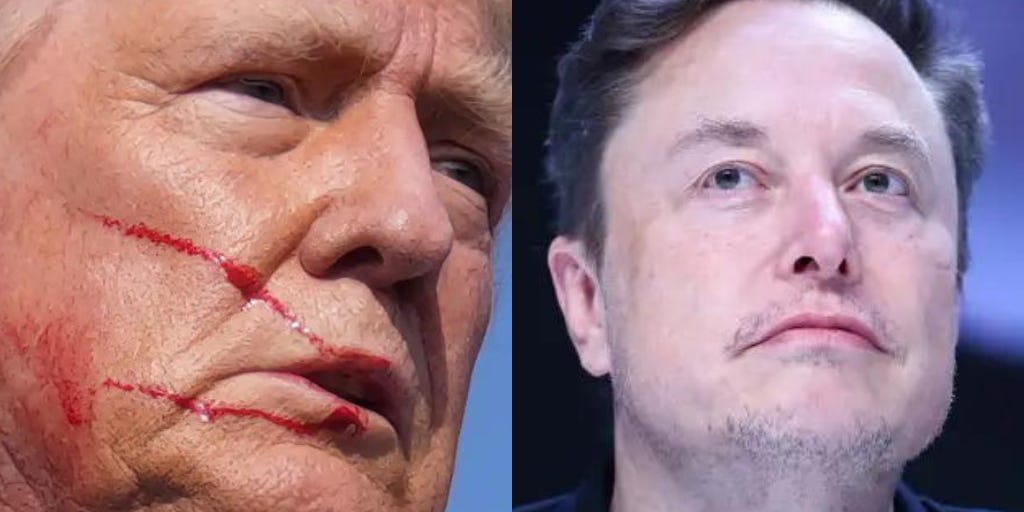
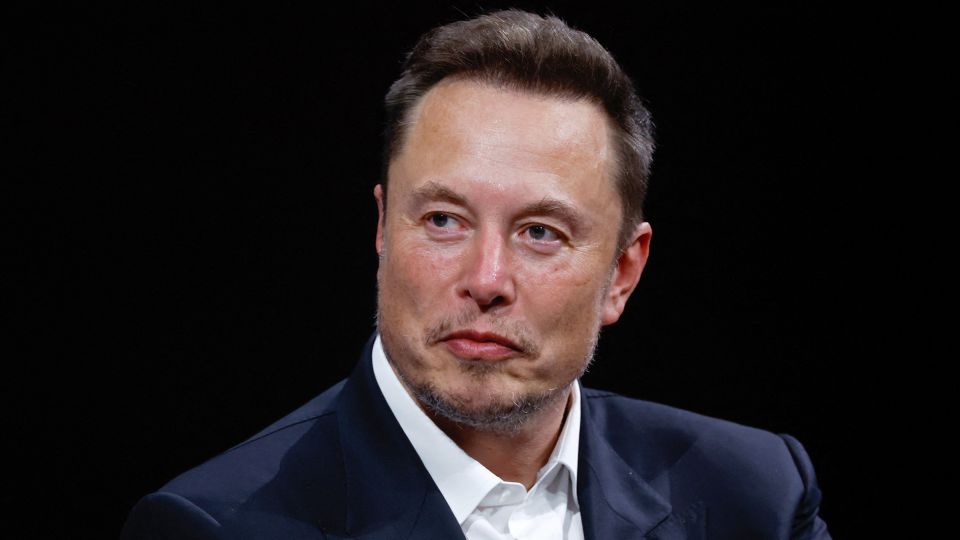
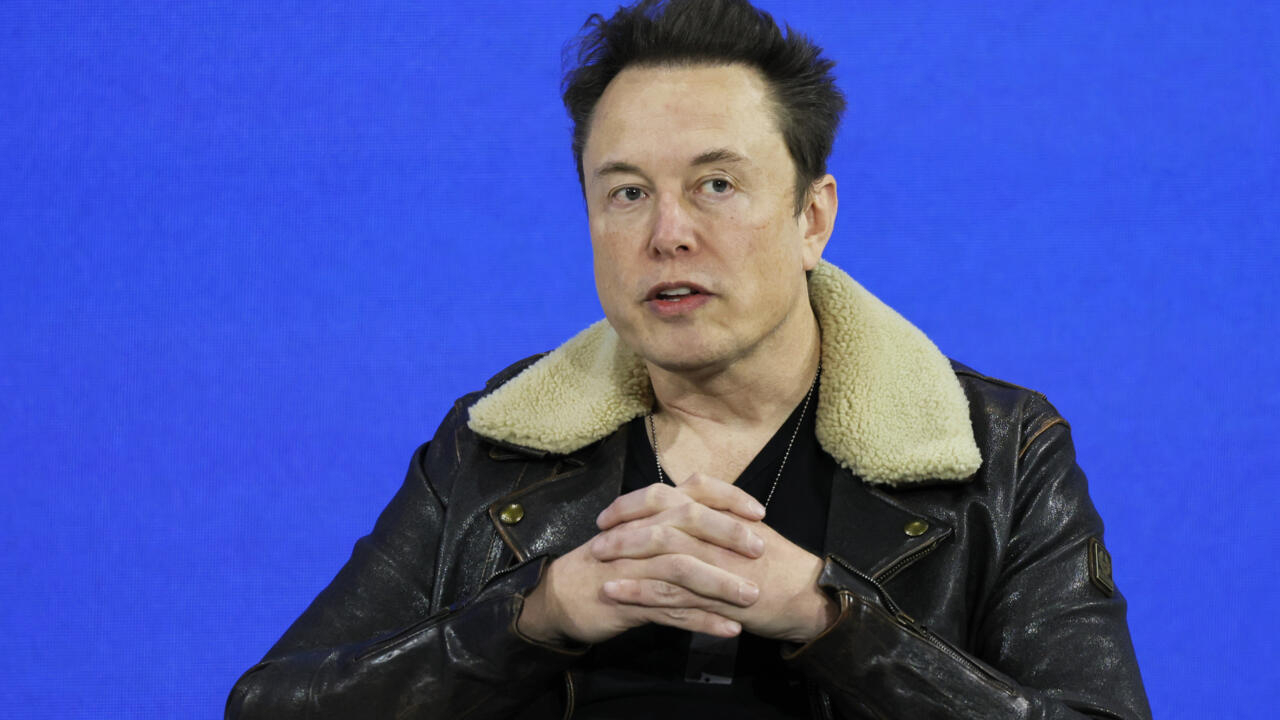
Following an assassination attempt on Donald Trump, Elon Musk has expressed concerns about his own safety, revealing that two attempts on his life have occurred in the past eight months. Musk has endorsed Trump and criticized the Secret Service for their handling of the incident. He has also donated to a political action committee supporting Trump's 2024 campaign.
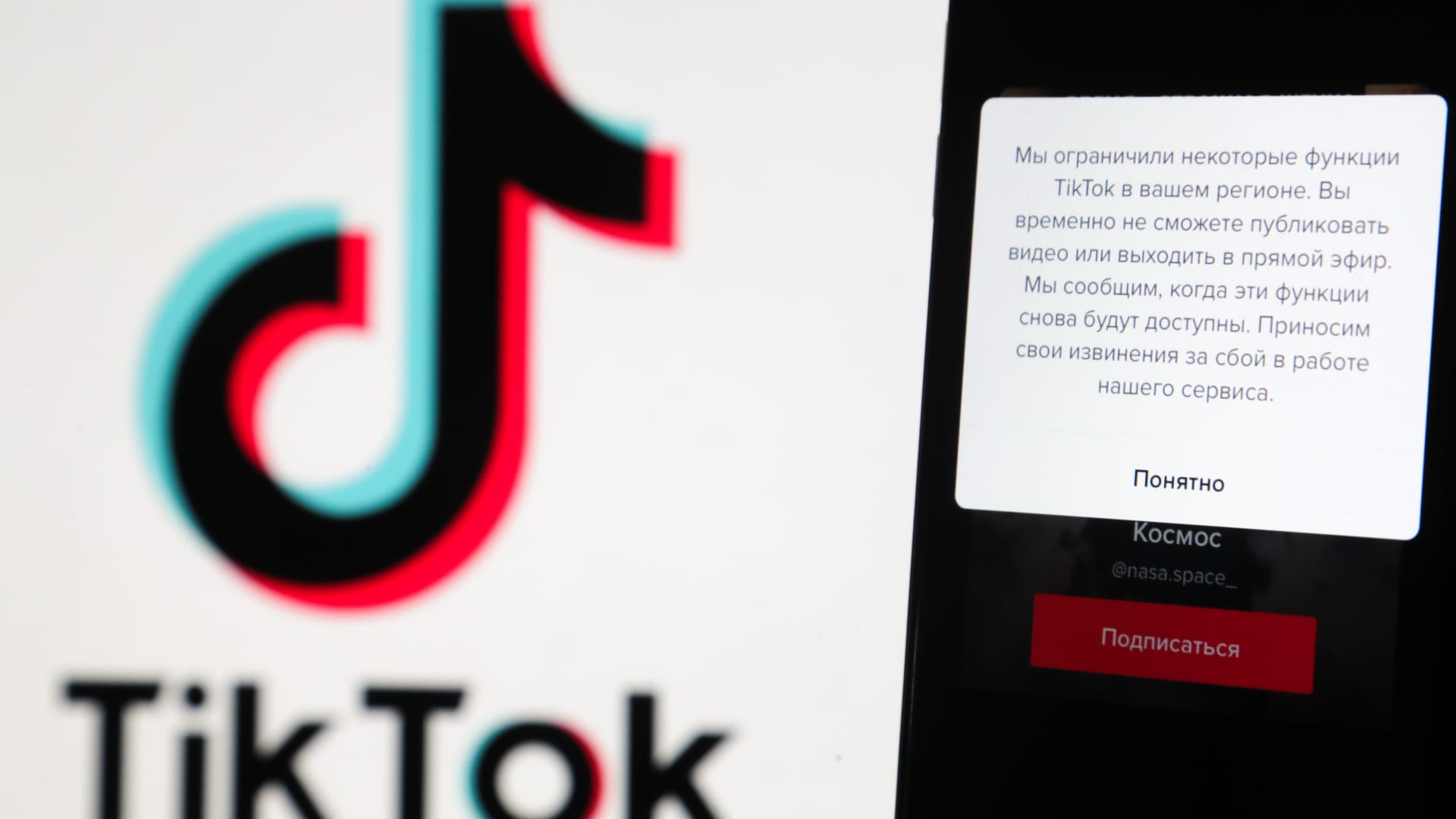
House Republicans have added a bill to a foreign aid package that could lead to a nationwide TikTok ban, aiming to force a quick Senate vote on the measure. The bill sets a nine-month deadline for TikTok's Chinese parent company to sell the social media platform, with a possible 90-day extension. Some senators have expressed concerns about the original six-month deadline and are seeking a slower approach. Meanwhile, some policymakers advocate for a national privacy law to regulate how businesses handle Americans' personal information.
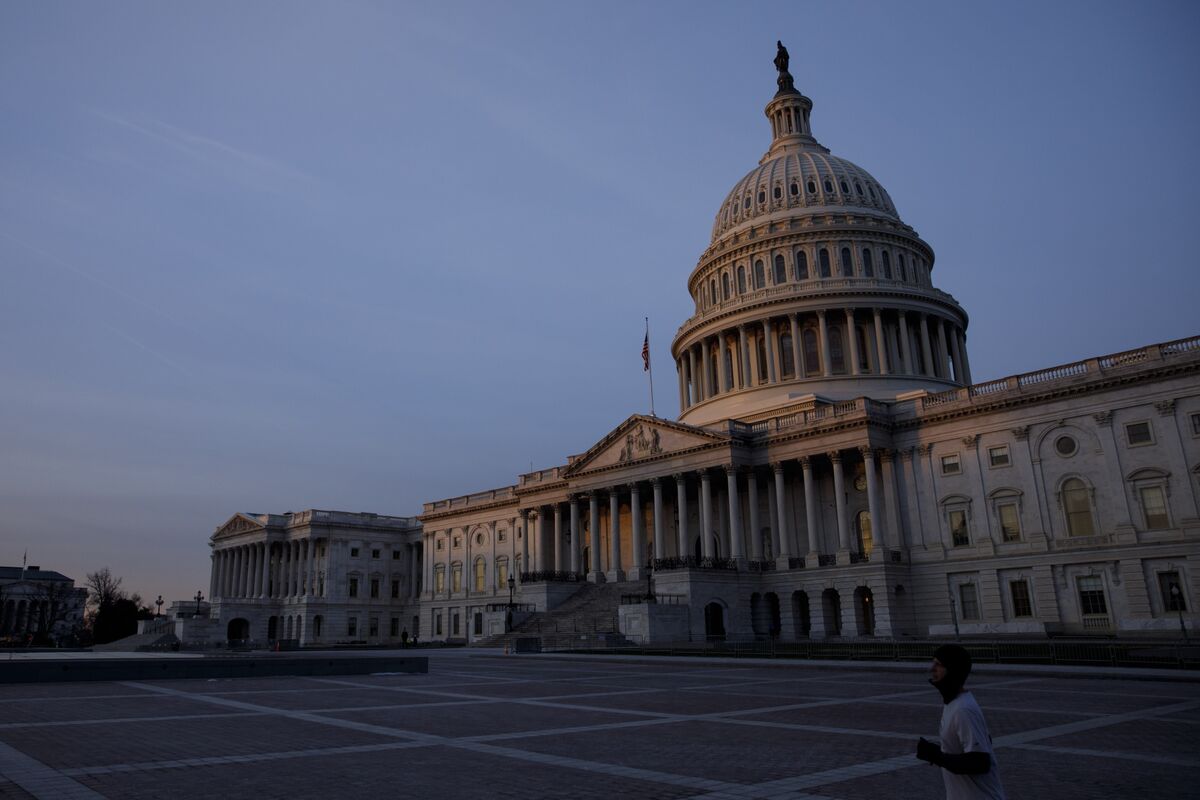
Congress is fast-tracking a bill aimed at forcing TikTok's Chinese parent company, ByteDance Ltd., to divest its ownership stake, with plans to include the legislation in an aid package for Ukraine and Israel. The Senate is expected to swiftly take up the measure, and President Joe Biden has pledged to sign it immediately.
U.S. Republican lawmakers are criticizing the Biden administration for allowing Huawei to continue receiving high-tech components from U.S. companies, specifically Intel, despite being on a trade restriction list since 2019. The controversy revolves around Huawei's access to Intel's Core Ultra 'Meteor Lake' processors for its MateBook X Pro, with concerns raised about the impact on national security and economic development. The situation highlights the complex goals of U.S. export controls in relation to Huawei and China, with lawmakers expressing frustration over the ongoing technological exports to the Chinese firm.
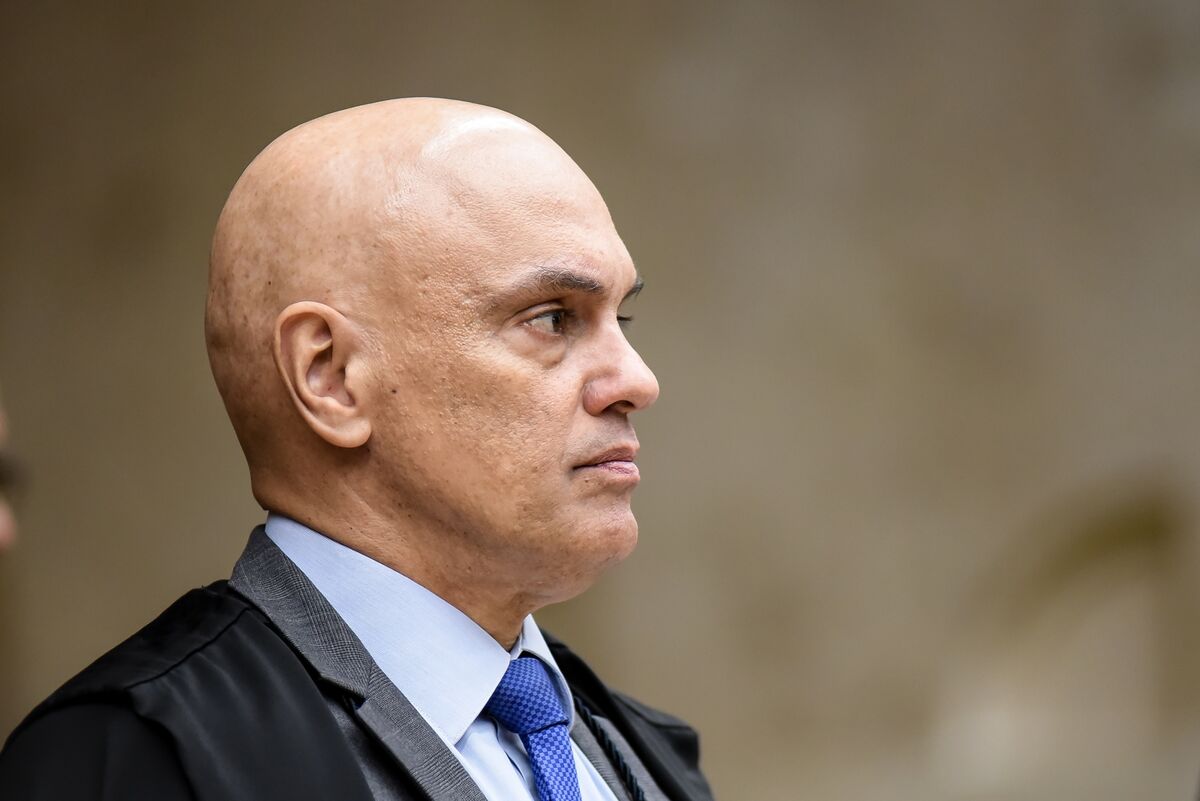
Brazil's Supreme Court is taking a strong stance against online disinformation, challenging Elon Musk's free speech crusade and emphasizing the impact of fake news on democracy, particularly in the wake of the January 2023 insurrection attempt in the country's capital.
Brazil's attorney general has called for social media regulation after Elon Musk defied a court order banning certain accounts on X, prompting the Supreme Court to describe his actions as a "flagrant" obstruction of justice and announce an inquiry into the billionaire businessman. Musk, who owns X, criticized the court's decision as "aggressive censorship" and threatened to lift all restrictions, potentially leading to the shutdown of X's office in Brazil. The standoff reflects a broader clash between authorities and Musk, who has relaxed X's content moderation policies and faced criticism for accommodating government censorship demands in the past.
The FCC plans to vote on restoring net neutrality later this month, fulfilling a 2021 executive order from President Biden. This move, which treats broadband services as an essential resource under Title II of the Communications Act, aims to prevent anti-consumer behavior by internet service providers. The process was delayed due to opposition to Biden's FCC nominee Gigi Sohn, but with Democrats now holding a majority at the FCC, the vote is set to take place on April 25.
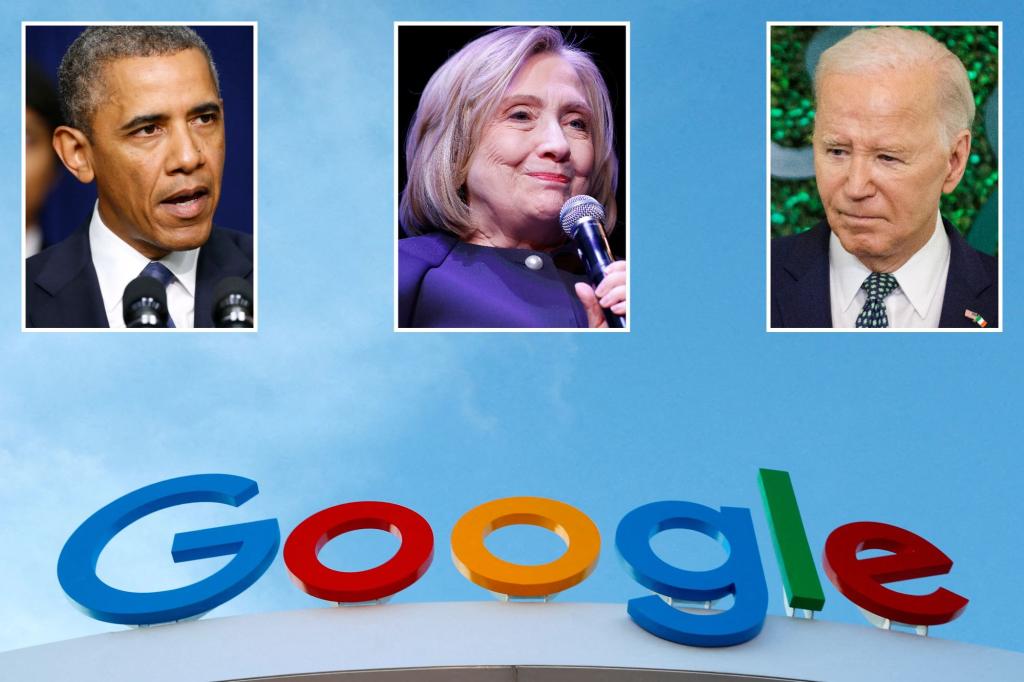
The Media Research Center published a report alleging that Google has been interfering in elections since 2008 to help Democratic candidates win, while censoring Republicans. The report claims that Google targeted support for Hillary Clinton, favored Barack Obama over Mitt Romney, and suppressed news sources critical of Joe Biden. Google has denied these claims, stating that they have safeguards in place to prevent bias and inaccuracies. Elon Musk chimed in, accusing Google of interfering to help Democrats and attributing it to the political views of their censorship teams.
The House China committee leaders stated that a forced sale of TikTok, labeled a national security risk, could occur before the November election, following the House passing a bill to block TikTok from U.S. app stores if its Chinese-linked parent company, Bytedance, does not divest within 165 days. Concerns about the Chinese government's potential access to user data have fueled the push for separation, with bipartisan support in the House and positive conversations in the Senate, where the bill now moves.
The White House is urging the Senate to swiftly advance a bill that would force Chinese tech company ByteDance to sell TikTok, citing concerns about data security and the Chinese Communist Party's potential use of user information. Despite overwhelming bipartisan support in the House, the Senate is slow-walking the bill due to other legislative priorities, with Senate Majority Leader Chuck Schumer not committing to a vote timeline. The bill has also sparked debate, with some senators offering tentative support and former President Trump voicing opposition to a potential TikTok ban.
The fate of the House-passed bill that could ban TikTok is uncertain in the Senate, where there is less urgency to act and senators have different theories about how to address national security concerns about the app's China-based owner. While some senators see a need for action due to national security threats, others want a broader approach encompassing various foreign-controlled apps. Concerns about China potentially accessing U.S. users' data through TikTok or influencing Americans' views have resonated with many members of Congress, but some senators are worried about potential retaliation from China and the impact on young voters.
Elon Musk and other Silicon Valley figures are making a noticeable shift to the right politically, with Musk using his platform to promote right-wing themes and rumors of potential support for Donald Trump's presidential bid. Other tech moguls like Marc Andreessen are also embracing conservative causes and cryptocurrencies, while criticizing left-wing priorities. This shift is seen as a response to concerns about the status quo and a backlash against "woke" considerations. The influence of this right-leaning faction is beginning to be felt, with tech companies facing criticism for perceived liberal biases in their products and decisions.
A bipartisan House committee unanimously approved a bill that could force TikTok to divest from its Chinese parent company, ByteDance, within six months or face a ban in the U.S. Lawmakers emphasized that the goal is to protect American data from Chinese access, not to eliminate TikTok. The bill has gained support from key figures, including House Speaker Mike Johnson and President Joe Biden, despite opposition from groups concerned about free speech. TikTok has responded by urging users to contact Congress, prompting concerns about the app's ability to locate and influence Americans.
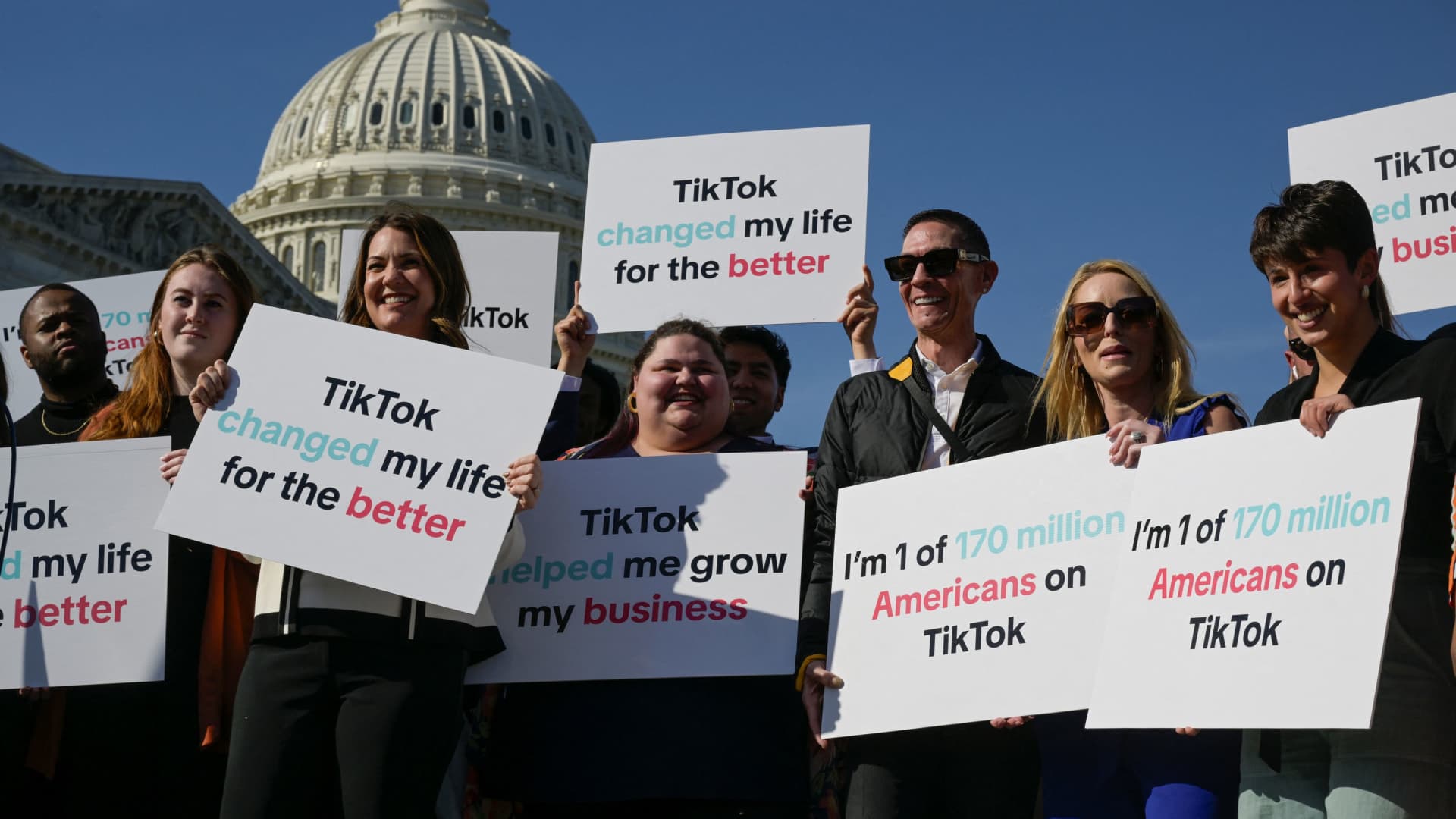
The U.S. House Committee on Energy and Commerce is set to vote on legislation that would give China's ByteDance six months to divest from TikTok or face a U.S. ban, marking significant momentum for a U.S. crackdown on the app. The bill, introduced by bipartisan lawmakers, aims to address national security concerns and would require ByteDance to divest within 165 days. While the White House supports the proposal, TikTok argues that it would trample the First Amendment rights of its 170 million American users and impact small businesses. The legislation faces challenges in an election year, and some lawmakers have raised concerns about its constitutionality.