The Netherlands has used a law from the Cold War era to seize control of Nexperia, a semiconductor company bought by Chinese entrepreneur Zhang Xuezheng, amid increasing European efforts to protect strategic industries from Chinese influence.
Tens of millions of Android and iPhone users are warned to delete certain free VPN apps linked to Chinese companies, as these apps pose significant privacy and national security risks by potentially routing sensitive data through Chinese government-controlled entities. Despite assurances from Apple and Google, many of these apps lack transparency about ownership and data handling, raising concerns about user privacy and security, especially given China's national security laws requiring cooperation with state intelligence.
Tens of millions of Android and iPhone users are warned to delete certain free VPN apps linked to Chinese companies, as these apps pose significant privacy and national security risks by potentially routing sensitive data to foreign entities. Despite assurances from Apple and Google, experts highlight the lack of transparency and the need for stricter vetting and monitoring of such apps to prevent data breaches and security threats.
Millions of Android and iPhone users are warned to delete certain free VPN apps linked to Chinese companies, as these apps pose significant privacy and security risks by potentially routing sensitive data to foreign entities, despite claims of privacy and security by app stores and developers.
Senator Mark Warner is leading a bipartisan effort in the Senate to address the national security concerns surrounding TikTok's Chinese ownership, citing fears of potential Chinese propaganda and data collection. The House has voted to ban TikTok if it's not sold by its Chinese owners, and Warner emphasizes the need for continuity of service while considering a potential divestment. He argues that the challenge of China's authoritarian regime and economic impact on corporate America is a bipartisan concern that requires action in the interest of national security.
Legislation to force TikTok's Chinese owner, ByteDance, to sell the app or face a ban in the United States passed through the House but has slowed in the Senate, where there is uncertainty about its progress. Senators are considering their own versions of bills targeting TikTok, and the process of potentially rewriting the House bill to suit the Senate could be time-consuming. This slowdown means that TikTok is likely to face weeks or even months of uncertainty about its fate in the United States.
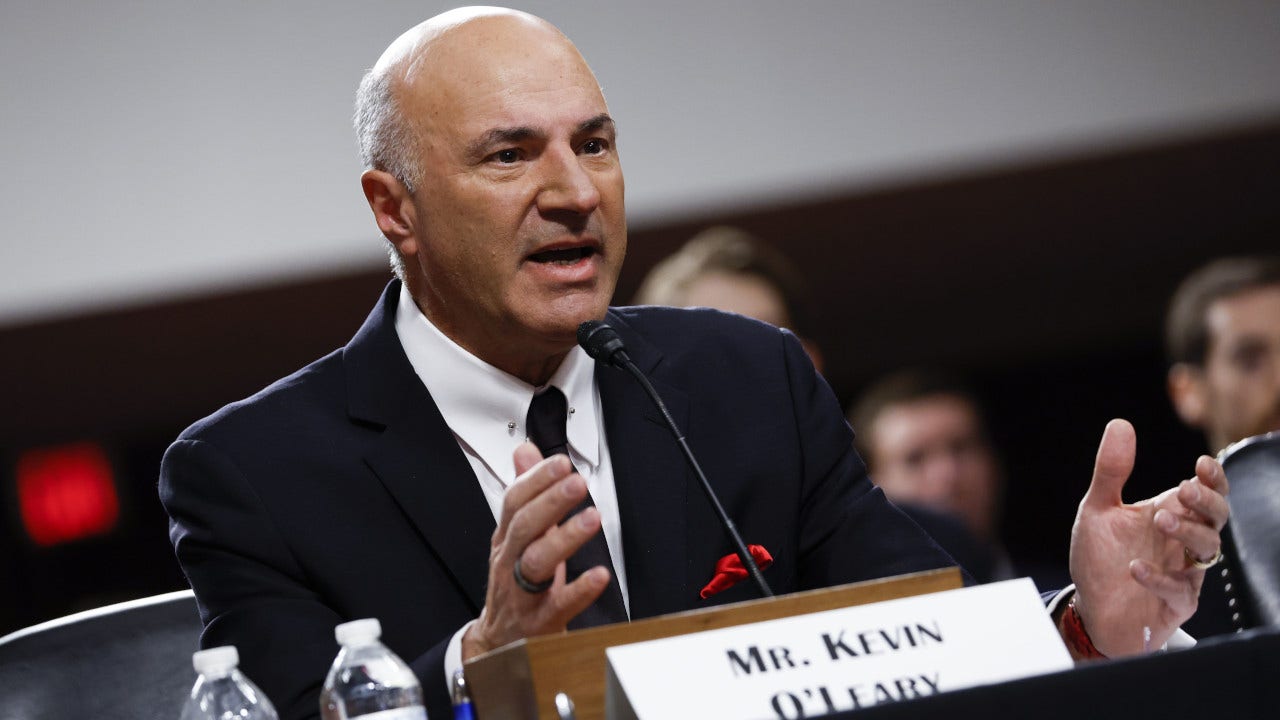
Kevin O'Leary, known as "Mr. Wonderful" on "Shark Tank," is interested in purchasing TikTok if a bill prohibiting Chinese ownership passes. He warns that Chinese proprietors won't sell the algorithm, posing challenges for U.S. buyers in retaining the user base and addressing data mining concerns. O'Leary notes the difficulty in determining the full purchase cost and cites the example of X (formerly Twitter) losing market value after ownership transfer. The bill to restrict foreign-controlled applications received bipartisan support, with concerns raised about executive power and national security.
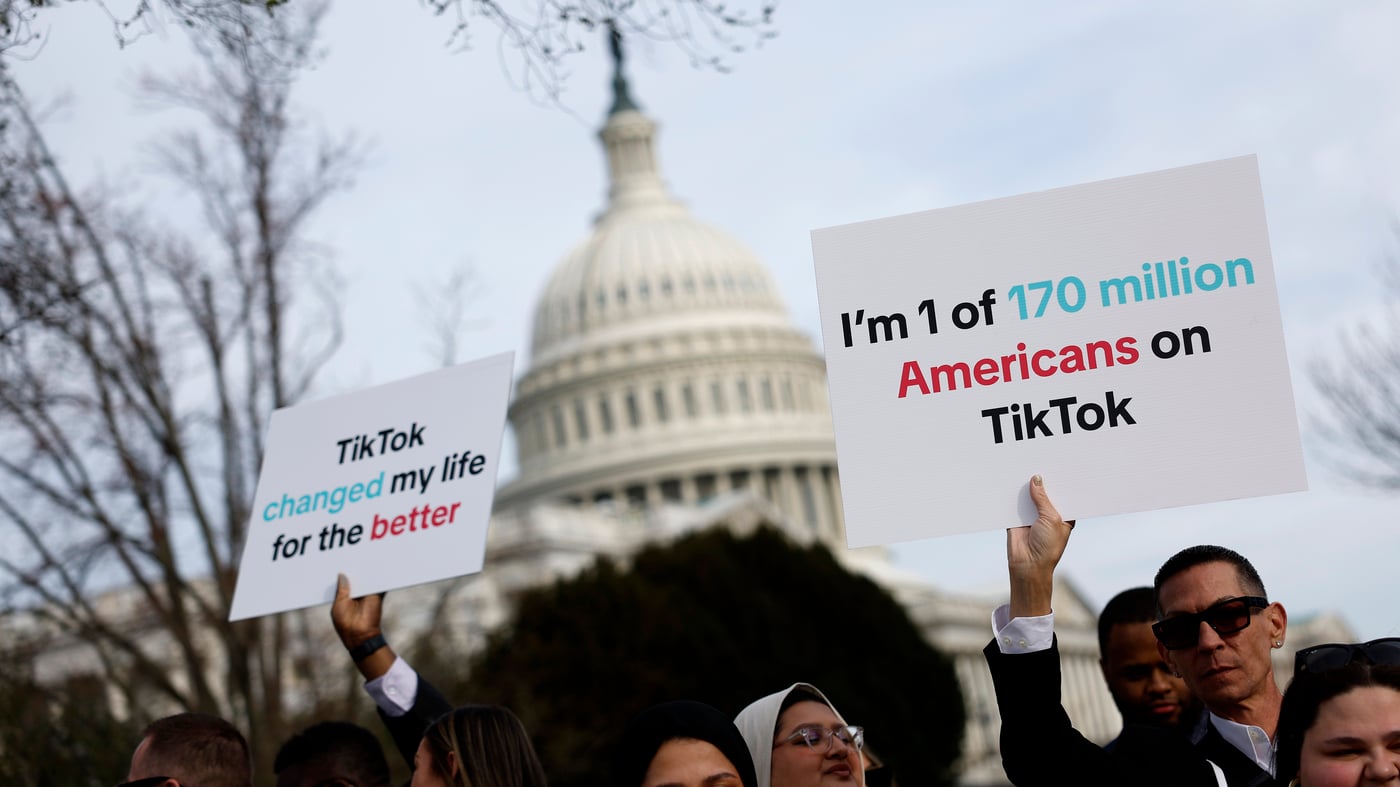
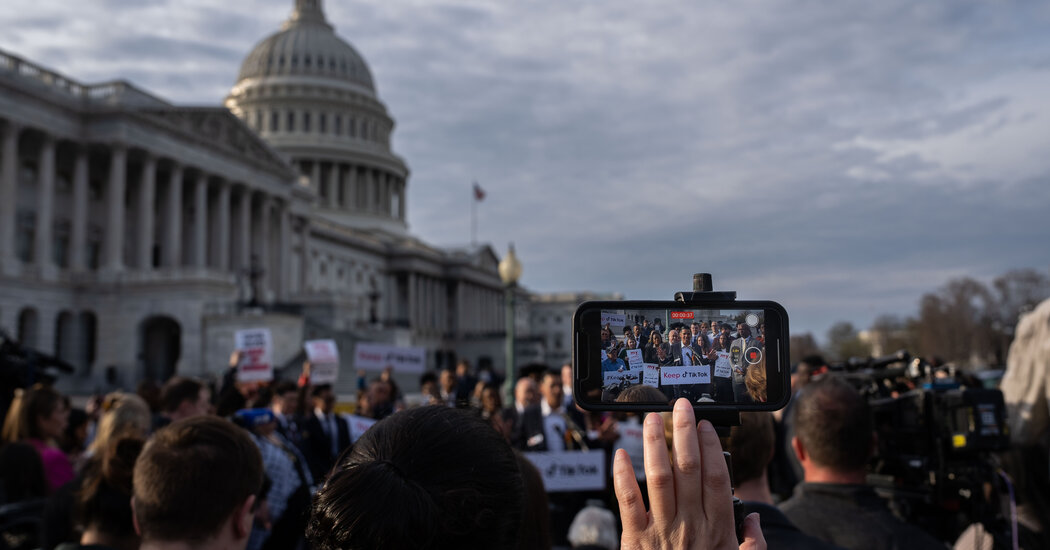
The U.S. House Committee on Energy and Commerce is set to vote on legislation that would give China's ByteDance six months to divest from TikTok or face a U.S. ban, marking significant momentum for a U.S. crackdown on the app. The bill, introduced by bipartisan lawmakers, aims to address national security concerns and would require ByteDance to divest within 165 days. While the White House supports the proposal, TikTok argues that it would trample the First Amendment rights of its 170 million American users and impact small businesses. The legislation faces challenges in an election year, and some lawmakers have raised concerns about its constitutionality.
The U.S. Government Accountability Office found that the Biden administration is failing to track foreign ownership of U.S. farmland, particularly Chinese investment, as required by law. The Department of Agriculture has not consistently shared timely data on foreign investments and has no plan to create an online database, despite Congress mandating one by 2025. Concerns about national security risks related to foreign investments in U.S. agricultural land have prompted Republican lawmakers to call for increased oversight and legislative action.
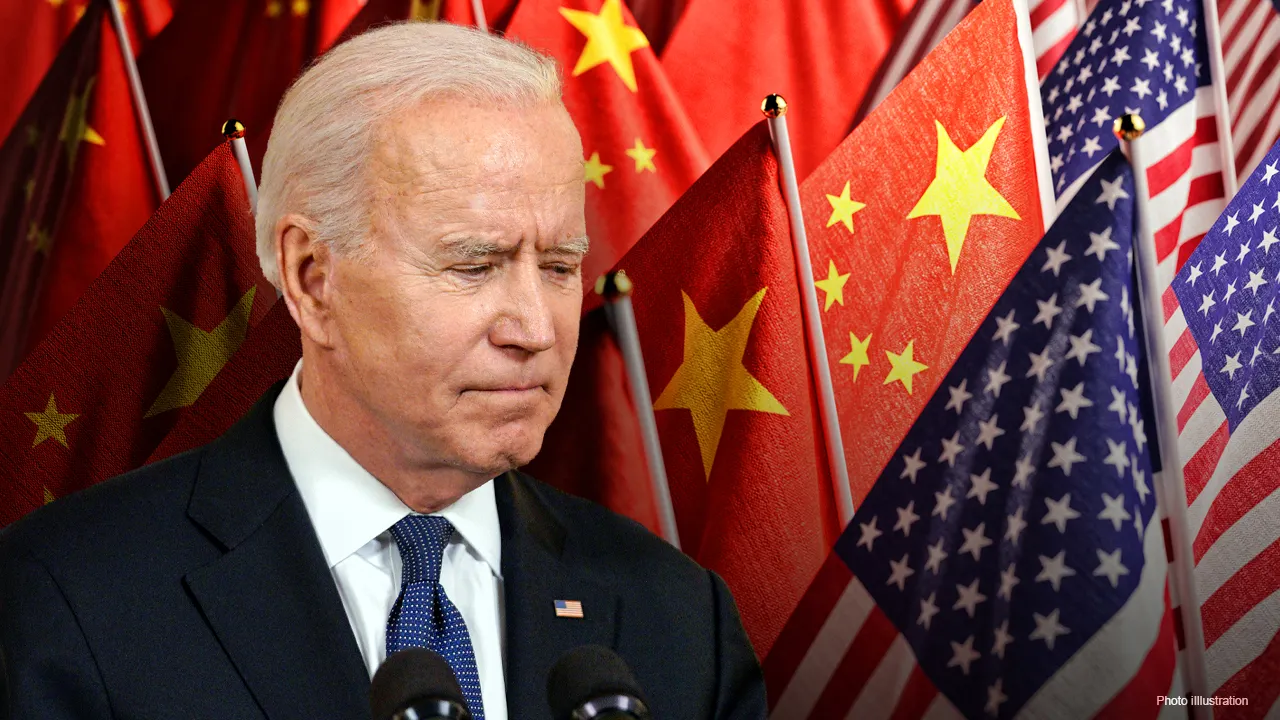
The Biden administration has demanded that the Chinese owners of TikTok sell their stakes in the social media app or face a possible ban in the US due to security concerns about the video-sharing app. The Committee on Foreign Investment in the United States (CFIUS) has been negotiating with TikTok for over two years on a way to let the app keep operating in the US. TikTok has countered that a sale wouldn't solve the perceived security problems and is still going ahead with "Project Texas," a plan to route user traffic through Oracle's cloud servers.
TikTok has claimed that the Biden Administration has threatened to ban the app if its Chinese owners do not sell their stakes in the company. The app has been under scrutiny from lawmakers over concerns that the Chinese government could use it to gain access to private user data or spread misinformation. The Committee on Foreign Investment in the U.S. launched a national security review of the app in 2020. TikTok argues that a divestment wouldn't solve concerns over national security and that the best way to address these concerns is with transparent, U.S.-based protection of U.S. user data and systems.