Renowned futurist and Google's Director of Engineering, Ray Kurzweil, predicts a future of universal prosperity by 2030, driven by advancements in artificial intelligence and nanotechnology. In his book "The Singularity is Nearer," Kurzweil envisions a world where AI surpasses human intelligence by 2045, leading to transformative changes such as digital immortality, medical nanobots, and abundant resources. While his predictions are bold and have critics, Kurzweil's past accuracy in forecasting technological shifts lends weight to his vision of a future where humanity and machines are deeply integrated.

Scientists at ORNL have successfully characterized a Promethium complex in solution for the first time, allowing direct measurement of its properties. This breakthrough fills a significant knowledge gap in lanthanide chemistry and has vast technological implications, potentially improving lanthanide extraction and refining methods, making these rare earth elements more accessible for high-tech applications.
The US has maintained its position as the world's largest oil producer for six consecutive years, with its 2023 production reaching a record high unlikely to be surpassed by any global competitor in the near future, according to the Energy Information Administration. Despite a slowdown in growth, technological advancements have made US production more efficient, leading to a remarkable turnaround from a 62-year low in 2008. However, the future of US production remains uncertain due to factors such as private operations, merger activity, and changing financial priorities of public companies.
University of Houston researcher Peter Vekilov has published groundbreaking research revealing a new two-step process in crystal growth, challenging old theories and setting a new direction for future technological developments in the field. By using state-of-the-art experimental techniques, Vekilov discovered that incorporation into kinks may occur in two steps divided by an intermediate state, which could influence the detailed shapes of crystals found in nature and guide the search for solvents and additives that stabilize the intermediate state to slow down the growth of undesired polymorphs.
Despite the challenges faced in 2023, the games industry is looking forward to a more positive 2024. Industry professionals express optimism about the emergence of new technological advancements, such as AI, which can enhance game creation processes. The release of highly-anticipated games and the growth of multiplayer experiences are expected to drive excitement. Additionally, there is a focus on diversity and inclusivity, with efforts to address skills shortages and under-representation of women in the industry. Economic factors, such as reduced interest rates and increased investment, are also expected to benefit the industry. However, some predict more layoffs and closures in the coming year, while others hope for a return to normalcy after a challenging period.
Experts discuss the state of cancer and how technological advancements are reshaping our relationship to the illness, including the importance of early and accurate cancer diagnosis, targeted and individualized care, advances in diagnostics such as molecular and AI, and the development of unique treatment plans based on a person's specific cancer characteristics.
Game designer Xalavier Nelson Jr. discusses the impact of technological advancements on game design and narratives, emphasizing the need for a holistic approach that prioritizes the well-being of developers. While advancements like increased fidelity offer new opportunities for storytelling, they also come with risks, such as increased pressure on studios to meet arbitrary standards. Nelson highlights games like Shadows of Doubt and Hitman: World of Assassination as examples of how technology can enable unique experiences, but warns against the negative consequences of unsustainable working conditions in the industry. He calls for a shift towards considering the holistic player experience and pushing back against systemic factors that hinder game development.
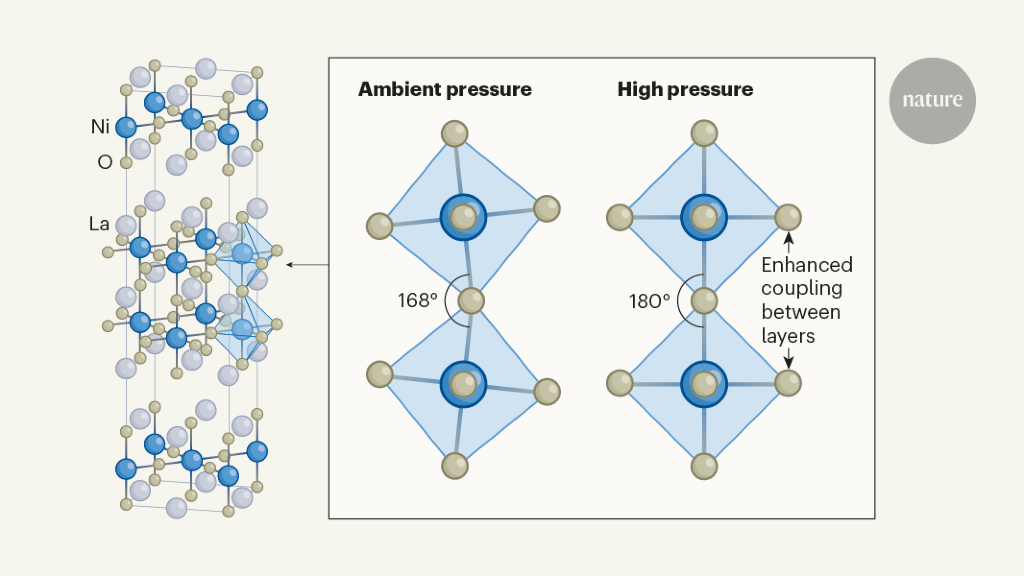
A nickel-based compound has demonstrated superconductivity at a temperature of 80 kelvin under high pressure, bridging the gap between other nickelates and copper-based superconductors. This discovery opens up new possibilities for finding technologically useful superconducting materials.
NBCUniversal's Mark Woodbury revealed new details about the upcoming Universal Epic Universe theme park in Florida, set to open in 2025. The park will be the most technologically advanced yet, incorporating facial recognition and photo validation technology for a frictionless guest experience. It will feature four themed lands, including a larger Nintendo Land than in Japan and Hollywood, and a central hub with unique attractions and food service. Universal aims to extend visitor stays in Orlando and is adding 2,000 hotel rooms for Epic, along with unprecedented hotel integration. The park's launch was delayed due to the pandemic. Universal also plans to open a kids' theme park in Texas in 2026 and a Halloween horror experience in Las Vegas in 2025.
A short film titled "Capitol of Conformity" is entirely AI-generated, from the visuals and animation to the voice-over. Set in a futuristic city called The Capitol, the film explores a seemingly perfect utopia that comes at the cost of one's identity. The film serves as a warning, raising ethical dilemmas and prompting reflection on the direction of our own society in the face of technological advancements.
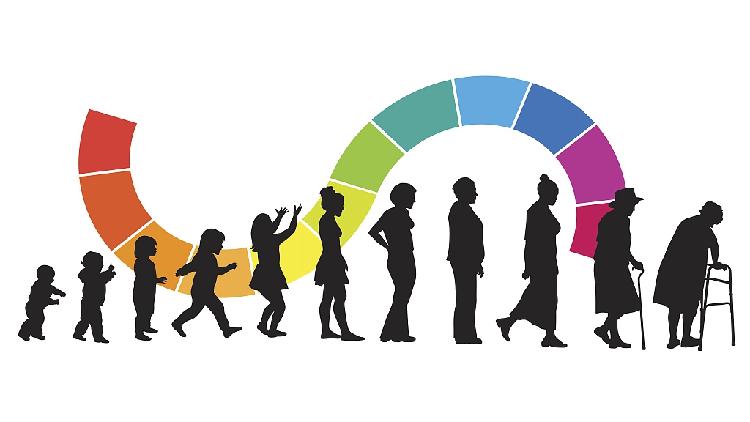
Human life expectancy is projected to increase to between 100 and 120 years within the next 50 years, particularly in developed countries, according to a study by researchers at Malardalen University. Advancements in technologies such as artificial intelligence and wearable devices will enable individuals to track their health status and receive early recommendations for lifestyle changes, resulting in improved health and longer lifespans. The COVID-19 pandemic has also contributed to better knowledge of virus tracing and the use of AI in diagnosing diseases and developing treatments. However, climate change poses significant challenges to healthcare systems and overall well-being.