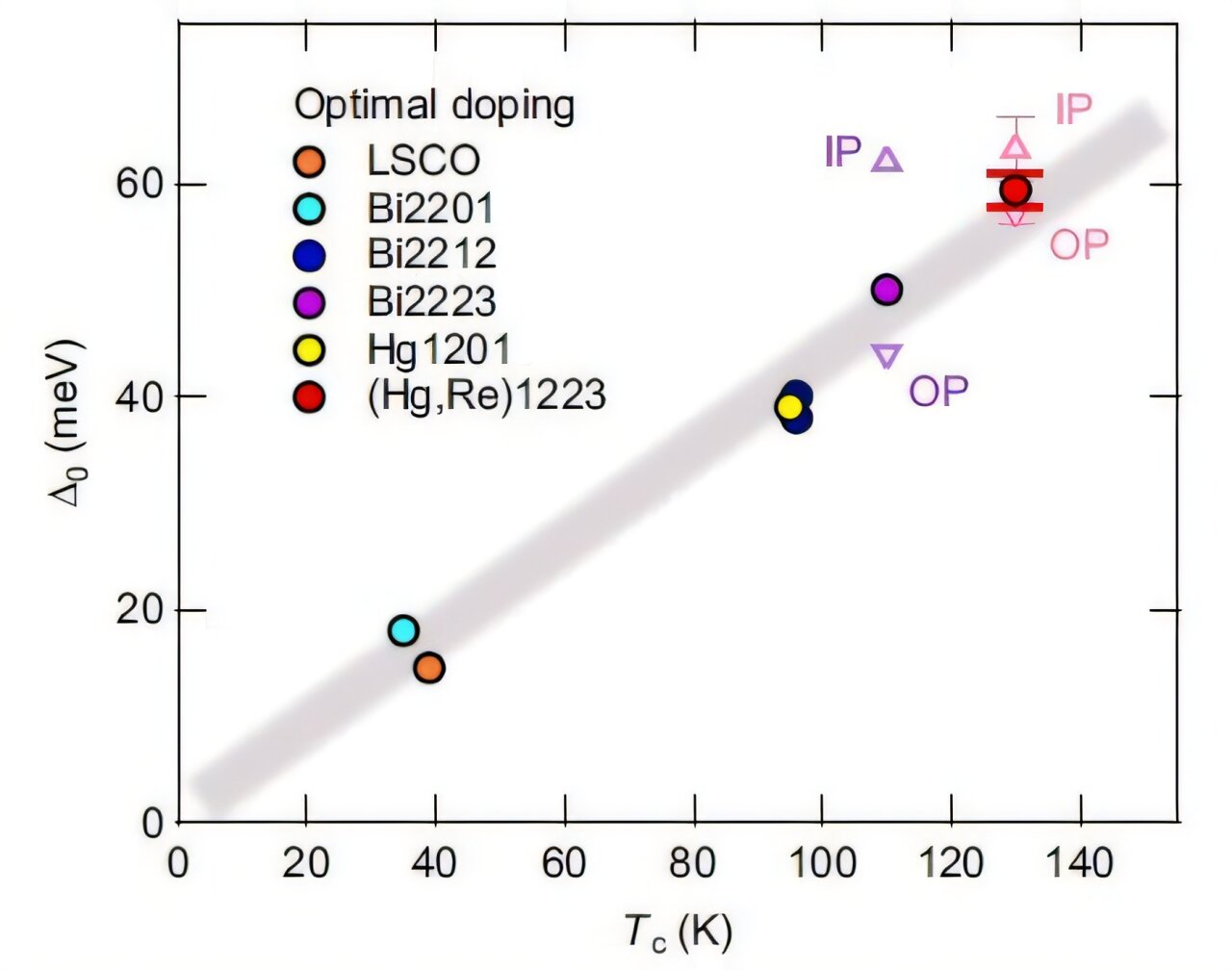
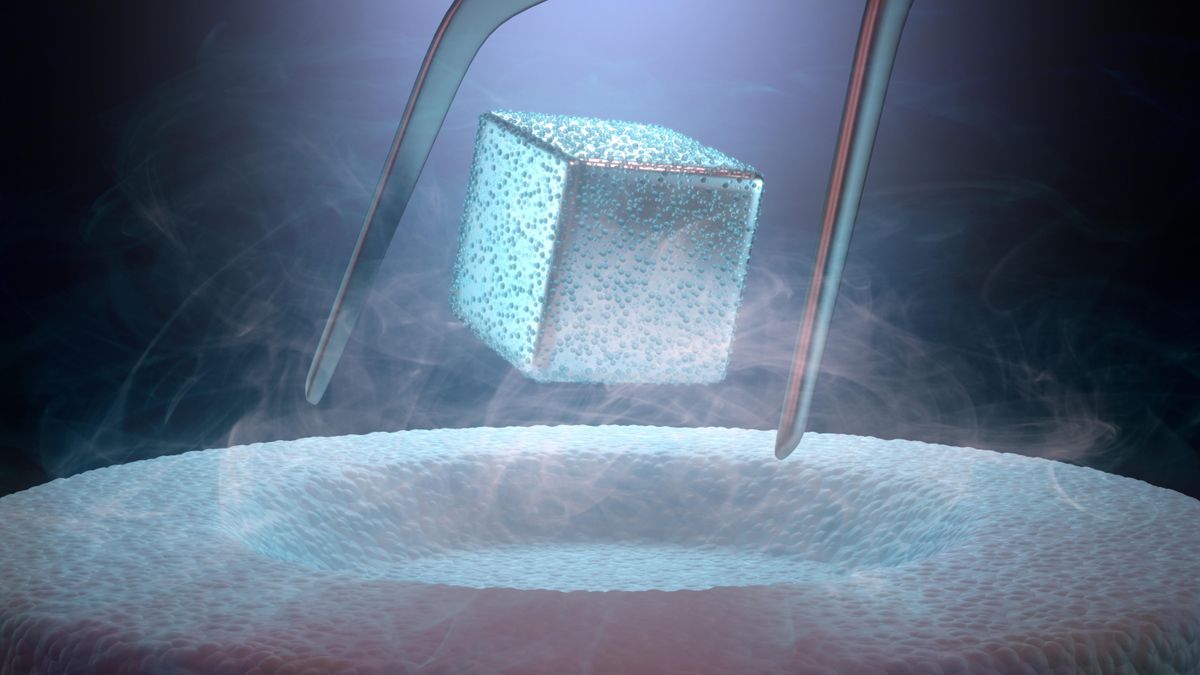
Researchers analyzed new high-temperature cuprate superconductors using ARPES, revealing that enhanced pairing energy in outer CuO2 layers contributes to higher critical temperatures, advancing understanding of superconductivity mechanisms.
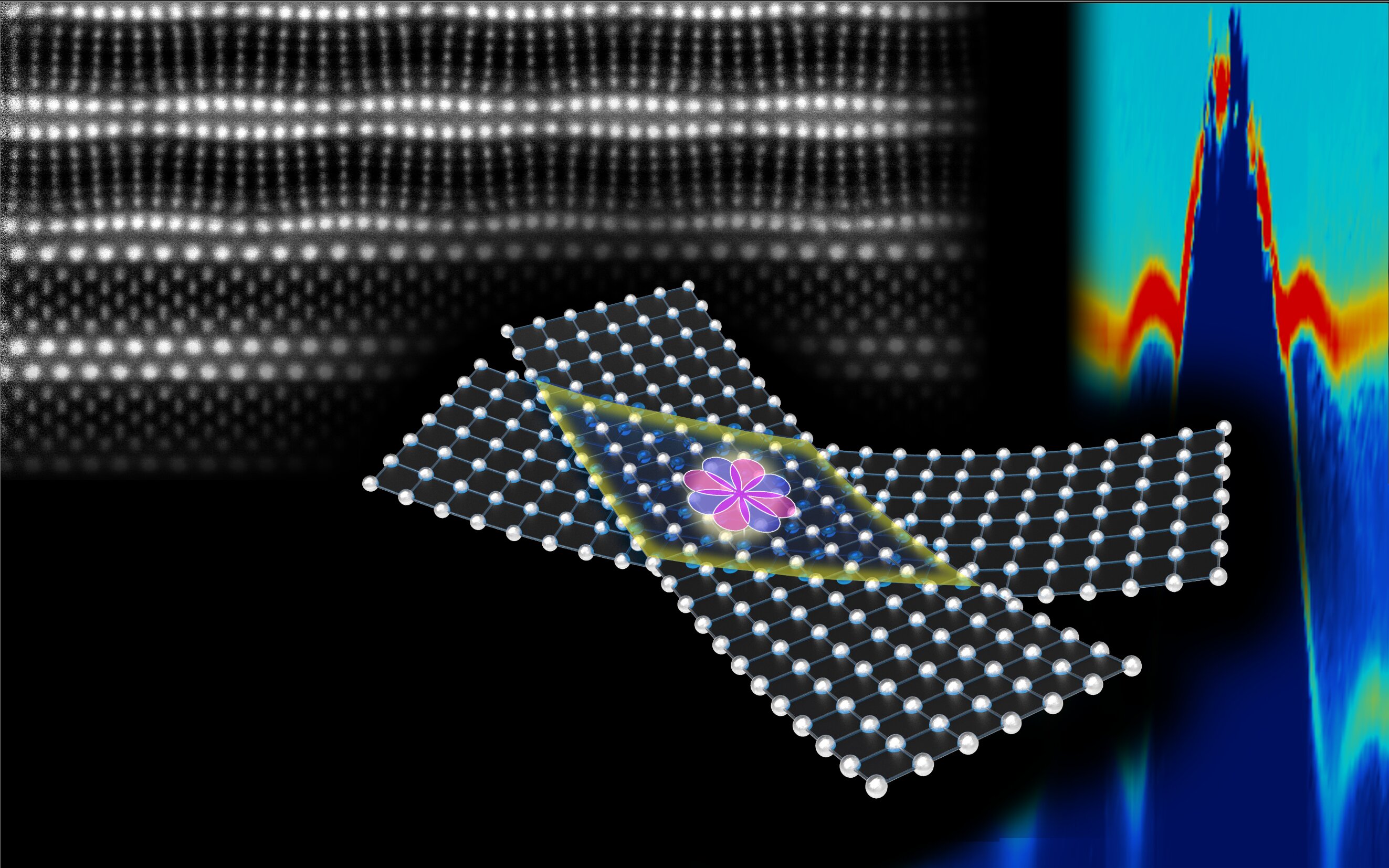
Harvard researchers, led by Philip Kim, have developed a high-temperature superconducting diode using cuprates, a breakthrough that could advance quantum computing. By fabricating a clean interface between two thin layers of cuprate crystals, the team demonstrated directional supercurrent and control over quantum states. This development opens doors for studying exotic materials and topological phases, paving the way for new forms of superconductivity in previously unattainable materials. The research was supported by the National Science Foundation, the Department of Defense, and the Department of Energy.
Researchers at Harvard University have developed a new method for creating and manipulating higher-temperature superconductors called cuprates. Using a low-temperature device fabrication technique, they have successfully engineered a high-temperature superconducting diode made from thin cuprate crystals. This breakthrough could have implications for industries like quantum computing, which rely on sustained mechanical phenomena. The team achieved this by creating a clean interface between two layers of cuprate crystals and demonstrated electronic control over the interfacial quantum state. This research opens doors for further exploration of exotic materials and topological phases.
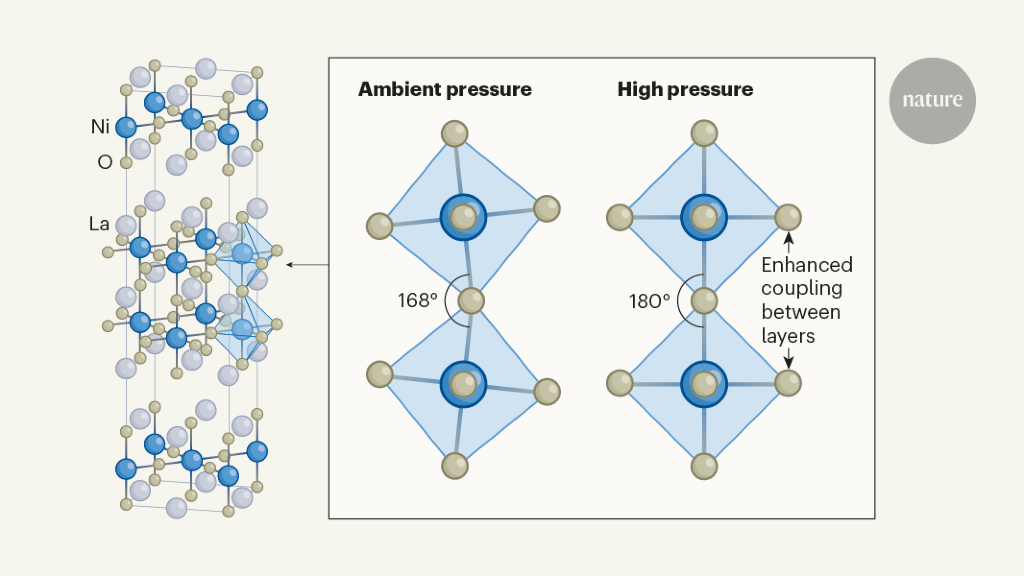
A nickel-based compound has demonstrated superconductivity at a temperature of 80 kelvin under high pressure, bridging the gap between other nickelates and copper-based superconductors. This discovery opens up new possibilities for finding technologically useful superconducting materials.
Rochester, Minnesota experienced scorching temperatures, tying the all-time high for September 3rd at 94 degrees. Despite the heat, some residents found ways to enjoy the outdoors, such as playing pickleball and longboarding to Cascade Lake. Others took advantage of the lake to cool off and engage in water activities. However, some summer activities closed early due to the record heat.
Physicists have discovered a mysterious mechanism called oscillating superconductivity, which allows materials to superconduct at much higher temperatures than normal. This finding could lead to the development of room-temperature superconductor materials, enabling near-lossless transmission of energy. The researchers identified a connection between van Hove singularities and the emergence of oscillating superconductivity, providing a new theoretical framework for understanding this behavior. Further experimental efforts are needed to validate the underlying mechanism.
The Live Doppler 15 Fury Storm Team has declared a 15 Fury Alert Day for Thursday due to a dangerous combination of high heat and humidity, with an Excessive Heat Warning in place for northeast Indiana and northwest Ohio. Temperatures could reach record-breaking levels in the mid-90s, making it the biggest heatwave of the year. It is advised to limit outdoor activities, stay hydrated, and check on neighbors for safety.