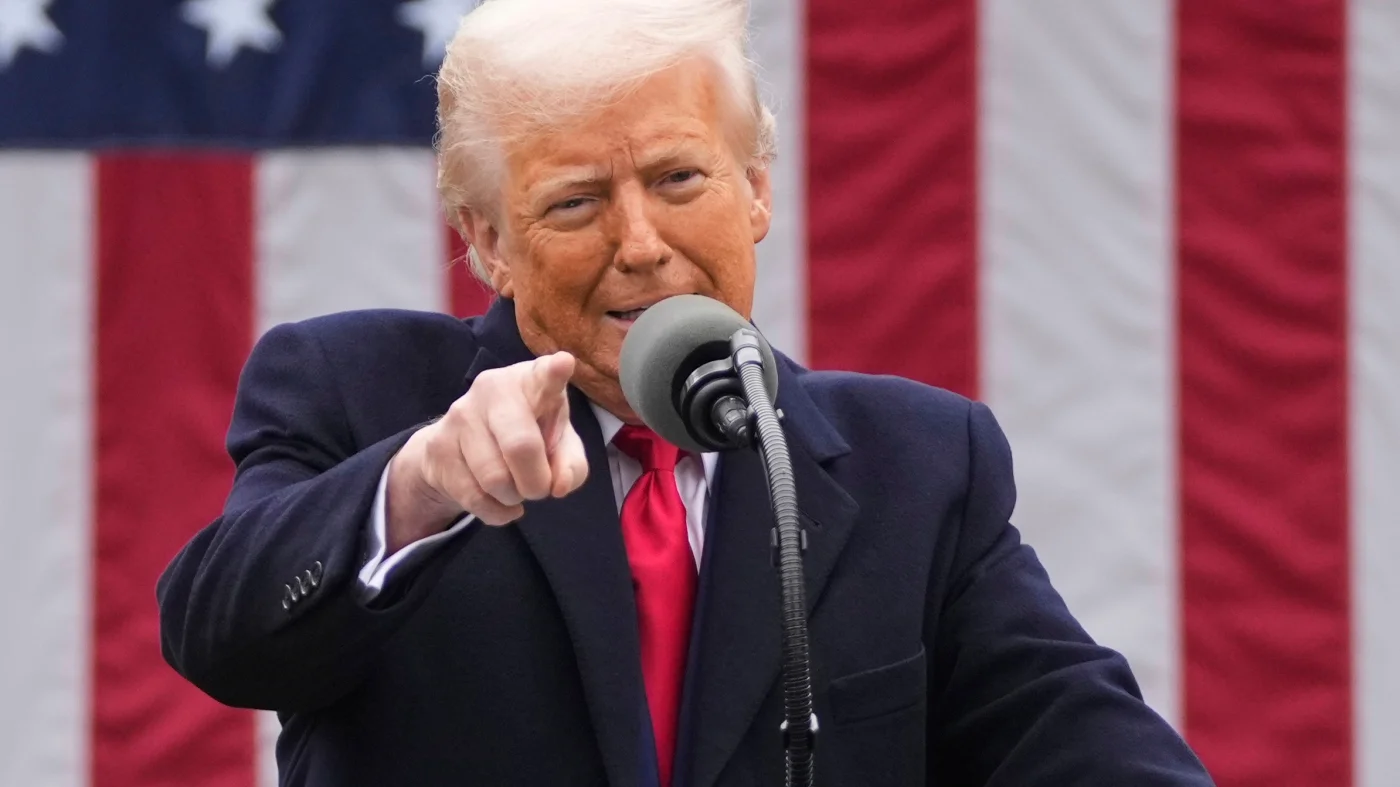
President Trump proposed a $2,000 rebate to Americans funded by tariffs, but experts say the plan is financially unfeasible and could increase the national debt. The White House suggests the rebate might come in the form of tax cuts rather than direct payments, while legal debates over the authority to levy tariffs continue, complicating the implementation of any such plan.
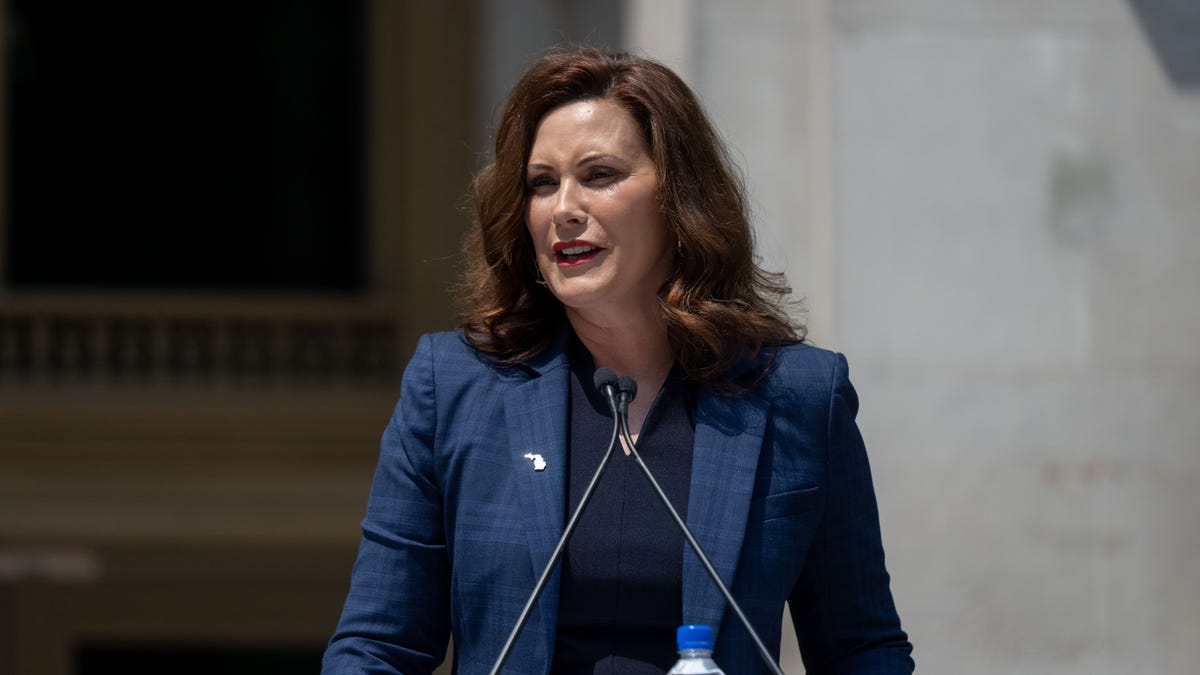
Michigan Governor Gretchen Whitmer has proposed expanding a tax rebate plan to include both electric and internal combustion engine vehicles, with larger rebates tied to purchases from union shops. Under the plan, individuals purchasing a new electric or hybrid vehicle would receive a $2,000 rebate, while those buying a new gas-powered vehicle would receive a $1,000 rebate. The rebates would increase by $500 if the vehicle is made at a union-represented facility. Whitmer plans to request $25 million in funding from the state legislature for the program. The proposal aims to lower costs, support auto workers, and stimulate vehicle manufacturing in Michigan.
Starting January 1, 2024, new rules for EV tax rebates will require a lower MSRP cap and a battery built in the U.S. to be eligible. EVs with battery materials sourced from China, North Korea, and Russia will receive no federal incentive. Cars with at least 50% of materials sourced in North America or countries with free trade agreements with the U.S. will be eligible for a $3,750 rebate. EVs must have at least half of their battery components sourced and assembled in the U.S., Canada, or Mexico, and critical minerals must be sourced from a country with a free trade agreement. Some cars, like the Ford Mustang Mach-E and Tesla Model 3, will no longer be eligible for the full rebate. However, vehicles like the Cadillac Lyriq, Chevrolet Bolt, and Chrysler Pacifica PHEV remain eligible for the full rebate.
Tax rebates of up to $750 are now available for nearly 750,000 Arizona families as part of the Fiscal Year 2024 state budget. The rebate, aimed at helping families combat rising inflation, is the first of its kind and is funded by the latest bipartisan budget. Eligible families will receive the rebates through direct deposit or by mail, with deposits expected to take place in November.
Alabama residents will start receiving tax rebates next month, with single individuals receiving $150 and married couples receiving $300. The one-time rebates are expected to benefit around 1.9 million state residents. The rebates are being funded by a $2.8 billion surplus in the Education Trust Fund and will cost the state approximately $393 million. Eligible recipients must have filed a state income tax return for 2021 by October 17th of last year. The rebates will be distributed via direct deposit or mailed checks starting from November 30th.
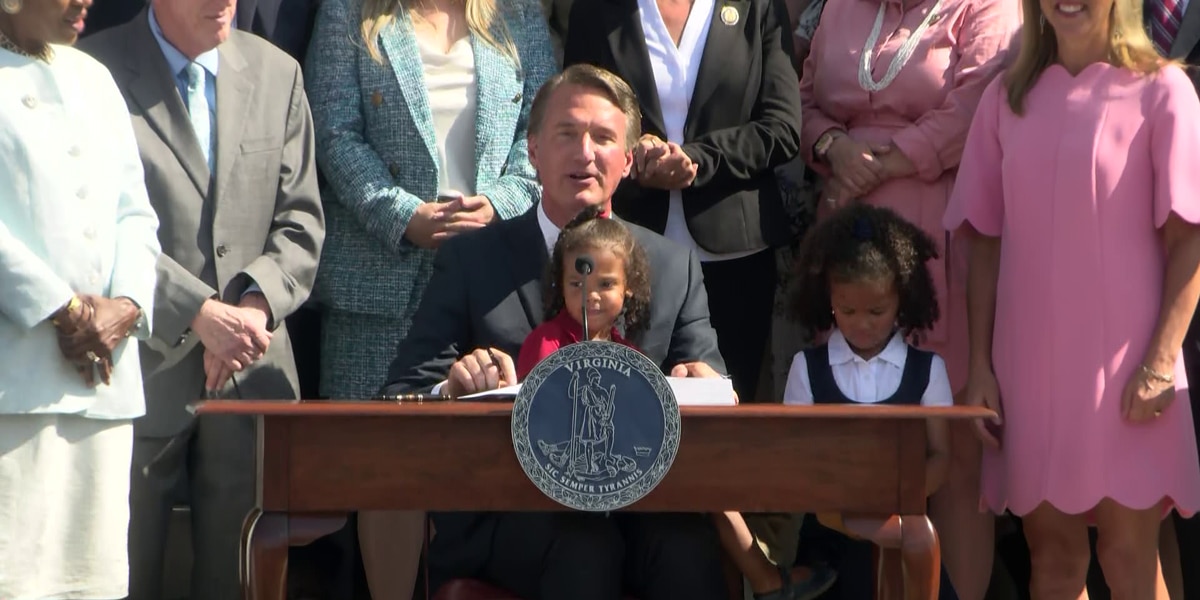
Virginia Governor Glenn Youngkin signed a new budget deal that includes reinstating the state-wide sales tax holiday, providing tax rebates of $200 for single filers and $400 for married couples, increasing the standard deduction, raising the business interest deduction, and allocating funds for K-12 education, mental health services, interstate widening, and economic development activities. Youngkin emphasized the importance of conservative solutions and investments to make Virginia a better state for its residents.
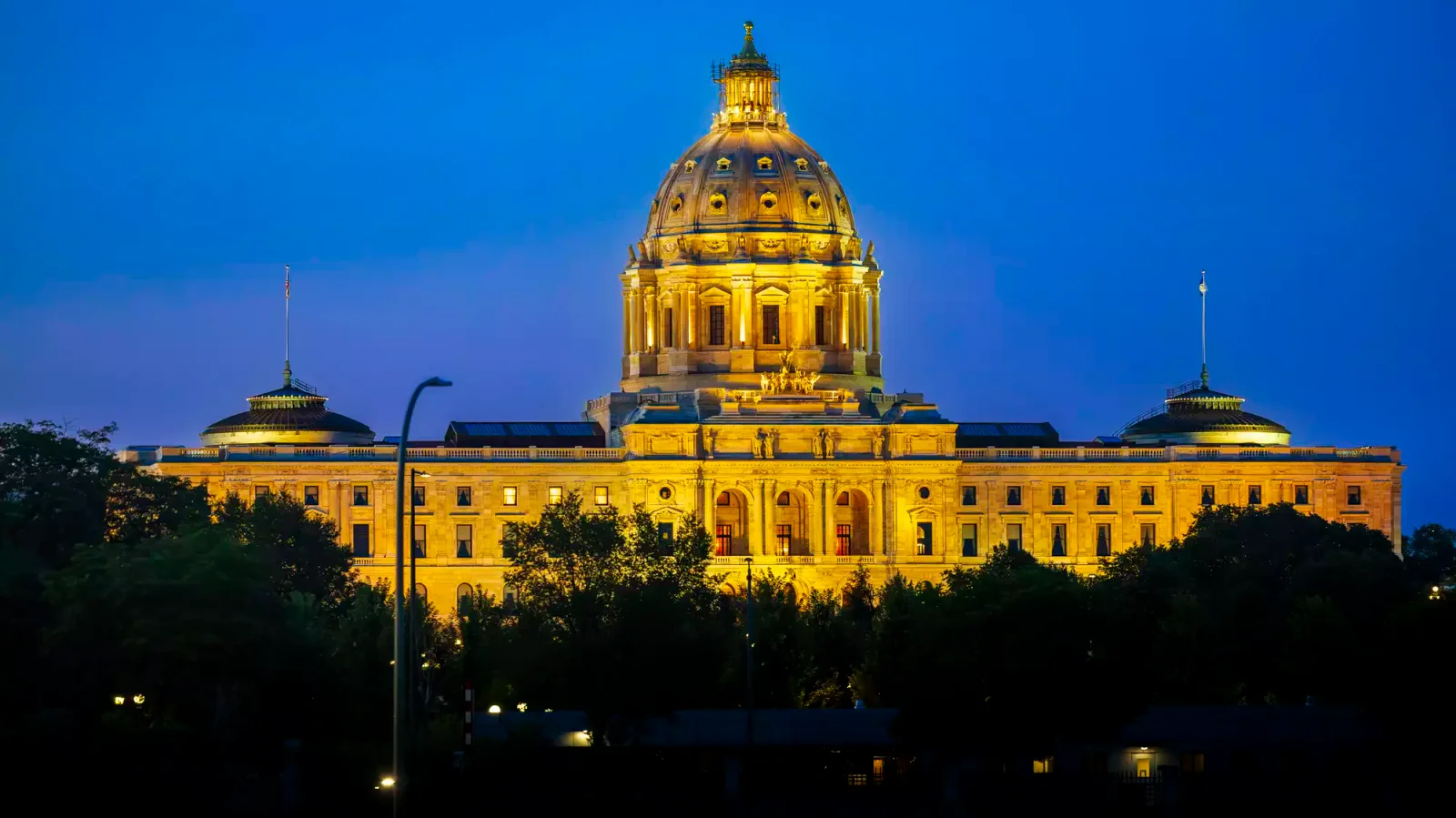
Over $1.1 billion in tax rebates will be distributed to qualifying Minnesotans, with the first wave of payments being direct deposits and paper checks to follow. The rebates were carved out of a projected budget surplus and are reserved for married filers with an adjusted gross income below $150,000 or single filers beneath $75,000. The amount of $260 per person can be multiplied by the number of recipients in a household, with married filers and up to three dependents earning the maximum. The rebates were designed to offset financial hardships during COVID-19 and inflationary pressures, and a final ruling on federal taxation of these payments is pending.
Montana's Republican-controlled Legislature has directed $899 million from the state's budget surplus towards income and property tax rebates. Taxpayers who were full-year Montana residents and paid their state taxes on 2020 and 2021 income on time will receive a rebate of up to $1,250 for their 2021 taxes. Homeowners are eligible for up to $675 a year for their 2022 and 2023 property taxes on their principal residence. Taxpayers do not need to do anything to receive the income tax rebate, but they need to apply for the property tax rebate.
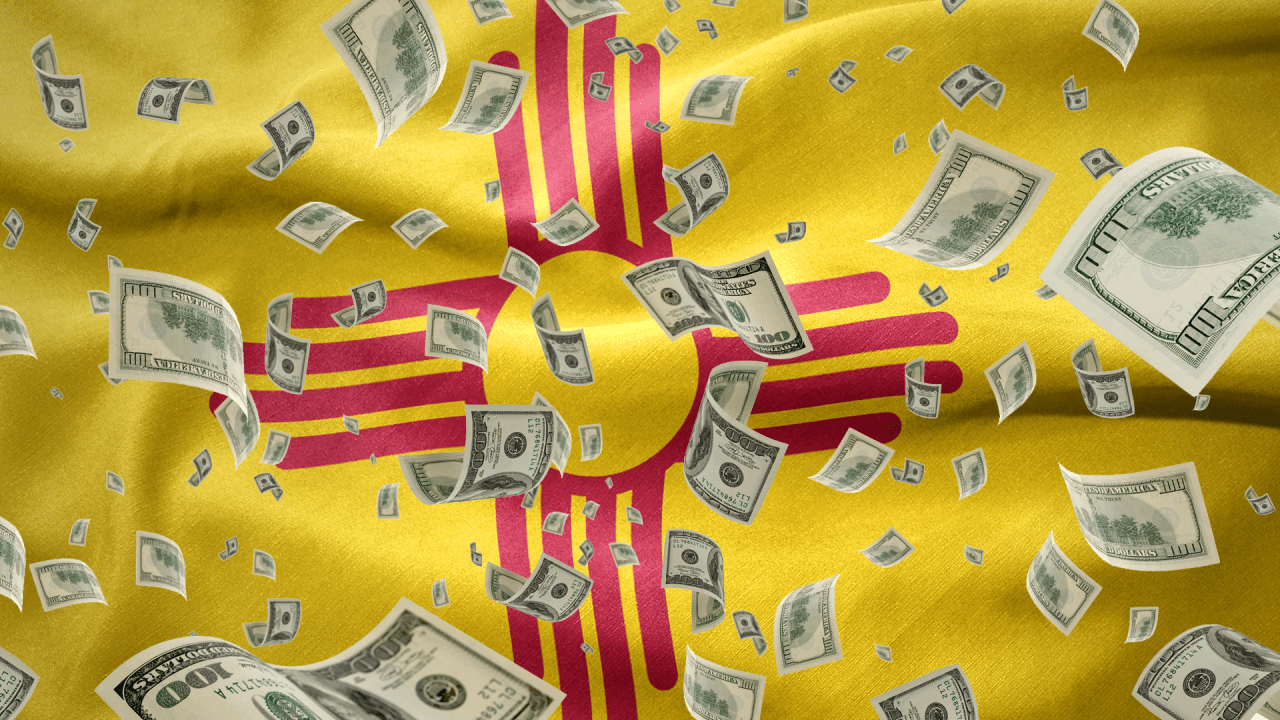
New Mexicans who previously filed taxes could get up to $1,000 in rebates as part of a second round of economic relief. Single tax filers will get $500, while married couples are eligible for $1,000. Rebate checks will be automatically sent via direct deposit to those who used it when filing their 2021 tax returns. Low-income New Mexicans who do not file income tax returns can also apply for an economic relief payment on a first-come, first-served basis. More than $15 million is available for this round of payments.
Alabama lawmakers have approved a one-time tax rebate of $150 for single people and $300 for married couples, which will cost the state an estimated $393 million. The bill now goes to Governor Kay Ivey, who will decide whether to sign the legislation into law. Ivey had earlier called for larger rebates of $400 for singles and $800 for married couples. The rebate bill was approved as part of an appropriations package that also reached final passage Thursday night, which included a nearly $9 billion education trust fund budget and a plan to lower the state sales tax on food from 4% to 2%.
Alabama lawmakers have approved a one-time tax rebate of $150 for single people and $300 for married couples, which will cost the state an estimated $393 million. The bill now goes to Governor Kay Ivey for approval. The rebate was part of an appropriations package that also included a nearly $9 billion education trust fund budget, a 2% pay raise for public school teachers and K-12 employees, and a plan to lower the state sales tax on food from 4% to 2%. Some lawmakers argued that the money will not go to those who need it the most, but others called it a refund to people who paid state income taxes.
The Minnesota Legislature faces a midnight deadline to finish the 2023 session after passing major elements of the DFL-authored budget plan, including a transportation plan that brings a higher gas tax, a boosted metro sales tax, and a new delivery fee to pay for projects. The broader tax bill will mean $260 rebates for many taxpayers and their dependents, up to $1,300 back in a household. Republicans opposed the bill over tax increases on some investors and multinational companies, while Democrats defended the DFL approach, saying taxes are the cost of living in a society.
Minnesota lawmakers have agreed to send tax rebate checks to millions of Minnesotans as part of a larger tax deal that includes roughly $4 billion in tax cuts, credits, and expenditures, and more than $1 billion in tax increases. However, the amount in each check has dropped significantly, with $260 for individuals, $520 for married couples, and an extra $260 for every child, with a maximum of $1,300. Republican legislators have criticized the meager rebates, while Democrats defend the historically large package of tax cuts and credits that could help people in a variety of ways.
Lawmakers in Minnesota have reached a deal on taxes that includes direct rebate checks to lower- and middle-income Minnesotans. The rebates are $260 for single filers, $520 for married couples, and an additional $260 per dependent, up to three. The deal also includes reducing state income taxes on social security, child tax credits, and relief for renters and homeowners. There's also $300 million in one-time aid to local governments for public safety costs.
New Mexicans will receive another round of relief in the form of tax rebates, with single tax filers receiving $500 and married couples, heads of households, and surviving spouses receiving $1,000. The rebates will be automatic for those who have filed regular tax returns, while those who are not required to file income tax returns can apply for relief from a $15 million pool administered by the state's Human Services Department. The relief is part of a larger tax package, House Bill 547, which also includes a boost in child income tax credits.