Russia's economy is expected to stagnate in 2026 due to ongoing war expenses, falling oil revenues, and Western sanctions, leading to slower growth around 1%, higher taxes, and sustained military spending despite economic pressures.
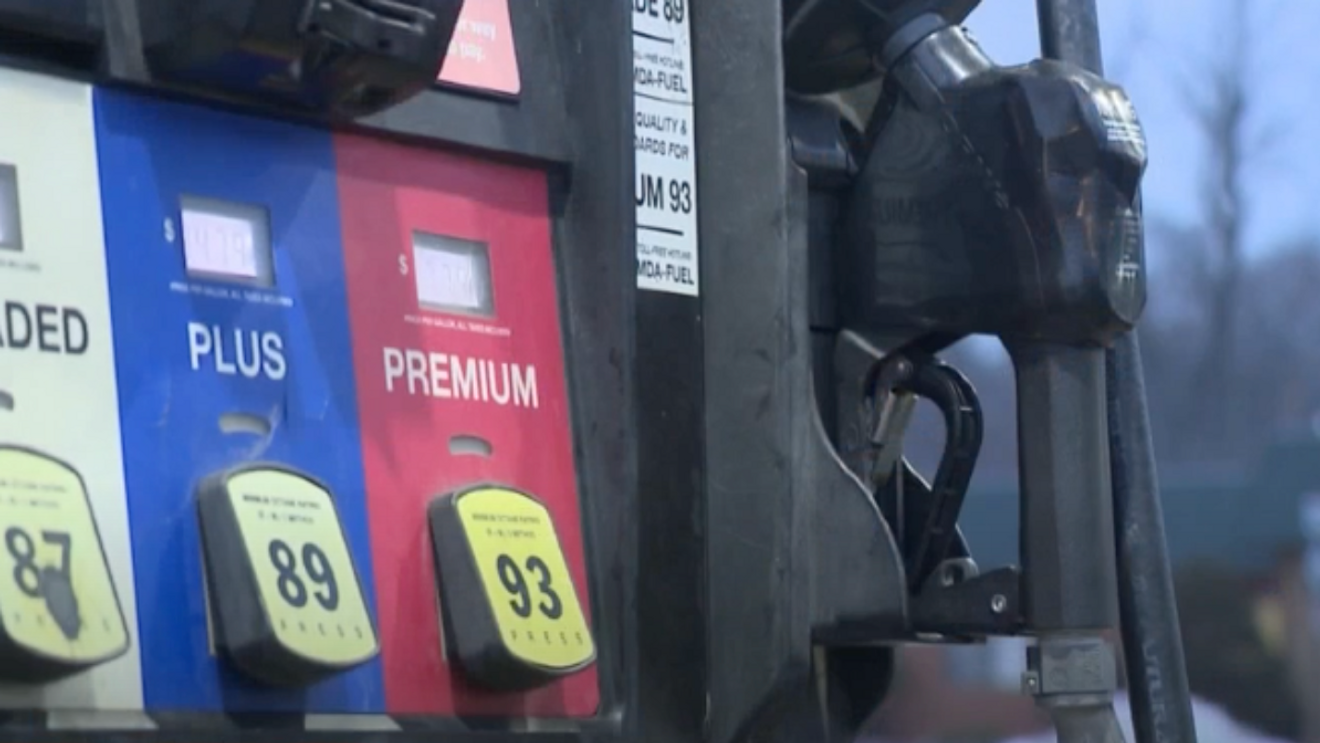
Starting January 1, Michigan eliminates the sales tax on gasoline but increases the flat gas tax to 52.4 cents per gallon, which will grow with inflation, leading to an average increase of $27 annually for drivers, amid generally lower gas prices and higher registration surcharges for electric and hybrid vehicles.
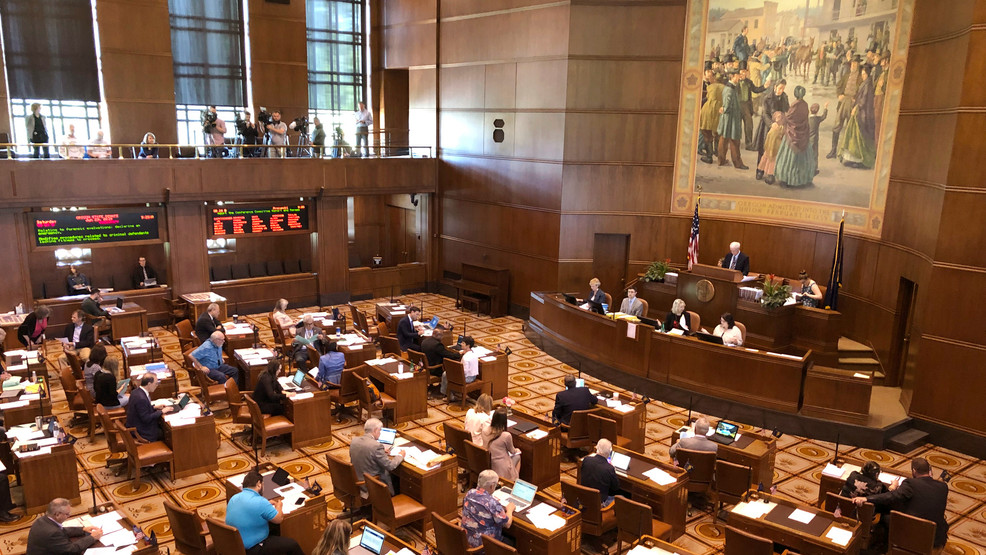
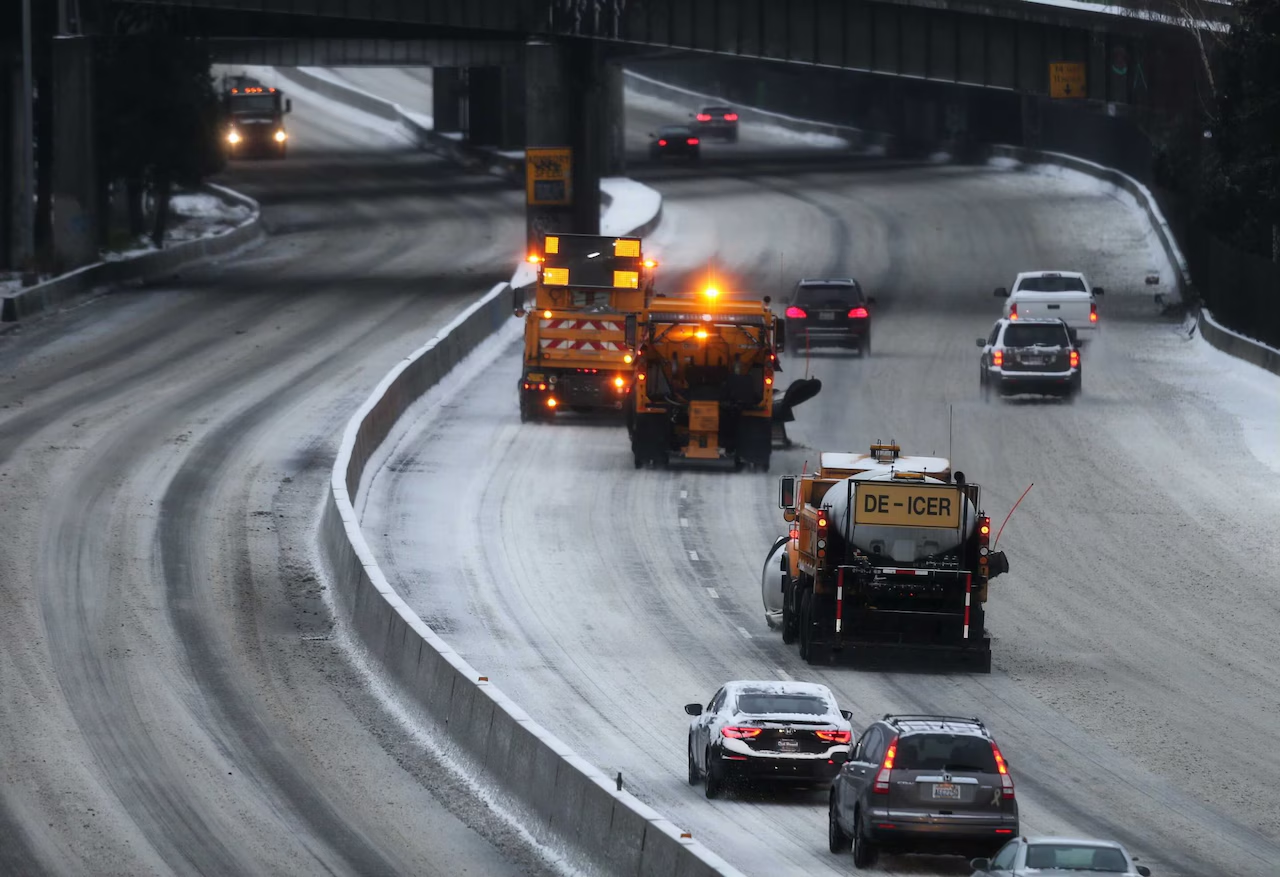
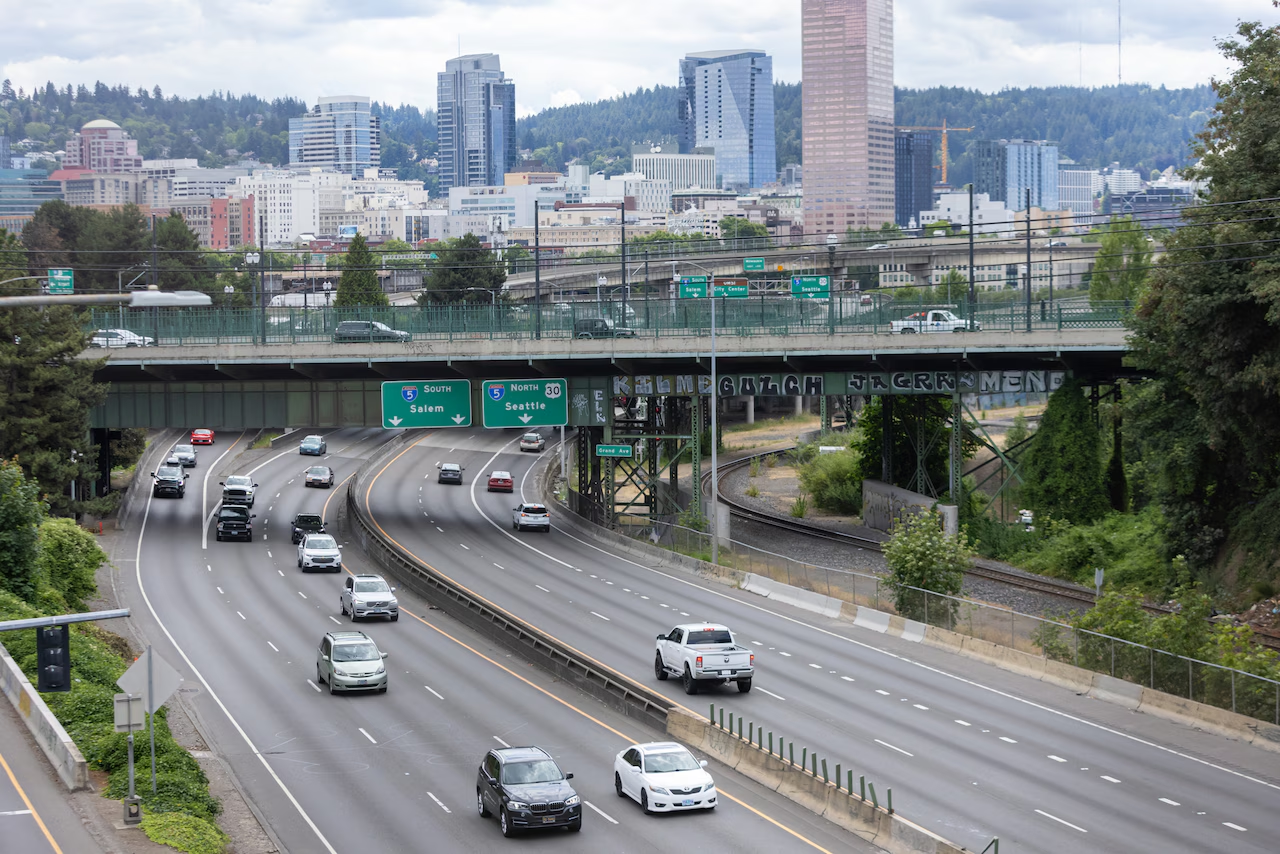
The Oregon House has passed a transportation funding bill aimed at increasing taxes to support highway maintenance and preserve jobs, with the bill now heading to the Senate for a final vote during a special session called by Governor Tina Kotek. The bill includes amendments to limit tax increases and sunset a payroll tax hike in 2028, and its passage is crucial for funding transportation projects and avoiding major highway impacts. Supporters emphasize the bill's importance for road safety and jobs, while opponents criticize it as a significant tax increase.
Oregon Democrats in the House passed a transportation funding package that raises about $4.3 billion over ten years through increased taxes and fees, including a gas tax hike and vehicle fees, to fund road, bridge, and transit projects, with the plan now heading to the Senate amid bipartisan support and concerns over oversight and fiscal impact.
Lawmakers in Oregon are in the third day of a special session debating Governor Kotek's transportation bill, which includes raising payroll taxes, gas taxes, and vehicle registration fees to fund infrastructure and protect ODOT jobs, amid heated debates, public opposition, and amendments to the bill.
Oregon Democrats advanced a transportation funding proposal through a key committee, involving tax and fee increases to support roads, bridges, and public transit, after making last-minute adjustments to gain Republican support.
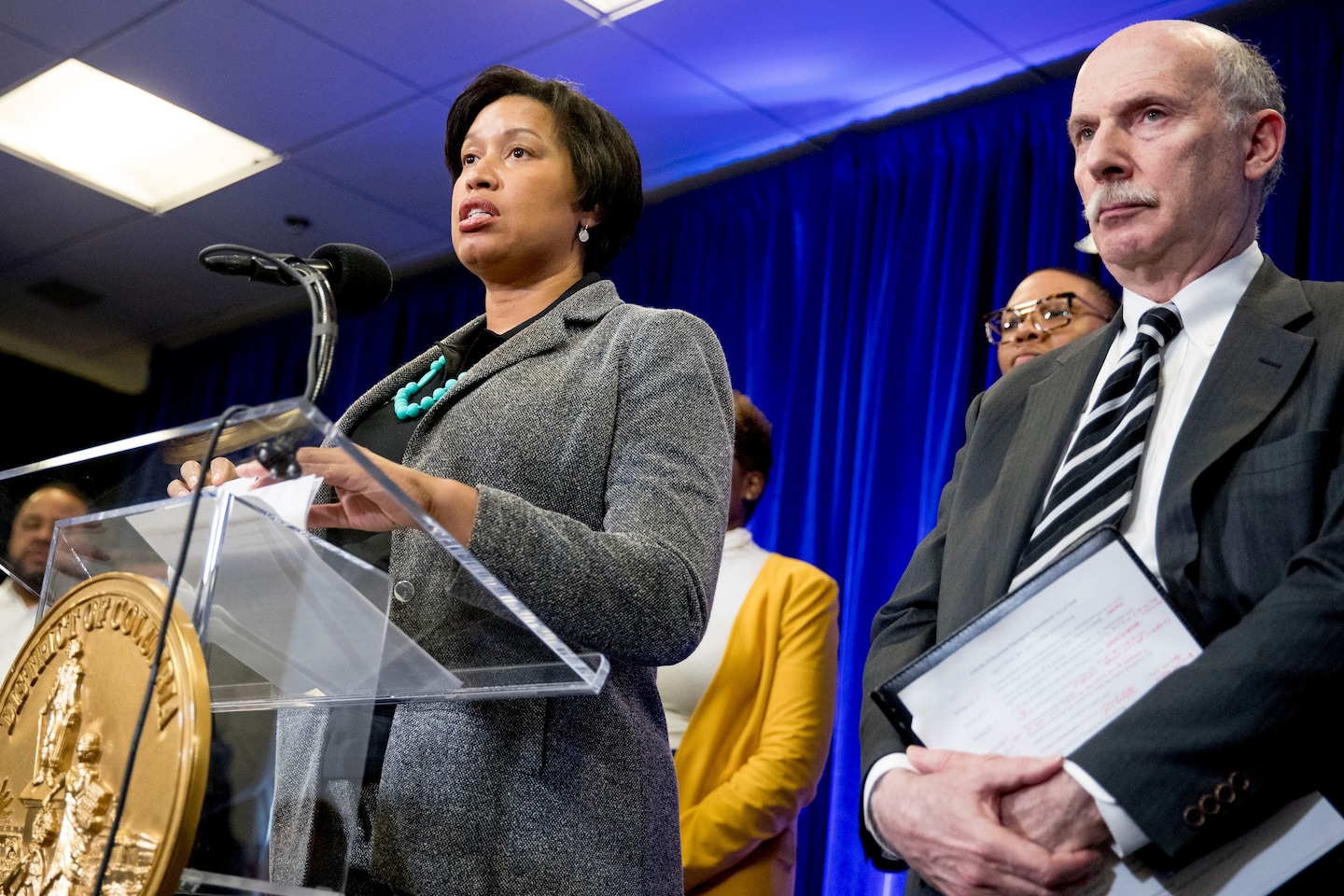
D.C. leaders are preparing for a challenging budget for the next fiscal year, with a potential deficit of $600 million to $800 million. Mayor Bowser and Council Chairman Mendelson are considering a tax increase to address financial pressures, including the need to increase Metro funding, replenish reserves, and boost per-pupil funding for schools. The pandemic's impact on office vacancies and tax revenue continues to affect the city's finances, prompting discussions about potential cuts to programs and the need to focus on core services and public safety. Chief Financial Officer Glen Lee has cautioned about long-term economic risks, including declining tax revenue from commercial properties, while also highlighting some positive signs such as population growth and job rebound in the leisure and hospitality industry. The city's Tax Revision Commission is still finalizing recommendations for potential tax system reforms, adding to the complexity of the upcoming budget deliberations.
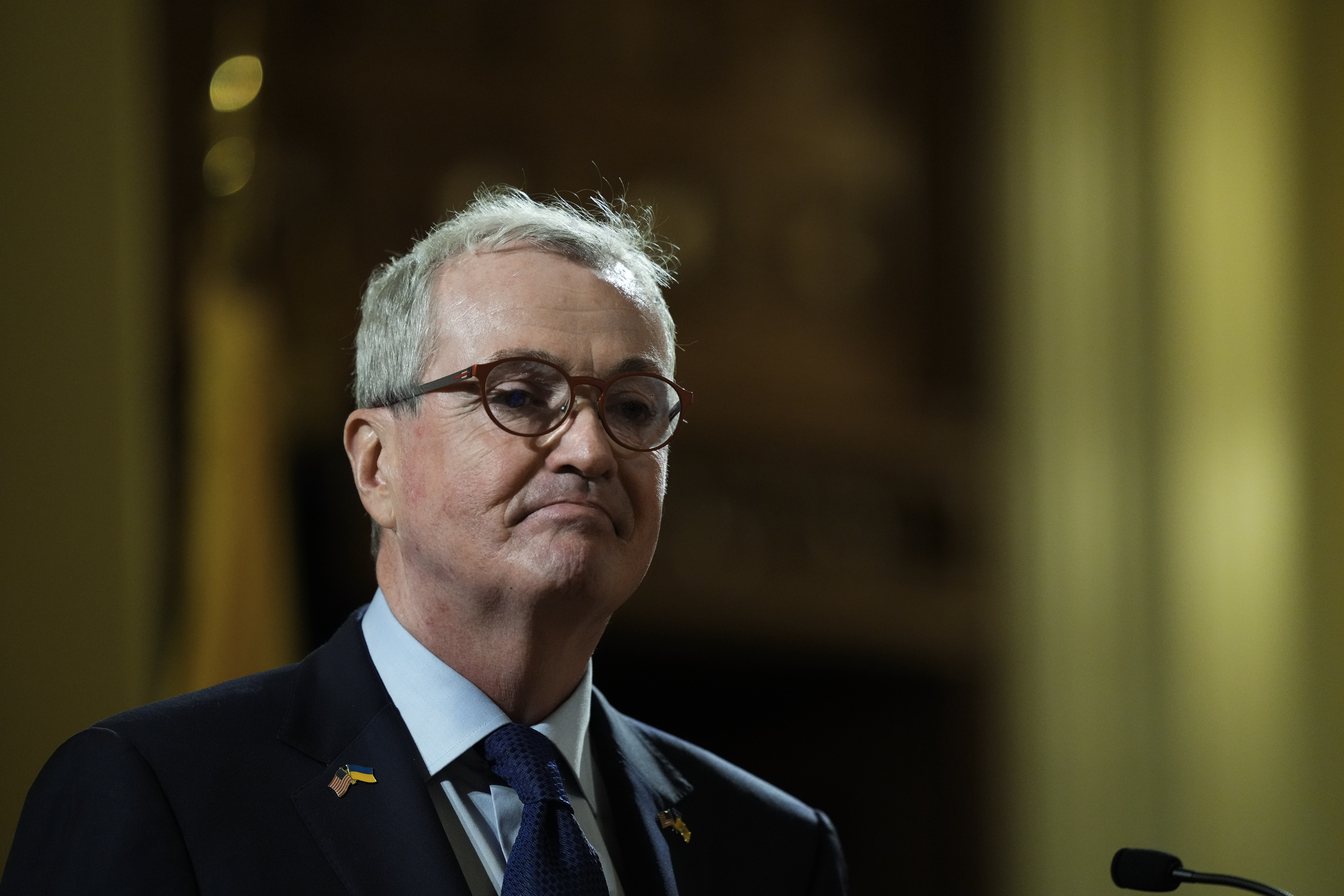
New Jersey Governor Phil Murphy has proposed a $55.9 billion budget that includes a plan to raise business taxes in order to fund the state's struggling mass transit system, breaking his pledge not to raise taxes. The proposed budget also includes a $6.1 billion surplus, with the largest portion coming from the new Corporate Transit Fee. The budget faces opposition from the business community and lawmakers, but if approved, it would provide New Jersey Transit with its first dependable state funding source. The budget also includes funding for property tax relief programs and fully funds the school aid formula, but faces criticism from Republicans for education funding cuts and tax increases.
The Ohio Senate has approved revisions to the Issue 2 adult recreational marijuana law, which include raising the tax on sales, reducing home grow limits, and lowering certain THC levels. The changes would need to be approved by the Ohio House and signed by Gov. Mike DeWine before becoming law. The Senate bill has bipartisan support and is backed by DeWine. Notably, the revised proposal allows Ohioans 21 and older to buy recreational marijuana within 90 days, instead of waiting until 2024 as originally stated in Issue 2. Other changes include setting a six-plant limit for home grow (down from 12), a 15% flat tax on recreational sales (up from 10%), and a provision for expunging records for those convicted of possessing under 2.5 ounces of marijuana. The Senate's vote comes just hours before Issue 2 goes into effect, addressing concerns about the window between legalized possession and legalized sale.
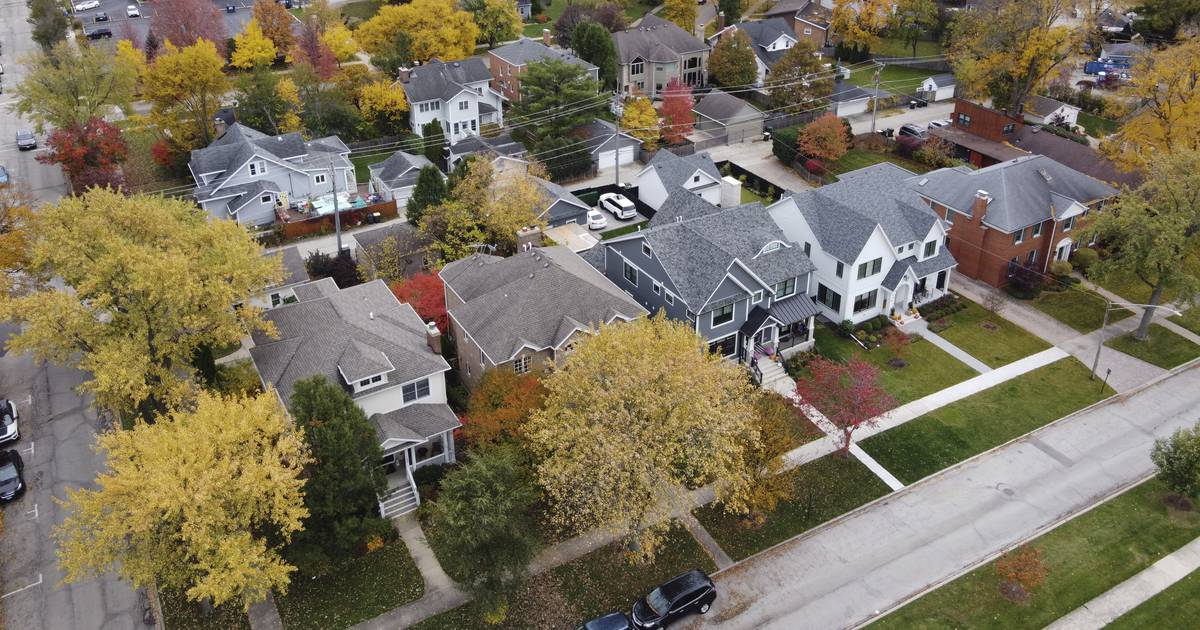
Homeowners in the north and northwest suburbs of Cook County are experiencing the largest property tax increase in the last 30 years, with the median residential tax bill increasing by 15.7%, according to an analysis by county Treasurer Maria Pappas' research team. The increase is attributed to a combination of factors, including the removal of COVID-19 adjustments made in 2020, a surge in housing market prices, and appeals that shifted more of the tax burden onto homeowners. Overall, property taxes across Cook County rose by $909 million, reaching $17.6 billion, a 5.4% increase from last year.
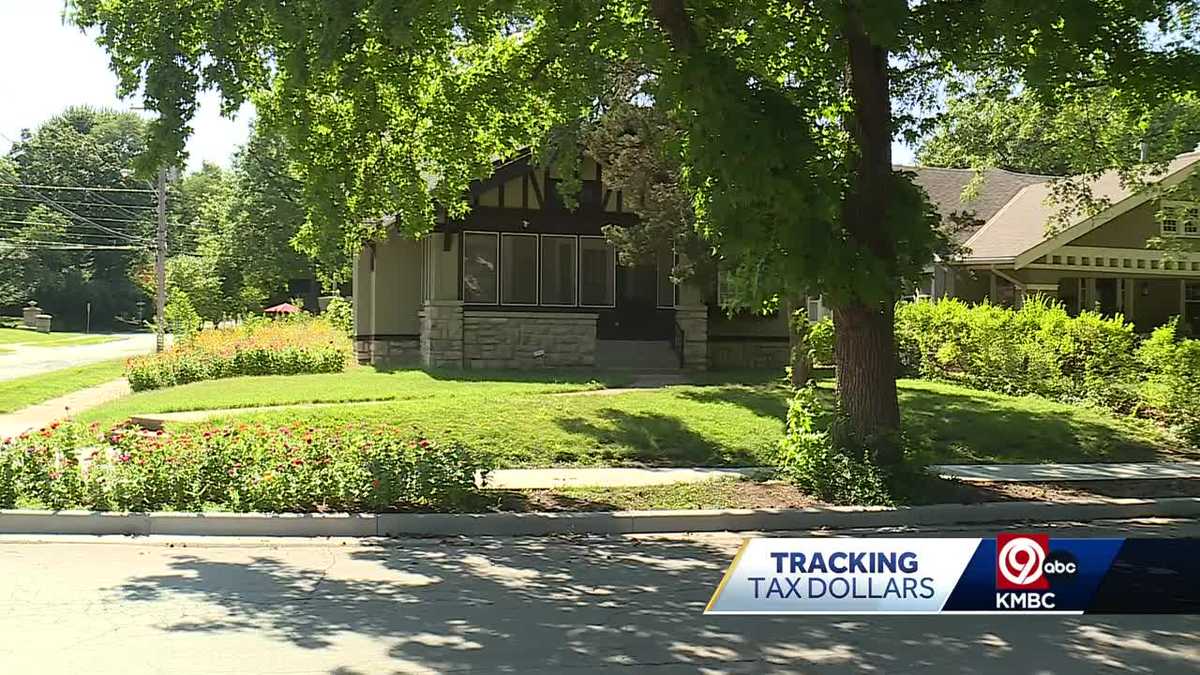
A homeowner in Kansas City is frustrated after his property assessment jumped up by $185,000 in valuation. Bruce Rozenblit plans to appeal the assessment, questioning the county's major errors and variations in neighboring properties. He believes the county is manipulating the numbers and hopes others take advantage of the appeals deadline extension. Rozenblit expresses his dissatisfaction, stating that if he were in charge, he would fire everyone involved in the assessment process.
Greenville County Council narrowly avoided a government shutdown by approving a $785 million budget that includes the first tax increase in nearly 30 years. The tax increase will raise county taxes by $28 for every $100,000 in value. The budget was approved by a supermajority of two-thirds of the council, with a vote of 8-4. The county has avoided increasing its tax rate for nearly 30 years while balancing an $80 million fund and boasting a AAA credit rating, but Greenville's growth and increased inflation has strained county resources, creating a need for more resources.
Republicans, who have long opposed net tax increases, have advanced debt-ceiling legislation that would raise taxes by over $300 billion over a decade, according to congressional estimates. The tax increase is part of their opposition to the administration's green-energy policies.