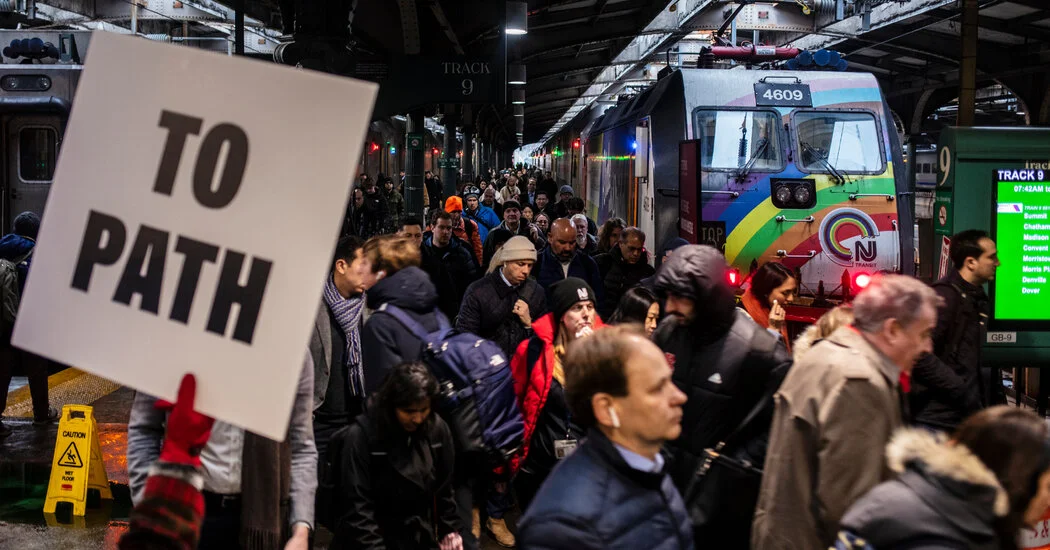
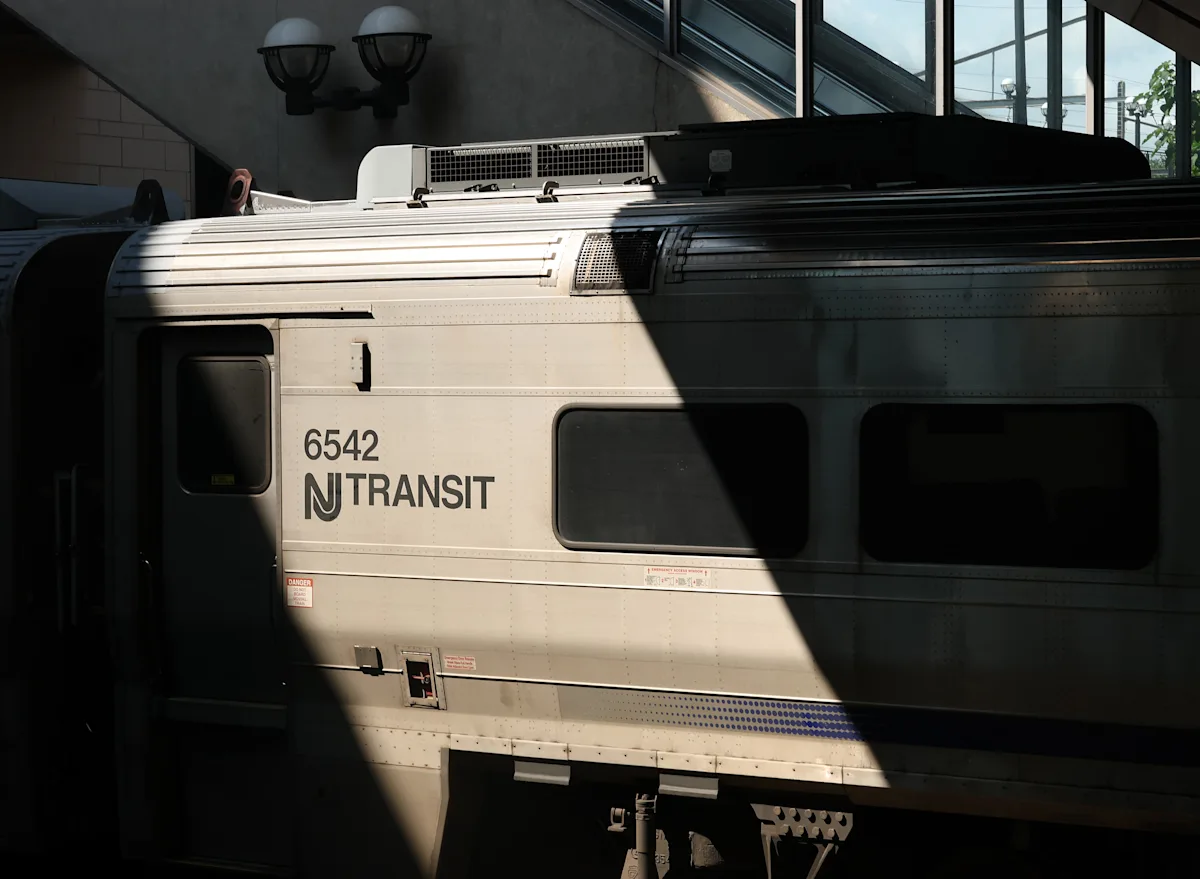
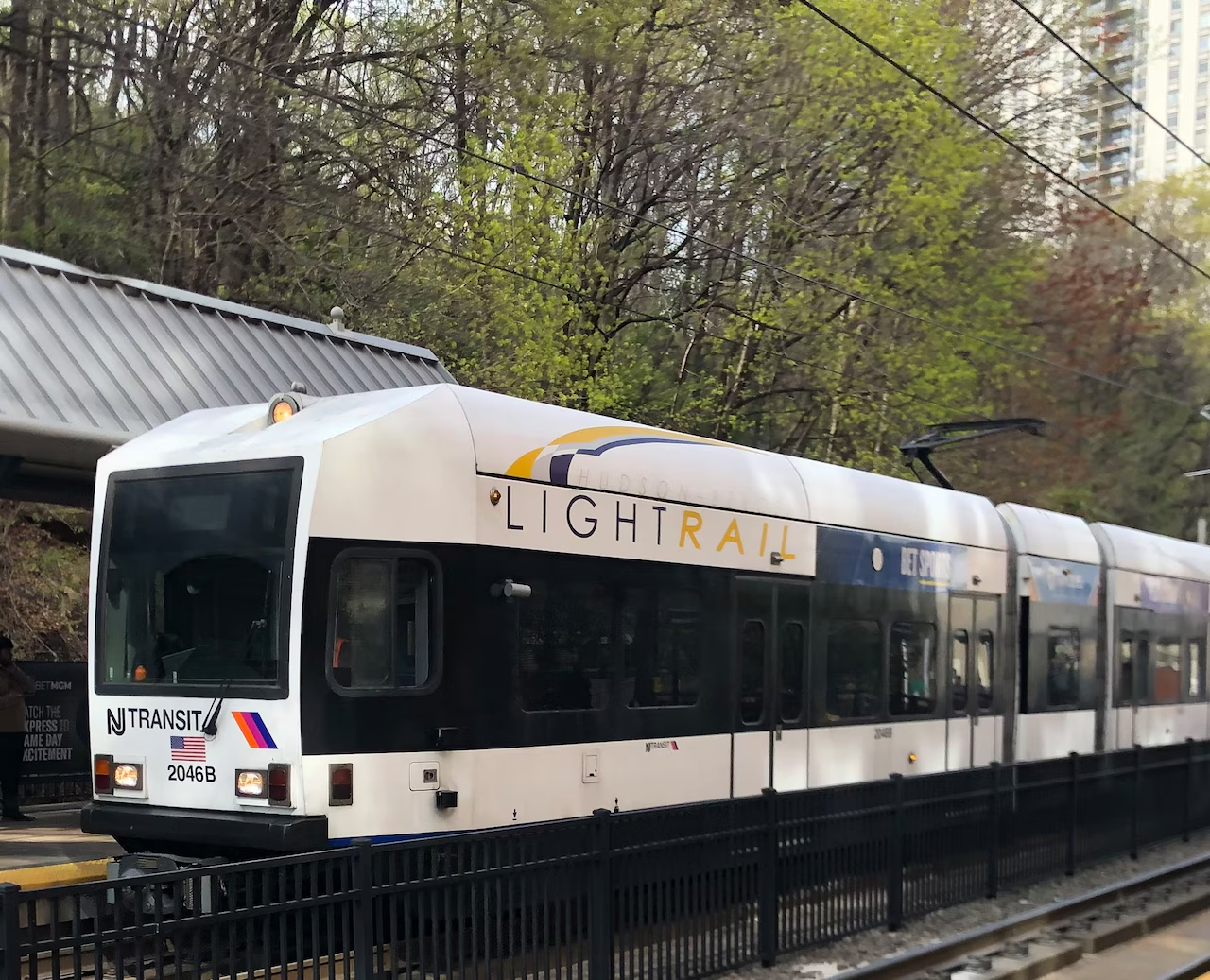
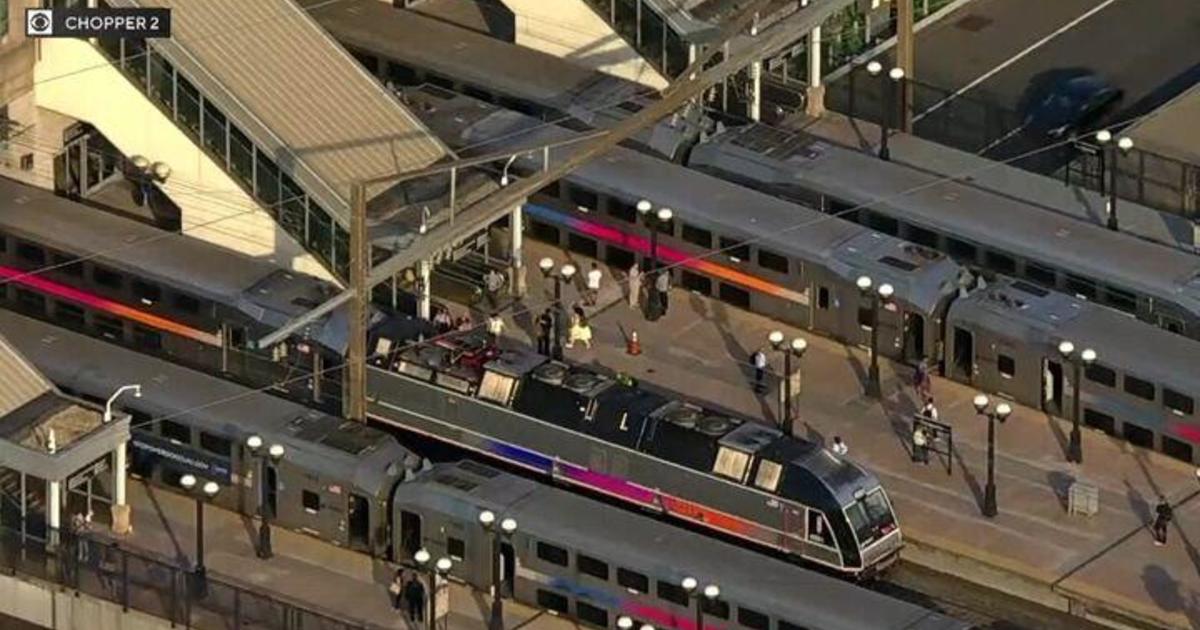
A monthlong Port Authority project to renovate the Portal Bridge disrupts NJ Transit service, diverting riders to Hoboken and creating crowded platforms as trains, buses, and ferries shuffle commuters into Manhattan.
Amtrak will transfer rail operations from the aging Portal Bridge to the new Portal North Bridge, temporarily using a single track between Newark and Secaucus and causing service disruptions across several NJ TRANSIT lines. A new schedule starts Feb. 15, with the cutover completed around Mar. 14–15 and regular service resuming after safety testing. NJ TRANSIT will cross-honor with PATH and NY Waterway, offer expanded Midtown Direct support to Hoboken, and emphasize capacity, continuity, and safety to deliver long-term reliability.
A woman was killed after being struck by an NJ Transit train near Absecon on Christmas Eve; she was a trespasser, and no passengers or crew were injured. The incident caused temporary service suspension, and authorities are investigating.
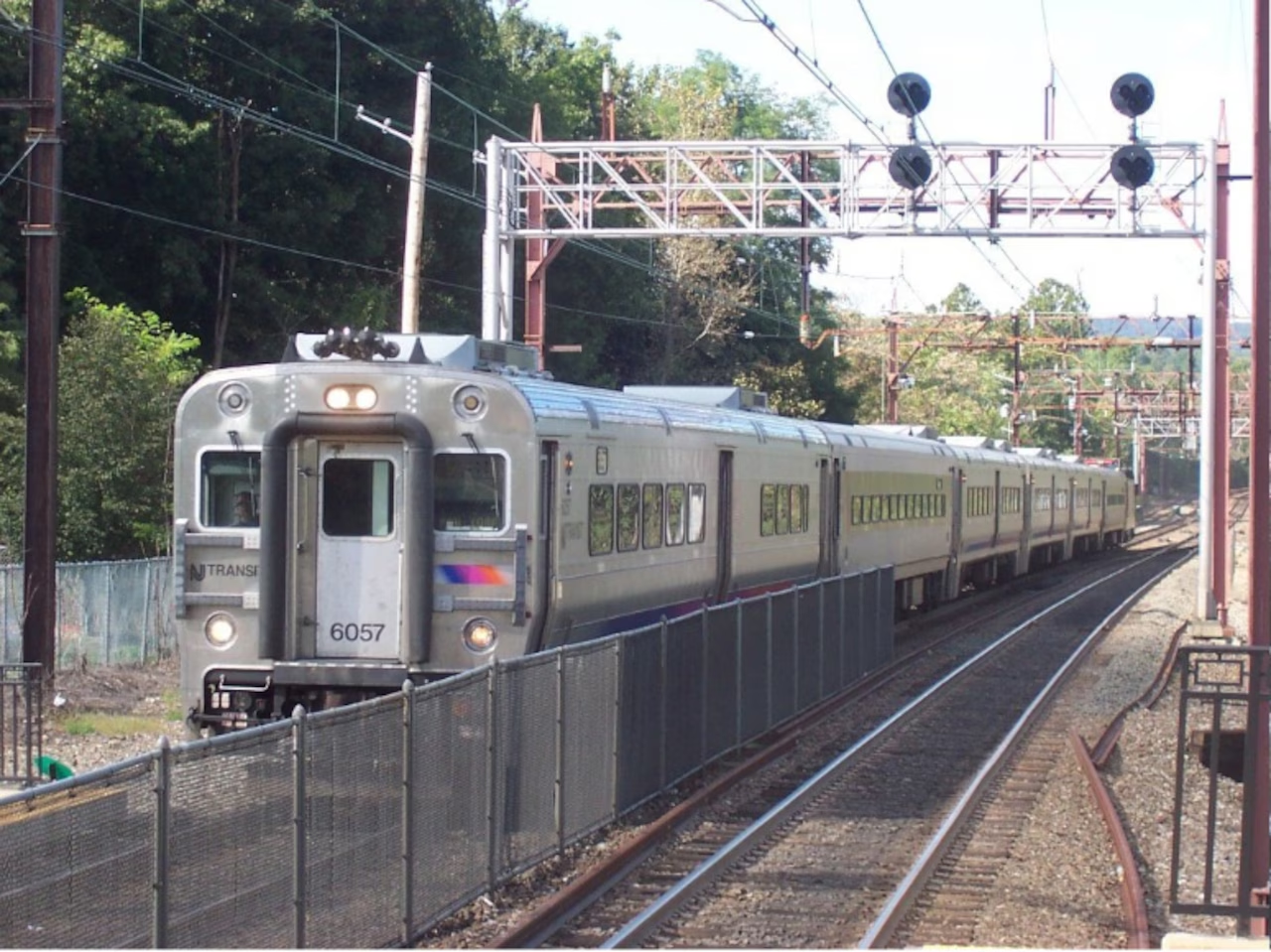
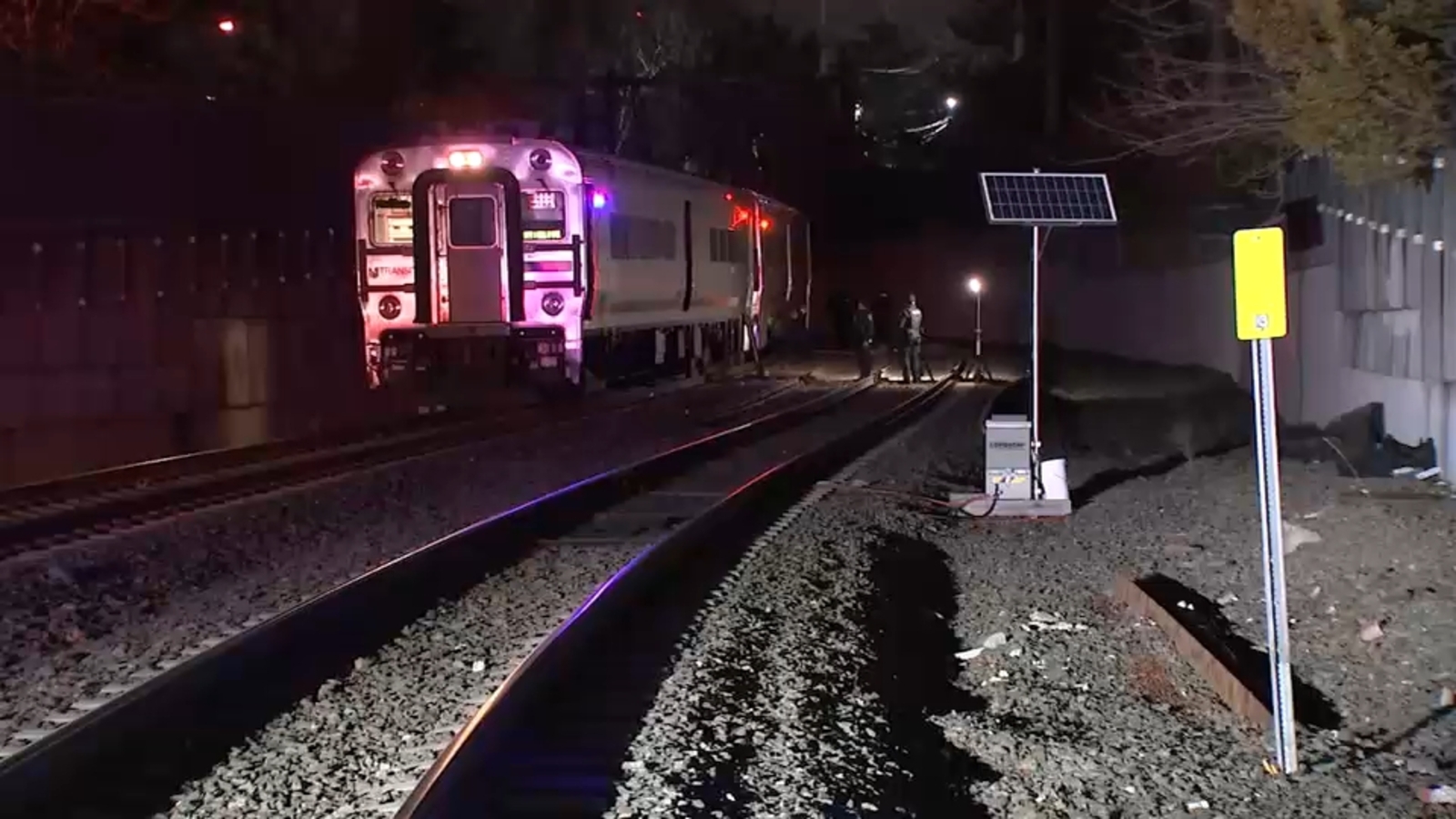
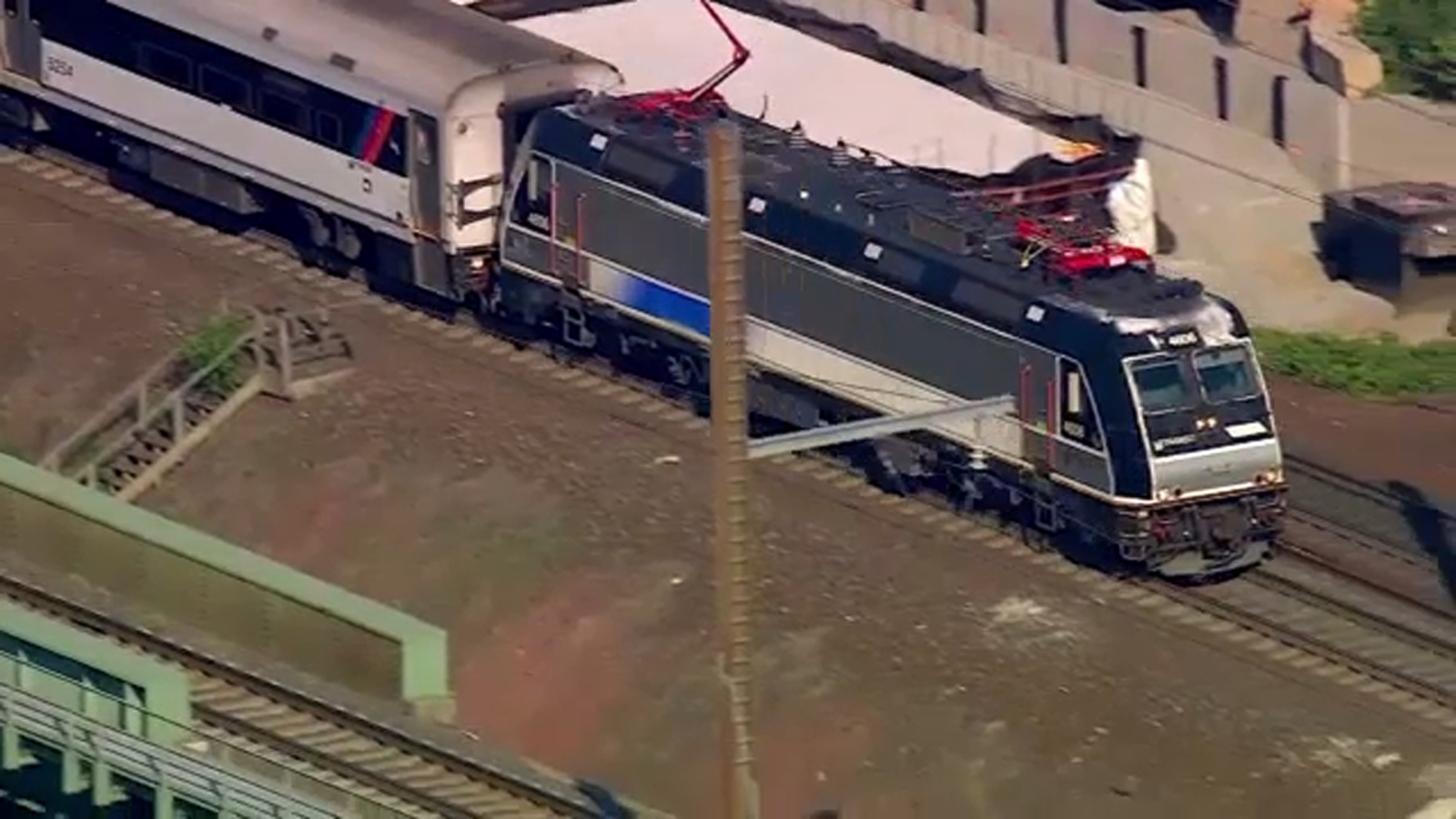
Two NJ Transit trains collided and derailed in Montclair, injuring 17 people with minor injuries; the incident is under investigation, and service has resumed.
NJ Transit has suspended service on the Morris and Essex lines through at least Sunday after a slow-speed derailment of a work train at Summit Station, with bus services being used as alternatives and updates available on their website and social media.
Health officials in New Jersey issued an exposure warning after a NJ Transit rider tested positive for measles, urging residents to ensure their MMR vaccinations are up to date amid a rise in cases across the U.S. and recent local infections, with potential exposure on specific transit routes from August 13-15.
A resident with measles in New Jersey may have exposed other travelers on NJ Transit trains between August 13-15, prompting health officials to advise monitoring for symptoms until September 11; the case is not part of a larger outbreak, but highlights the importance of vaccination.
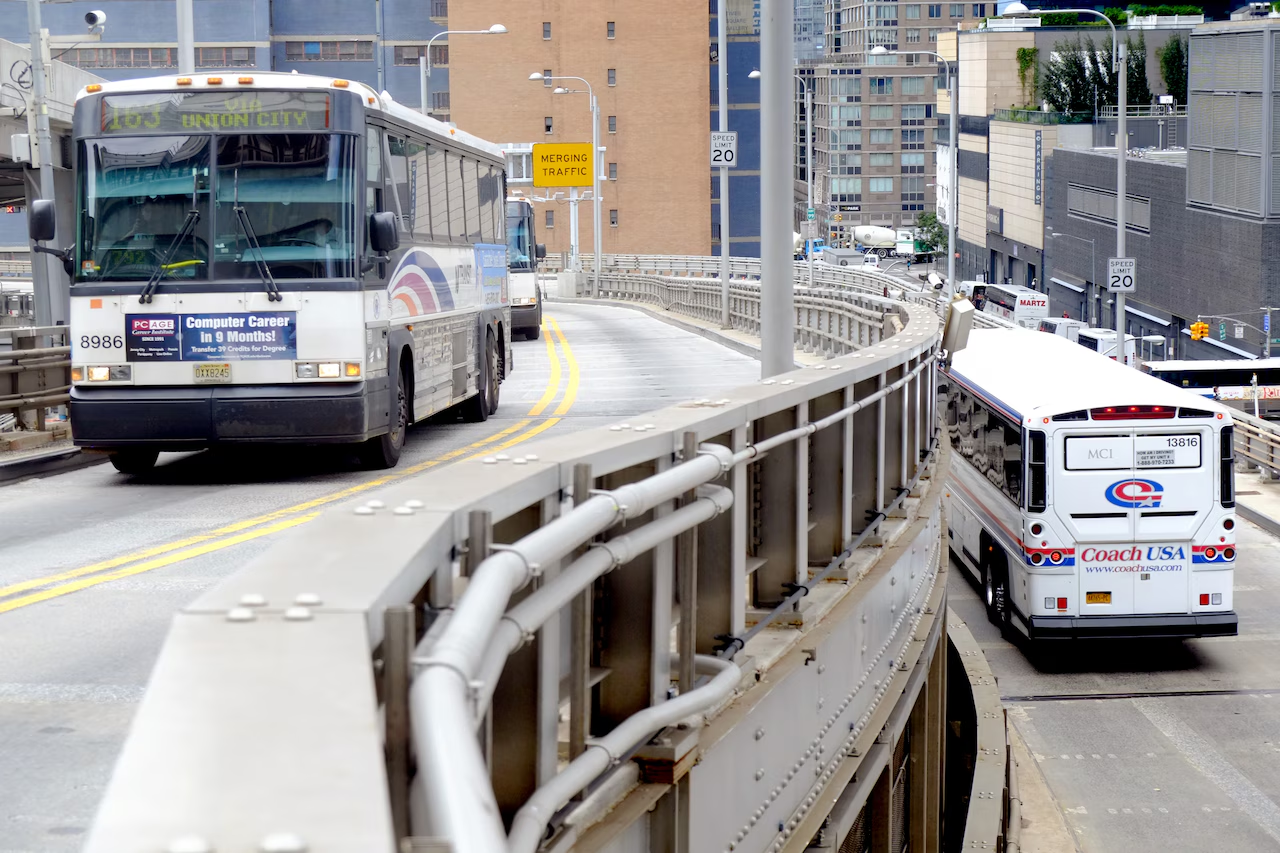
A multi-bus crash involving three NJ Transit buses at the Port Authority bus terminal injured 12 people, closed the terminal during morning rush hour, and caused delays at the Lincoln Tunnel.
NJ TRANSIT is experiencing heat-related rail equipment issues causing delays and potential trip cancellations for the next 48-72 hours. Maintenance crews are working to resolve the issues, and customers can receive updates via My Transit Alerts, the TRANSIT Mobile App, or NJ TRANSIT's social media accounts.
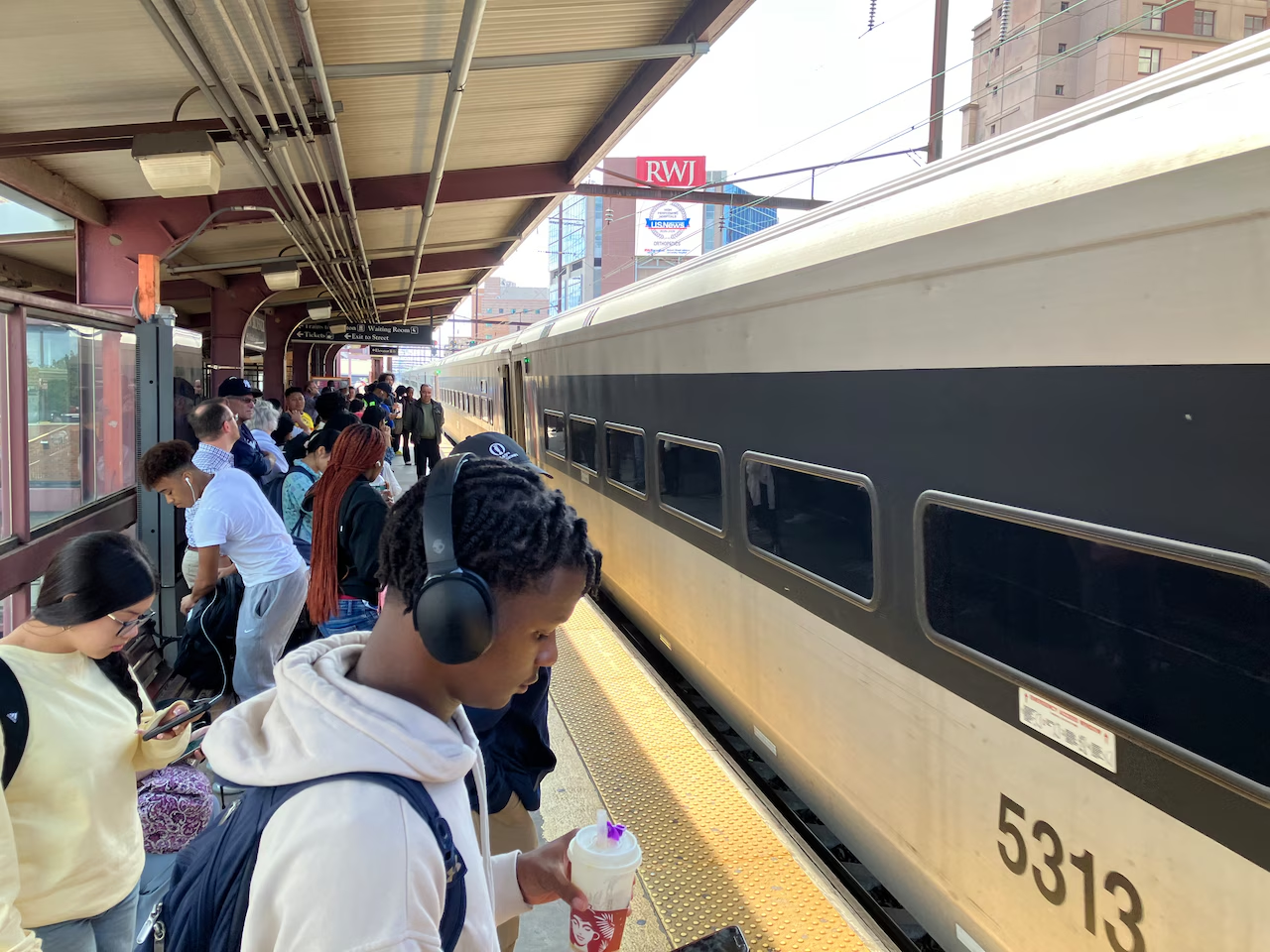
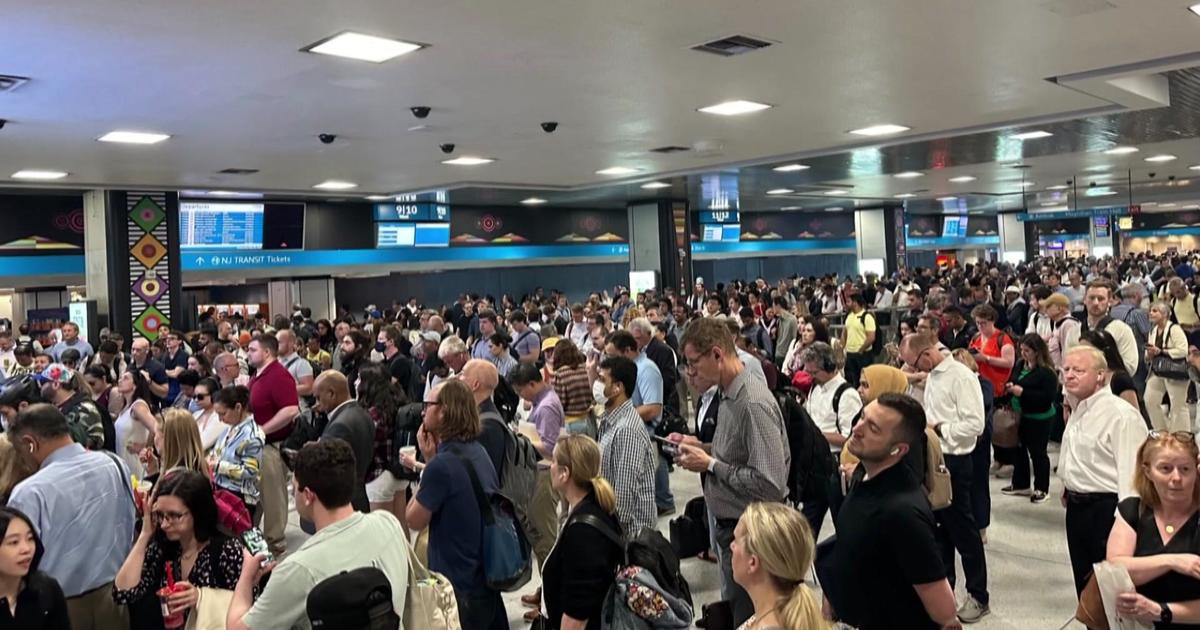
NJ Transit and Amtrak are experiencing significant delays and modified services in and out of New York Penn Station due to overhead wire issues and a disabled train. NJ Transit's Midtown Direct trains are diverted to Hoboken, and Amtrak's Empire service between New York and Yonkers is suspended. Full service is expected to resume by noon, but residual delays and cancellations continue to affect commuters.
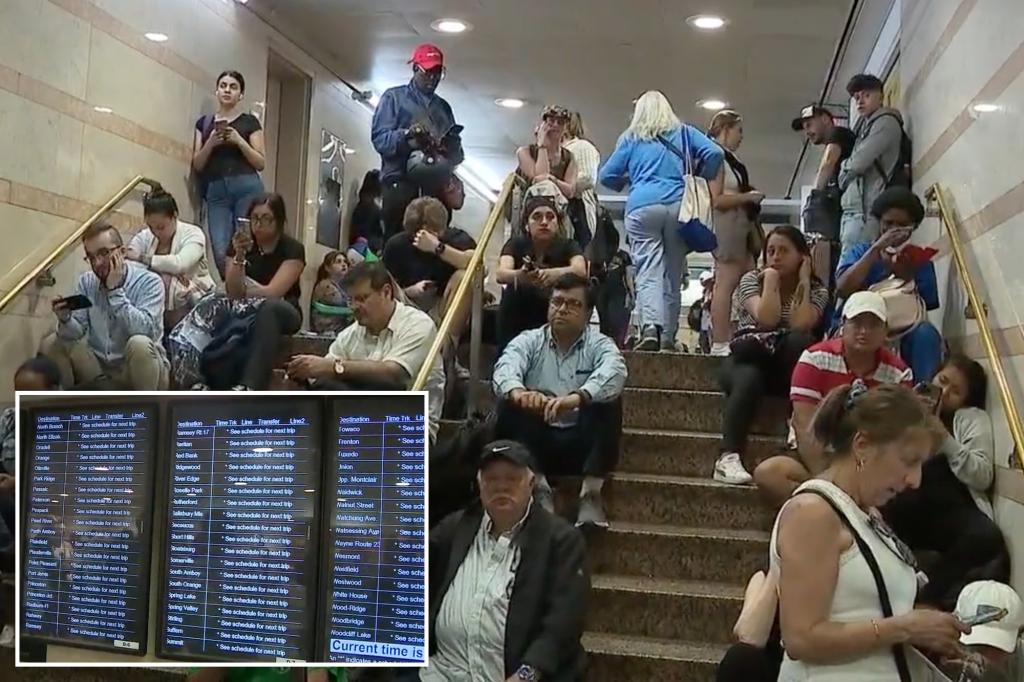
A power outage caused by fallen overhead wires in Kearny led to a complete halt of Amtrak and NJ Transit services between New York City and Philadelphia, stranding thousands of commuters for hours. New Jersey Governor Phil Murphy criticized Amtrak's infrastructure failures and called for immediate investments and updated emergency plans. Residual delays continued the following day, and a proposed bill aims to create an independent advocate for NJ Transit riders.
NJ Transit and Amtrak warned commuters of potential delays and cancellations after downed power lines in Kearny, NJ, caused a major service disruption, stranding thousands. The incident affected travel along the Northeast Corridor, including New York, Philadelphia, Metropark, and Trenton. Limited service has resumed, but extensive delays are expected as the region prepares for Memorial Day weekend and a rally by former President Donald Trump.
Amtrak and NJ Transit riders are facing residual delays Thursday morning due to downed wires that caused major disruptions during Wednesday's evening rush. While Amtrak plans to run a regular schedule, NJ Transit warns of potential delays and cancellations. The issue, which began in Kearny, NJ, affected service between New York City and Newark, and later extended to Philadelphia. Some NJ Transit lines were diverted, and commuters expressed frustration over the ongoing disruptions. Amtrak is advising customers to call its reservation center for assistance, and tickets are being cross-honored with NJ Transit, PATH, and private buses.
Amtrak and NJ Transit services at Penn Station in NYC were disrupted due to downed overhead wires, causing extensive delays and suspensions on multiple lines. Power was partially restored after four hours, but residual delays are expected. NJ Transit is cross-honoring tickets with PATH at certain stations.
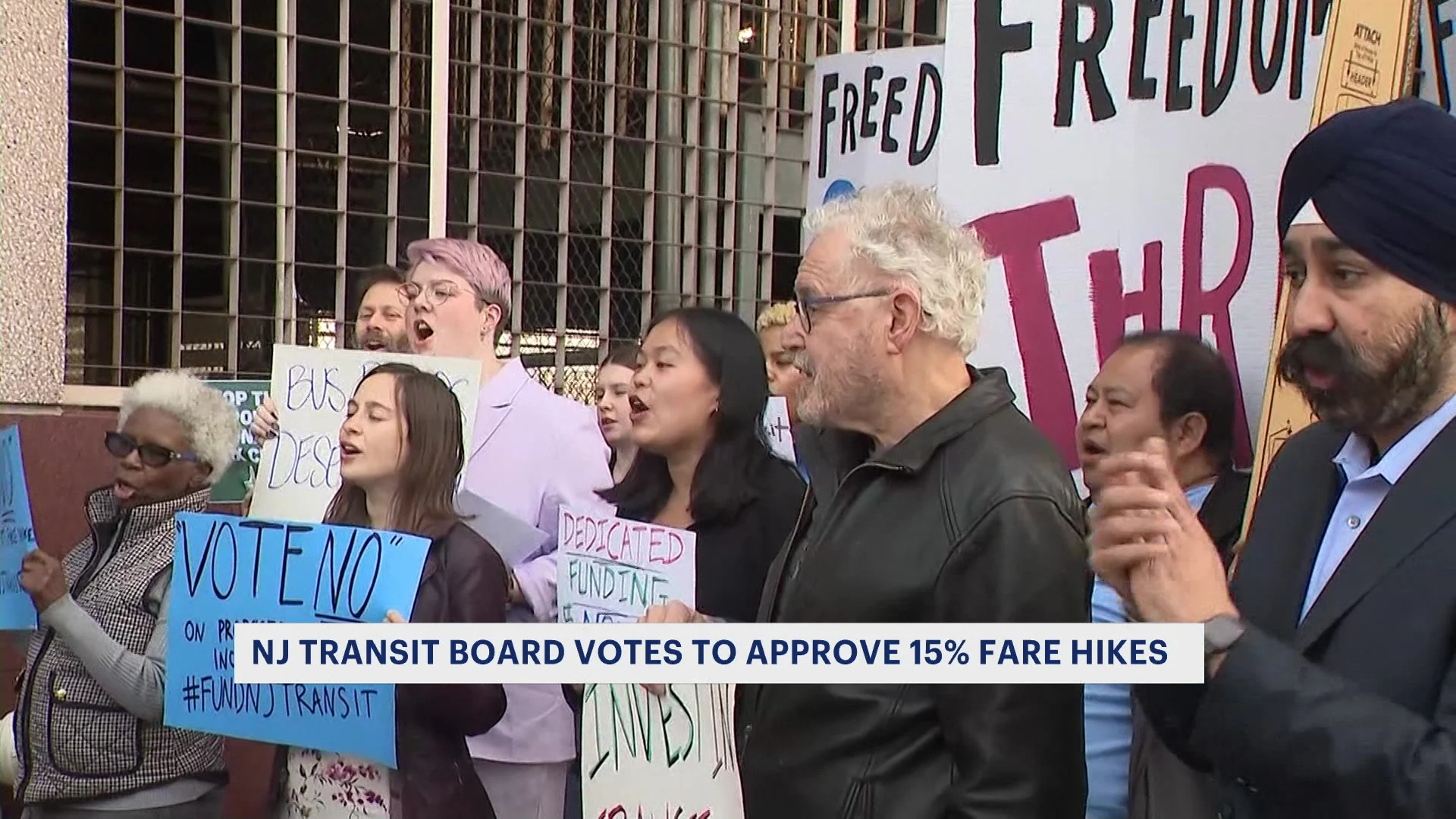
NJ Transit officials have approved a 15% fare increase for train and bus commuters, set to take effect on July 1, with potential 3% increases annually thereafter. The decision, made in response to a $120 million budget shortfall for the year and nearly $1 billion shortfall by 2025, was met with opposition from the public and criticism from New Jersey state Senate Republican Leader Sen. Anthony Bucco, who accused the Murphy administration of betraying its promise to make New Jersey more affordable. Officials cited the fare hike as an alternative to service cuts and called for more funding from Gov. Phil Murphy and the Legislature.