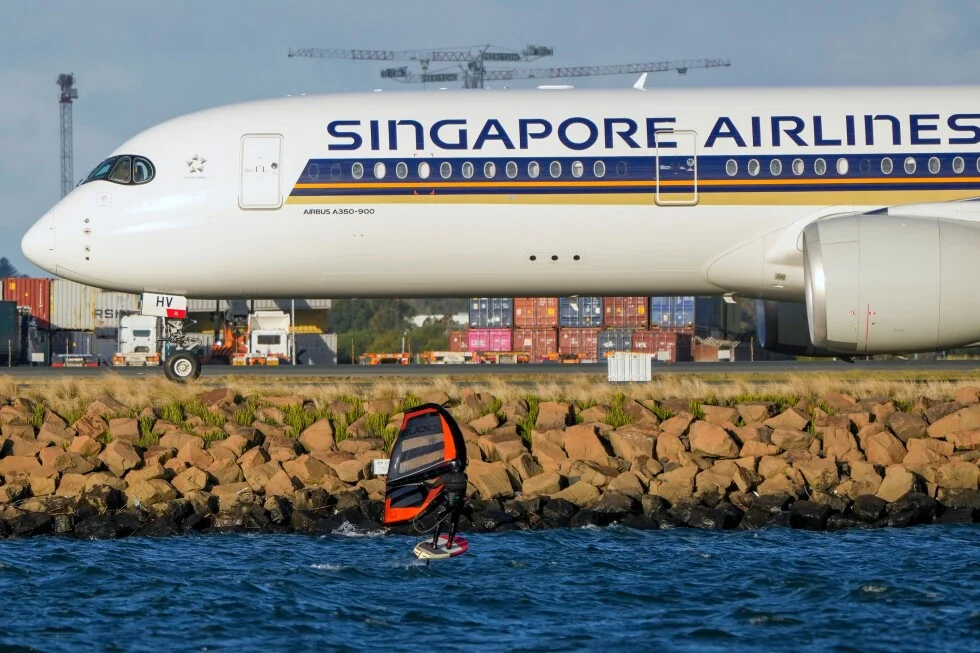
Singapore has introduced its first-ever levy on sustainable aviation fuel to raise funds for SAF development and supply, as the Southeast Asian fuel industry grows and efforts to decarbonize aviation accelerate.
King Charles and Queen Camilla attended the Trooping the Colour parade, celebrating the King's official birthday with traditional pageantry, a flypast led by the Red Arrows, and a tribute to Air India crash victims. The event featured royal family members, public cheers, and a focus on environmental sustainability with the Red Arrows' eco-friendly fuel use.
IATA forecasts that sustainable aviation fuel production will double in 2025 to 2 million tonnes, making up 0.7% of airline fuel use, but emphasizes the need to accelerate production and reduce costs to meet sustainability goals amid industry challenges.
The International Air Transport Association warns that airfare costs are expected to rise due to factors like global inflation, high jet fuel prices, and limited availability of sustainable aviation fuel. Despite record revenues and profits, the industry faces challenges such as older aircraft and high taxes, which contribute to increasing ticket prices.
The aviation industry is under pressure to reduce its carbon footprint and is exploring sustainable aviation fuel (SAF) made from used cooking oil and bioenergy crops. Despite being more expensive, SAF is gaining traction as airlines aim for net zero carbon emissions by 2050. Efforts include refining cooking oil and developing bioenergy crops like miscanthus giganteus, though challenges remain in scaling production and infrastructure.
Singapore plans to mandate the use of sustainable aviation fuel (SAF) for all departing flights from 2026, aiming for a 1% target initially and increasing to 3-5% by 2030. The Civil Aviation Authority of Singapore (CAAS) developed the plan, which aims to contribute around 65% of the carbon emission reduction needed to achieve net zero by 2050. To support the purchase of SAF, CAAS plans to introduce a SAF levy, which will vary based on factors such as distance traveled and class of travel, with passengers in premium classes paying higher levies.
The Biden administration has announced that it will recognize a methodology favored by the ethanol industry for claiming tax credits on sustainable aviation fuel (SAF), a move that benefits the U.S. corn lobby. However, the administration plans to update the methodology by March 1, which could potentially tighten requirements for SAF feedstocks. The global aviation industry, which accounts for about 2% of global energy-related carbon dioxide emissions, is difficult to decarbonize due to the challenges of electrifying aircraft. SAF can reduce greenhouse gas emissions by 50% over its lifecycle but is more expensive than traditional jet fuel. Ethanol producers see SAF as a way to boost demand amid rising electric vehicle sales. The guidance aims to reduce the price gap between SAF and traditional jet fuel, but the extent of the impact on price discrepancies is unclear. The ethanol industry has lobbied for the recognition of the Department of Energy's GREET model, while environmentalists advocate for feedstocks like used cooking oil and animal fat. The GREET model will be updated to incorporate new data and modeling on emissions sources and strategies to lower emissions.
The U.S. Department of the Treasury and IRS have released guidance on the Sustainable Aviation Fuel (SAF) Credit, aimed at reducing emissions from the aviation sector and promoting innovation. The credit incentivizes the production of SAF that achieves a minimum 50% reduction in lifecycle greenhouse gas emissions compared to petroleum-based jet fuel. Producers of SAF are eligible for a tax credit ranging from $1.25 to $1.75 per gallon. The guidance clarifies eligibility criteria and includes various fuels that qualify for the credit. Additionally, the EPA, DOT, USDA, and DOE have committed to releasing an updated version of the GREET model by March 2024, providing another methodology for SAF producers to determine lifecycle emissions rates and qualify for the credit.
The Biden administration is expected to recognize the Department of Energy's GREET model, favored by the ethanol industry, in guidance for claiming tax credits for sustainable aviation fuel (SAF). This move is seen as a win for the ethanol industry and the U.S. Corn Belt, a crucial constituency for Biden's re-election bid. However, the administration is also expected to update the GREET methodology by March 1, potentially tightening requirements around SAF feedstocks. Ethanol groups and environmentalists have been at odds over feedstock standards. The Treasury Department and the White House have not commented on the matter.
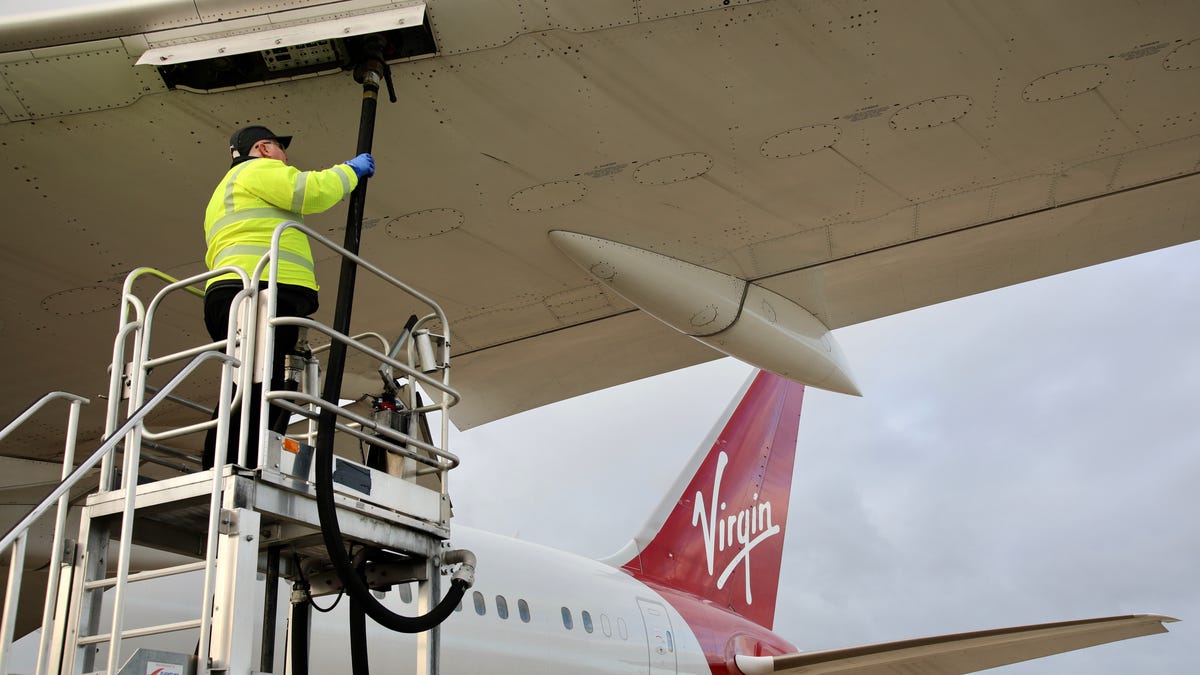
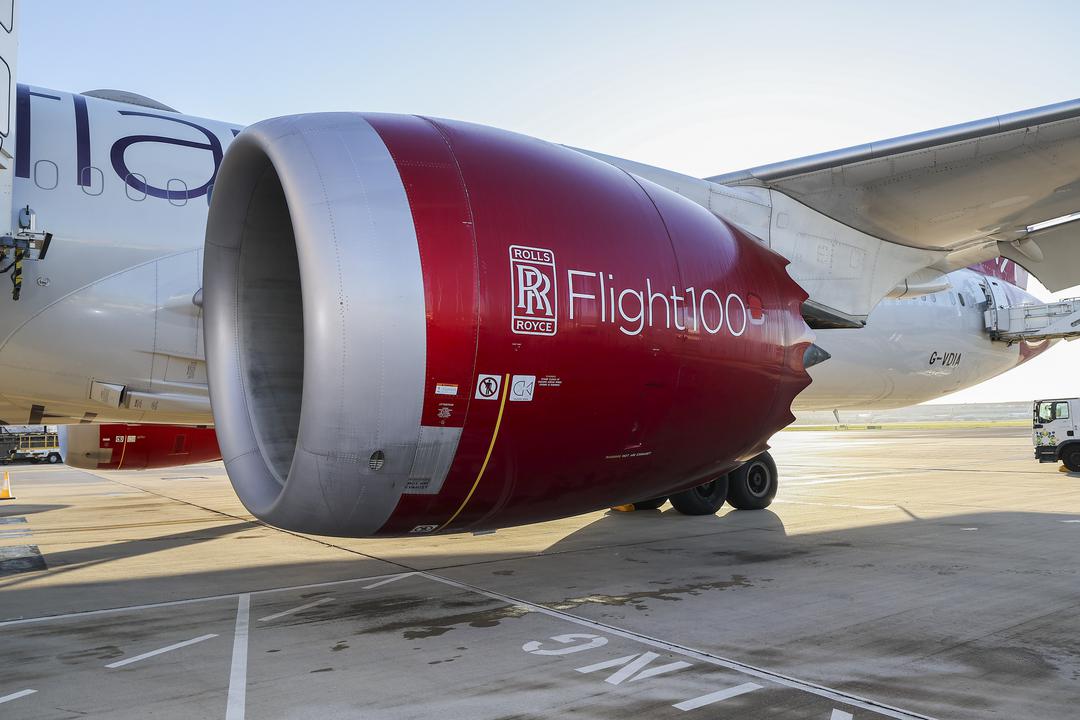
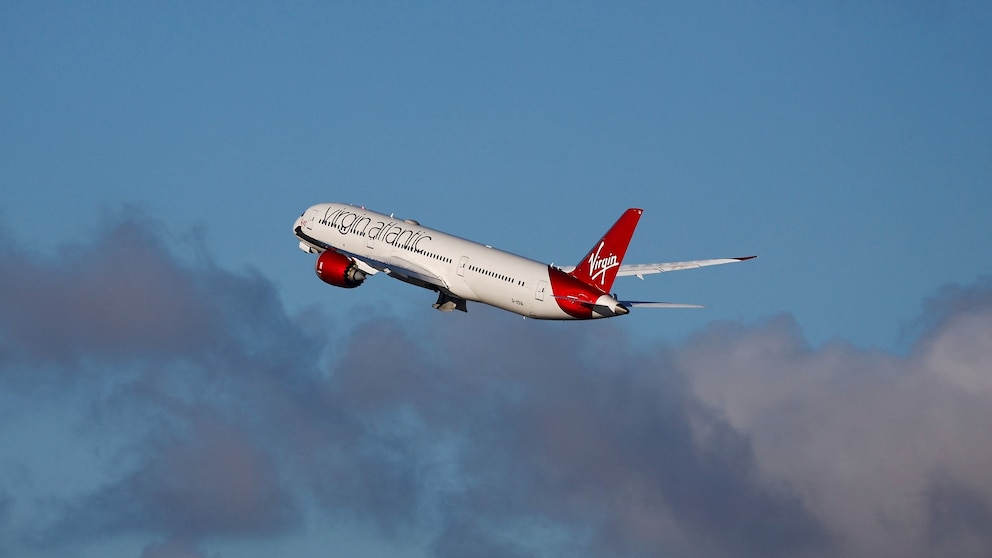
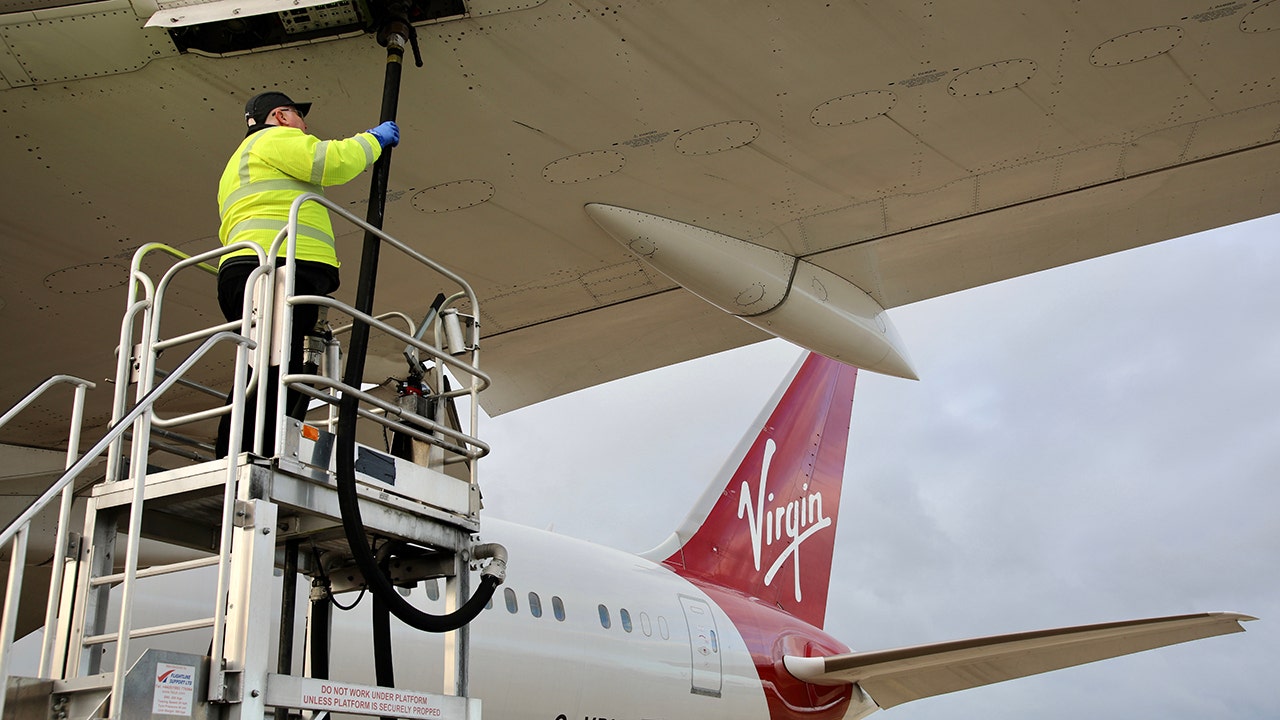
Virgin Atlantic's flight 100 from London to New York became the world's first transatlantic flight using 100% sustainable aviation fuel (SAF) on a commercial jet. The flight aimed to demonstrate the technical feasibility of sustainable aviation but also highlighted that the industry is not yet ready to fully convert to SAF. Safety checks and regulatory approval were required for the flight, which was not allowed to carry paying passengers. While the technology is promising, production capacity needs to scale up significantly to meet future mandates. The flight also emphasized the importance of optimizing flight routes and reducing fuel burn to make flying more eco-friendly.
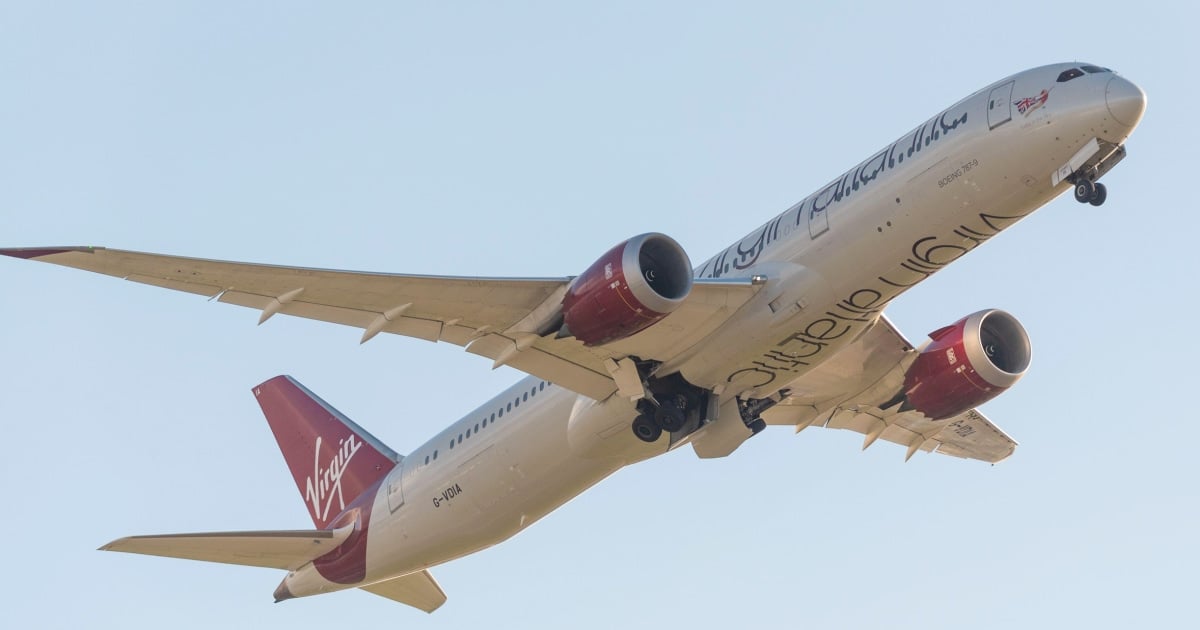
Virgin Atlantic successfully completed the first transatlantic flight powered solely by sustainable aviation fuel (SAF), highlighting the potential of eco-friendly and low-carbon options for air travel. The flight, operated by a Virgin Boeing 787, demonstrated that SAF can be a safe and compatible replacement for fossil-derived jet fuel. SAF, made from waste products, can save up to 70% of carbon dioxide emissions but currently only accounts for 0.1% of global jet fuel usage. Virgin Atlantic emphasized the need for policy and investment to scale up SAF production and meet the aviation industry's emissions reduction goals by 2030.
Virgin Atlantic has made history by completing a transatlantic flight using 100% sustainable aviation fuel (SAF), becoming the first commercial airline to do so. The flight, funded in part by the British government, demonstrates the feasibility of decarbonizing the aviation industry. SAF is produced from waste products and has up to 70% lower lifecycle emissions compared to traditional fuel. However, challenges remain, including limited supplies and high costs. Critics argue that SAF is a stepping stone and that flying less is the most effective way to reduce aviation emissions. Nevertheless, the flight raises awareness of SAF's potential and encourages further collaboration between fuel producers, airlines, and regulators.
Virgin Atlantic has become the first airline to complete a transatlantic flight using 100% sustainable aviation fuel (SAF). The flight, named Flight 100, was powered by a blend of processed cooking oil, waste animal fat, and synthetic aromatic kerosene made from waste corn. This milestone demonstrates that SAF can be a safe and viable replacement for fossil-derived jet fuel, contributing to the decarbonization of long-haul aviation. The use of low-carbon fuel is expected to reduce emissions in the airline industry until electric and hydrogen-powered flights become more widespread.
Virgin Atlantic has embarked on a historic test flight, aiming to become the first commercial airline to complete a transatlantic journey using 100% sustainable aviation fuel (SAF). The non-commercial flight, operated by a Boeing 787 aircraft, seeks to demonstrate the viability of SAF as a safe alternative to fossil-derived jet fuel for long-haul flights. Sustainable aviation fuel, which currently accounts for less than 0.1% of global jet fuel volumes, offers up to a 70% reduction in CO2 emissions compared to traditional jet fuel. However, the industry still faces challenges in scaling up production due to limited supply and the need for regulatory support and investment.
Virgin Atlantic has conducted the first transatlantic flight powered by 100% sustainable aviation fuel (SAF), using a blend of 88% waste fats and 12% Synthetic Aromatic Kerosene made from plant sugars. While other airlines have used SAF on shorter journeys and in lower blends, this flight aims to demonstrate the viability of greener air travel. SAF, derived from non-fossil sources, has lower lifecycle emissions compared to regular petroleum-based fuel. However, challenges such as supply shortages, higher costs, and concerns over sustainability remain. The industry aims to reach 10% SAF use for global jet aviation fuel supply by 2030.