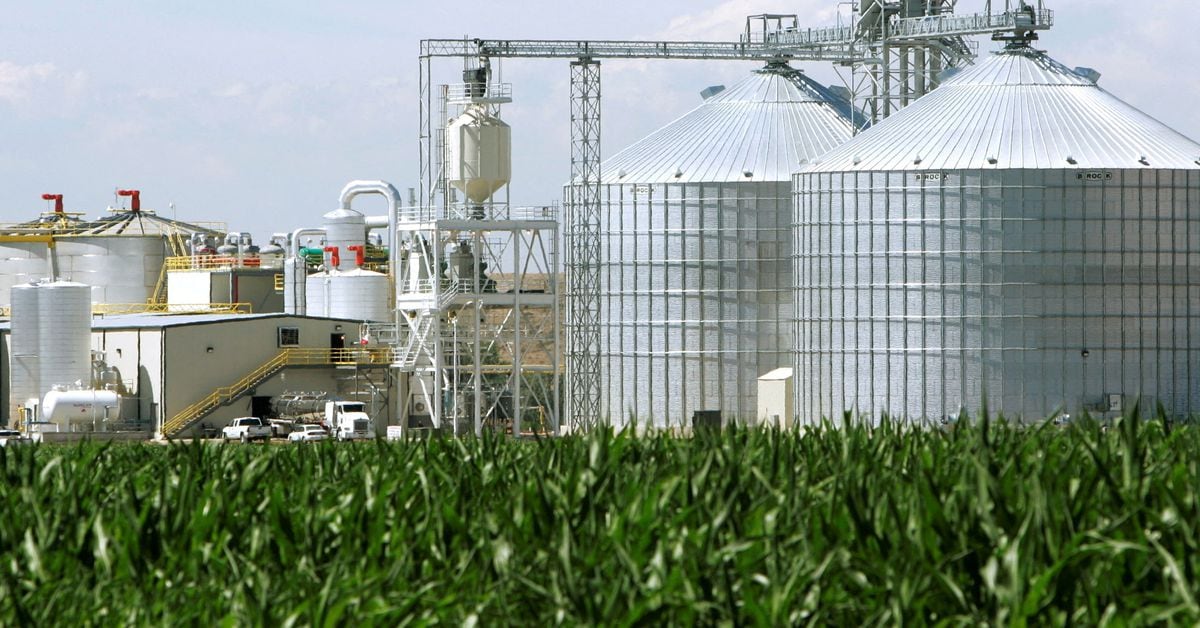
The Biden administration has announced that it will recognize a methodology favored by the ethanol industry for claiming tax credits on sustainable aviation fuel (SAF), a move that benefits the U.S. corn lobby. However, the administration plans to update the methodology by March 1, which could potentially tighten requirements for SAF feedstocks. The global aviation industry, which accounts for about 2% of global energy-related carbon dioxide emissions, is difficult to decarbonize due to the challenges of electrifying aircraft. SAF can reduce greenhouse gas emissions by 50% over its lifecycle but is more expensive than traditional jet fuel. Ethanol producers see SAF as a way to boost demand amid rising electric vehicle sales. The guidance aims to reduce the price gap between SAF and traditional jet fuel, but the extent of the impact on price discrepancies is unclear. The ethanol industry has lobbied for the recognition of the Department of Energy's GREET model, while environmentalists advocate for feedstocks like used cooking oil and animal fat. The GREET model will be updated to incorporate new data and modeling on emissions sources and strategies to lower emissions.

The Biden administration is expected to recognize the Department of Energy's GREET model, favored by the ethanol industry, in guidance for claiming tax credits for sustainable aviation fuel (SAF). This move is seen as a win for the ethanol industry and the U.S. Corn Belt, a crucial constituency for Biden's re-election bid. However, the administration is also expected to update the GREET methodology by March 1, potentially tightening requirements around SAF feedstocks. Ethanol groups and environmentalists have been at odds over feedstock standards. The Treasury Department and the White House have not commented on the matter.
Navigator CO₂, backed by BlackRock, has abandoned plans to build a 1,300-mile carbon capture pipeline across the US Midwest due to opposition from landowners and environmental campaigners. The $3.1 billion project, called Heartland Greenway, aimed to collect and store carbon emissions from the corn ethanol industry. The cancellation is a setback for the fledgling carbon capture industry and the corn ethanol refining industry, which is targeting industry-scale carbon capture as a way to reduce emissions. The project faced opposition from local landowners and environmentalists who view CO₂ pipelines as dangerous and supportive of the fossil fuels industry.
Navigator CO2 Ventures has canceled its Heartland Greenway pipeline project, which aimed to capture and store 15 million metric tons of carbon dioxide annually from Midwest ethanol plants. The cancellation is attributed to unpredictable state regulatory processes and is a setback for carbon capture and storage (CCS) projects in the US. The project's demise is also a blow to the ethanol industry, which sees CCS as crucial for reducing emissions. Concerns from residents along the pipeline route regarding safety risks and potential harm to their land contributed to the project's setbacks. Another major CCS pipeline project, proposed by Summit Carbon Solutions, has also faced setbacks due to landowner concerns.