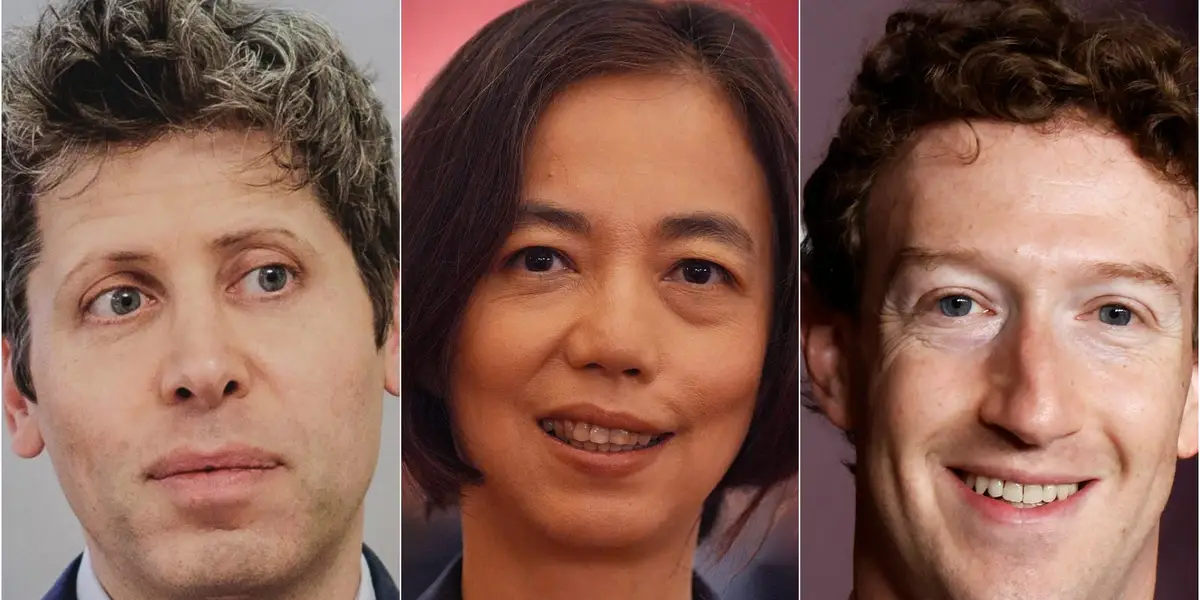
Over the past year, insights from 50+ tech leaders highlight that AI is transforming work by making AI fluency and soft skills essential, with a focus on the rapid evolution towards superintelligence and the importance of human control in AI development.
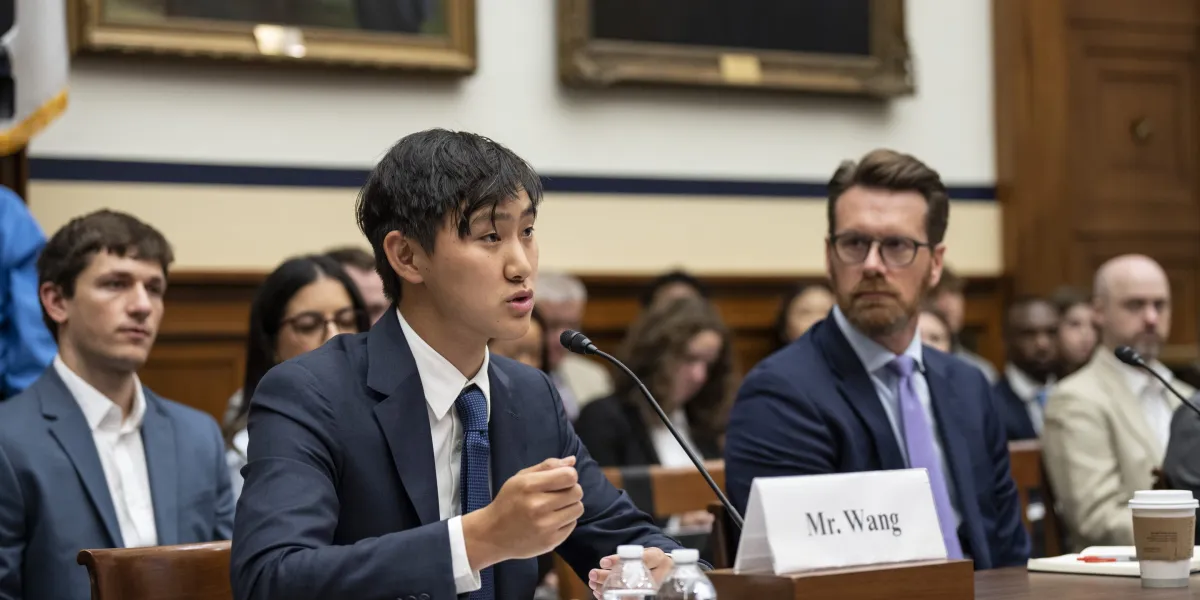
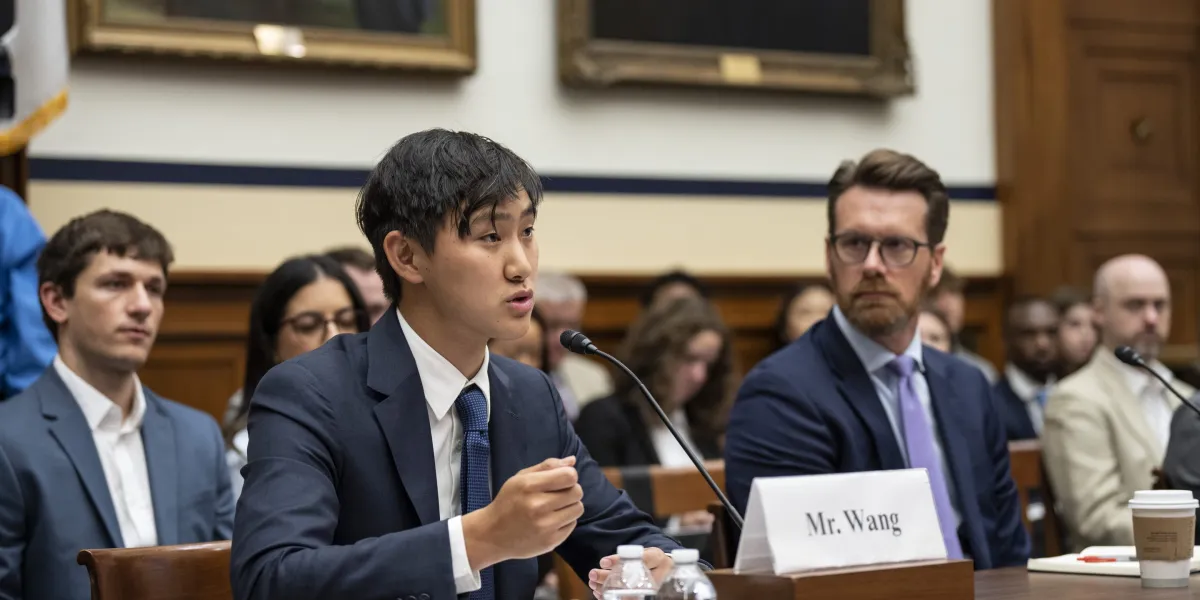
Alexandr Wang, Meta's 28-year-old billionaire, emphasizes the importance of 'vibe coding'—using AI to generate code through natural language prompts—especially for Gen Alpha, as he believes this skill will be crucial for future superintelligence and economic advantage. He advocates for teenagers to immerse themselves in AI tools now, comparing this moment to the dawn of the PC revolution, to gain a competitive edge in the evolving tech landscape.
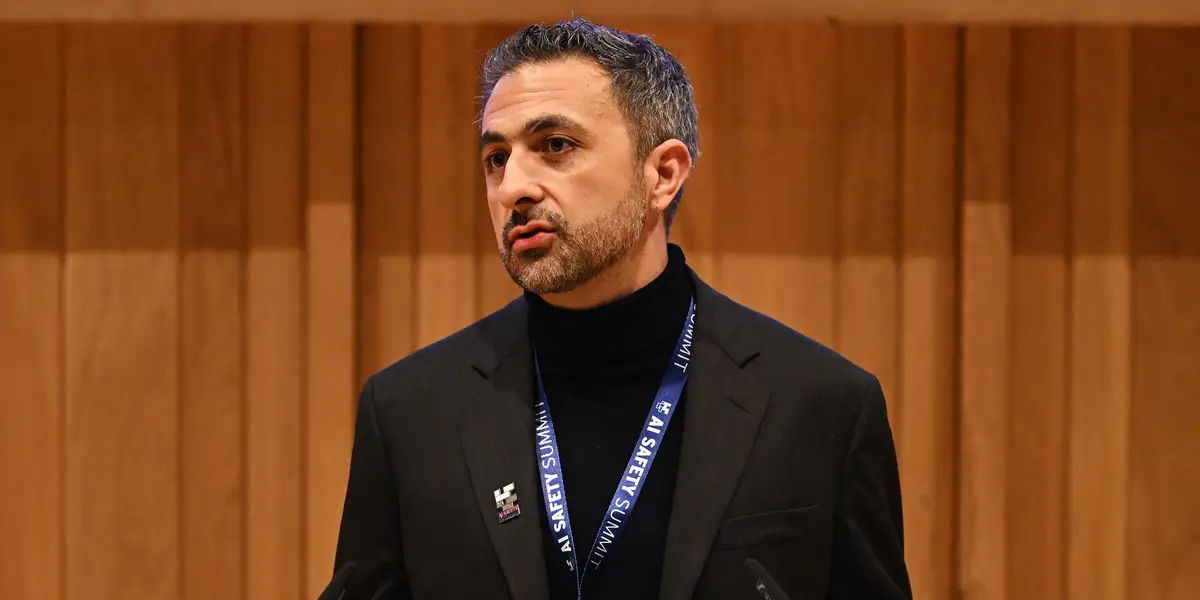
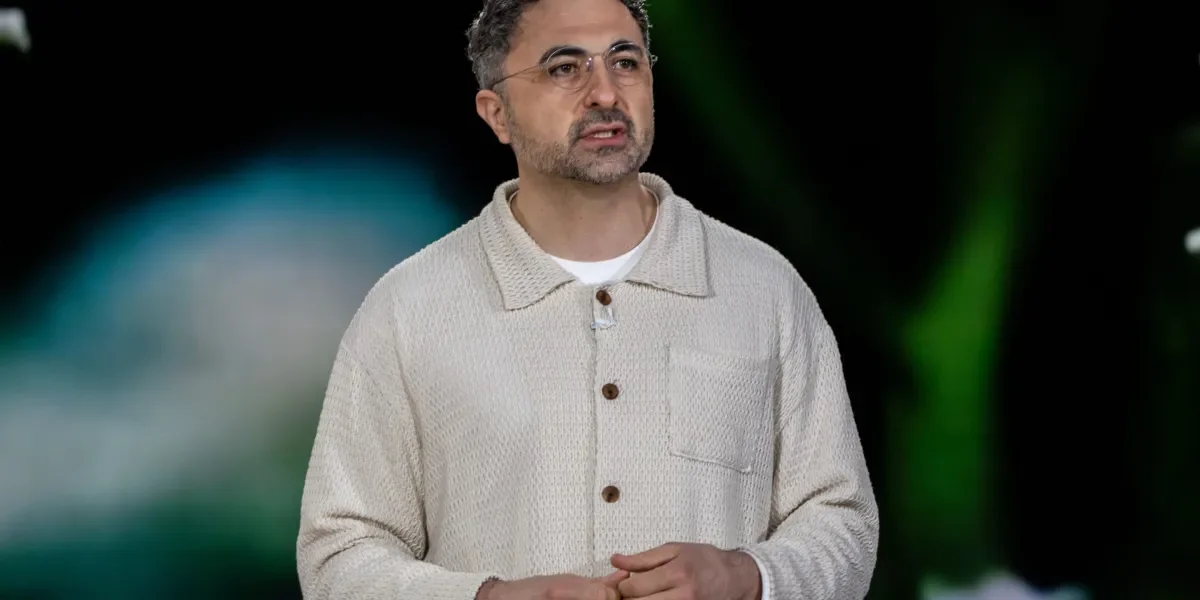
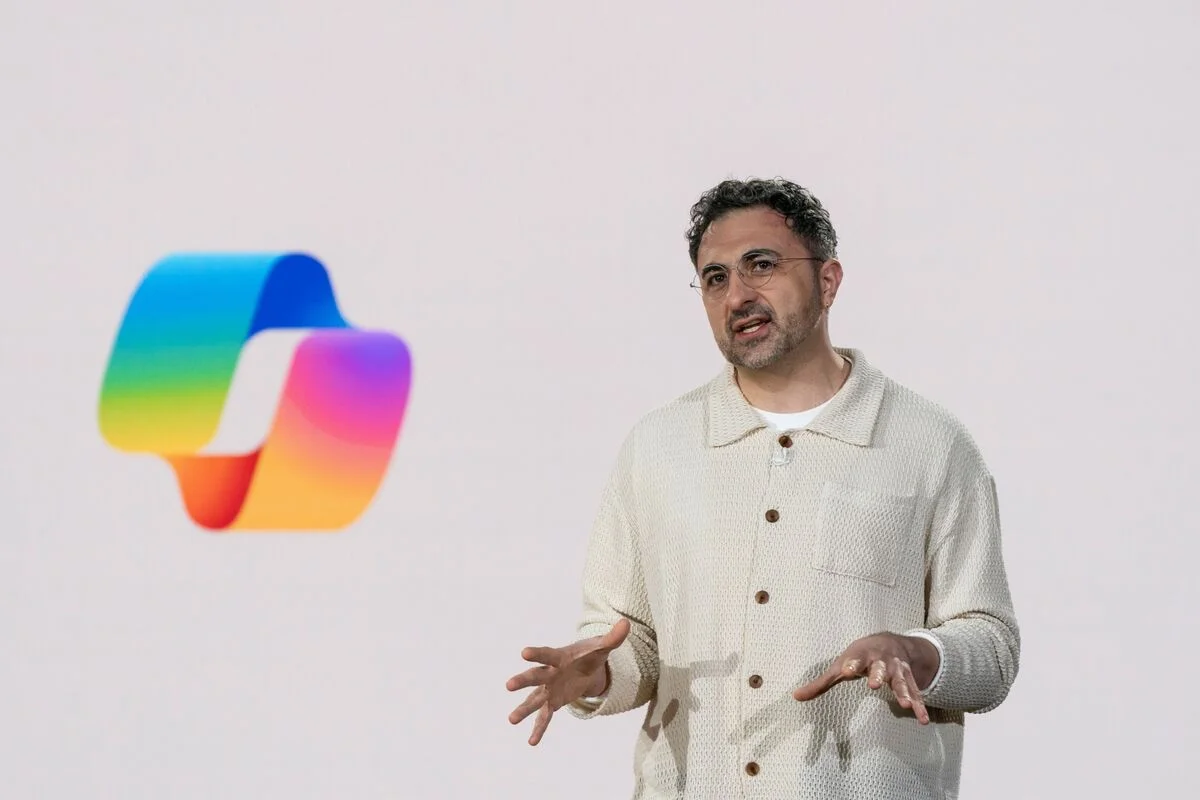
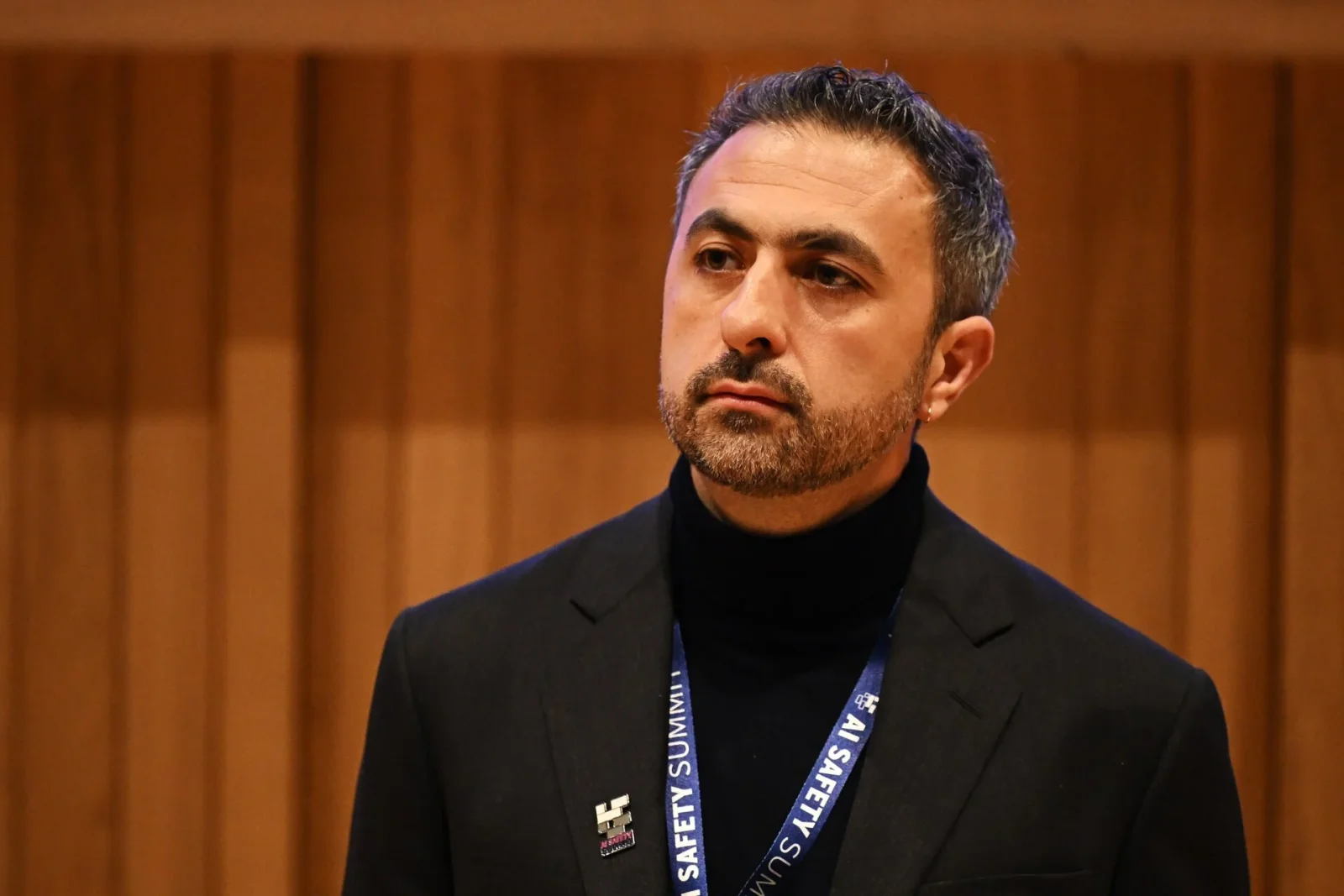
Microsoft has established a new superintelligence team led by Mustafa Suleyman to pursue artificial general intelligence (AGI) independently, following a renegotiated partnership with OpenAI. The team aims to build advanced in-house AI models, focusing on fundamental research and safety, with ambitions to impact sectors like healthcare and transportation, and to position Microsoft as a responsible leader in AI development.
Microsoft has established a new team focused on developing 'humanist superintelligence,' aiming to create advanced AI that benefits humanity, after ending restrictions from its OpenAI partnership. Led by Mustafa Suleyman, the initiative emphasizes safe, long-term AI progress and contrasts with rival efforts by Meta and OpenAI, with a focus on responsible innovation and strategic independence.
Microsoft AI aims to develop a 'humanist superintelligence' designed to serve humanity safely, emphasizing controllability and human-centered applications like healthcare, education, and scientific research, amidst ongoing competition with OpenAI for artificial general intelligence (AGI).
Microsoft is pursuing superintelligence, a more advanced form of AI beyond artificial general intelligence, led by Mustafa Suleyman, aiming to benefit humanity and make breakthroughs in medicine and energy, following a renegotiated partnership with OpenAI.
Microsoft's AI chief Mustafa Suleyman warns against pursuing conscious AI, emphasizing that AI cannot truly experience emotions or consciousness, and that efforts should focus on developing helpful, non-illusionary AI to avoid ethical and safety risks.
A coalition of AI pioneers, tech leaders, and policymakers, including Yoshua Bengio, Geoffrey Hinton, and Steve Wozniak, is calling for a halt to the development of superintelligent AI until it can be proven safe and controllable, amid concerns over rapid progress and minimal oversight.
Leading AI experts and public figures have called for a global ban on superintelligence research, citing risks of uncontrollable AI systems that could surpass human control and pose existential threats, emphasizing the need for safe and controllable development of AI technologies.
Meta Platforms is currently the best trillion-dollar AI stock to buy, according to Wall Street, due to its strong AI investments, leadership in social media, and potential in developing superintelligence and smart glasses, all while trading at a reasonable valuation.
AI research groups are competing to develop 'world models' as a pathway toward achieving superintelligence, highlighting the race to advance artificial intelligence capabilities.
Alexandr Wang, Meta's 28-year-old CEO, emphasizes the importance of 'vibe coding'—using AI to generate code through natural language prompts—especially for young people, as he believes AI will soon obsolete traditional coding skills. Wang's goal is to build superintelligent AI models and hardware that merge digital perception with cognition, advocating for early immersion in AI tools to gain a future competitive edge. He highlights the transformative potential of AI in software development and the importance of experimenting with these tools now.
Mark Zuckerberg emphasizes the importance of aggressive investment in AI, warning that the risk of missing out on superintelligence outweighs the potential for an AI bubble, with Meta pledging over $600 billion on US data centers and infrastructure through 2028 to stay ahead in AI development.
Meta has launched its first consumer-ready smart glasses with a built-in display and wristband controller, aiming to enhance personal AI capabilities and compete in the AI race, despite high prices and some demo issues, with plans for future advanced models.
Researchers Eliezer Yudkowsky and Nate Soares warn that rapid development of AI by big tech companies could lead to uncontrollable superintelligent systems that threaten human existence, advocating for slowing down AI progress to prevent catastrophe.