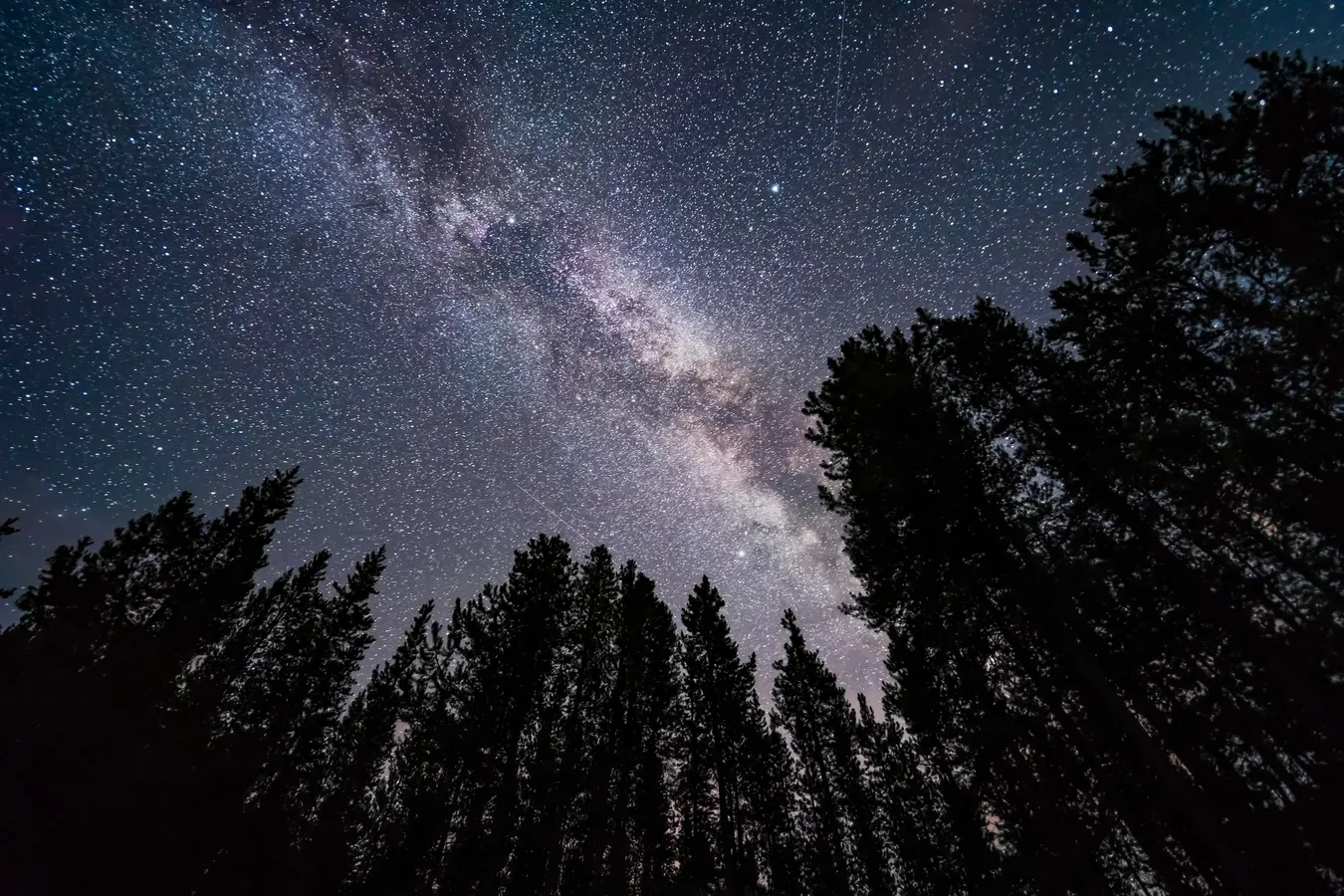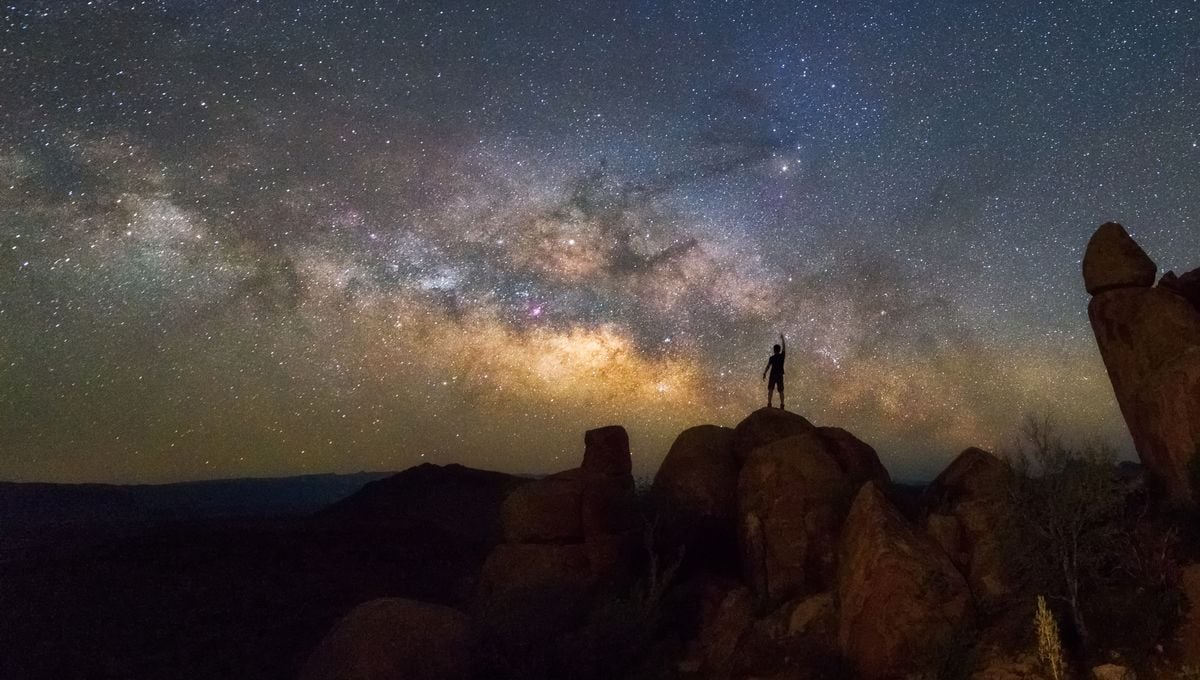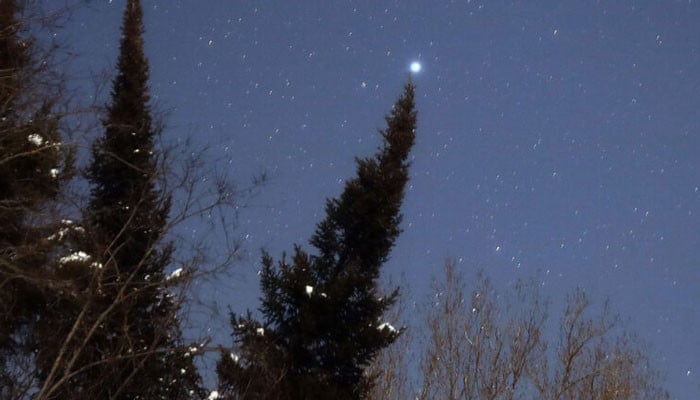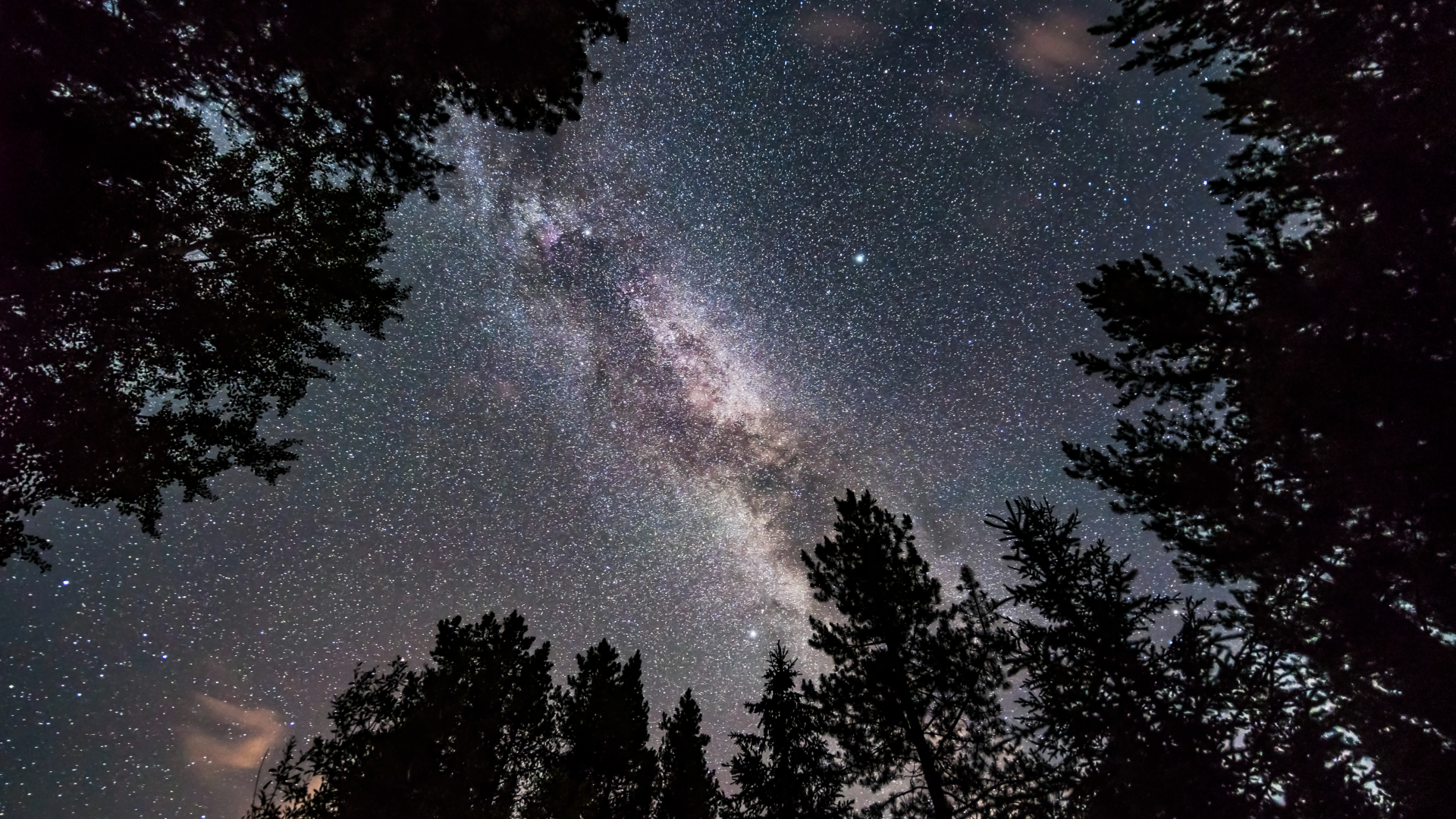
The article highlights the best time around August 29 to observe the Summer Triangle asterism, featuring stars Altair, Vega, and Deneb, set against the Milky Way, with a young crescent moon providing ideal viewing conditions. It also recommends binoculars for stargazing and shares interesting facts about these stars and their constellations.
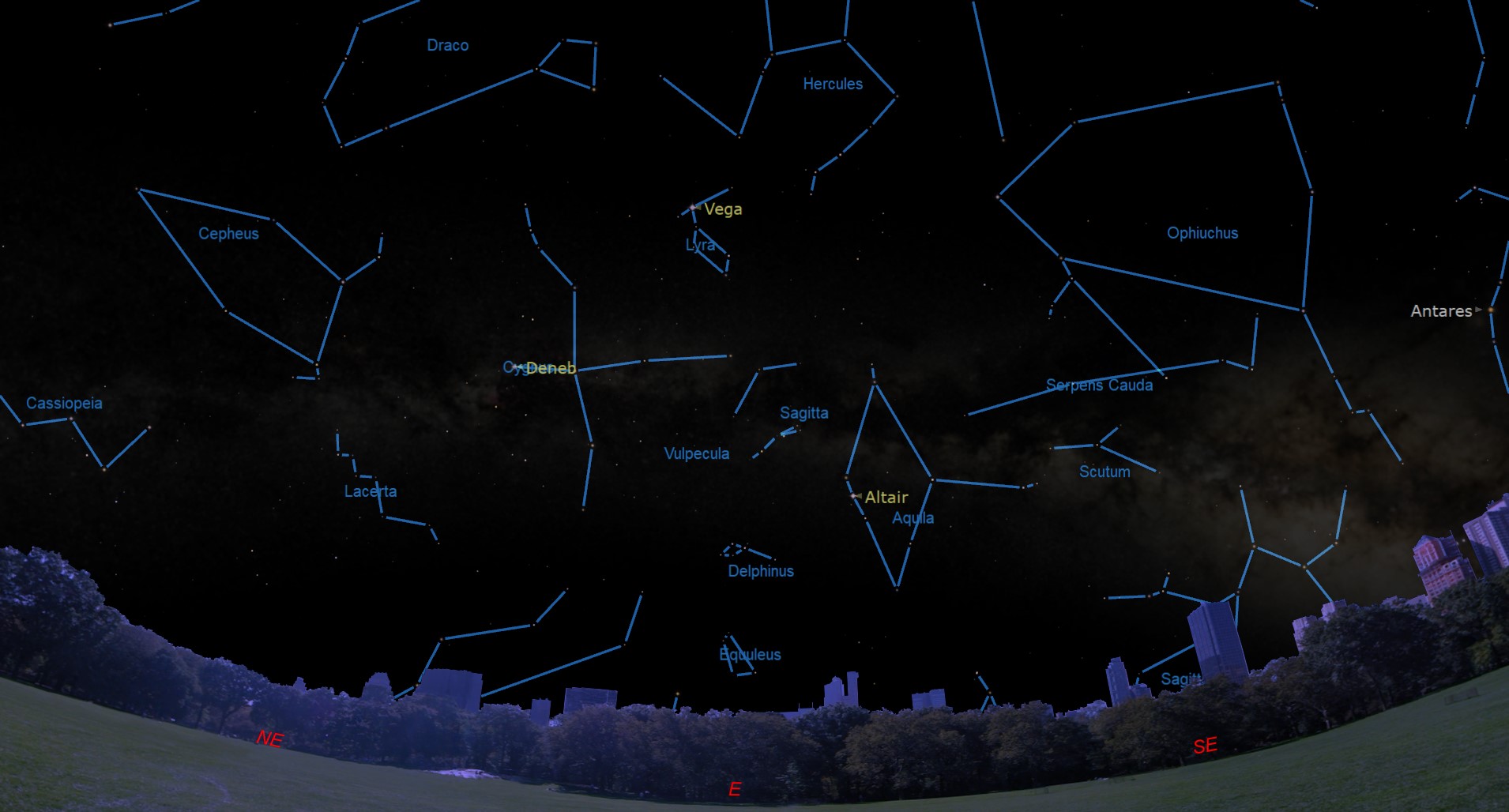
The Summer Triangle, formed by the stars Vega, Deneb, and Altair, is visible in the eastern sky around July 12, offering a great opportunity for stargazing, especially near the new moon on July 24, with tips for observing and equipment recommendations.
The new moon on June 25 creates ideal conditions for stargazing in summer, revealing the Summer Triangle and the Milky Way in dark skies, with tips for optimal viewing and upcoming celestial events like the crescent moon and planetary conjunctions.
June is the best time to view the glowing core of the Milky Way from dark, secluded locations, offering a spectacular sight of our galaxy's central region, especially when using long-exposure photography and identifying the Summer Triangle as a guide.
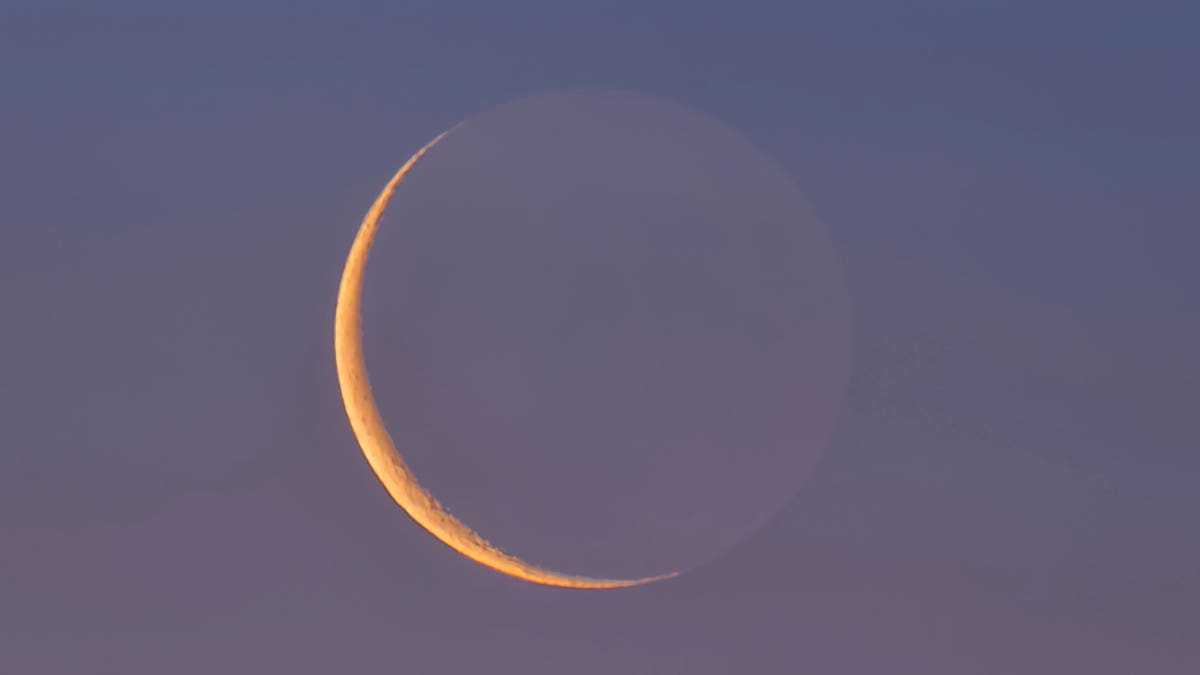
This week offers great opportunities for moon-gazing, with a waning crescent moon visible in the predawn and post-sunset skies. The moon will display "Earthshine" and be accompanied by Venus. A razor-thin crescent moon can be seen with binoculars, and a new moon marks the path for an upcoming annular solar eclipse. The crescent moon will also be visible with the star Spica in the evening sky. Additionally, the Summer Triangle is inching towards the western sky. Stargazers are encouraged to use binoculars to explore the rich star fields beyond human eyesight.
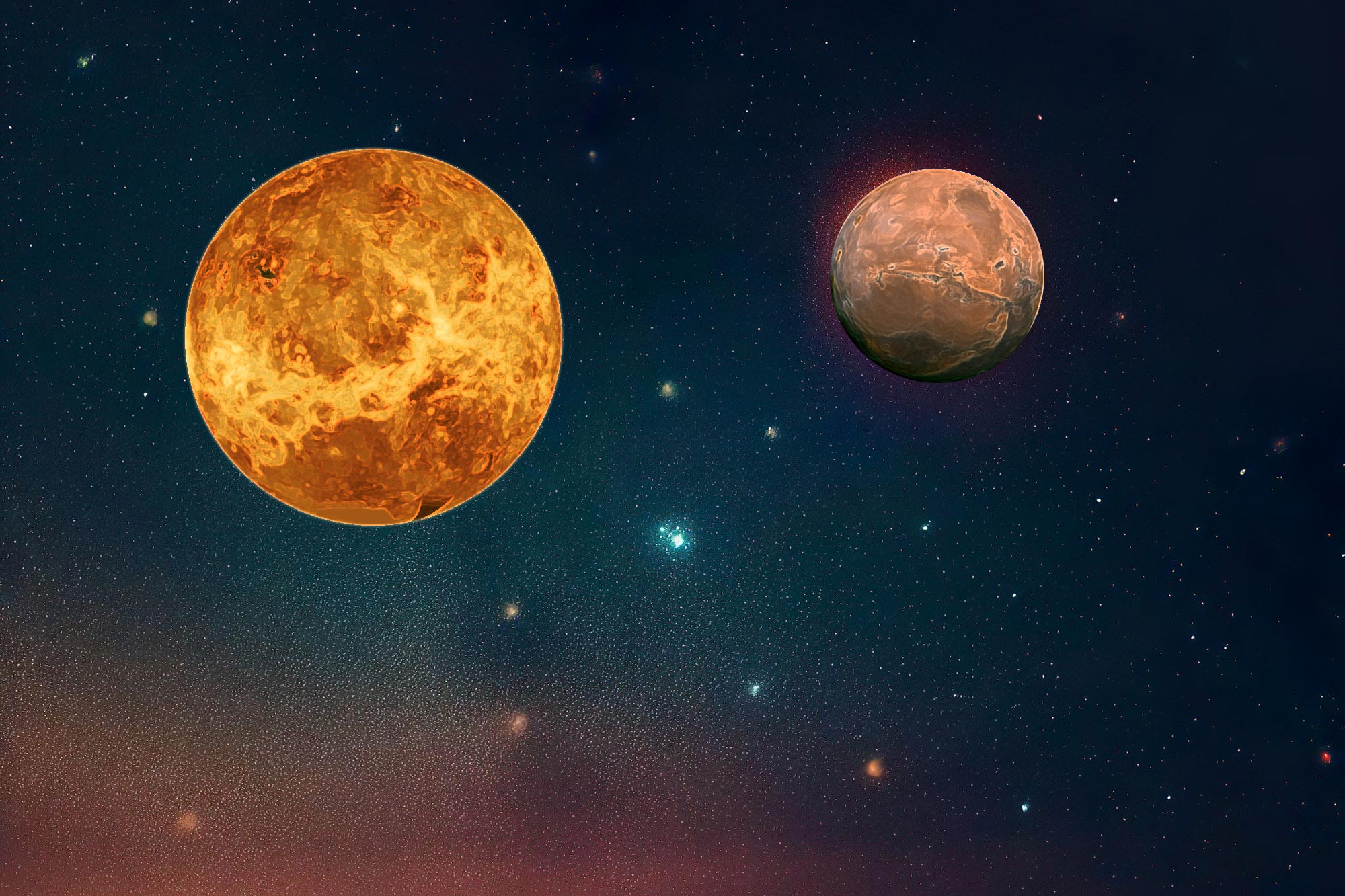
In June 2023, skywatchers can observe Mars and Venus drawing closer each night, Saturn leading Jupiter into the morning sky, and the bright stars Spica and Arcturus shining overhead on June evenings, along with the Summer Triangle. The June solstice on the 21st marks a unique alignment of the crescent Moon, Venus, and Mars. Other highlights include Mars in the Beehive Cluster on June 1-2, a full moon on June 3, and a new moon on June 18. The solstice also helped the Ancient Greeks understand the size of Earth with remarkable accuracy.
Vega, the fifth most luminous star in our celestial sphere, will be visible in the night sky throughout May, progressively ascending earlier each day in the northern hemisphere. It holds cultural significance and forms a part of the Summer Triangle alongside Altair and Deneb. Astronomers have discovered intriguing revelations about Vega, including the potential existence of rocky planets resembling Earth or Mars in its asteroid belt.