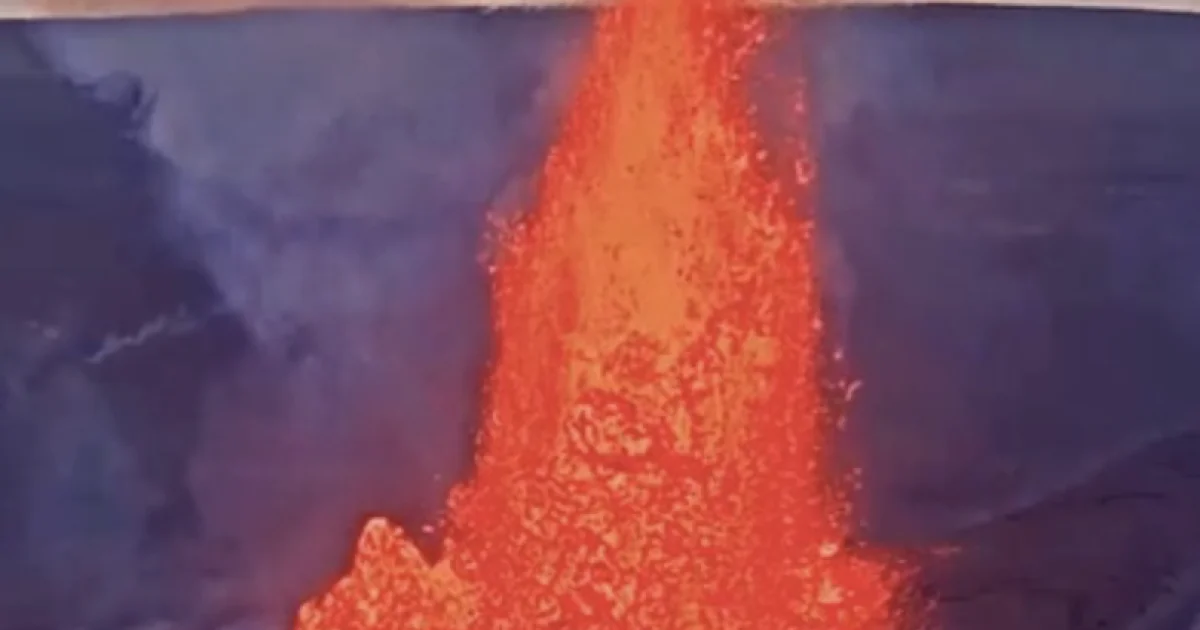
Kilauea’s eruptions release large amounts of sulfur dioxide; in sunlit, moist air the SO2 reacts with water to form sulfurous acid, which is further oxidized by sunlight to sulfuric acid, creating hazardous airborne acids near the eruption, with additional notes on lava temperatures and measurement methods.
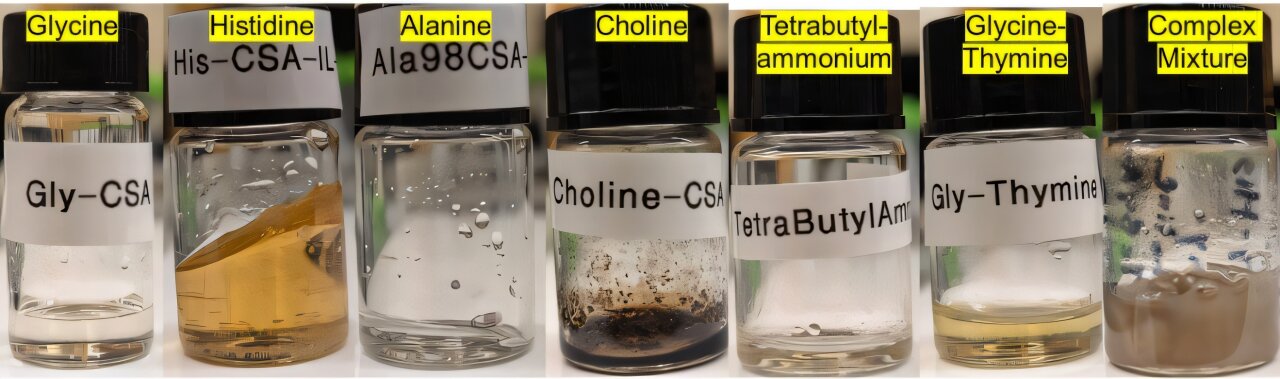
A new study suggests that planets lacking water could still support life through the presence of ionic liquids formed from sulfuric acid and organic compounds, expanding the potential habitability zones beyond water-based environments.
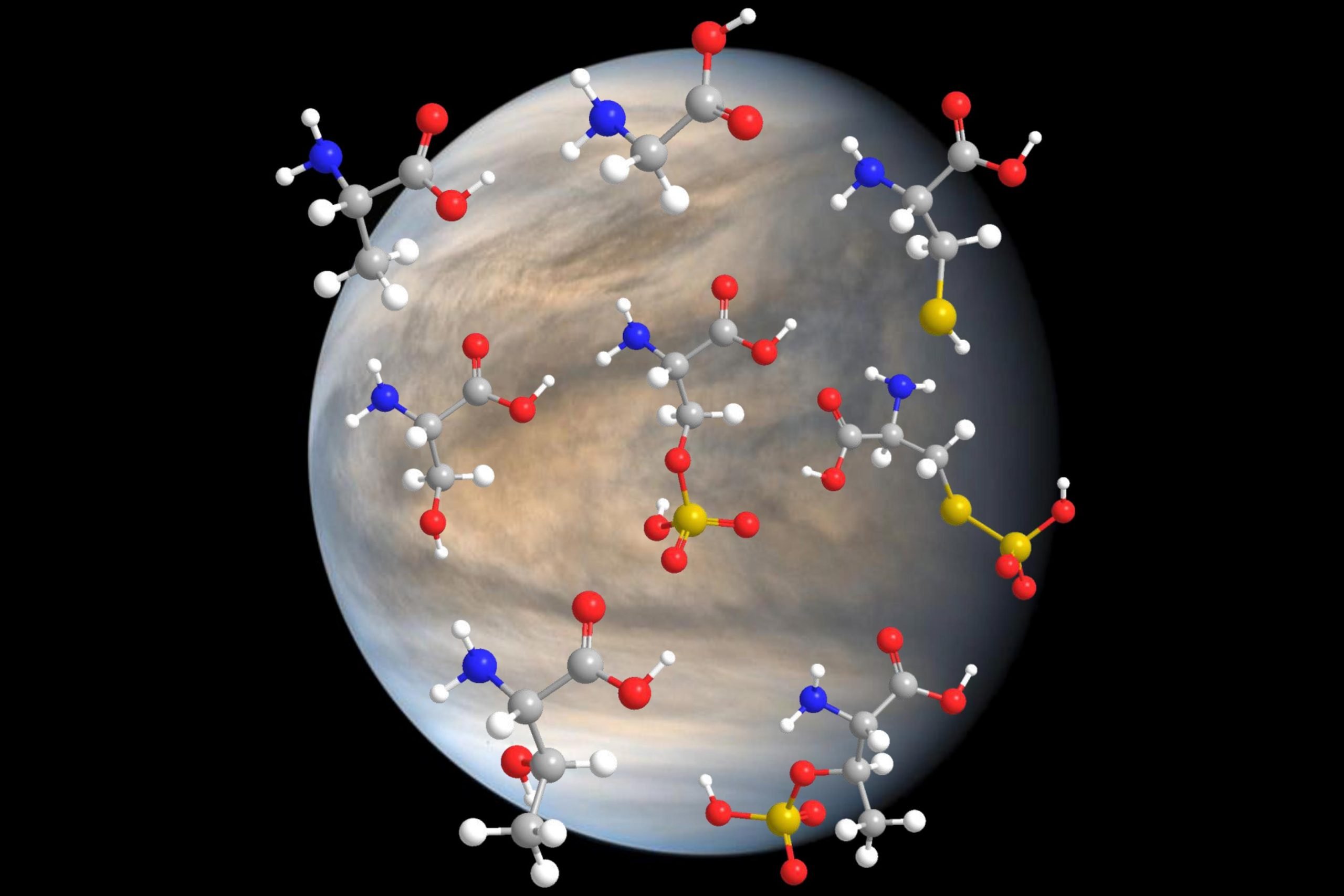
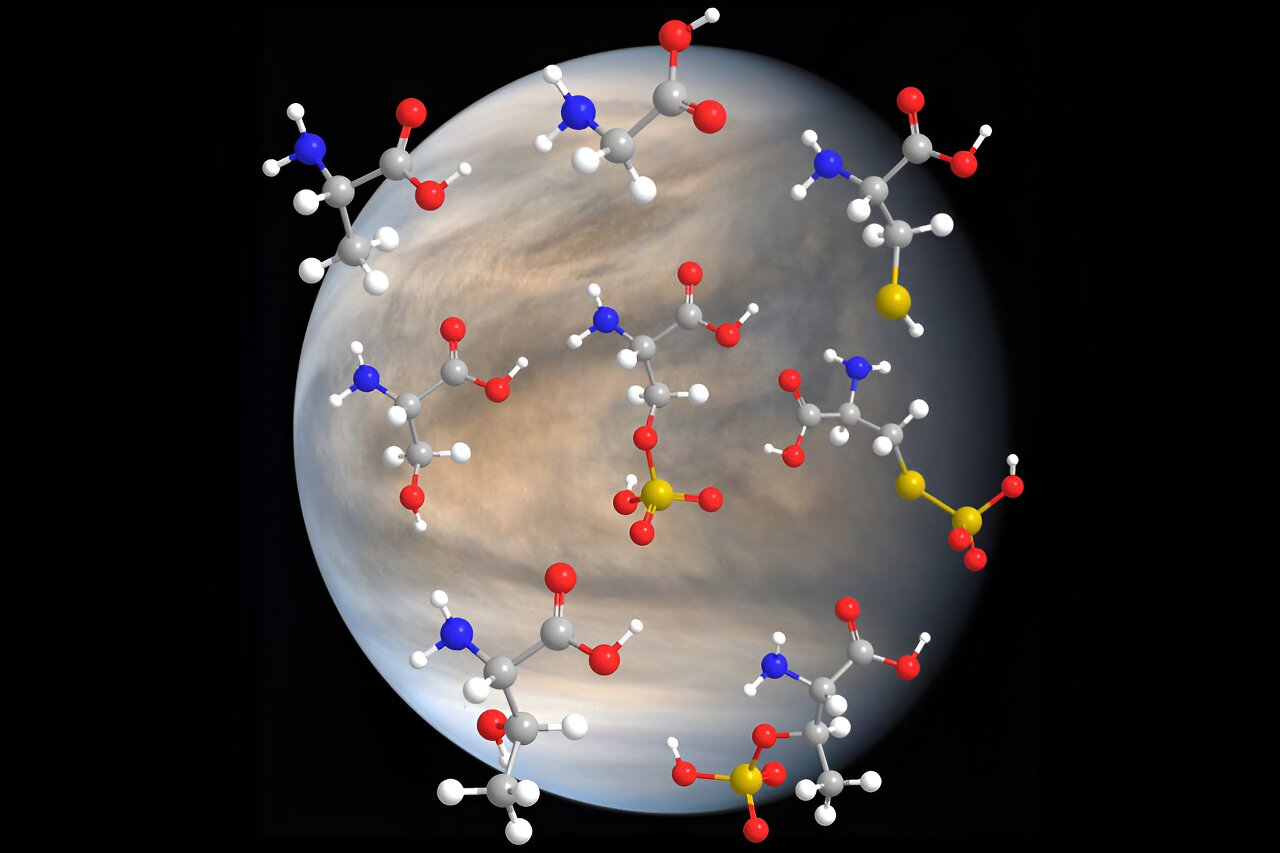
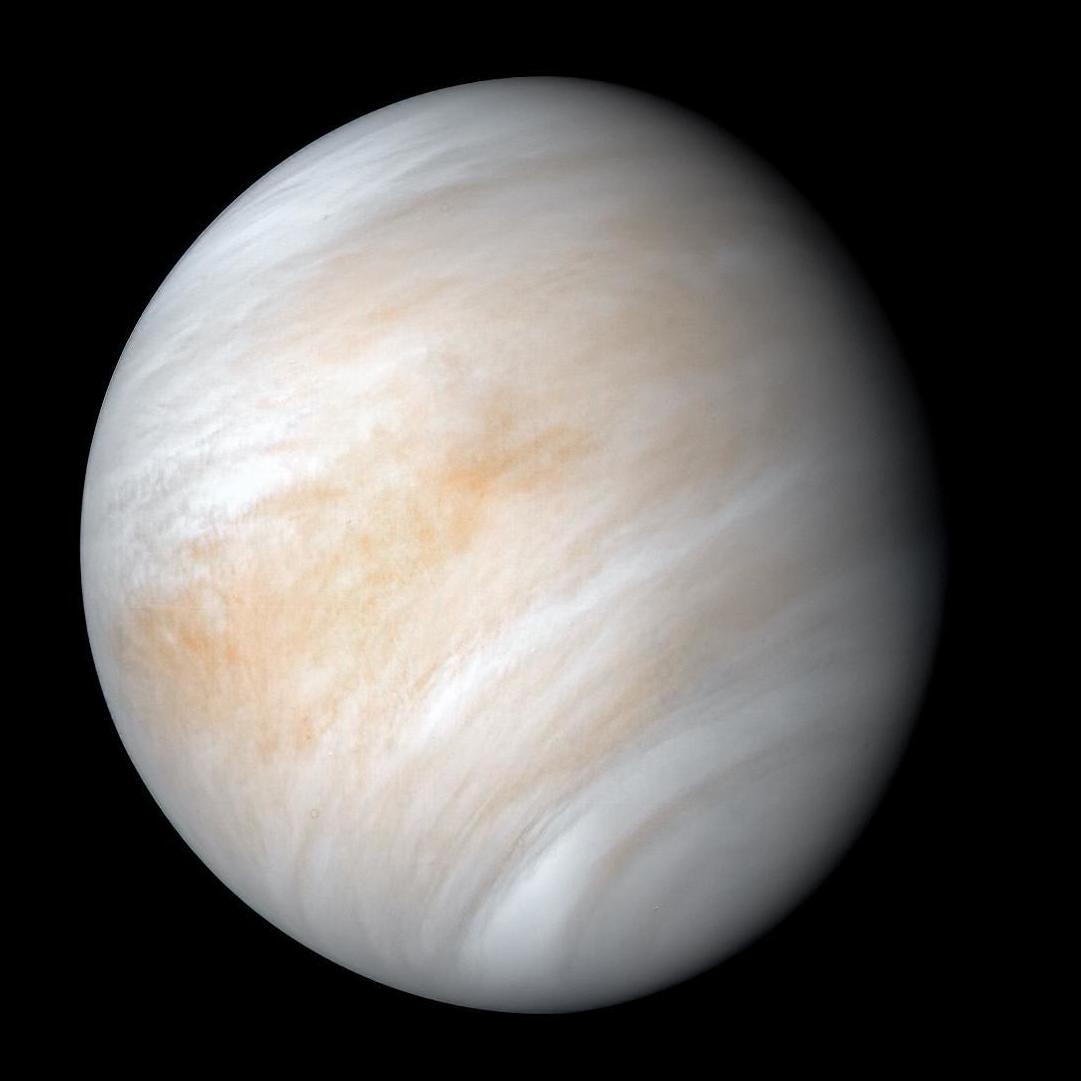
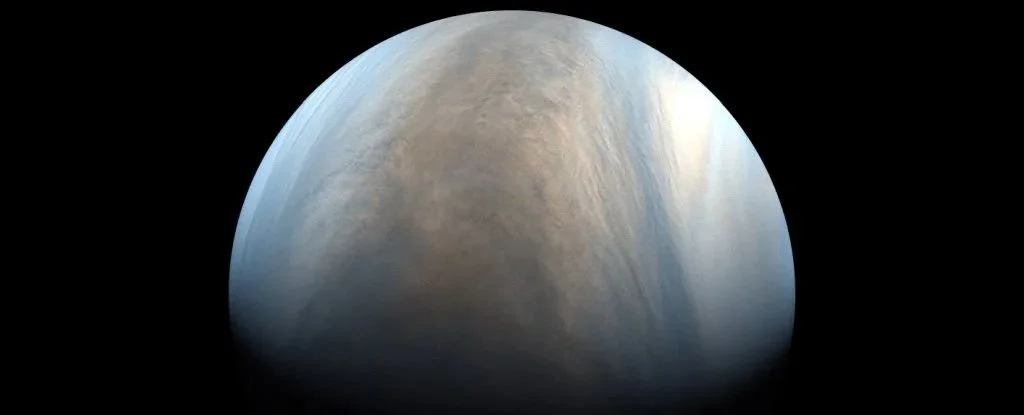
A new lab experiment conducted by MIT researchers suggests that amino acids, essential building blocks of life, could be stable in Venus' highly concentrated sulfuric acid clouds, challenging the notion that the planet is inhospitable to life. The study found that 19 amino acids persisted for at least a month in a sulfuric acid solution similar to that found on Venus. This discovery adds to the possibility of life existing in Venus' clouds, and upcoming missions, such as the Venus Life Finder, aim to further explore the habitability potential of the planet.
Recent studies suggest that complex organic chemistry could thrive in sulfuric acid, challenging the assumption that water-rich environments are necessary for life. Research has shown that nucleic acid bases and amino acids can remain stable in concentrated sulfuric acid, similar to the conditions found in the Venusian clouds. While the study was conducted in a laboratory setting and not in the actual Venusian environment, upcoming missions to Venus may provide valuable data to further explore the potential for organic chemistry and possibly extraterrestrial life in such conditions.
MIT researchers have discovered that amino acids, essential building blocks for life on Earth, can remain stable in highly concentrated sulfuric acid, suggesting the possibility of life in Venus' clouds. The study's findings challenge the assumption that Venus' highly toxic clouds would be inhospitable to life and support the idea that the planet's clouds could host complex chemicals needed for life. The research, published in the journal Astrobiology, provides new insights into the potential habitability of Venus and raises intriguing possibilities for the existence of life beyond Earth.
MIT researchers have found that amino acids, essential building blocks for life on Earth, are surprisingly stable in highly concentrated sulfuric acid, similar to the conditions in Venus' clouds. This discovery challenges the assumption that Venus' highly toxic clouds would destroy most biological molecules. The study's findings suggest that the possibility of life surviving in sulfuric acid on Venus may not be far-fetched, although the cloud chemistry is likely more complex than the study's controlled conditions. This research could advance the notion that Venus' clouds could support complex chemicals needed for life, potentially different from life on Earth.
Five firefighters were hospitalized after a fire broke out at a two-story downtown commercial building housing an illegal cannabis operation in Los Angeles. The firefighters experienced a burning sensation on their faces and extremities, believed to be caused by sulfuric acid. They have since been released and are expected to return to duty. Investigators found no indication of human remains in the heavily damaged building, and the cause of the fire is under investigation.
A new study led by scientists from MIT suggests that the atmosphere of Venus, despite its clouds of concentrated sulfuric acid, could support the complex chemistry needed for life to survive. The researchers found that the basic building blocks of life, nucleic acid bases, are stable in concentrated sulfuric acid. While this does not indicate the presence of life on Venus, it confirms that organic processes necessary for life can occur in its atmosphere. Future missions, such as NASA's DAVINCI+ and VERITAS probes, as well as China's VOICE probe, could further investigate the potential habitability of Venus. MIT's Morning Star Missions to Venus program also aims to study Venus' clouds for signs of life and launch an Atmospheric and Cloud Sample Return Mission in 2041.
New research suggests that although the surface of Venus is inhospitable to life, its atmosphere may be able to support microbial life. The clouds in Venus's atmosphere contain sulfuric acid, but experiments have shown that nucleic bases, the building blocks of RNA and DNA, can remain stable in the acid. The lack of water and low chemical energy in the atmosphere are hurdles, but the researchers argue that the possibility of life on Venus is not absent and should be explored further. If life is found, it could significantly enhance our understanding of the variety of ways life could emerge in the universe.