Tag

Suez Canal

All articles tagged with #suez canal

sportsentertainment1 year ago

"Pirate Troubles and Surprises: WWE's Elimination Chamber 2024 in Australia"

The WWE's physical Elimination Chamber for the event in Australia was almost seized by pirates in the Suez Canal, prompting the company to take an alternate shipping route due to ongoing crisis and attacks in the region. This bizarre incident could have derailed the wrestling event, which features Aussie stars like Rhea Ripley and Grayson Waller.
international-relations1 year ago

Red Sea Tensions Drive Up Shipping Costs

Houthi attacks on international ships in the Red Sea have significantly impacted Egypt's economy, leading to a 40% decrease in Suez Canal income and a 30% drop in ship traffic. Egypt has responded by increasing transit fees and faces a predicted GDP shrink and rising inflation. Despite pressure to participate in military operations against the Houthis, Egypt has declined, citing domestic and regional considerations, and is unlikely to face significant repercussions from the US for its stance.

international-trade1 year ago

Suez Canal Cargo Plummets as Houthi Attacks Take Toll

Freight levels through the Suez Canal have plummeted by 45% since Iran-backed Houthi militants began attacking vessels in the Red Sea, risking higher inflation and food insecurity. The decline in shipping has led to delays, higher costs, and increased greenhouse gas emissions, with container shipments and LNG traffic particularly affected. The disruptions, compounded by other global trade route issues, have prompted concerns about food price increases and potential long-term impacts on consumer goods.

business2 years ago

Red Sea Attacks Drive Soaring Shipping Costs

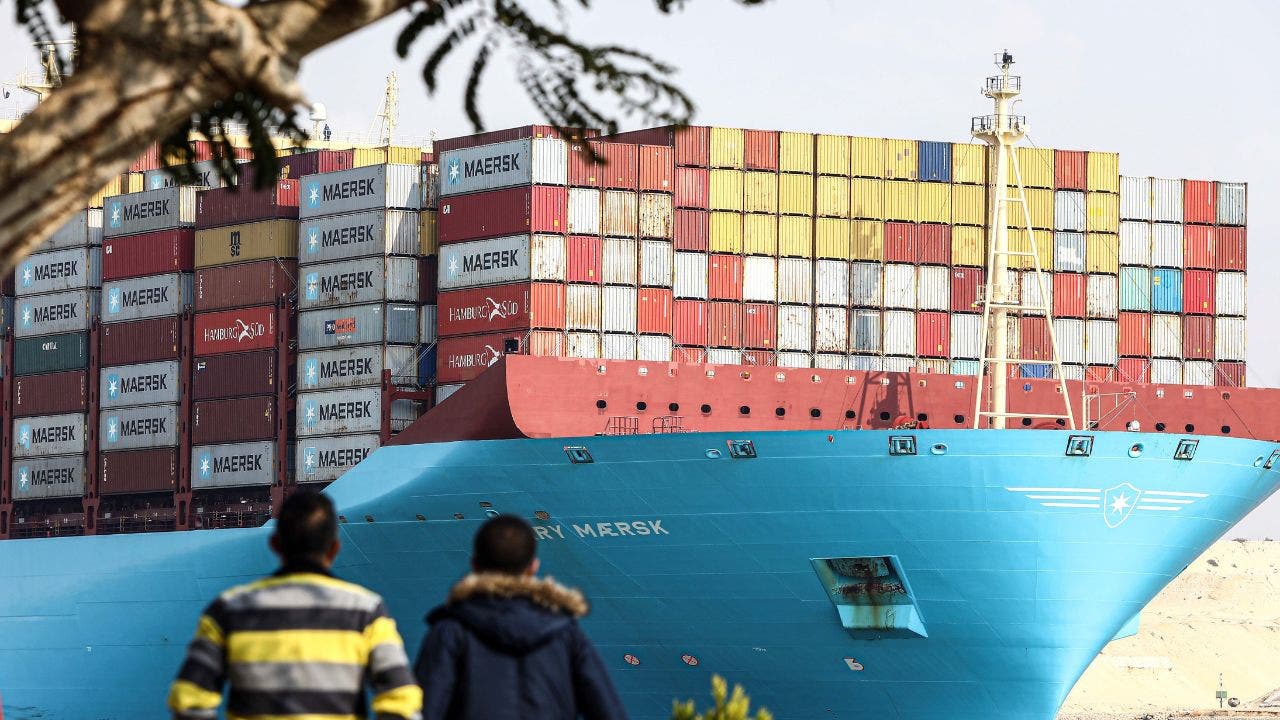
Ongoing missile and drone attacks by Houthi militants in the Red Sea have led to soaring shipping costs, as vessels using the Suez Canal face higher insurance premiums or opt for the longer route around Africa. The attacks have disrupted global trade, causing shutdowns at European auto plants and raising concerns about consumer price increases. The Drewry World Container Index has more than doubled, partly due to a shortage of shipping containers caused by longer travel times. War risk insurance is now necessary for ships in the region, leading to increased costs for shipping companies.

international-relations2 years ago

"China's Efforts to Ease Red Sea Tensions and Impact on Global Trade"

China expresses deep concern over the escalating tensions in the Red Sea caused by Houthi rebel attacks, calling for de-escalation and urging all parties to ensure the safety of the trade route. The attacks have disrupted global trade, leading to ships rerouting around Africa and increased shipping costs. China, as the world's largest exporter, is working to cool down the situation and maintain security and stability in the region, while maintaining close ties with Iran and refraining from taking sides in the conflict.

energy-international-trade2 years ago

"Shifting Shipping Routes: Implications for European Crude Purchases and Inflation"

More crude tankers are diverting from the Suez Canal due to Houthi rebel attacks, leading to longer voyages and supply issues for Europe. This "sea change" in commodity purchases is expected to increase energy prices for Europe and benefit Atlantic Basin crude suppliers like the U.S. and Brazil. The longer transits are causing delays and squeezing tanker availability, leading to increased freight rates. European countries are seen as complicit in the Israel-Hamas war, prompting European oil owners to opt for longer routes around Africa's Cape of Good Hope. This shift is expected to be a prolonged, painful event but a boost for the U.S. and Brazilian energy industry.

global-trade2 years ago

"Rising Global Shipping Rates Amid Escalating Red Sea Crisis"

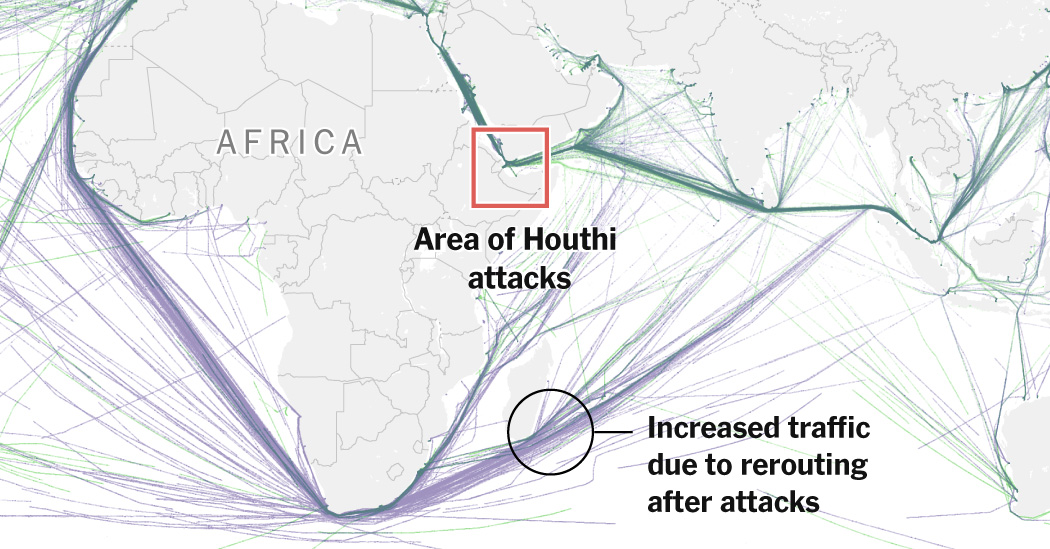
Global shipping rates have surged as Houthi attacks on commercial vessels in the Red Sea prompt diversions and surcharges, with rates for shipping from Asia to Northern Europe spiking 461%. About 15% of world shipping traffic passes through the Suez Canal, but many ships are now circumventing Africa due to the attacks. The disruptions are causing significant cost increases, delays, and fears of inflation, with concerns about the impact on global trade routes and potential consequences for global growth.

global-shipping-geopolitics2 years ago

"Red Sea Attacks: Impact on Global Shipping and Supply Chains"

Houthi militia attacks in the Red Sea have led to a significant disruption in global shipping, with hundreds of ships now circumventing the Suez Canal and sailing around Africa, resulting in increased costs and delays. The attacks, aimed at disrupting shipping links with Israel, have targeted vessels from multiple countries, leading to rising insurance premiums and potential inflation. The Red Sea and Suez Canal have become crucial for oil and natural gas shipments, and the situation has raised questions about China's stance in the region.

energy-international-relations2 years ago

"Qatari LNG Tankers Navigate Red Sea Tensions, Impact on Gas Supply"

Tankers carrying Qatari liquefied natural gas (LNG) have resumed their course through the Red Sea after a pause due to maritime attacks by Yemen's Iran-aligned Houthis. The attacks have disrupted trade on the main East-West route, prompting some vessels to divert from the Red Sea to the longer route around Africa. Despite the tensions, Qatari LNG production continues, and gas storage levels in Europe remain healthy.

maritime-security2 years ago

"Maritime Strategy: China's Role in Evading Houthi Threats"

In an effort to avoid attacks by Houthi militants in the Red Sea, at least five vessels have signaled their links to China, with some indicating "all Chinese crew" in their destination field. The surge in attacks by the Houthis has led to significant disruption in the global merchant fleet, causing a plunge in Suez Canal transits. Ships are choosing to sail around Africa to avoid the Red Sea, and some are indicating no links to Israel in an attempt to avert attacks.

international-trade2 years ago

Escalating Houthi Attacks and Red Sea Crisis Disrupt Global Trade and Threaten US Troops

Attacks by Houthi militants in Yemen have forced most container ships and oil tankers to reroute around southern Africa instead of using the Suez Canal, causing significant disruptions to global trade. As many as 12 out of every 14 container ships are heading south, adding up to a month to their journey and delaying the delivery of goods. The attacks, in response to Israel's war with Hamas, have targeted passing ships in the Red Sea, leading major shipping lines to avoid the area. The situation threatens to upend international commerce already strained by rising inflation, the war in Ukraine, and the pandemic.

international-trade2 years ago

Escalating Houthi Attacks Force Container Ships to Seek Alternative Routes

Over 100 container ships have been rerouted from the Suez Canal to avoid attacks by Houthi rebels off the coast of Yemen, causing disruption to global trade. The diversions add significant time and distance to shipping routes, potentially delaying product deliveries by three to four weeks. The Houthi rebels, aligned with Iran, have targeted vessels in response to Israel's bombardment of Gaza. The US plans to lead a naval coalition to protect shipping in the Suez Canal. The disruption has led to higher oil prices and could eventually impact consumer energy tariffs and supply chains. While the retail industry is not expected to be affected this Christmas, extended disruptions could lead to shortages of products and parts for manufacturers.

global-trade2 years ago

Navigating Global Trade: From Suez to Red Sea, Challenges and Solutions

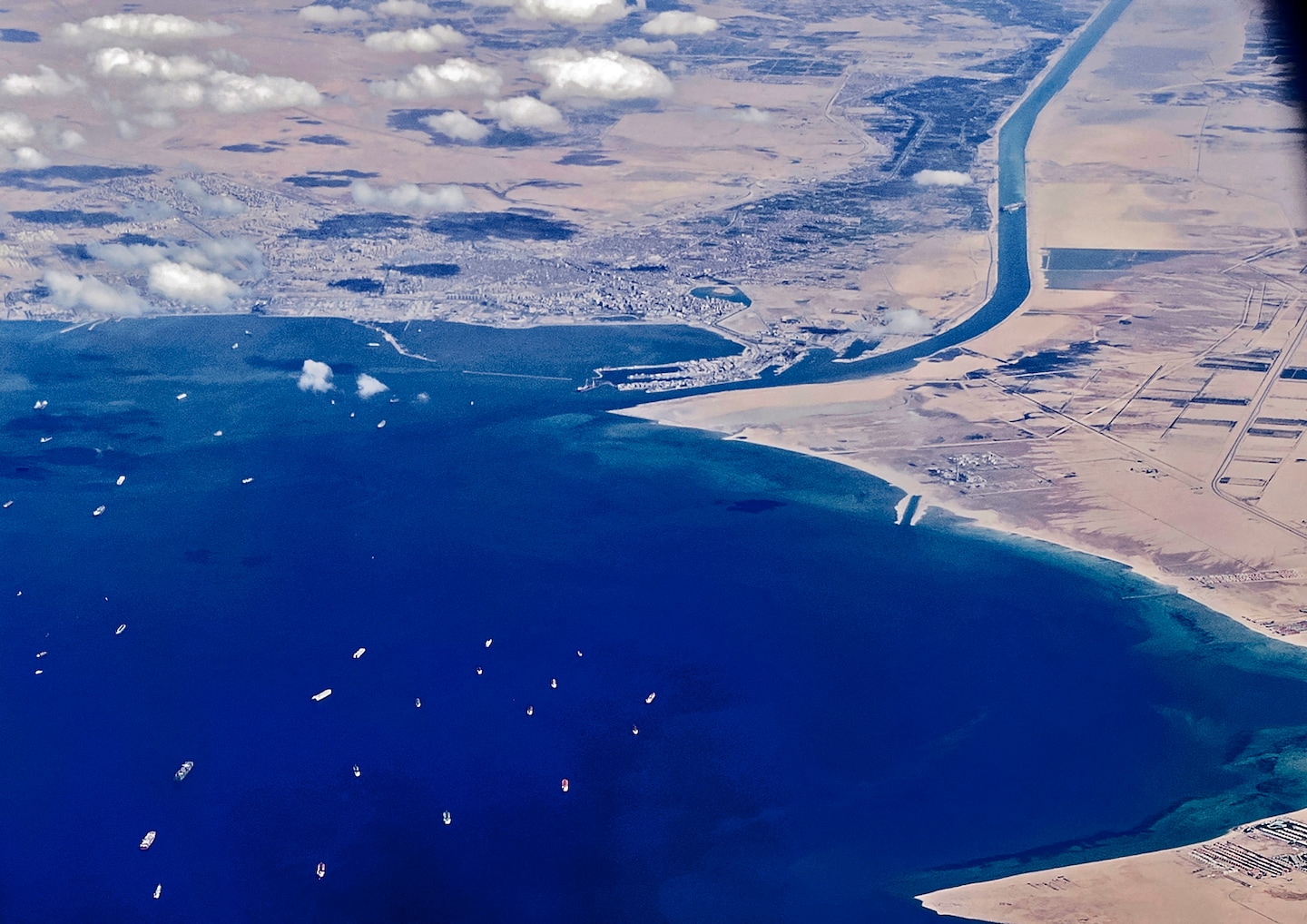
Global trade is facing significant disruptions as blockages in both the Suez and Panama canals have caused delays and logistical challenges for shipping companies. The blockage in the Suez Canal, caused by a grounded container ship, has led to a backlog of vessels waiting to pass through, impacting the flow of goods between Asia and Europe. Meanwhile, the Panama Canal is experiencing water shortages due to drought, forcing restrictions on vessel drafts and potentially affecting trade routes between the Atlantic and Pacific Oceans. These disruptions highlight the vulnerability of global supply chains and the need for contingency plans to mitigate future disruptions.