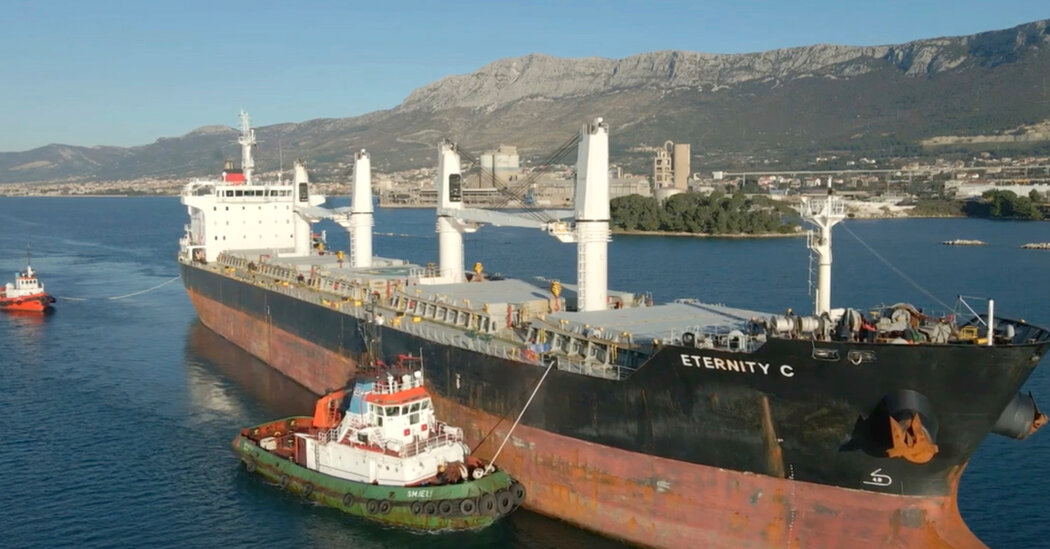
Two crew members were killed when a cargo ship was attacked off Yemen by unidentified small boats, marking the second attack in the Red Sea this week amid ongoing Houthi conflicts linked to the Gaza war, raising concerns over the safety of vital trade routes despite a recent US-brokered cease-fire.
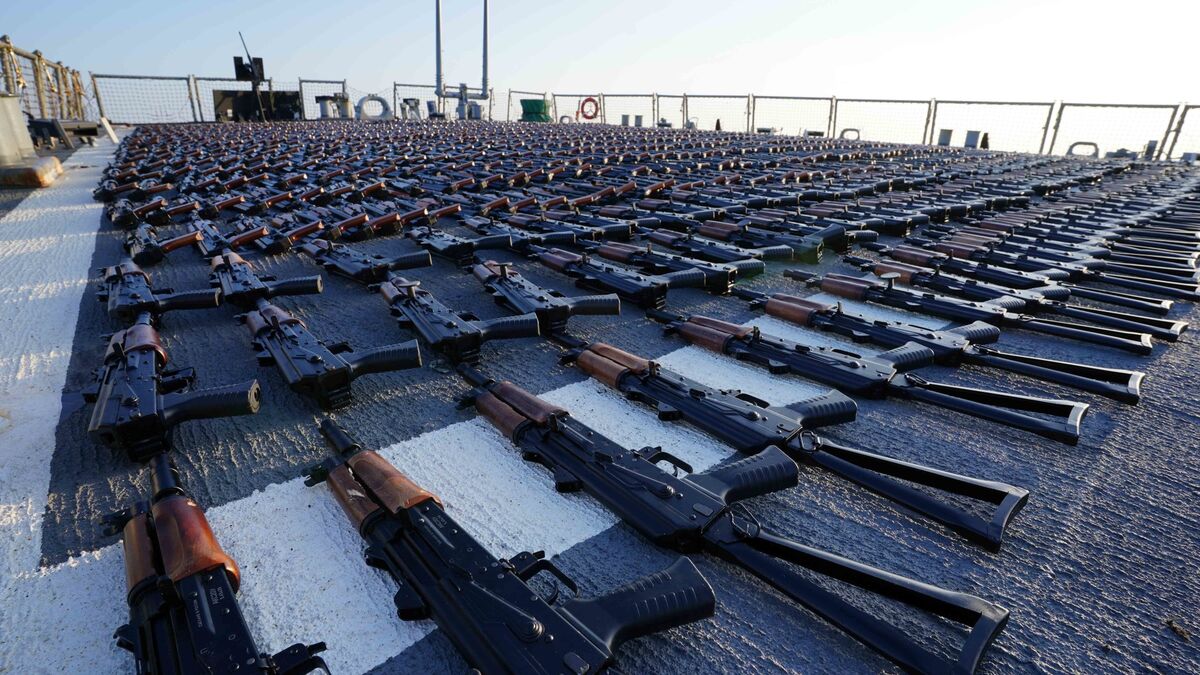
The US has sent a cache of Iranian weapons captured from Houthi militants to Ukraine to aid in its defense against Russia's invasion, including over 5,000 AK-47s, machine guns, sniper rifles, RPG-7s, and more than 500,000 rounds of ammunition.
The Navy destroyer Gravely, along with U.S. forces, successfully intercepted a Houthi anti-ship ballistic missile and two drones in the Red Sea, with no reported injuries or damage. This engagement follows the Houthi's recent attempts to attack U.S. warships and discussions among U.S. officials about achieving maritime security in the region. While acknowledging the impact of the terrorist designation on the Houthi's fundraising, U.S. Special Envoy for Yemen emphasized the need for a diplomatic solution to de-escalate the situation.
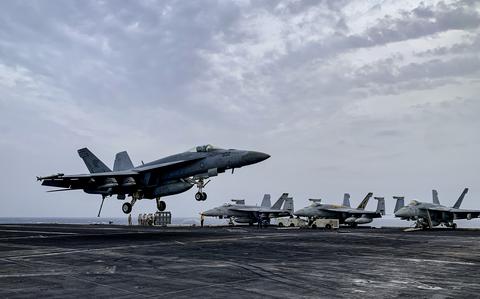
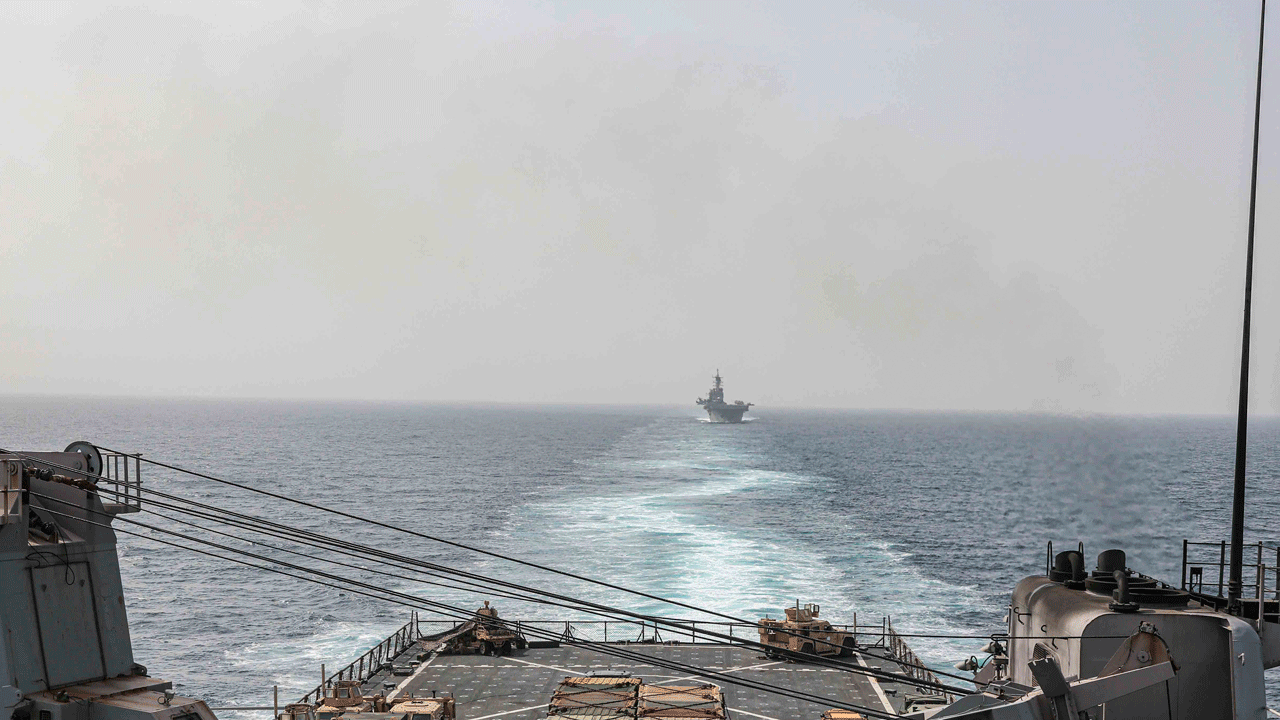
The USS Dwight D. Eisenhower Carrier Strike Group, comprising 7,000 sailors, has been engaged in an unrelenting battle against Iranian-backed Houthi militants in the Red Sea, launching about 100 flights daily to thwart drone and missile attacks. The group's efforts have significantly reduced the militants' activity, allowing safe passage for over 2,000 ships. The sailors, enduring a grueling pace without port calls, face frequent attacks and have been compared to World War II battles, but remain committed to the mission of safeguarding the vital waterway.
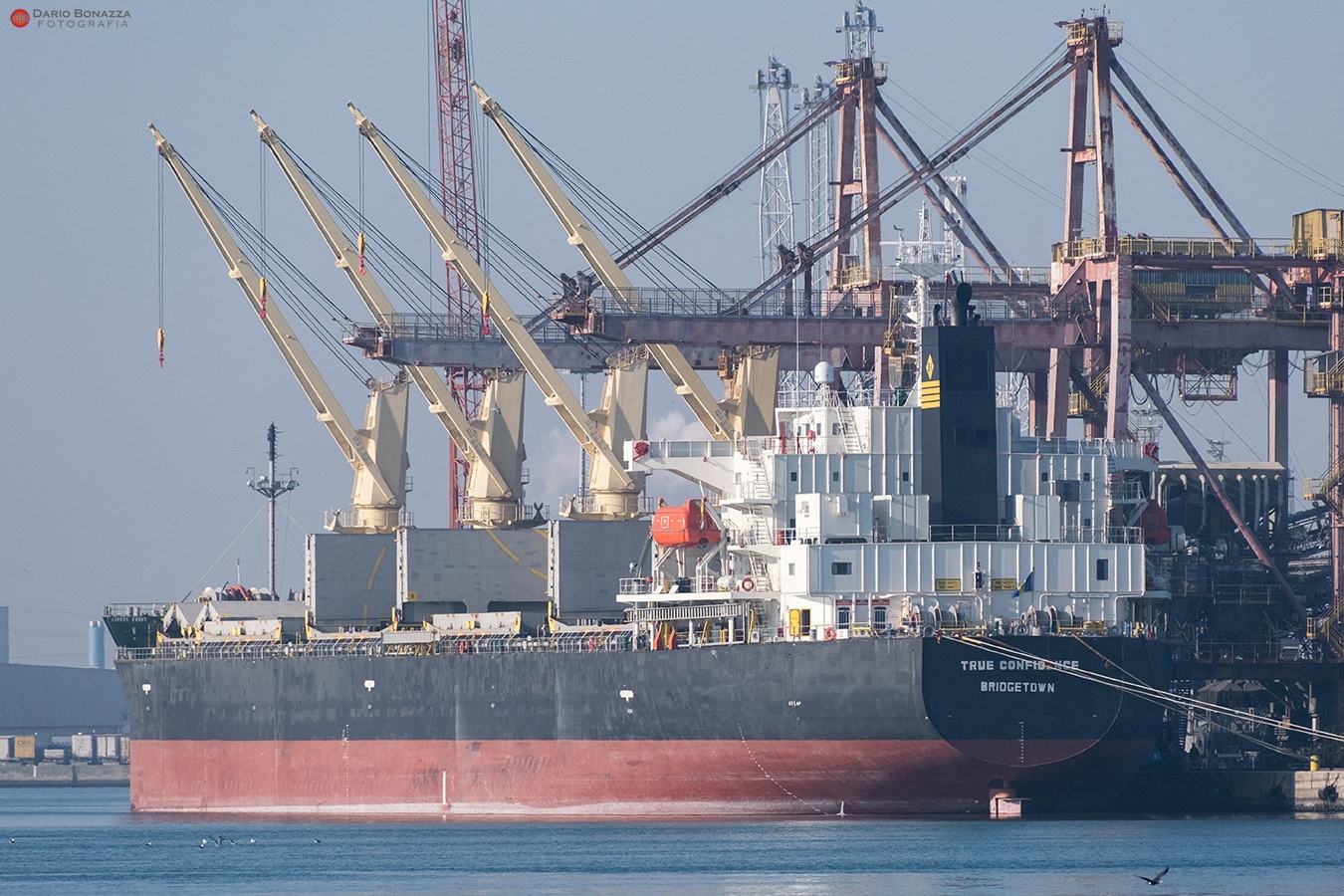
Houthi militants in Yemen launched a missile that struck a commercial vessel in the Gulf of Aden, killing two civilian mariners and injuring six others. This marks the first known fatalities in the Houthis’ recent campaign against maritime traffic, with the attack on the MV True Confidence being the fifth anti-ship missile launched in two days. The area has become increasingly dangerous due to Houthi targeting of ships, which they claim is in response to Israel’s actions in Gaza. The United States and Britain have responded with strikes against Yemen, and a new coalition has been formed to counter Houthi attacks and ensure freedom of navigation.
Houthi militants in Yemen claimed responsibility for a missile attack that set a Liberia-flagged, Israel-affiliated container ship ablaze in the Gulf of Aden. The attack, part of escalating assaults, was described by a private security firm as causing damage and a fire onboard, with no injuries to the crew. The Houthis have been targeting ships in the region since November, citing protests against the Israel-Hamas war, and have also been linked to disruptions in Red Sea underwater cables. The attacks have continued despite U.S.-led airstrikes, raising concerns about the safety of international communications and shipping in the area.
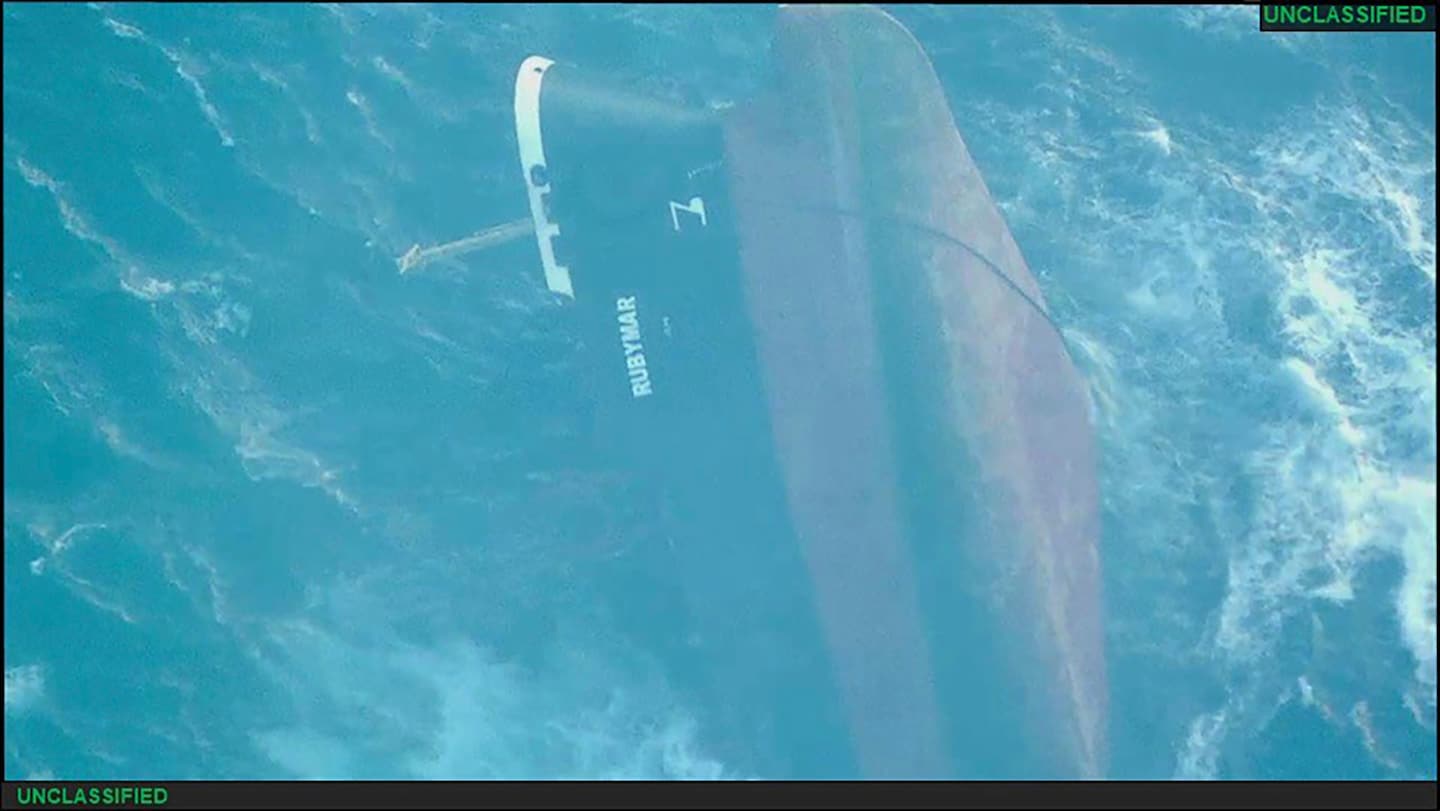
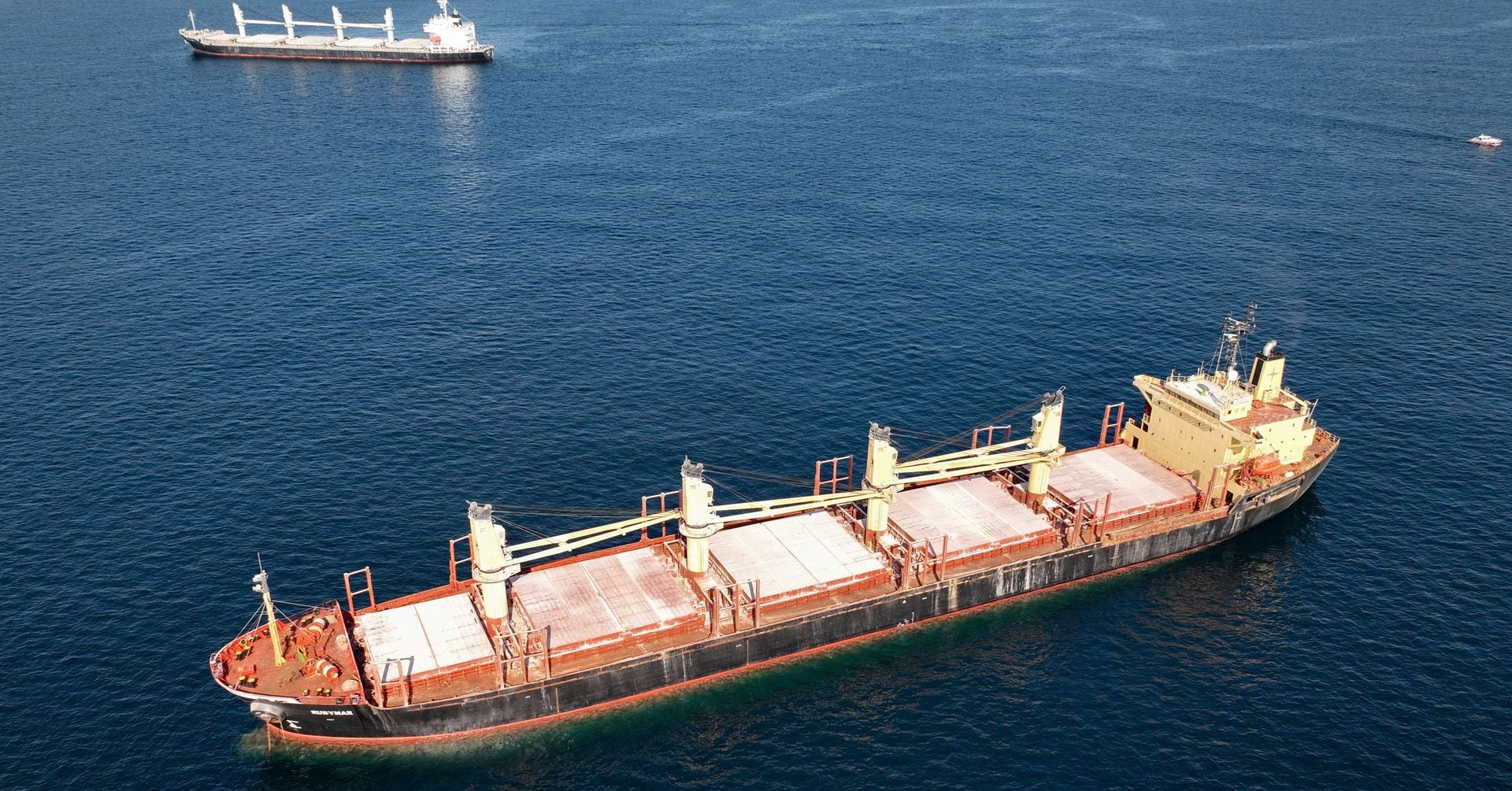
A British cargo ship sank in the Red Sea after being attacked by Houthi militants, carrying 21,000 metric tons of fertilizer, posing a significant environmental risk to the area. The sinking has raised fears of an environmental disaster, with concerns about the impact on marine ecosystems and coastal communities. The Houthi attack has led to disruptions in international commerce, as many ships have altered their routes to avoid the Red Sea, adding transit time and further complicating global trade.
The Rubymar cargo ship, which was attacked by Houthi militants last month, has reportedly sunk in the southern Red Sea, according to Yemen's government. The ship was carrying Ukrainian grain and more than 41,000 tons of fertilizer when it came under attack. The sinking, if verified, would mark the first vessel lost since the Houthi militants began targeting commercial shipping in November. The attacks have prompted shipping firms to divert vessels on longer, more expensive routes and have raised concerns about the wider Middle East's stability.
US forces conducted strikes against anti-ship cruise missiles and a drone in the Red Sea, aiming to protect merchant vessels and US Navy ships from imminent threats. The ongoing assaults by Houthi militants in the region have caused delays and added fees for commercial ships, prompting the US to build an international coalition to protect international shipping from Houthi attacks. The Houthis insist their attacks will continue until Israel stops its combat operations in the Gaza Strip, which have gained international recognition.
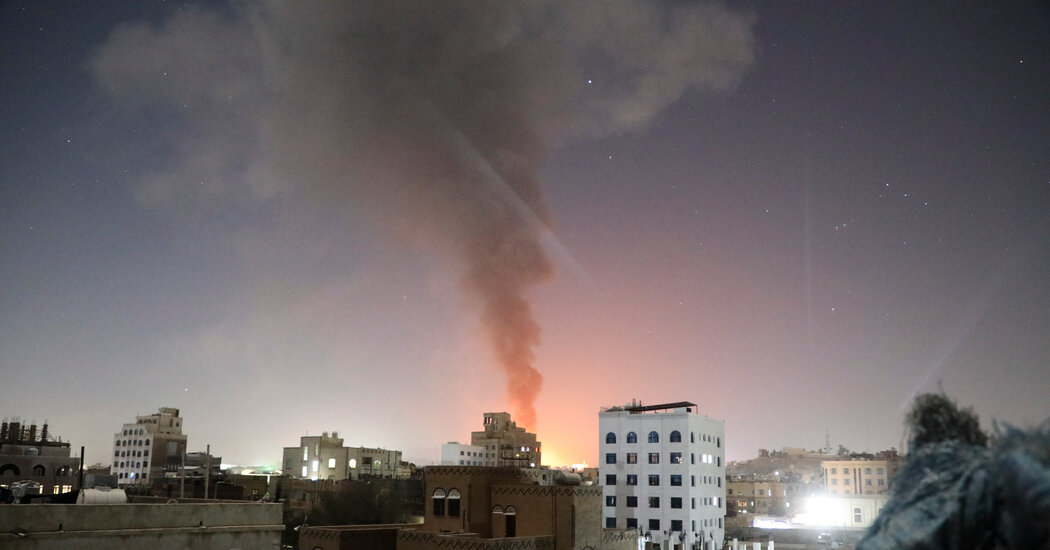
The United States and Britain conducted large-scale military strikes against 18 Houthi targets in Yemen, aiming to degrade the militants' ability to attack ships in critical sea lanes. The strikes were supported by Australia, Bahrain, Canada, Denmark, the Netherlands, and New Zealand. Meanwhile, in Israel, clashes erupted between police and protesters calling for the ousting of Prime Minister Benjamin Netanyahu and the return of hostages held in Gaza. Additionally, the Biden administration's reversal on considering new Jewish settlements on the West Bank as "inconsistent with international law" has sparked political tensions ahead of the Democratic primary in Michigan.
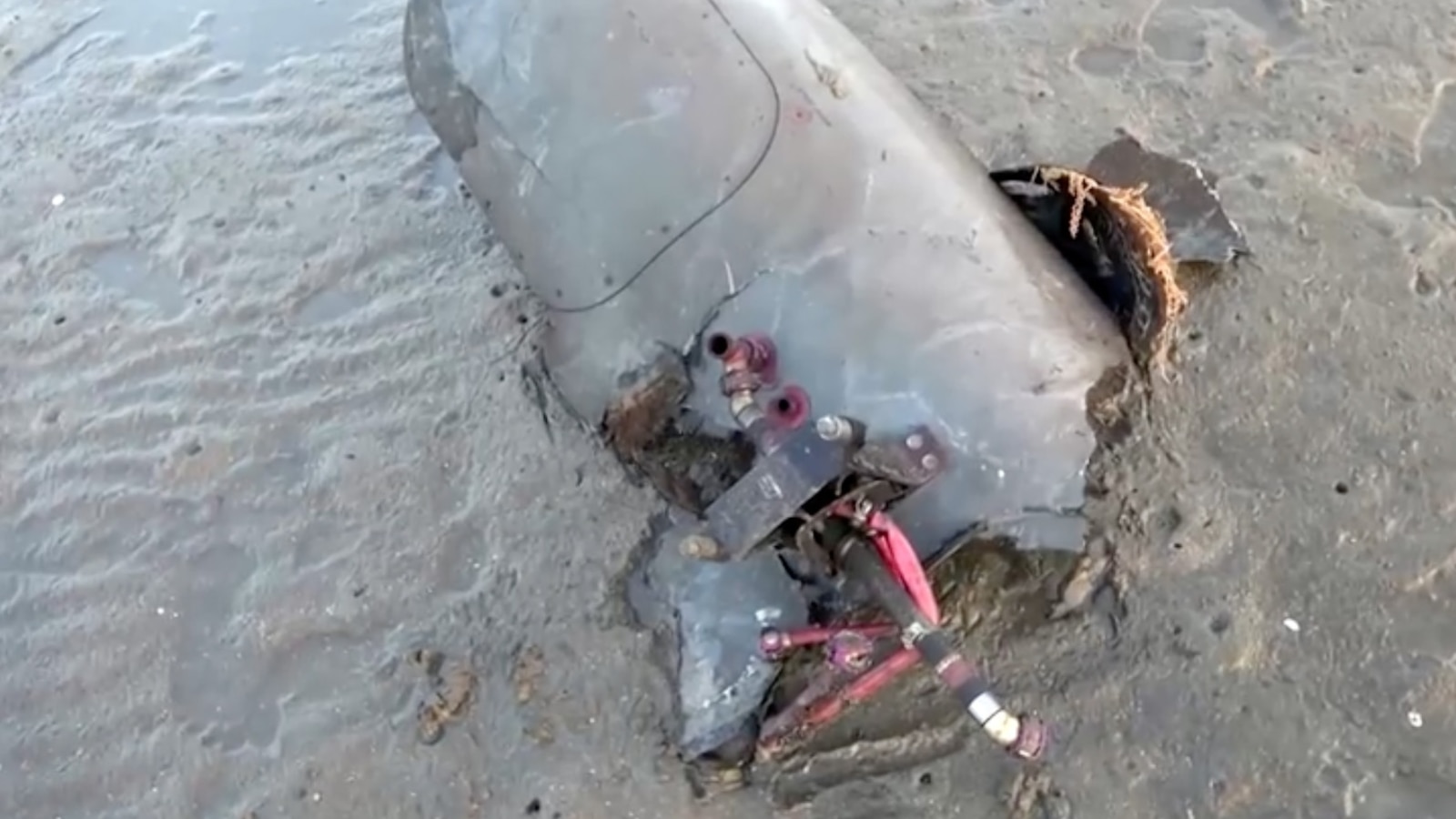
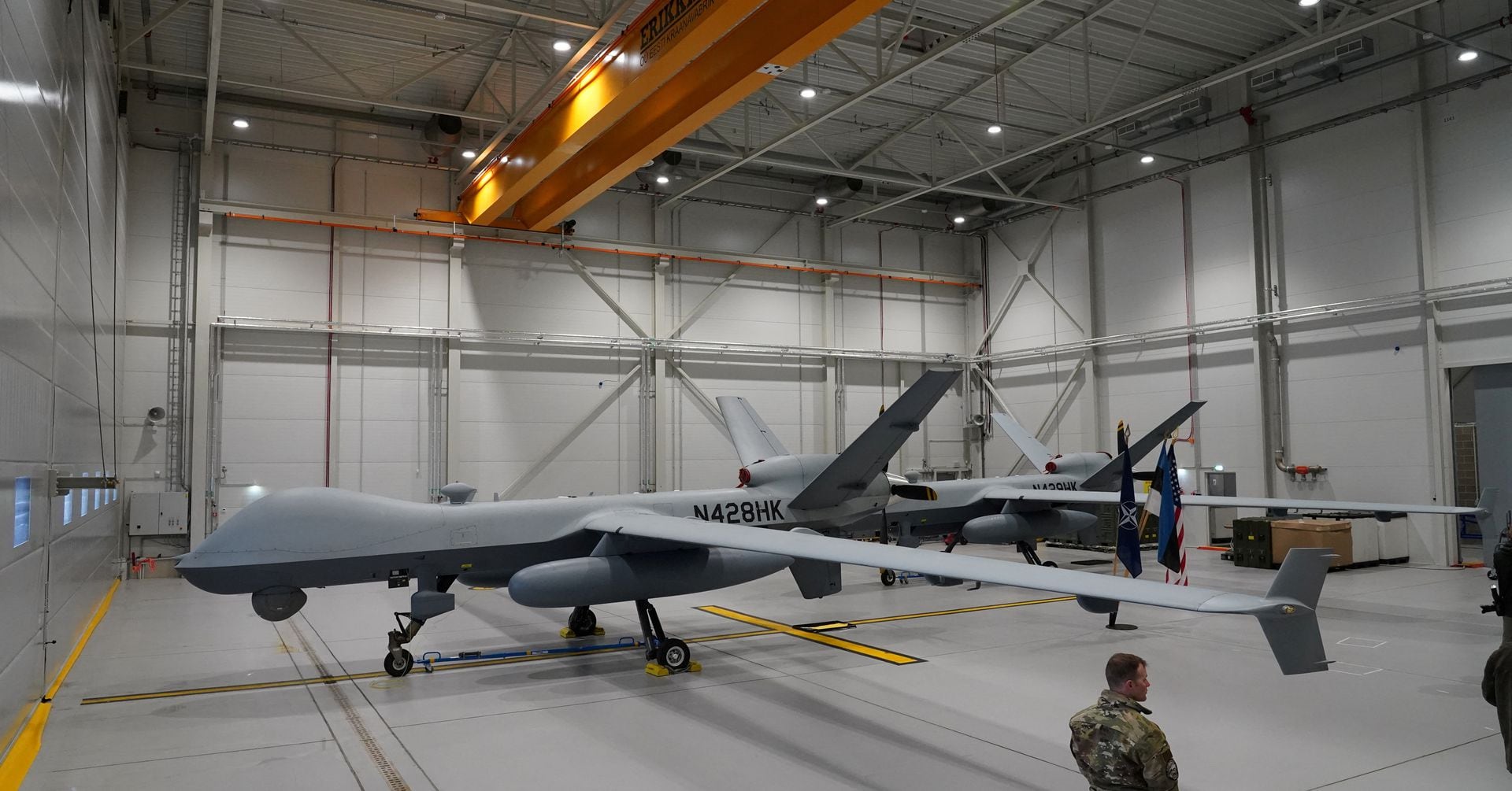
Houthi militants have shot down a US MQ-9 Reaper drone near Yemen, marking the second time they have downed such a drone. The US has designated the Houthis as a global terrorist organization, and tensions have been rising in the region with consistent missile and drone deployments. The Pentagon confirmed the drone was taken down by a surface-to-air missile and stated that an investigation is ongoing. The US conducted self-defense strikes against the Houthis, including targeting an unmanned underwater vessel, amid calls for Iran to exert influence over the militants to ease tensions.
A US military MQ-9 drone was shot down near Yemen by Iran-backed Houthi militants, marking the second such incident in recent months. The Houthis have been carrying out repeated drone and missile strikes in the region, prompting responses from US and British forces. The US officials confirmed the drone's downing and the Houthi claim, while the militants also attacked a cargo vessel in the Gulf of Aden. Despite Western attacks, the Houthis have vowed to continue targeting ships until attacks on Palestinians in Gaza cease.
Houthi militants claimed responsibility for damaging a ship in the Red Sea, prompting its crew to abandon the vessel, while the UK Maritime Trade Operations confirmed the crew's safety. The attack has escalated maritime tensions in the region, disrupting key trade routes and prompting armed exchanges between the Houthis and British and American forces. The incident has also led to interruptions in marine traffic through the Red Sea, affecting global maritime transit and prompting rerouting of vessels.
The United States conducted a cyberattack on an Iranian military ship in the Red Sea and Gulf of Aden to hinder its intelligence-sharing capabilities with Houthi militants in Yemen, following a drone attack by Iranian-backed militias in Iraq that killed three US service members. The Houthi have been targeting commercial vessels in the region in response to Israel's military operations in Gaza, leading to trade disruptions and supply bottleneck concerns. President Biden has stated that strikes on Houthi targets will continue despite limited success in halting their attacks.
The Defense Intelligence Agency confirms that Houthi militants in Yemen are using Iranian-supplied missiles and drones to attack civilian and military targets across the Middle East, including recent strikes on commercial vessels in the Red Sea. The report highlights Iran's extensive support for the Houthi group, supplying them with weapons and training, and raises questions about the Biden administration's response to shutting down this supply and preventing further Houthi missile development.