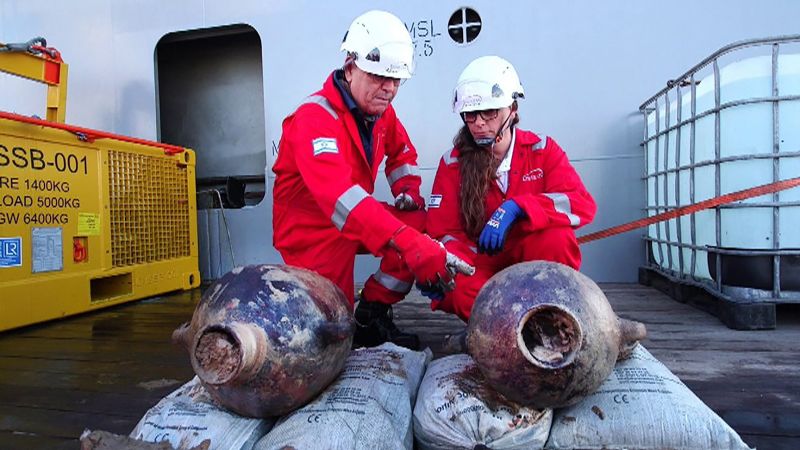
A 3,300-year-old shipwreck discovered in the Mediterranean Sea has rewritten our understanding of ancient sailing, revealing that ancient mariners could navigate open seas without sight of the shore. Found by Energean during an environmental survey, the ship contained hundreds of intact jars likely used for transporting oil, wine, or agricultural products, indicating extensive maritime trade. The discovery, described as a world-class sensation, will be displayed in Jerusalem this summer.
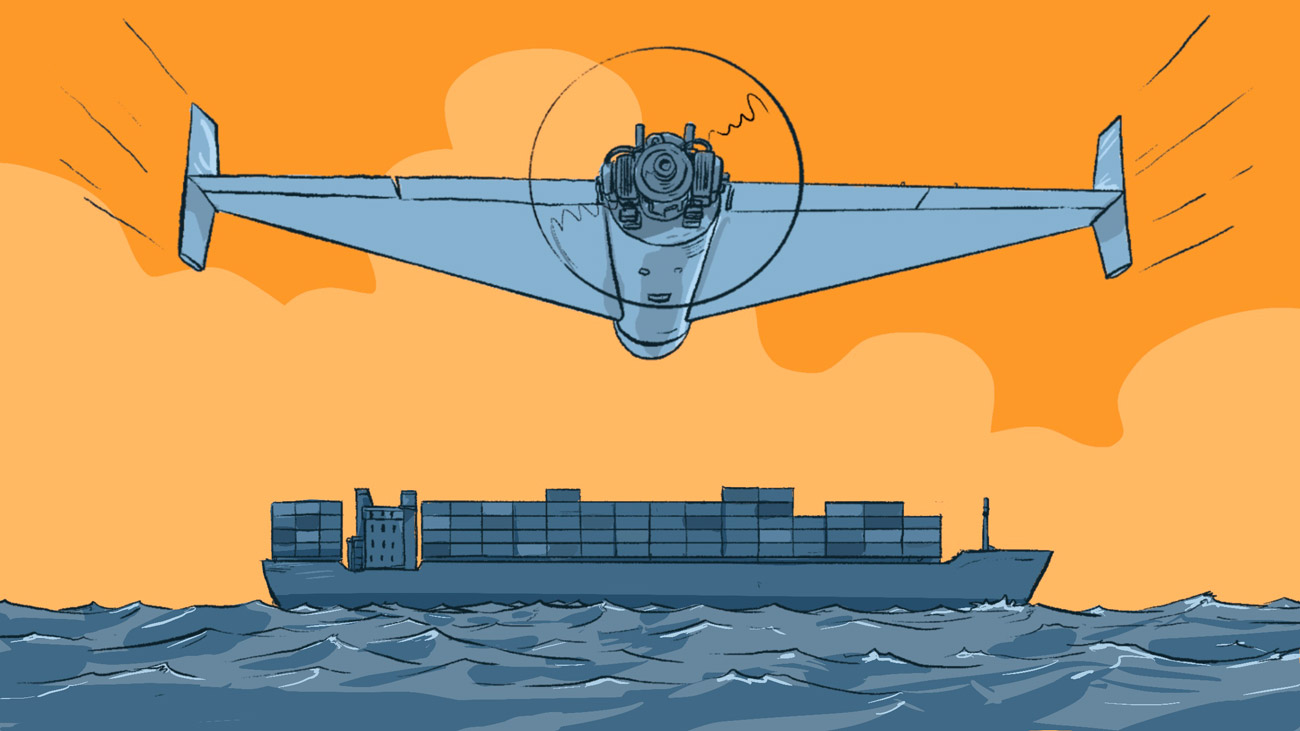
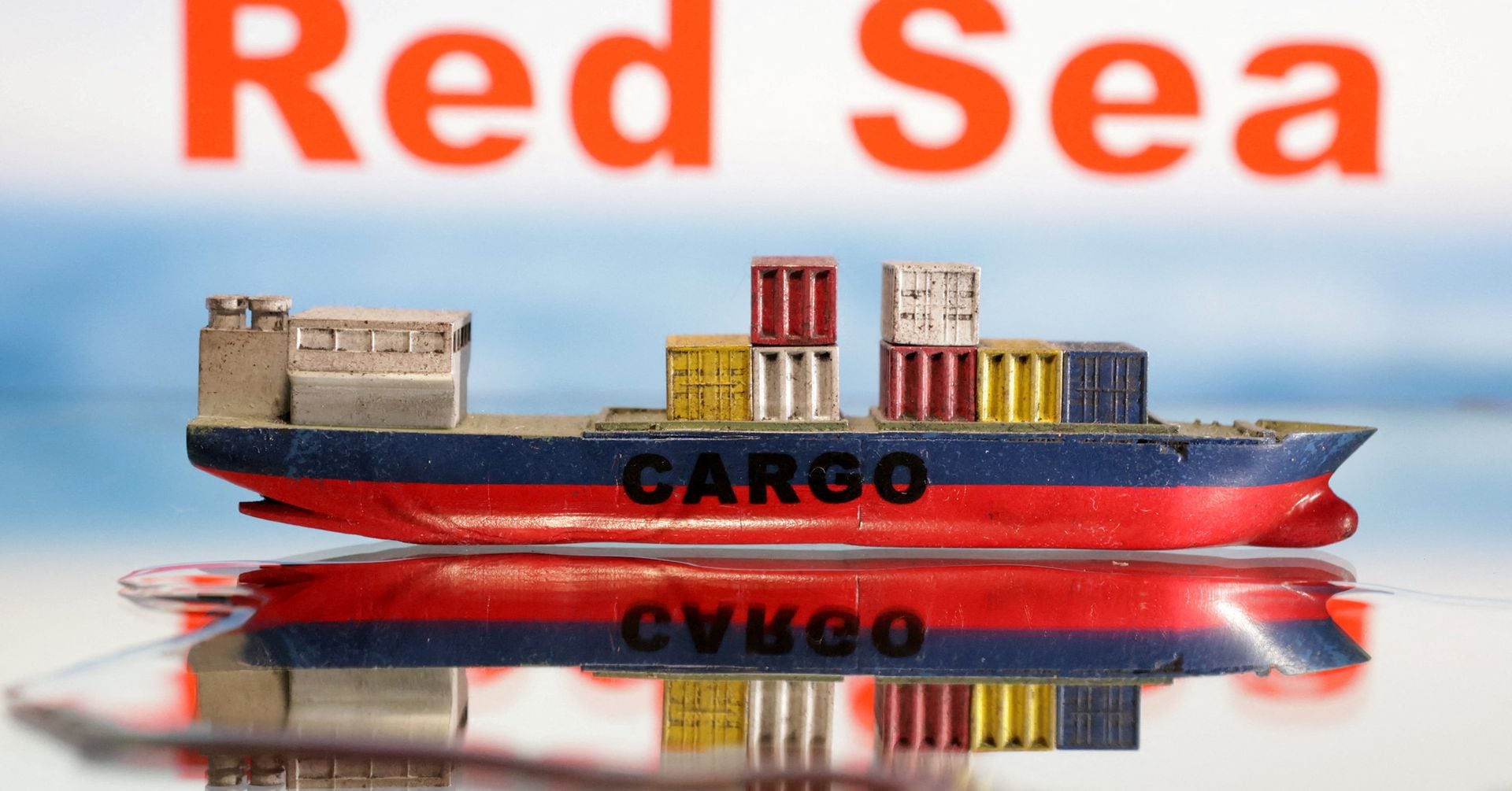
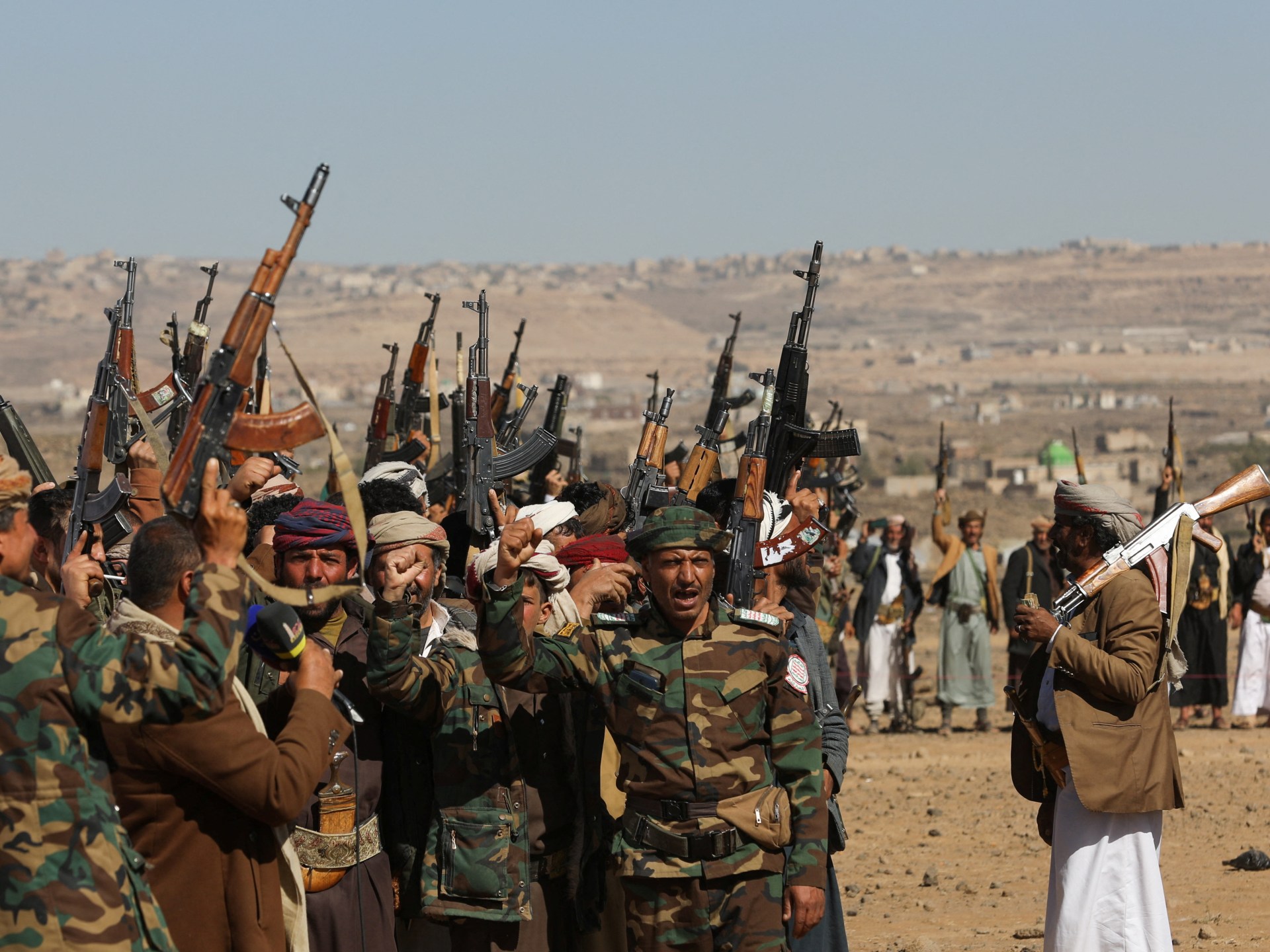
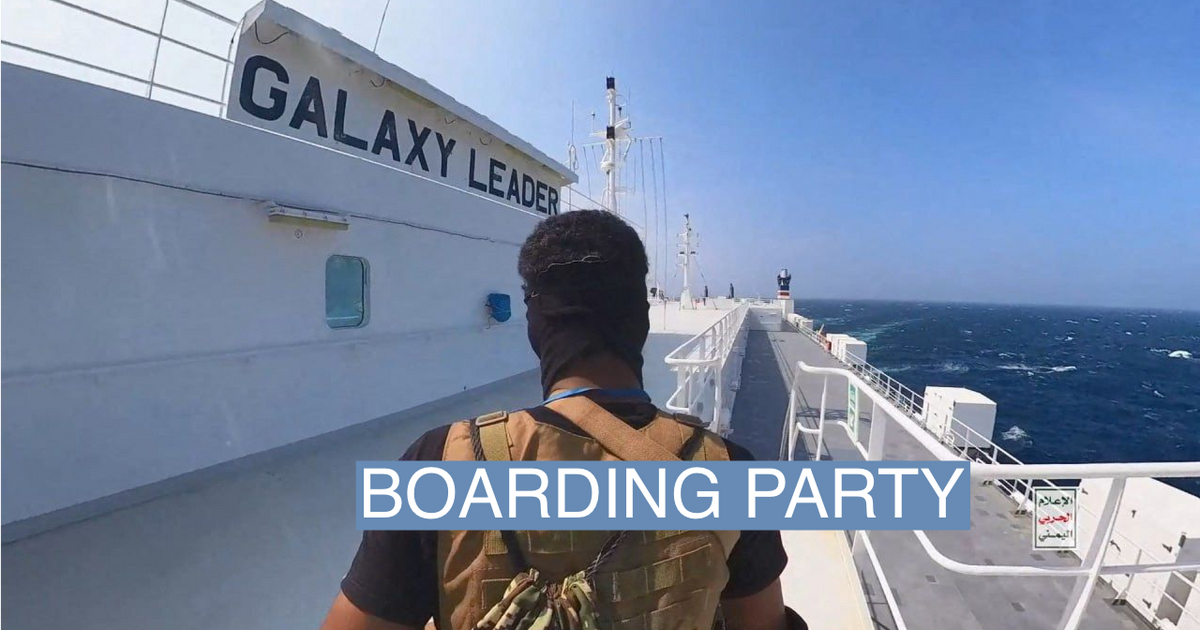
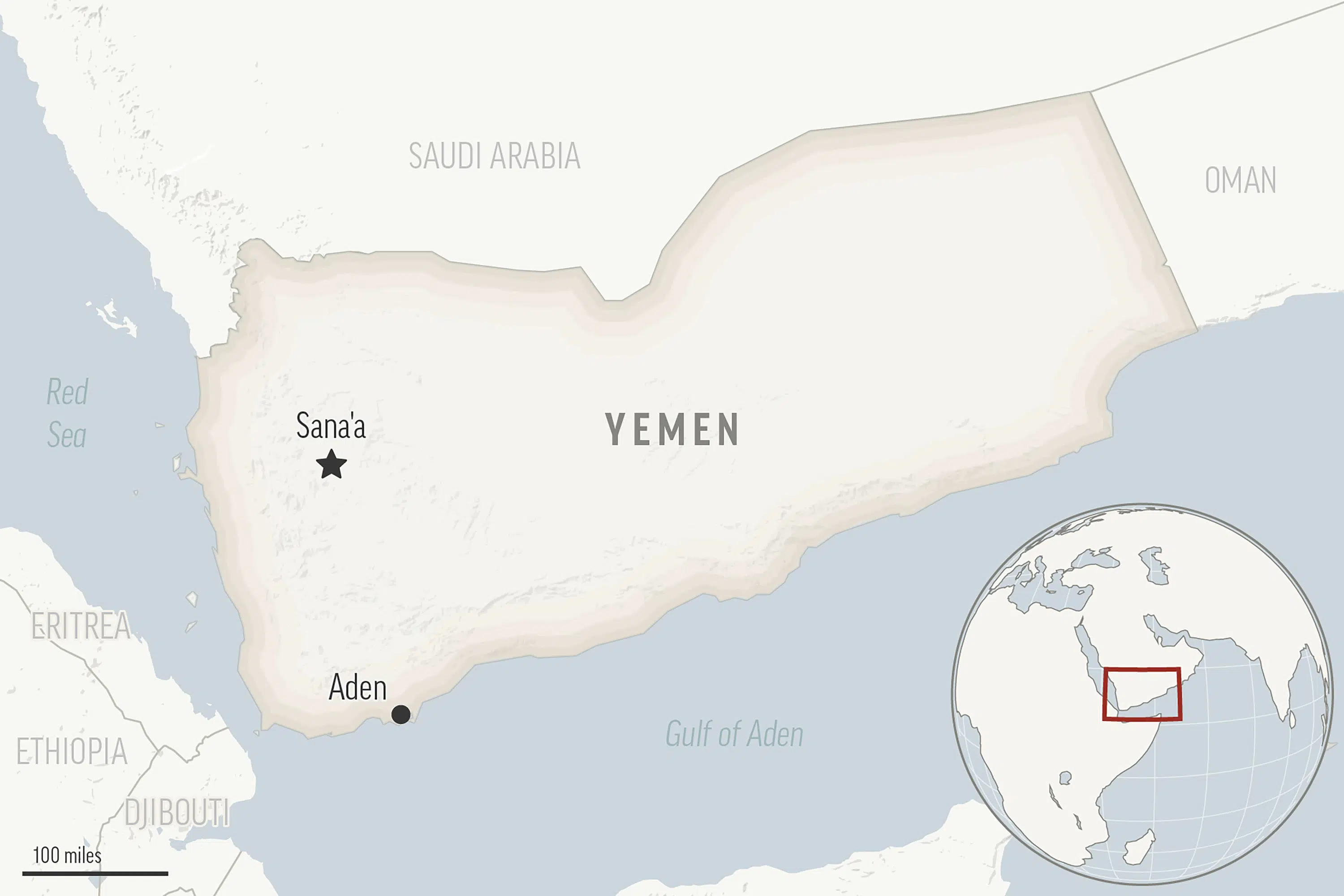
Houthi militants in Yemen, backed by Iran, have been using sophisticated weapons such as ballistic missiles and drones to attack ships in the Red Sea, disrupting global trade. The attacks, which began in November, have targeted commercial vessels passing through the strategic maritime trade route, leading to major disruptions. Western military airstrikes on Houthi bases in Yemen have not halted the attacks, and interceptions of missiles and drones by U.S. and allied naval forces have increased. The disruptions have forced shipping companies to reroute vessels, raising delivery costs and stoking fears of global inflation.
The Indian Navy rescued the crew of a U.S.-owned vessel, Genco Picardy, after an attack by Yemen's Houthi movement in the Gulf of Aden, with tensions in the region disrupting global trade. The U.S. military conducted strikes on Houthi missiles threatening merchant vessels and U.S. Navy ships, while the Houthi movement claimed a "direct hit" on the bulk carrier. The attacks have disrupted maritime trade through the Suez Canal, leading to re-routing of vessels and impacting global shipping and trade flows.
The United States has designated Yemen's Houthi rebels as a "terrorist" organization, citing their attacks on vessels in the Red Sea and disruption of maritime trade. The move aims to impede terrorist funding to the Houthis and restrict their access to financial markets, but officials have stated that the designation will not impact humanitarian aid to Yemen. The Houthis, who are backed by Iran, have vowed to continue their attacks on ships they claim are linked to Israel, despite the designation. The decision has raised concerns among aid officials, who fear it could further exacerbate the humanitarian crisis in Yemen.
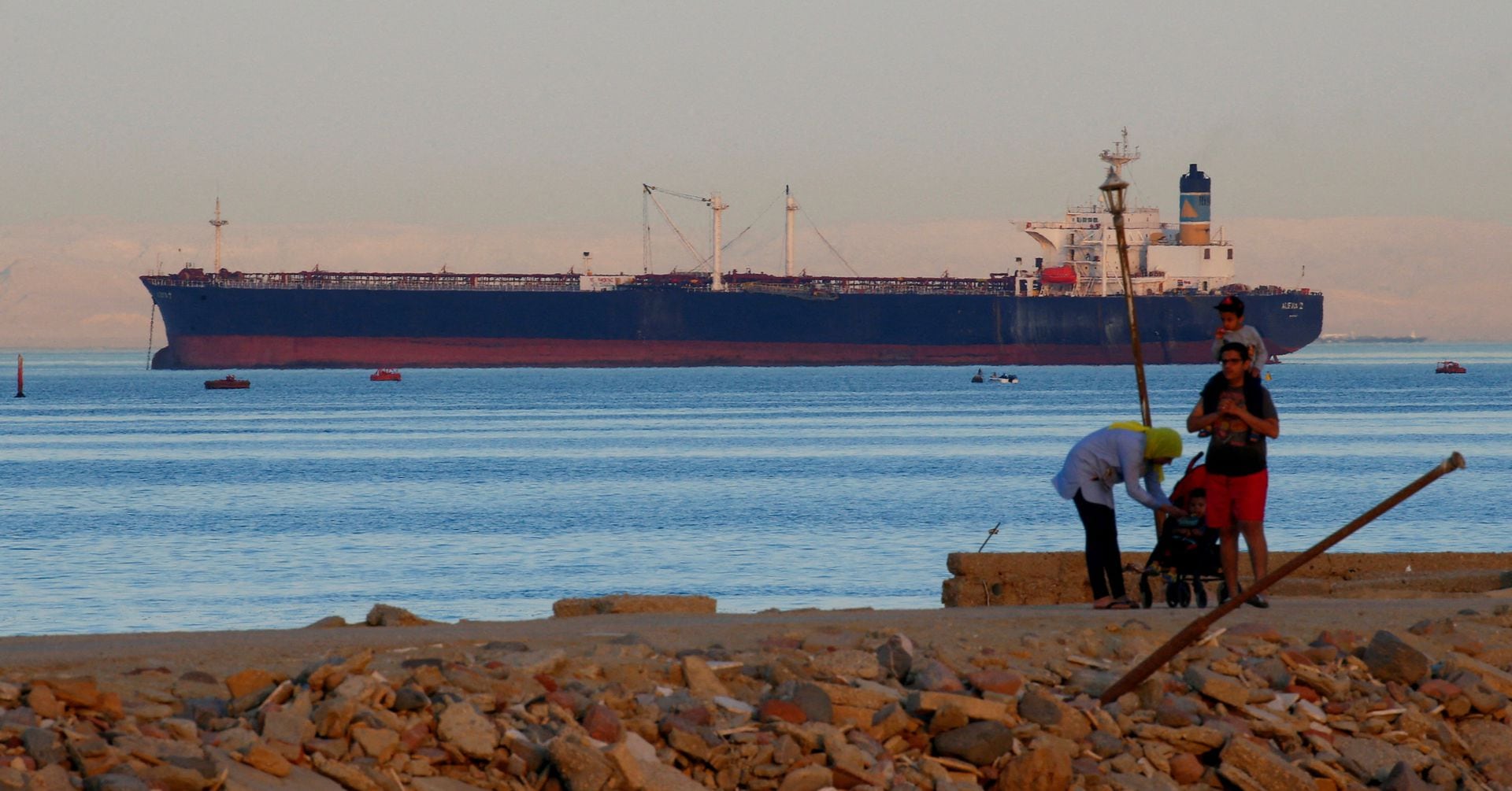
Tankers carrying Qatari liquefied natural gas (LNG) have resumed their course through the Red Sea after a pause due to maritime attacks by Yemen's Iran-aligned Houthis. The attacks have disrupted trade on the main East-West route, prompting some vessels to divert from the Red Sea to the longer route around Africa. Despite the tensions, Qatari LNG production continues, and gas storage levels in Europe remain healthy.
Attacks by Houthi militants in the Red Sea have led to significant disruptions and increased costs for Kenyan shipping and logistics firms, with freight charges rising by 70-100% and transit times increasing from 12 days to as high as 48 days. The companies are being forced to find alternative routes, such as the Cape of Good Hope, due to the attacks, resulting in delays and inconvenience for clients.
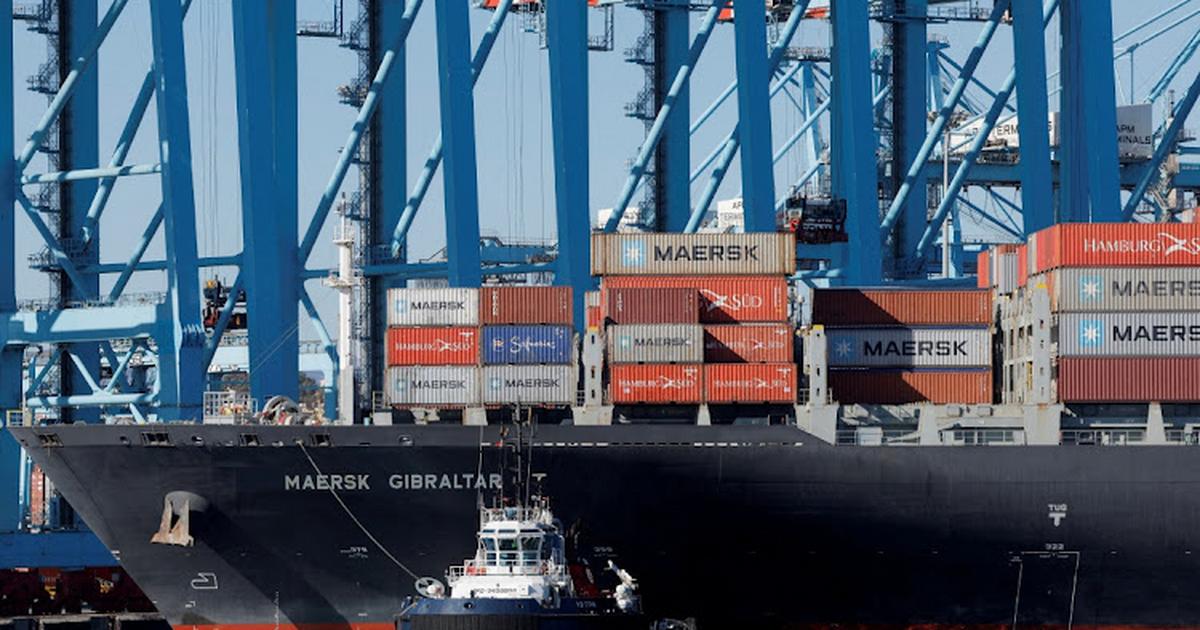
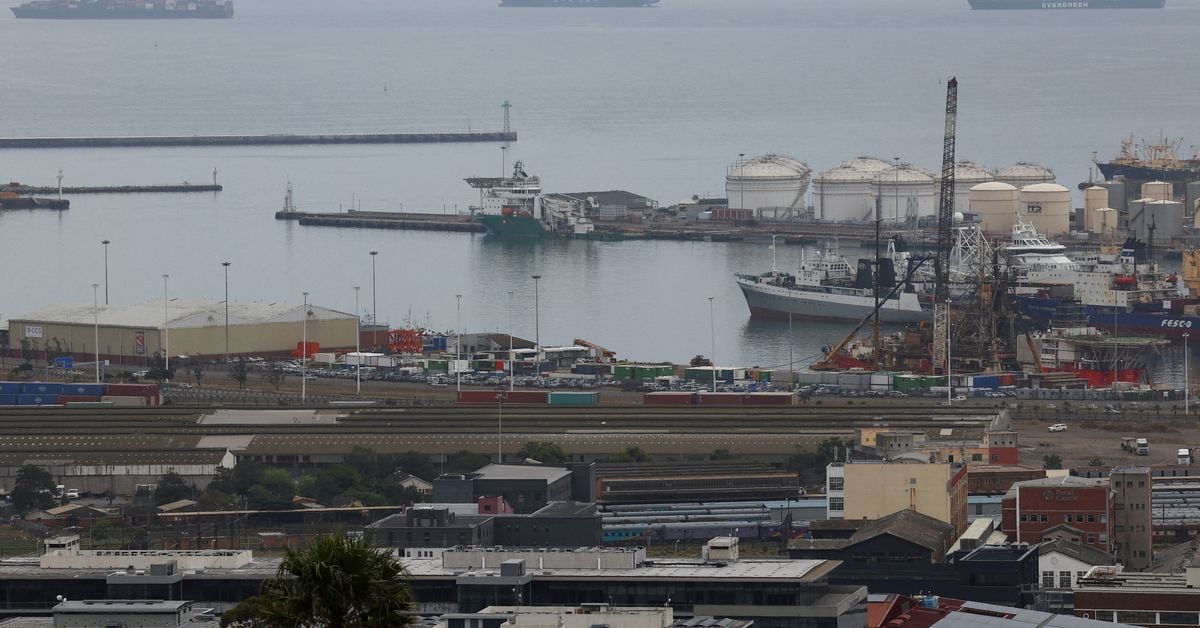
Shipping companies rerouting around the Cape of Good Hope to avoid Houthi attacks in the Red Sea are facing difficulties in finding suitable ports for refueling and restocking. African ports, including major ones like Durban, Cape Town, and Ngqura, are struggling with red tape, congestion, and poor facilities. This has led to limited options for ships seeking replenishment along the rerouted route. Ports in Mauritius and Namibia, such as Port Louis and Walvis Bay, are being considered as top options for bunkering en route. Additionally, rough weather conditions and bureaucracy pose further challenges for vessels navigating the longer East-West route via the southern tip of Africa.
The U.S. is considering direct strikes on Houthi rebel military targets in Yemen in response to their escalating attacks on military and commercial shipping in the Red Sea. The Biden administration is concerned that the Iranian-backed militia is trying to undermine global maritime trade, potentially impacting trade to Israel and increasing costs for supporting Israel's war in Gaza. While U.S. officials are weighing the option of a strike, they are also cautious about fueling a broader war with Iran and its proxies. The Pentagon has deployed two carrier strike groups to the region but has not taken direct action against the Houthis since 2016.
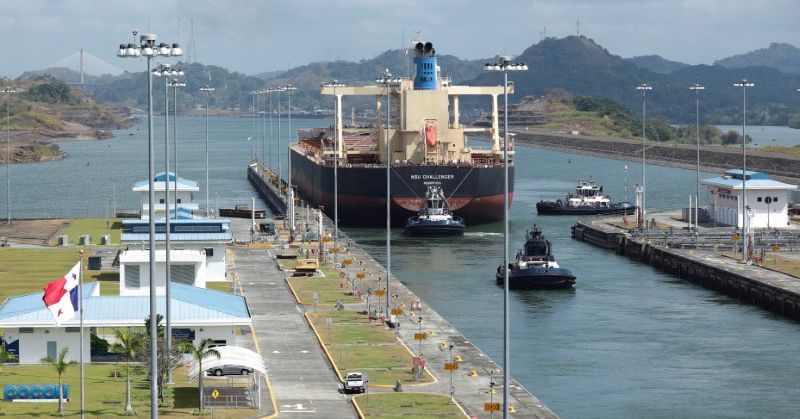
The Panama Canal Authority (ACP) has announced that daily ship crossings on the Panama Canal will be reduced to 31 from 32 due to a severe drought expected to last until next year. The ACP has been implementing various passage restrictions to conserve water, including cutting vessel draft and daily passage authorizations. The new rules will be implemented from November 1, with nine ships passing through the Neopanamax lock and 22 through the Panamax lock each day. Transit reservation quotas will also be adjusted to a maximum of 30 per day. Experts warn of possible disruptions to maritime trade as water levels are expected to reach near-record lows in April.
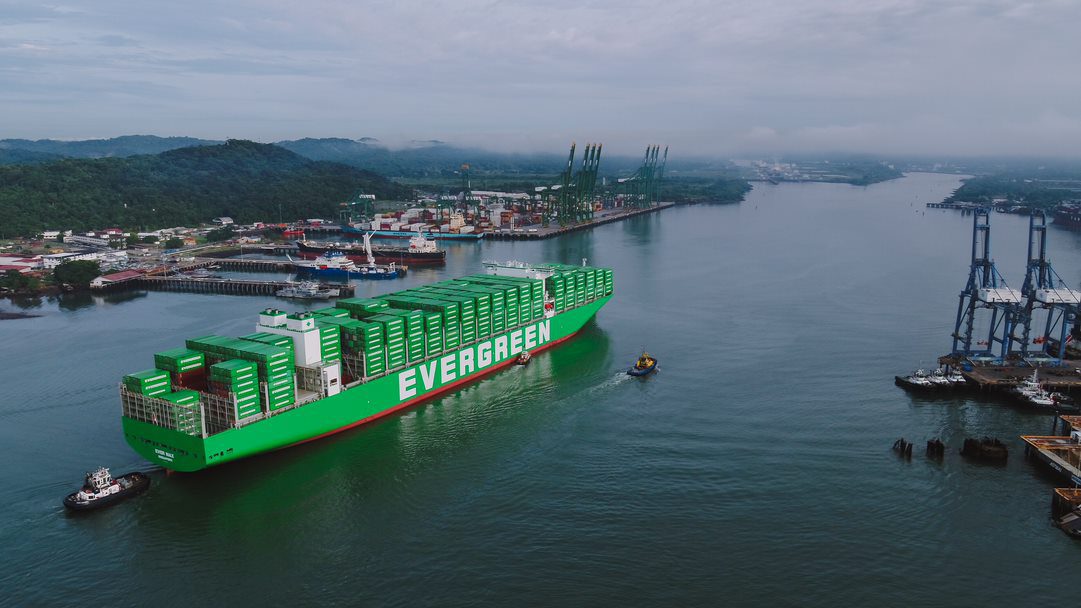
The Panama Canal Authority (ACP) successfully managed the transit of the Ever Max, the highest-capacity containership to navigate the waterway, despite severe drought conditions. Due to reduced water levels, the ship had to temporarily unload 1,400 TEUs and transit with a draft of 43 feet, just one foot short of the current limit. The ACP emphasized the significance of this transit in showcasing the reliability of the Panama Canal in facilitating global trade. The Ever Max continues its voyage to ports on the U.S. East Coast, and the ACP remains dedicated to overcoming challenges and maintaining the waterway's operational conditions.
A ship was attacked off the coast of Yemen near the border with Oman, according to the British military's United Kingdom Maritime Trade Operations. Shots were fired at the unidentified vessel in the Gulf of Aden, with three boats chasing after it. The Gulf of Aden is a crucial route for global trade and has seen attacks attributed to Yemen's Iranian-backed Houthi rebels as its civil war rages.