A study published in Science found that fears of a rebound in infectious diseases after COVID-19 lockdowns were largely unfounded, with airborne diseases like influenza slightly increasing but not offsetting the overall decline during the pandemic, and sexually transmitted infections remaining low post-pandemic, highlighting the complex effects of public health measures.
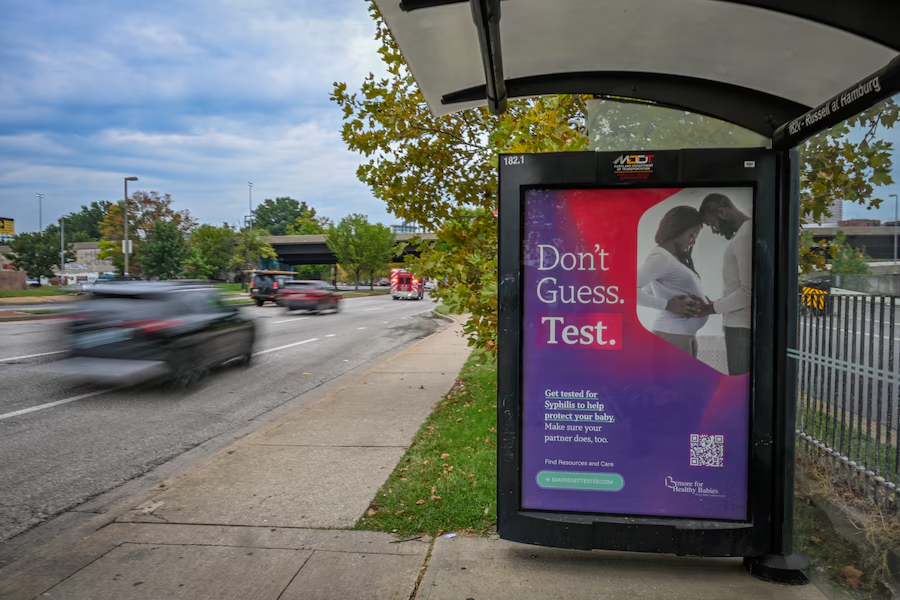
Baltimore has seen a nearly fourfold increase in congenital syphilis cases among infants over the past decade, surpassing national rates, due to factors like inadequate screening, stigma, and rising infections among women of childbearing age, prompting city officials to enhance testing and treatment efforts.
The THA Health Secretary, Dr. Faith Brebnor, announced a rise in sexually transmitted infections and diabetes cases in Tobago, emphasizing the need for public awareness and healthy lifestyle choices during the launch of the 'Play Mas, Live Well' campaign, highlighting concerning increases among younger populations and the importance of ongoing health education.
Dr. Jill Grimes emphasizes the importance of safe sex practices among college students, highlighting the prevalence of sexually transmitted infections, the need for consistent condom use, understanding consent, and the benefits of HPV vaccination to prevent long-term health issues. She advocates for honest, informed conversations about sexual health to reduce emotional and physical consequences of STIs.
Kenya is experiencing a sharp rise in syphilis and Hepatitis B infections, with women and pregnant women most affected. Despite high infection rates, testing and treatment remain inadequate due to resource constraints and stigma. The government and private sector are working together to improve screening, awareness, and elimination efforts, especially targeting mother-to-child transmission and vulnerable populations.
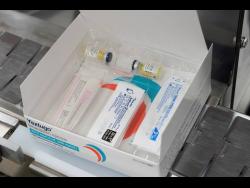
A new FDA-approved long-acting injectable drug called Yestugo offers up to six months of HIV protection, providing an alternative to daily pills but not preventing other STIs. Experts emphasize that it should complement, not replace, comprehensive sexual health practices like condom use, especially as STI rates, such as genital discharge syndromes, continue to rise in Jamaica. The medication is expected to improve adherence for those struggling with daily regimens, but awareness of its limitations remains crucial.
The CDC reports a potential slowing of the STI epidemic in the U.S., with gonorrhea cases dropping for a second year and syphilis rates increasing by only 1% in 2023. However, STI rates remain high, particularly in New York, where congenital syphilis cases have risen. Experts attribute improvements to educational outreach and new medical tools, but emphasize the need for continued awareness and federal funding to combat the epidemic effectively.
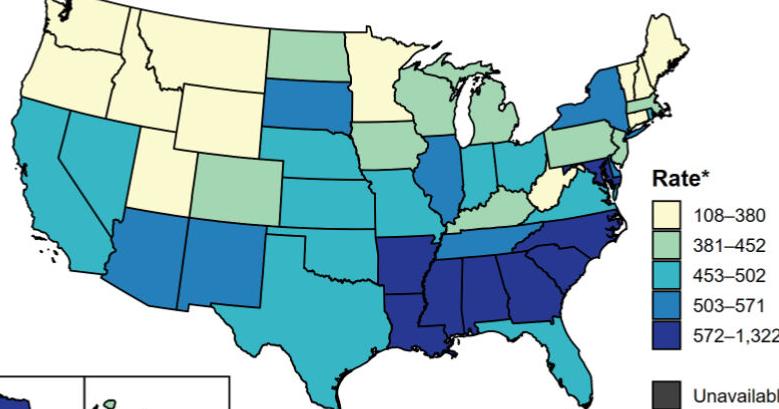
Louisiana ranks highest in the U.S. for chlamydia and second for gonorrhea, according to new CDC data, despite a slight decline in overall STI rates. The state faces challenges such as poor healthcare access and lack of sexual education, contributing to its high STI rates. Efforts like the "Check It" program aim to reduce infections by increasing testing and treatment access, particularly for young people. Experts express cautious optimism about recent declines but emphasize the need for sustained funding and education to maintain progress.
Recent data from the CDC shows a decline in syphilis diagnoses, particularly among gay and bisexual men, attributed to the use of doxycycline as a preventive measure. This antibiotic, used post-exposure, has shown significant efficacy in reducing cases of syphilis, chlamydia, and gonorrhea. The trend, known as doxyPEP, is gaining traction in major cities and is seen as a promising tool in STI prevention, though concerns about racial disparities and antibiotic resistance remain. Public health experts call for increased funding for STI-related care.
Recent data suggests that the previously rising rates of sexually transmitted infections (STIs) may be stabilizing, indicating a potential leveling off after years of increase. This trend could reflect the impact of public health interventions and increased awareness, although continued efforts are necessary to maintain and further this progress.
The CDC reports a cautious optimism in the slowing of the STI epidemic in the US, with declines in gonorrhea and syphilis cases, although over 2.4 million STIs were still reported in 2023. Chlamydia remains the most common STI, with adolescents and young adults most affected. Despite some progress, congenital syphilis cases are at their highest since 1992. Increased testing, treatment, and public health funding are contributing to these trends, but continued efforts are needed to maintain progress.
The CDC has issued new guidelines recommending the use of doxycycline postexposure prophylaxis (doxy PEP) to prevent bacterial sexually transmitted infections (STIs) such as syphilis, chlamydia, and gonorrhea in gay, bisexual, and other men who have sex with men (MSM) and transgender women (TGW) who have had an STI in the past 12 months. The guidelines suggest a 200 mg dose of doxycycline within 72 hours after sex, integrated into a comprehensive sexual health approach. The recommendations are based on studies showing significant reductions in STI incidence with doxy PEP use.
Sexually transmitted infections are on the rise on Long Island, with 731 diagnoses of early syphilis in 2022 and increasing rates of chlamydia and gonorrhea. Factors contributing to the increase include the COVID-19 pandemic, dating app usage, drug shortages, and decreased awareness of STIs. Public health officials are implementing strategies such as increased surveillance, outreach, and sexual health education to combat the rising rates. Budget cuts and obstacles in contact tracing and sexual education are hindering prevention efforts, but new treatments and expedited partner treatment offer hope.
Dr. Jill Krapf, a vulvovaginal specialist, attributes New York City's surge in sexually transmitted infections (STIs) to female shame and societal pressures, with women at higher risk due to anatomical vulnerabilities. She emphasizes the importance of open conversations, regular testing, and at-home testing to combat the stigma and increase accessibility. At-home testing, offered by platforms like Evvy, provides discreet and effective solutions, empowering women to take control of their sexual health and bridge gaps in education.
The Oklahoma state House has approved House Bill 3098, which aims to criminalize the reckless spread of sexually transmitted infections (STIs) and diseases, including common ailments like chlamydia, HPV, and herpes. While proponents argue that the law is meant to stop the spread of STIs, opponents criticize the ill-defined language and potential legal liabilities for vulnerable populations. Critics also argue that criminalizing diseases may not deter their spread and could discourage necessary testing, advocating for prevention strategies like education and testing instead. If passed by the state's Senate, the legislation would become effective on November 1.