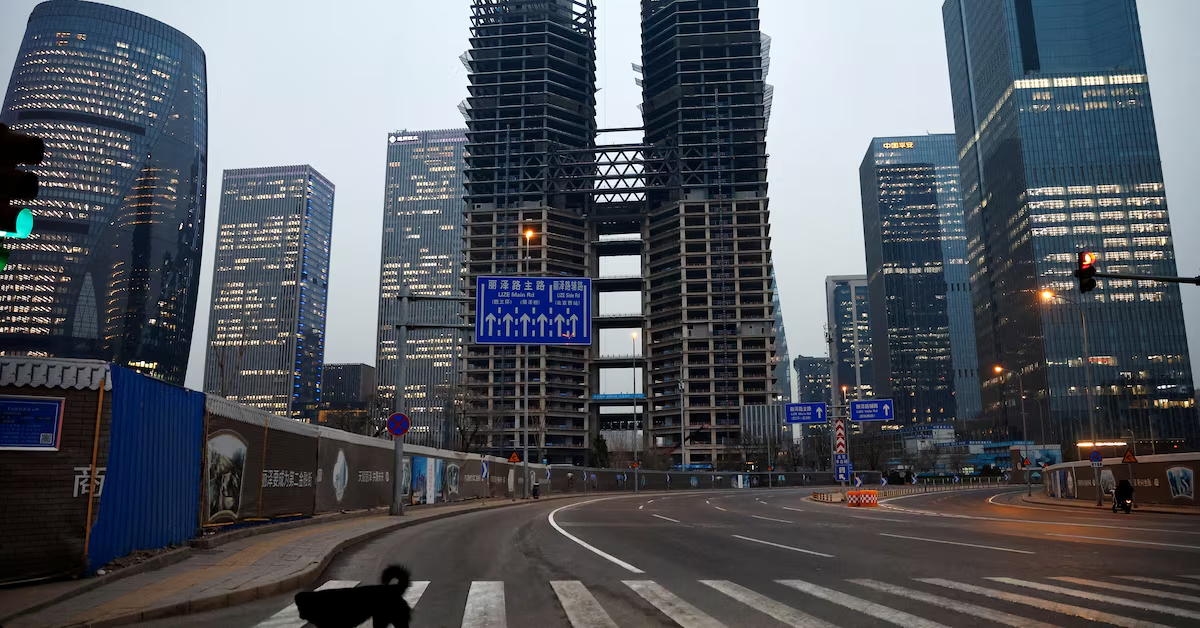
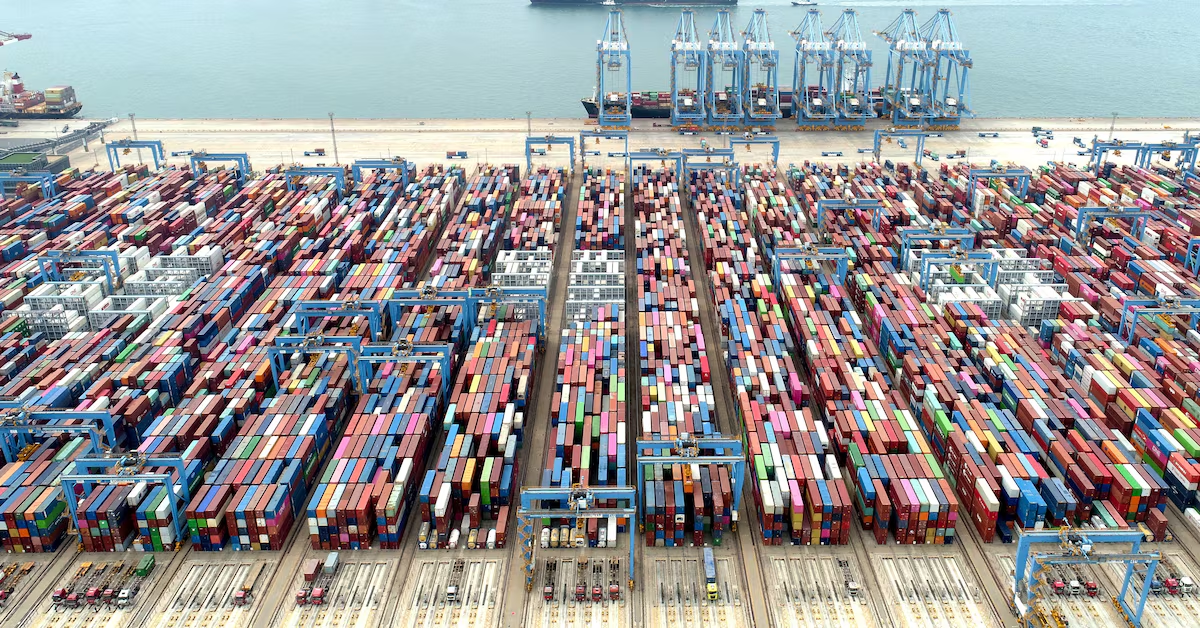
China's economy grew by 5.2% in Q2, slightly above expectations, supported by stimulus measures and resilient exports, but faces ongoing challenges from trade tensions and structural fragility, prompting calls for further fiscal stimulus and reforms.
China's factory activity expanded in November, with the manufacturing purchasing managers' index rising to 50.3, indicating a slow recovery aided by stimulus measures. This marks a slight increase from October's 50.1, surpassing economists' expectations.
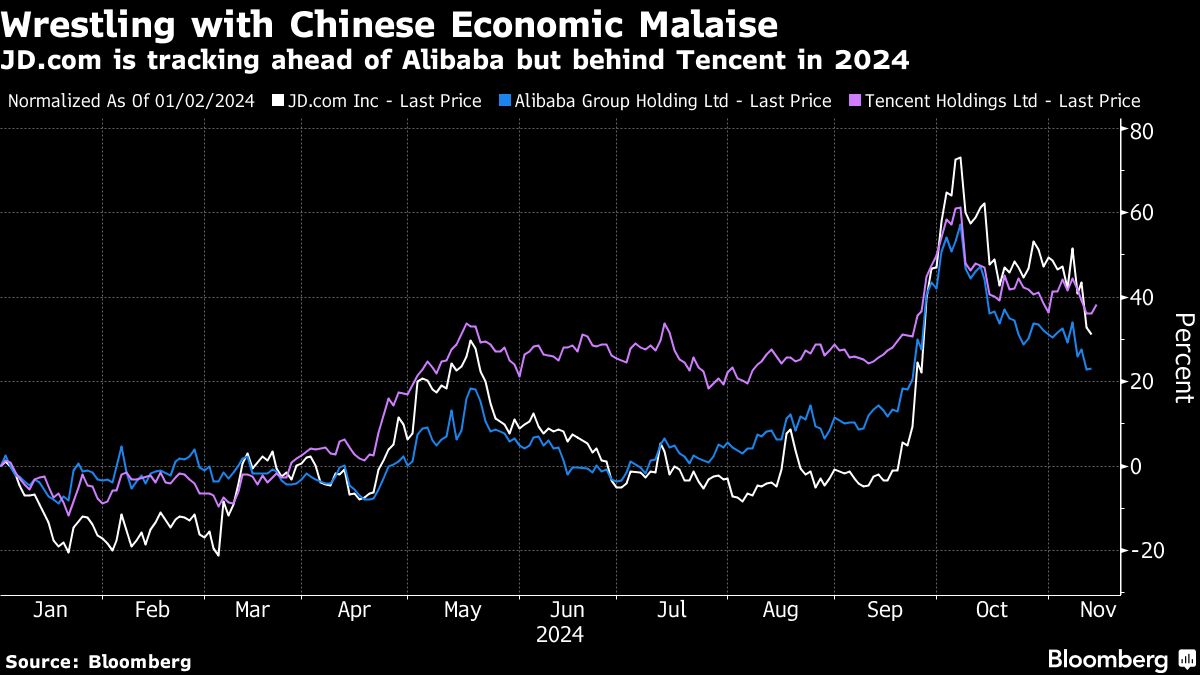
JD.com reported a 5.1% increase in quarterly revenue, indicating cautious consumer spending in China as the government implements economic stimulus measures. Despite a 48% rise in net income, the modest revenue growth reflects ongoing challenges in the Chinese consumer market post-Covid. JD.com and Alibaba are key indicators of consumer trends, with JD.com seeing increased shopper numbers during Singles Day. Analysts suggest JD.com may pursue more aggressive growth strategies, leveraging improved consumer sentiment and government support.
JD.com reported a 5.1% increase in quarterly revenue, indicating cautious consumer spending in China as the government implements economic stimulus measures. Despite a 48% rise in net income, the modest revenue growth reflects ongoing challenges in the Chinese consumer market post-Covid. JD.com and Alibaba are key indicators of consumer trends, with JD.com seeing increased shopper numbers during the Singles Day shopping season. Analysts suggest JD.com may pursue more aggressive growth strategies, leveraging improved consumer sentiment and government support.
Foreign companies have withdrawn significant investments from China, with direct investment liabilities dropping $8.1 billion in the third quarter, reflecting ongoing pessimism despite Beijing's stimulus efforts. This trend, driven by geopolitical tensions and competition from domestic firms, could lead to the first annual net outflow in foreign direct investment since 1990. Companies like Nissan, Volkswagen, and IBM have scaled back operations, while geopolitical concerns remain a major issue for investors. However, recent government stimulus has boosted foreign-held stock values.
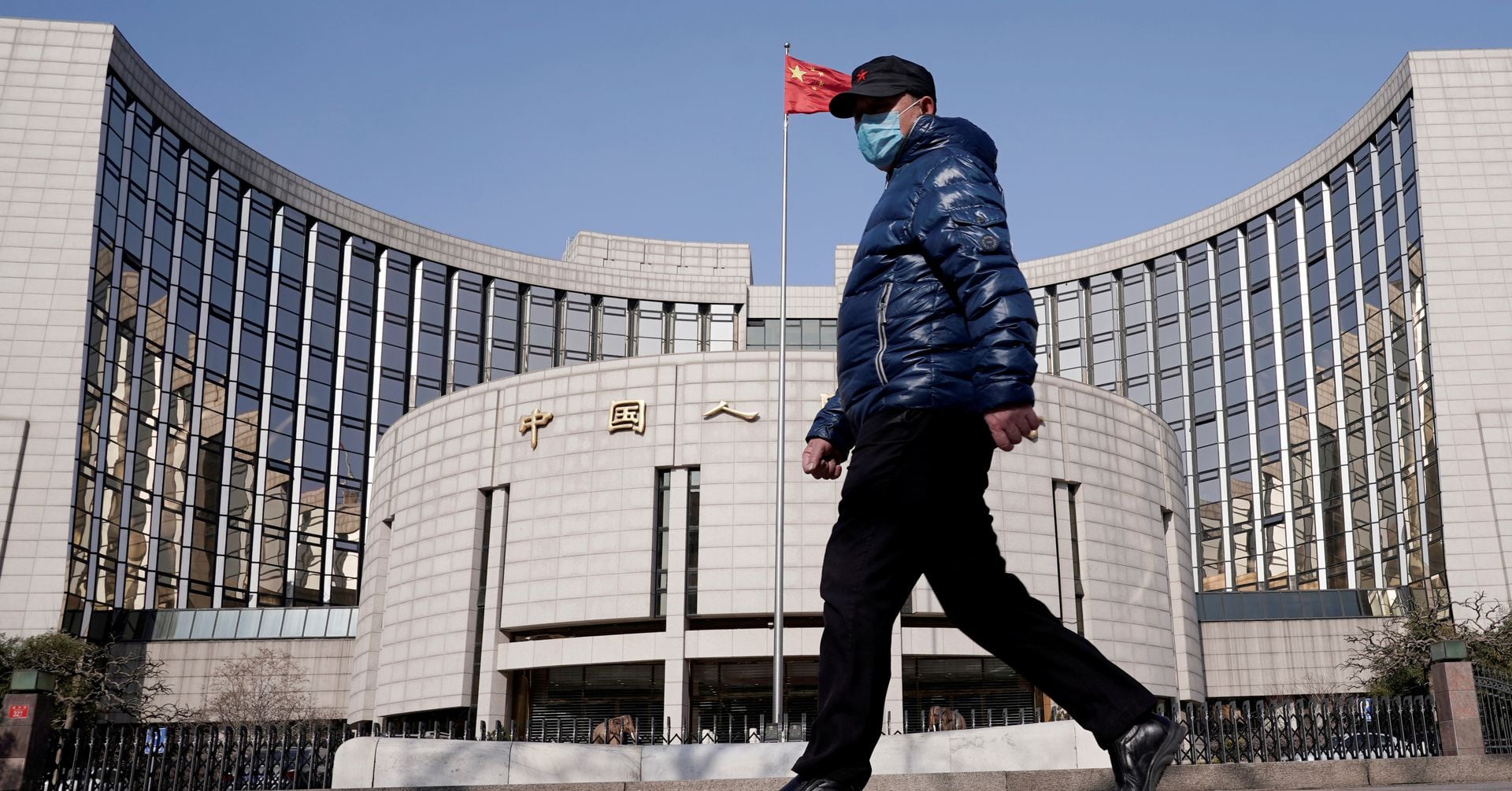
China's central bank kept its key policy rate unchanged while rolling over maturing medium-term loans, as uncertainties around the Federal Reserve's monetary easing timing limit Beijing's room for maneuver. The move reflects a delicate balancing act to support the economy amid deflationary pressure, with aggressive monetary action risking currency depreciation and capital outflows. While some expect more easing measures, the central bank's focus on maintaining liquidity and stability suggests a cautious approach to stimulus.
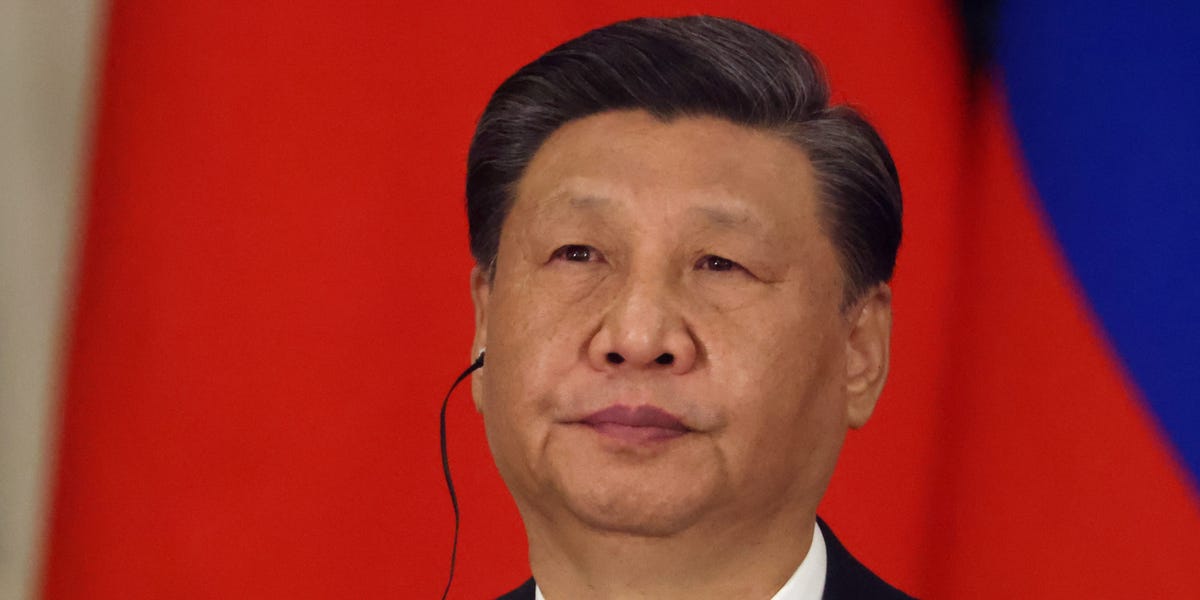
Chinese President Xi Jinping has publicly acknowledged the economic difficulties facing China, including hardships for businesses and job seekers, as well as a contraction in factory activity for the third consecutive month. Despite highlighting the country's achievements in his New Year's speech, Xi's comments come against the backdrop of a 3.0% economic growth in 2022, one of the lowest in decades, exacerbated by COVID restrictions and a lingering property crisis. Analysts from Nomura suggest that despite recent stimulus efforts, China's economy may face further challenges in the spring of 2024.
China's economy grew at a faster-than-expected pace in the third quarter, with Q3 GDP growth at 4.9% year-on-year, beating analysts' expectations. The data also showed an acceleration in consumption and industrial activity in September, indicating that the recent stimulus measures are starting to have a positive impact on the economy. However, challenges remain, including a property crisis and other headwinds that pose risks to the outlook. The government's full-year growth target of around 5.0% for 2023 is likely to be achieved, and international banks have upgraded their growth forecasts. The property sector continues to be a concern, with deepening downturns affecting developers and private sector confidence. Efforts to support the sector have not been successful so far.
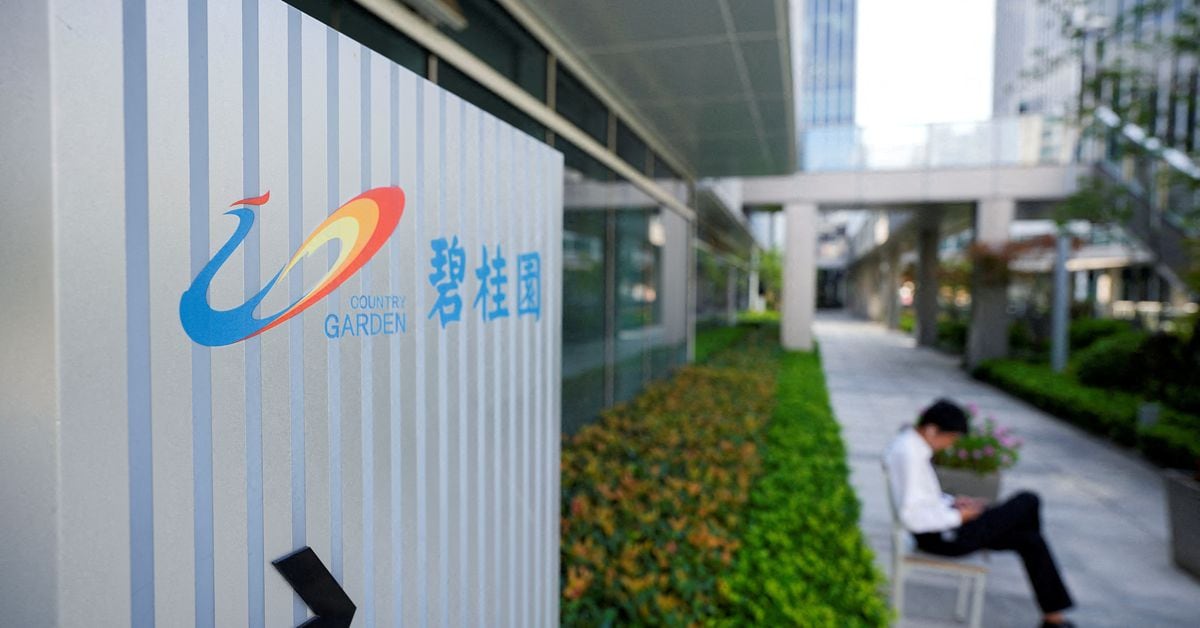
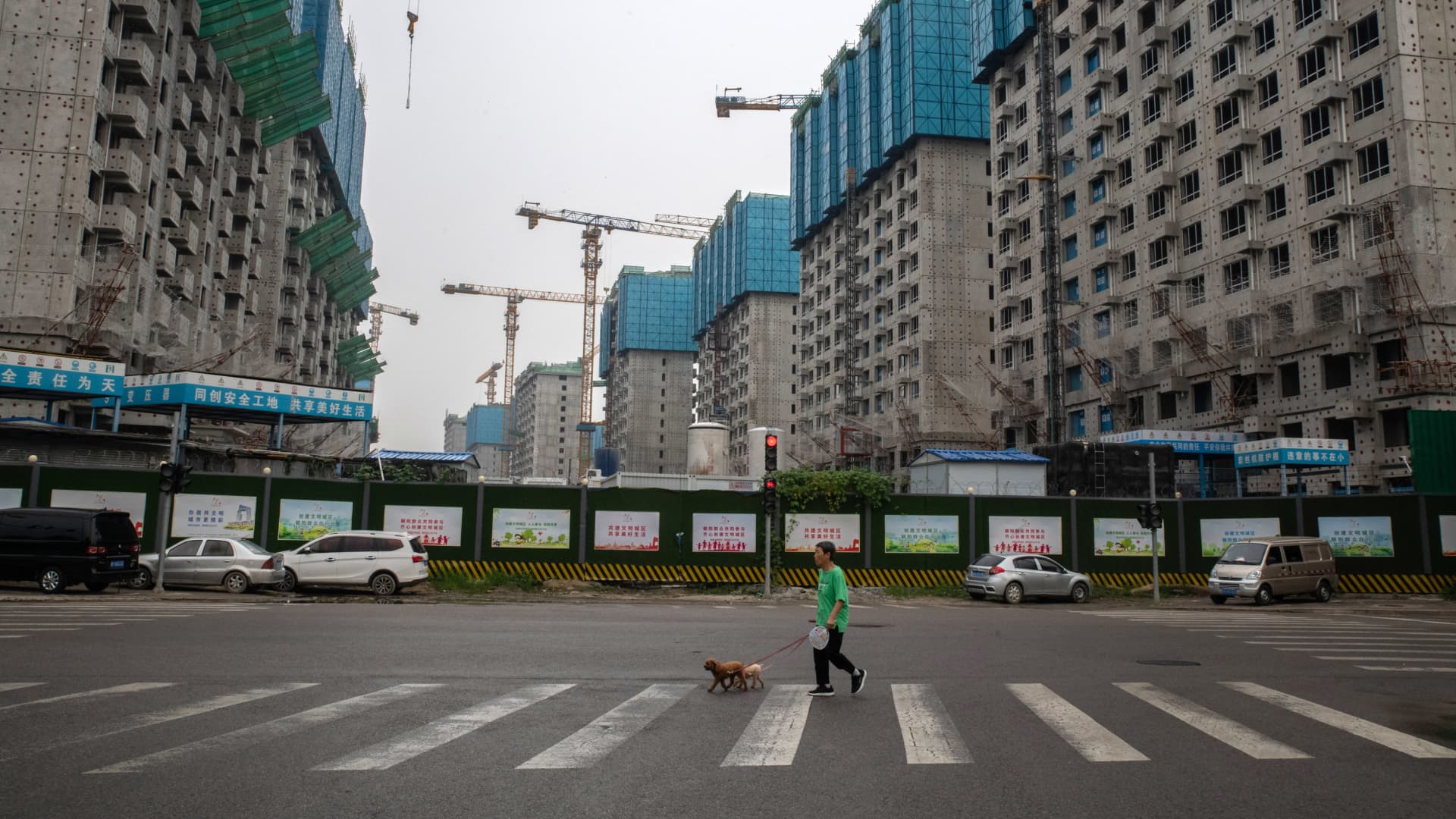
Country Garden, one of China's top private developers, has reached a deal with creditors for an extension on onshore debt payments worth 3.9 billion yuan ($536 million), providing relief to the crisis-ridden Chinese property sector. The news boosted Country Garden shares by 14.6% and led to a rally in China's mainland property stocks. However, it remains uncertain whether the stimulus measures implemented by Beijing will revive property demand and ease the sector's cash squeeze. The company still faces significant debt maturities this year, and while the extension deal averted an onshore default, it is yet to be seen if the company can make interest payments on its offshore dollar bonds.
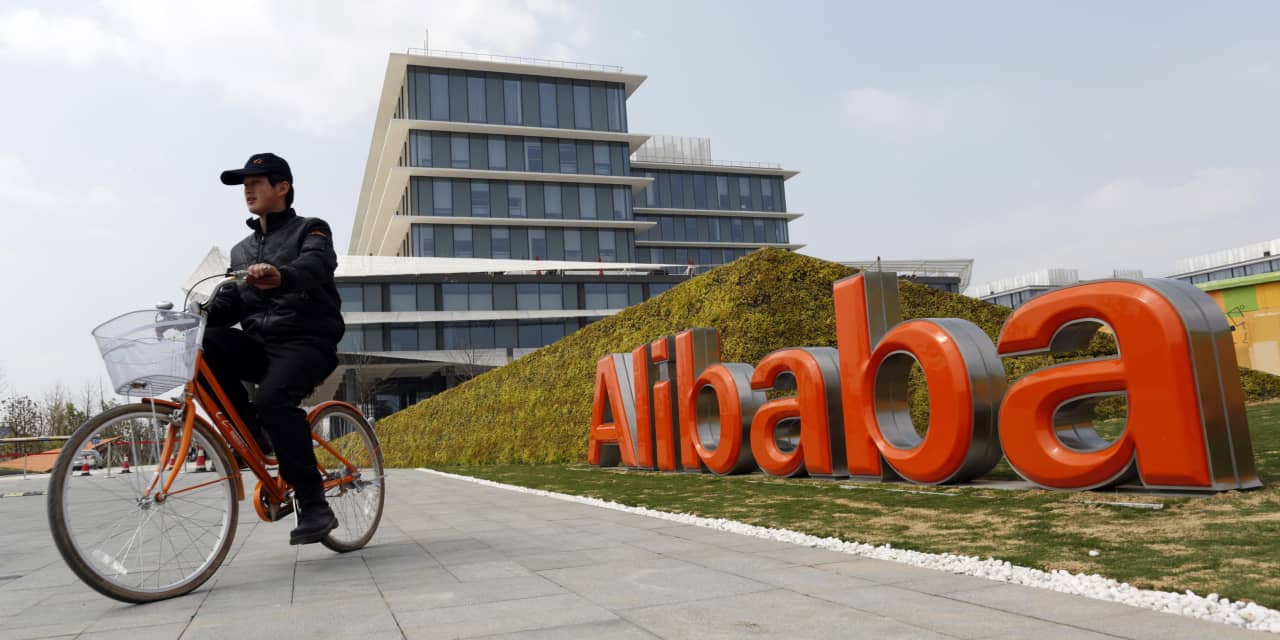
Chinese stocks, including Alibaba, rose for a second day following stimulus measures from Beijing, but concerns about China's economy persist, making long-term gains more challenging.
China's central bank unexpectedly cut interest rates and injected liquidity into the economy as policymakers aim to boost growth and address a "confidence crisis." The rate cuts come after disappointing July data, including sluggish industrial output and retail sales. China is facing a slump in its real estate sector, and policymakers have announced targeted measures to stimulate consumption and investment. However, economists suggest that more aggressive stimulus may be needed to stabilize economic growth.
China's economic data for July fell short of expectations, with retail sales rising by 2.5% (below the expected 4.5% increase), industrial production increasing by 3.7% (below the expected 4.4% increase), and fixed asset investment rising by 3.4% (below the expected 3.8% forecast). The report did not include the unemployment figure for young people, which has reached record highs. China's real estate market continues to struggle, with a year-to-date decline of 8.5% in real estate investment. The economy is facing challenges from slowing global demand and ongoing troubles in the real estate sector. Authorities have announced measures to boost consumption and investment, but more action may be needed to address the downward spiral.
China's state planner, the National Development and Reform Commission (NDRC), has announced measures to promote private investment in infrastructure sectors, aiming to attract more private capital for national major projects. The NDRC will release a list of sectors available for private investors to participate in, including transport, water, clean energy, new infrastructure, advanced manufacturing, and modern agriculture. This move comes as China seeks to strengthen the private sector and boost its post-pandemic economic recovery. The NDRC also plans to strengthen financial support for private-invested projects by setting up a special fund from the central government budget.
China's economic recovery from the pandemic is expected to fade quickly as recent data indicates a loss of momentum due to weak domestic and international demand, as well as a slump in the property market. Economists predict that China's GDP growth in the second quarter will be just 0.5% compared to the previous quarter, with industrial output, retail sales, and investment continuing to cool. The country's exports fell the most in three years in June, and new home prices remained unchanged, signaling continued weakness in the property sector. To support the economy, authorities are likely to introduce more stimulus measures, including fiscal spending, infrastructure projects, and support for consumers and private firms. However, analysts believe a quick turnaround is unlikely, and the central bank is expected to be cautious in further easing policies to avoid potential risks to banks and the currency.
China's exports experienced their sharpest decline in three years, contracting by 12.4% in June, as the global economy struggles and weak global demand persists. The slowdown in China's post-pandemic recovery has led analysts to lower their economic projections for the rest of the year, with factory output slowing down. Imports also contracted by 6.8%, exceeding expectations. The decline in foreign demand is expected to continue, but there is optimism that the worst may be behind. The poor export performance is attributed to a weak global economic recovery, slowing global trade and investment, and rising unilateralism and protectionism. The Chinese government is under pressure to implement stimulus measures to boost demand and invigorate markets, but fiscal constraints may limit the scale of support.