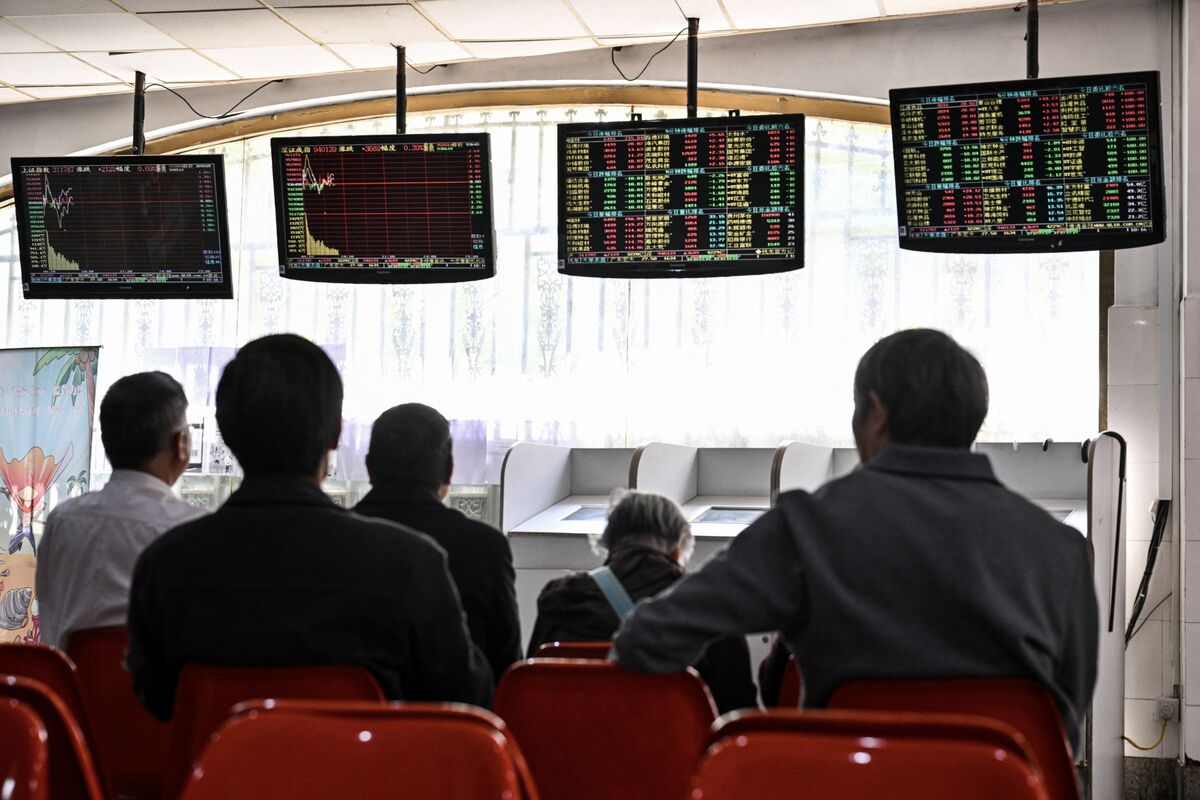
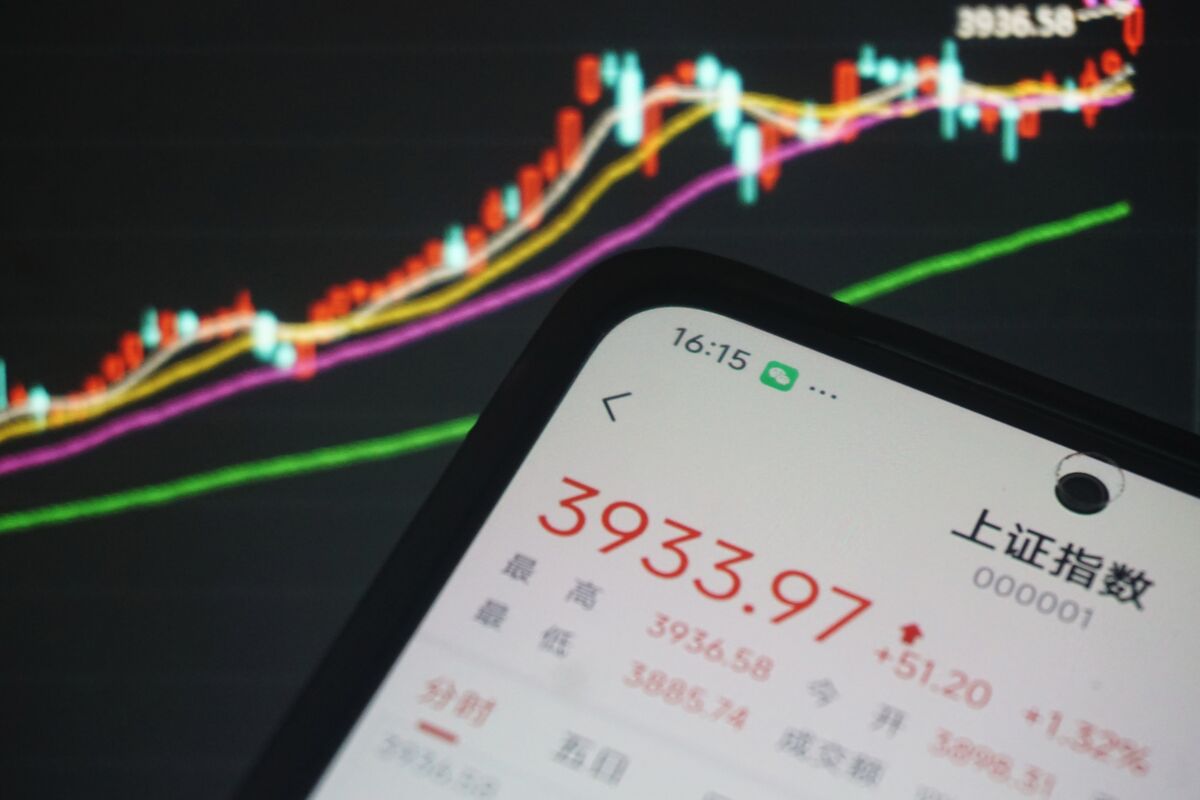
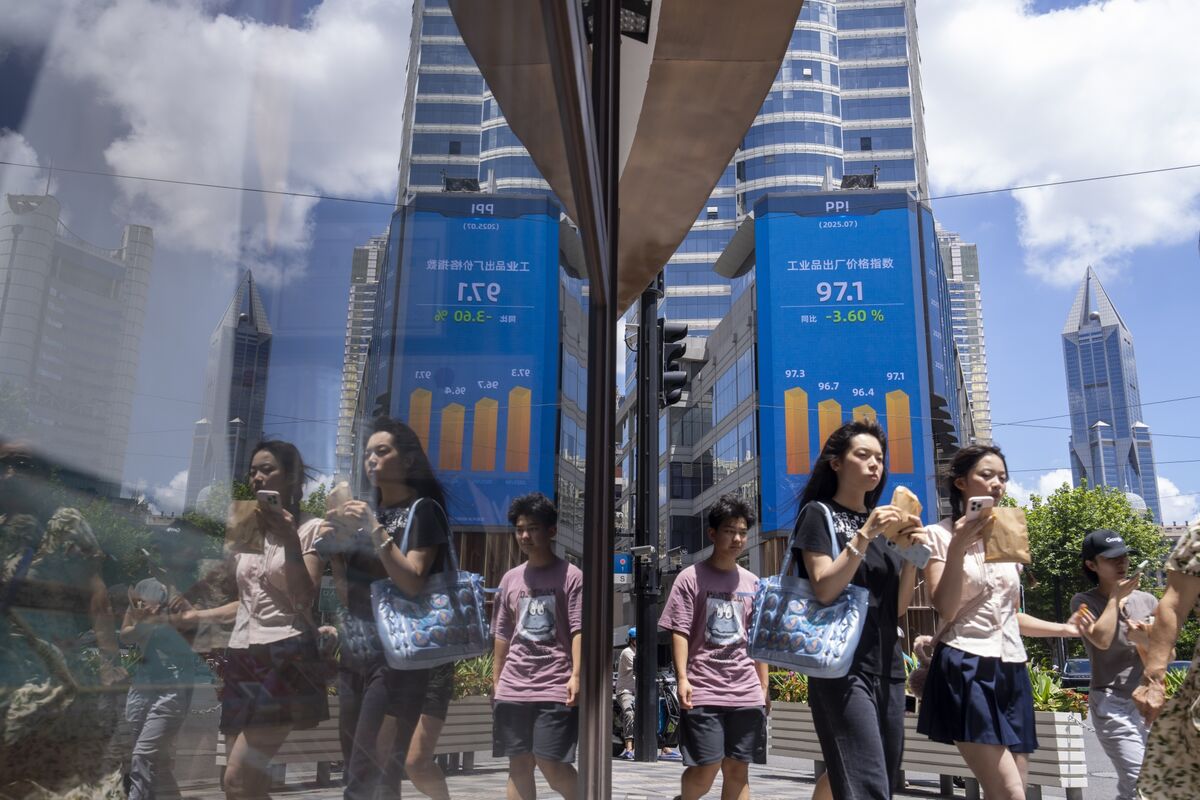
Despite Vanke's bond repayment issues causing concern, Chinese stocks, especially in the tech sector, continue to rise, with technology now being the main market driver and property playing a minimal role, supported by strong earnings and government initiatives.
Goldman Sachs predicts a 30% rise in China's key stock index by 2027, driven by pro-market policies, profit growth, and strong investment flows, with a less volatile upward trend expected amid ongoing trade negotiations and economic reforms.
Despite a 23% rally in Chinese stocks and low implied volatility, derivatives markets show investor skepticism about the sustainability of the rally, with expensive options and cautious positioning reflecting concerns over economic weakness and geopolitical risks.
China's stock market rally is being fueled by a significant shift of household savings, totaling around $23 trillion, into equities, supported by low bond yields and limited alternative investments, with analysts optimistic about further gains despite some signs of overheating.
China's stock market is experiencing a strong rally despite economic challenges like deflation, a property crisis, and slowing growth, raising concerns about a potential bubble amid signs of irrational exuberance and parallels to the 2015 crash, though some believe the rally could be sustained due to broader market support.
China stocks, including JD.com, PDD Holdings, and Baidu, experienced double-digit declines in January due to weak economic data, government interventions, and ongoing regulatory concerns. JD.com faced challenges with flat growth and market share loss to PDD Holdings, while PDD's growth may decelerate soon. Baidu's stock fell after reports linking its AI platform to military research. The outlook for the China tech sector remains challenging, with little expectation for a recovery in the near term.
China shares fell to fresh five-year lows, posting their worst weekly drop in five years despite late-session signs of state support, while blowout earnings at Amazon and Meta buoyed European and U.S. futures ahead of labor-market data. The tech rally looked set to spill over to European markets, with Treasuries eyeing their best week of 2024, and investors awaiting U.S. payrolls data on Friday, which could impact Federal Reserve interest rate decisions.
The stock market rally gained momentum on Tuesday as job openings fell more than expected, pushing all major indexes above their 50-day moving averages. Growth stocks, led by Tesla, Nvidia, and Google parent Alphabet, surged on lower Treasury yields and reduced odds of a Fed rate hike. Chinese stocks PDD Holdings and Li Auto also saw significant gains. Bitcoin and bitcoin-related stocks soared after a federal appeals court ruled in favor of Grayscale, allowing its Bitcoin Trust to become an actual Bitcoin ETF. Dow Jones futures rose slightly on Wednesday.
Chinese stocks, including Alibaba, rose for a second day following stimulus measures from Beijing, but concerns about China's economy persist, making long-term gains more challenging.
The stock market rally showed strong action last week, driven by a wave of earnings, a fresh Fed rate hike, and positive economic data. Apple, Amazon, and Shopify are set to report earnings this week. Microsoft and Tesla have forged new buy points, while On Semiconductor, Samsara, SLB, Marvell Technology, Synopsys, and BYD are trading around buy points. The stock market indexes are close to 52-week highs, with tech, travel, transports, and housing sectors performing well. However, investors should be cautious about adding exposure and consider trimming laggards, as the market has had some volatile intraday action recently.
Asian shares edged higher as investors assessed corporate earnings and anticipated upcoming central bank meetings, while disappointing results from Netflix and Tesla weighed on U.S. futures. However, gains in Asian equities were limited by weak China stocks, as the government's support for the private economy failed to impress investors. The Chinese yuan rose after authorities adjusted cross-border financing rules and state-owned banks were seen selling dollars to bolster the currency. European stock markets were expected to open lower, and the Bank of England's rate hike expectations were dialed back following cooling UK inflation. Central bank meetings in Japan, Europe, and the United States will be closely watched by investors. China's recovery relies on consumer-led growth, but signs of a slowdown are emerging, and fiscal stimulus is expected to focus on local governments.
Alibaba, JD.com, and other Chinese tech stocks experienced a drop in their stock prices as investors grappled with concerns over deflation and weighed them against hopes that Beijing's regulatory crackdown on the tech industry is nearing its end.
Alibaba, JD.com, and other U.S.-listed Chinese tech stocks experienced a drop in their stock prices as investors grappled with concerns over deflation and disappointing economic data, overshadowing hopes that Beijing's regulatory crackdown on the tech industry may be easing.
Hedge fund Scion Asset Management, founded by Michael Burry of "The Big Short" fame, has doubled down on China stock bets, with 10% of its US-listed portfolio in JD.com and 9.6% in Alibaba. Other hedge funds, including Third Point and Hillhouse Capital Advisors, have also taken positions in Alibaba. Despite a challenging year for China stocks, some investors, such as Thomas Hayes of Great Hill Capital, remain optimistic about the potential of Alibaba, particularly its cloud unit, and see the current market valuation as an opportunity to buy and hold.
The Dow Jones Industrial Average fell by 1% in early trading on Friday, with bank stocks resuming their slide after Thursday's rally. Microsoft broke out of a flat base with a 276.86 entry, while Apple worked on its four-day gain. Fedex soared after earnings, while Warner Brothers was also a big gainer. Nvidia and Advanced Micro Devices rose, and Baidu gained along with other China stocks. Bank fears resumed after yesterday's hopeful uptick, with First Republic cancelling its dividend and shares falling over 15% in morning trading.