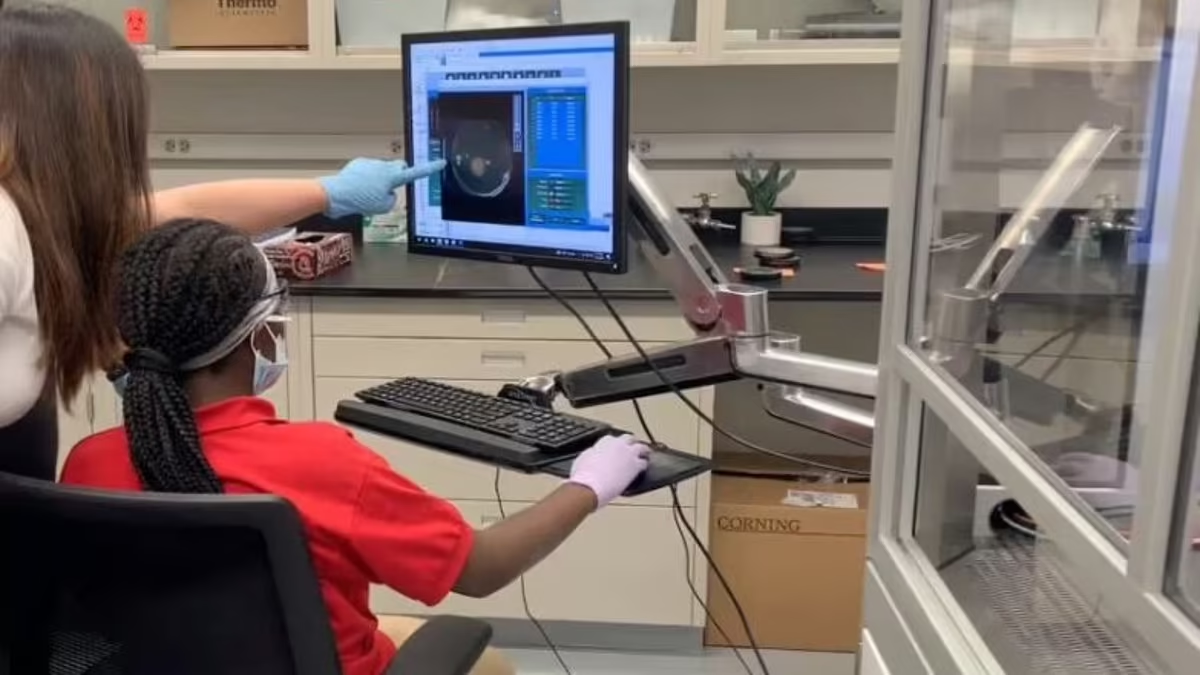
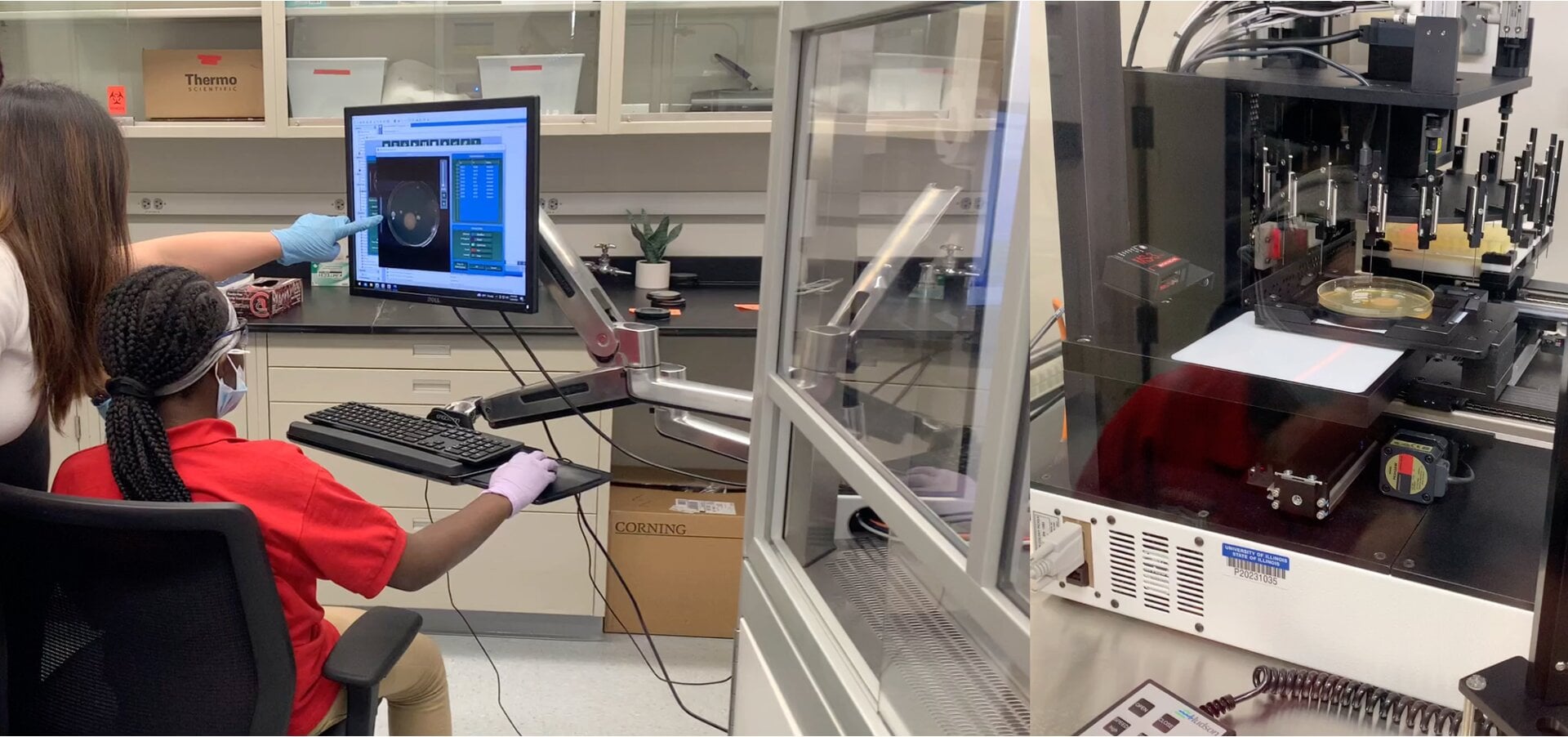
A middle school student from Chicago, Camarria Williams, discovered a new compound in goose droppings that slows the growth of melanoma and ovarian cancer cells during a science project with the University of Illinois Chicago. Her findings, part of a program engaging youth in STEM, have been published in ACS Omega. The discovery highlights the potential of integrating educational programs with scientific research, though the CDC advises caution when handling bird droppings due to health risks.
A middle school student discovered a novel compound in goose poop through a partnership with the University of Illinois at Chicago, highlighting the potential of combining educational outreach with scientific research. The compound, orfamide N, was found to inhibit the growth of human melanoma and ovarian cancer cells, showcasing the importance of engaging young students in STEM fields and fostering university-community collaborations. This initiative provided hands-on scientific experience to underrepresented students, encouraging them to pursue careers in science.
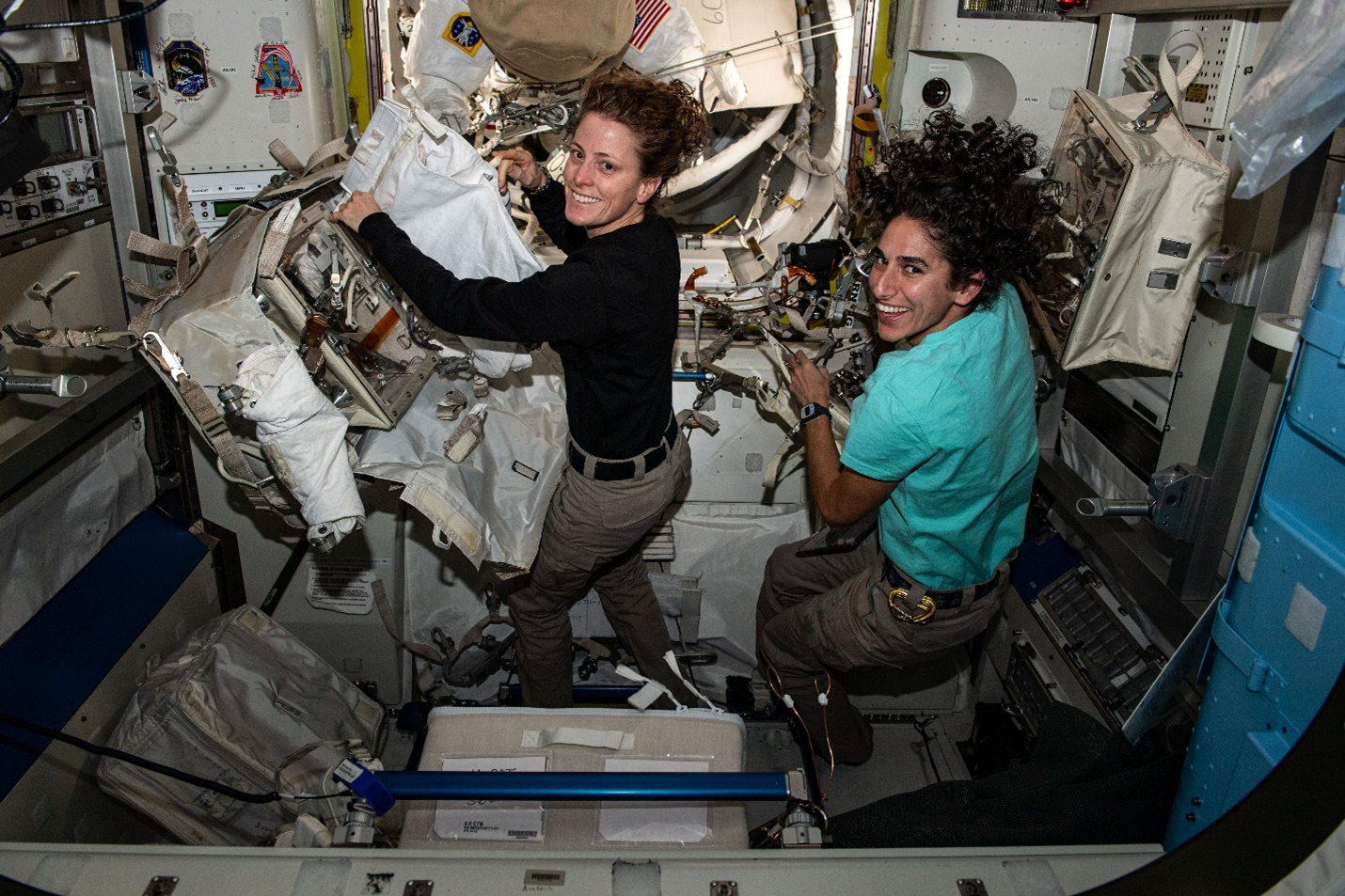
NASA astronauts Jasmin Moghbeli and Loral O’Hara will engage in live educational downlinks with students from North Carolina and Virginia, respectively, on January 9. The events, which will be streamed on NASA TV and other platforms, will feature the astronauts answering prerecorded questions and aim to inspire students through STEM activities and discussions about life aboard the International Space Station. The North Carolina event includes a STEM Day with hands-on activities, while the Virginia event involves a Plant the Moon Challenge related to the Artemis mission. These interactions are part of NASA's efforts to educate and inspire the Artemis Generation for future space exploration.