Tag

Stellar Populations

All articles tagged with #stellar populations

science1 year ago

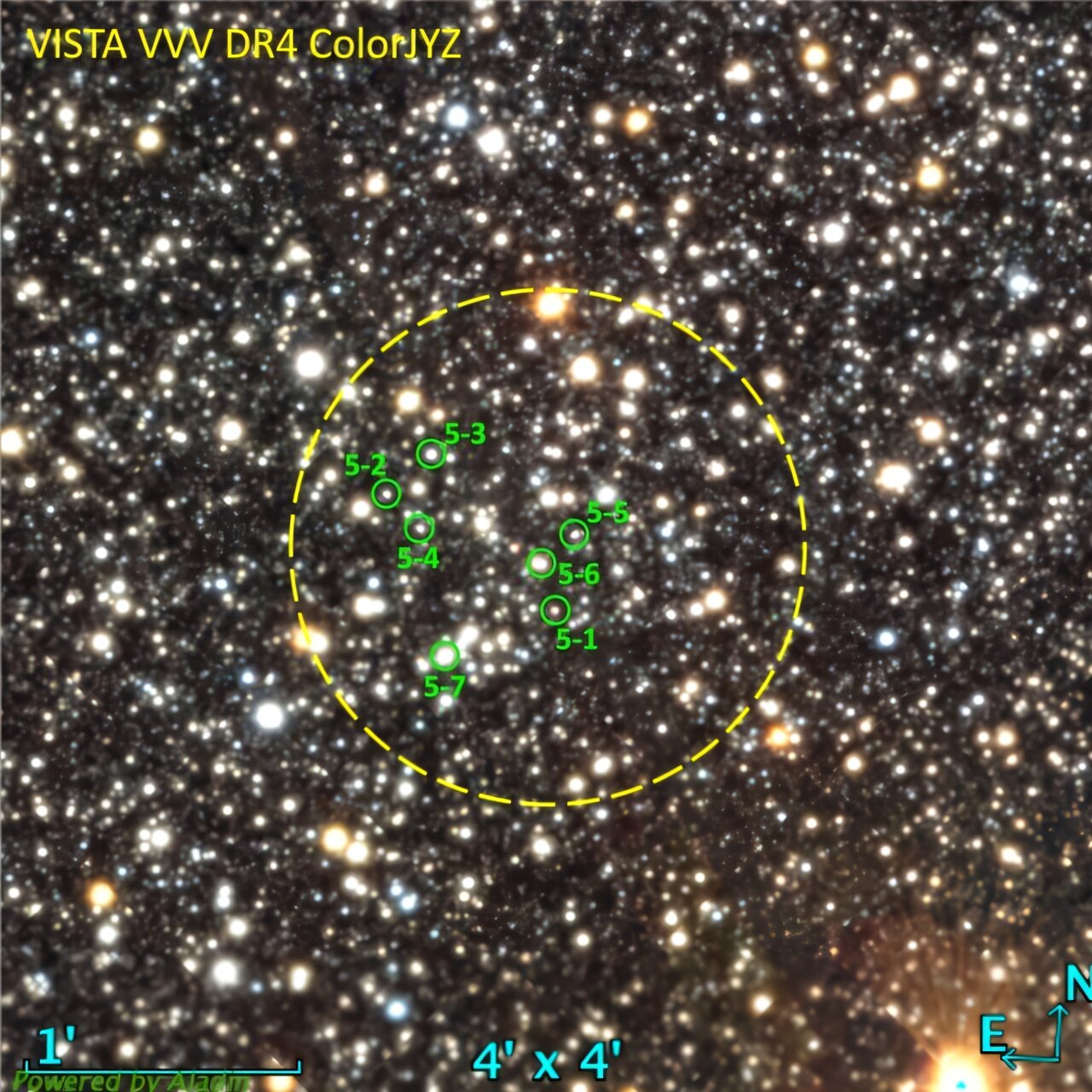
Study Reveals Dual Stellar Populations in Globular Cluster Gran 5

Astronomers using the Gemini-South telescope have discovered that the globular cluster Gran 5, located near the Galactic center, contains two distinct stellar populations with different metallicities. This finding, based on high-resolution near-infrared spectroscopy of seven stars, marks the first detection of such diversity in a low-mass globular cluster. The study suggests that Gran 5 is not linked to the Gaia–Enceladus–Sausage structure but is part of the Galactic bulge or disk, with its metallicity variation possibly due to different evolutionary processes or mass loss.
astronomy1 year ago

"Scientists Name Milky Way Galaxy's Earliest Building Blocks Shakti and Shiva"

Astronomers have identified the earliest "building blocks" of the Milky Way galaxy, naming them Shakti and Shiva, which formed 12-13 billion years ago. These groups of stars are believed to have originated from merging galaxies and exhibit distinct energy and angular momentum signatures. The stars are low in metal content, indicating their formation a long time ago, and are considered potential ancestors of the Milky Way. The research, based on data from the Gaia satellite and the Sloan Digital Sky Survey, sheds light on the galaxy's early formation.

astronomy1 year ago

"Stellar Populations in Metal-Poor Dwarf Galaxy Explored by Astronomers"

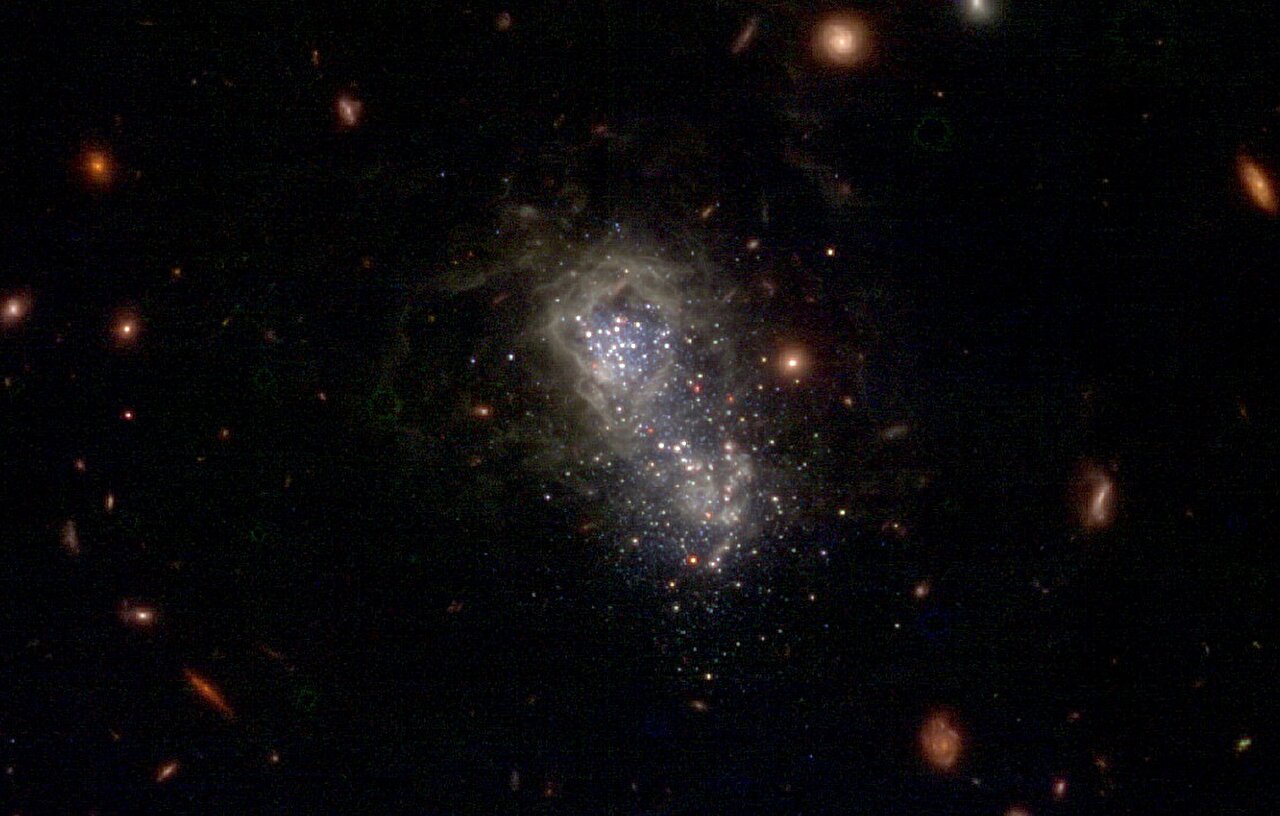
Astronomers have used the James Webb Space Telescope to study the stellar populations of the extremely metal-poor blue compact dwarf galaxy I Zwicky 18. Their observations revealed extreme populations of bright, recently formed massive stars, as well as candidate populations of dusty evolved stars and young stellar objects. The study provides important insights into the demographics of younger and older stellar populations in this galaxy, making it an ideal laboratory to study star demographics in an environment similar to that found shortly after the Big Bang.

science-and-exploration2 years ago

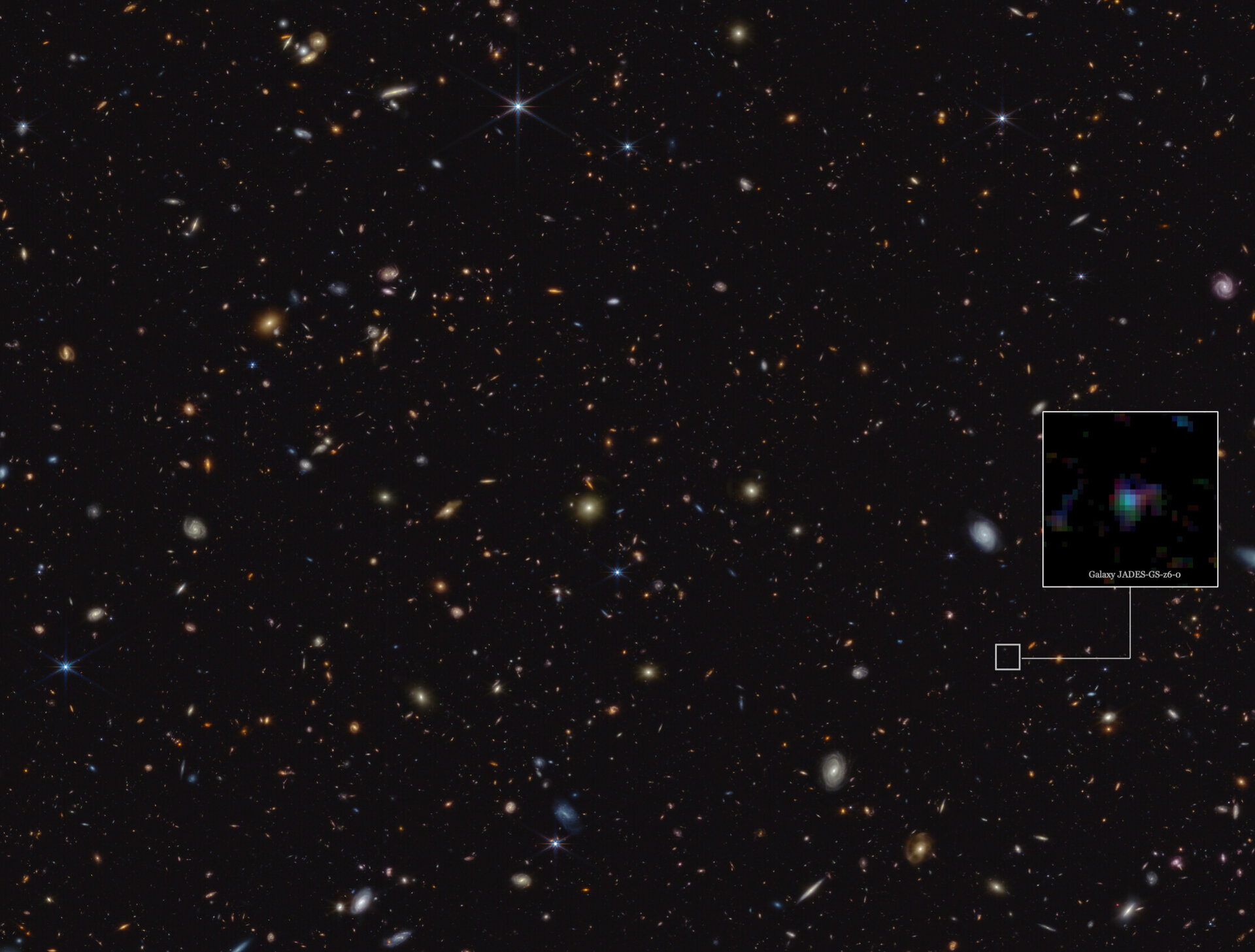
Unveiling Carbon-Rich Dust Grains in the Early Universe

The James Webb Space Telescope has detected the chemical signature of carbon-rich dust grains in the early Universe, approximately one billion years after its birth. This observation suggests the presence of a different species of carbon-based molecule, possibly graphite- or diamond-like grains produced by the earliest stars or supernovae. The discovery provides insights into the production of cosmic dust and the earliest stellar populations, and was made possible by Webb's unprecedented sensitivity.

astronomy2 years ago

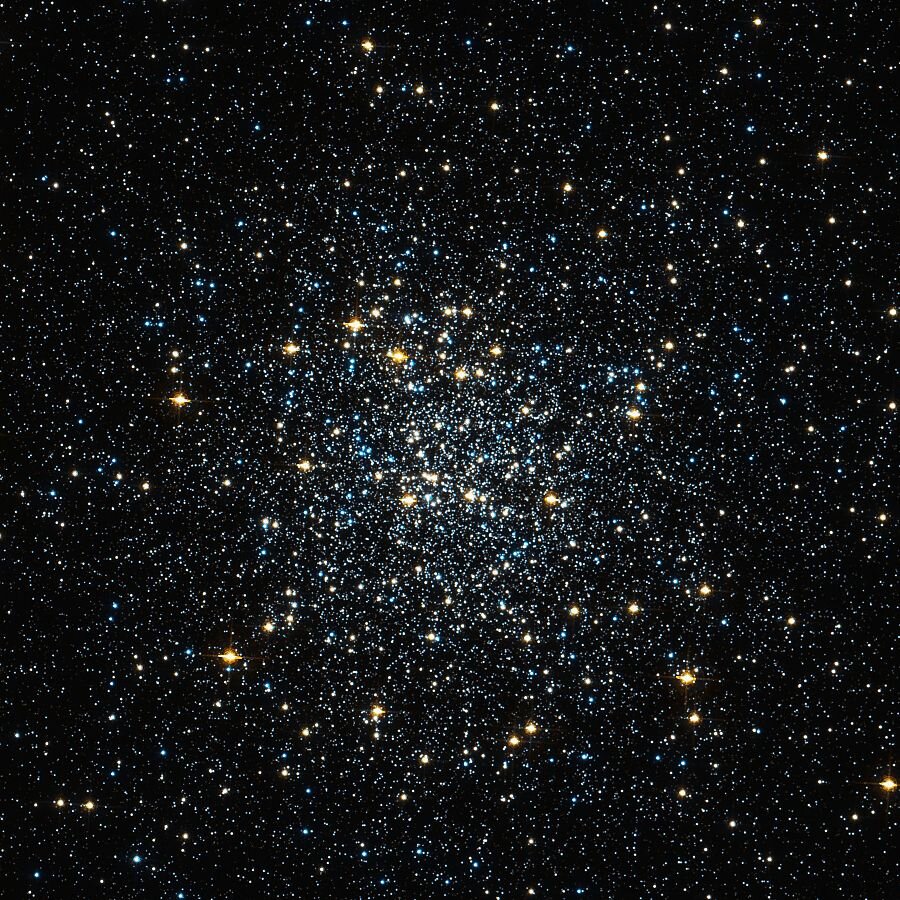
Uncovering the Complexities of Messier 92's Stellar Populations

Astronomers have used the James Webb Space Telescope and the Hubble Space Telescope to observe Messier 92, a metal-poor globular cluster located 26,700 light years away in the constellation of Hercules. The observations have provided crucial information regarding multiple stellar populations in this cluster, revealing that it hosts at least two stellar generations of stars named 1G and 2G. The observations identified the three previously reported stellar groups, namely 1G, 2GA and 2GB, which share similar radial distributions of the proper motion dispersion. The helium abundances of 2GA and 2GB stars were found to have higher mass fractions than that of the 1G stars.