Tag

Stellar Collisions

All articles tagged with #stellar collisions

"Revealing the Dark Secrets of Cosmic Cannibalism at the Heart of the Milky Way"

Originally Published 1 year ago — by ScienceAlert

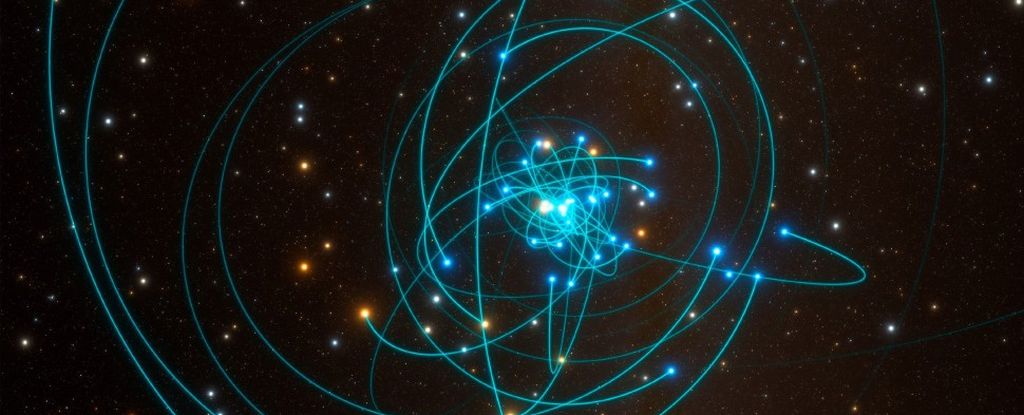
Featured image for "Revealing the Dark Secrets of Cosmic Cannibalism at the Heart of the Milky Way"
Source: ScienceAlert

New evidence suggests that stars in the Milky Way's galactic center appear much younger than they actually are due to cosmic cannibalism, where collisions and mergers allow some stars to collect more hydrogen and masquerade as rejuvenated, young-looking stars. The study, based on simulations, found that interactions between stars near the supermassive black hole result in grazing collisions, while those further away lead to violent mergers creating larger, short-lived stars. This process explains the absence of old red giant stars in the galactic center and sheds light on the complex dynamics of this unique cosmic environment.
"Cannibal Stars Defy Aging at Milky Way's Core"

Originally Published 1 year ago — by SciTechDaily

Featured image for "Cannibal Stars Defy Aging at Milky Way's Core"
Source: SciTechDaily

New research from Northwestern University using simulations of 1,000 stars around the Milky Way’s supermassive black hole, Sagittarius A*, reveals that high-speed stellar collisions lead to the formation of youthful-looking stars, either through stripping down and becoming low-mass or merging into massive entities. These "zombie stars" appear rejuvenated despite their ancient origins, as they have consumed their neighbors. The study sheds light on the extreme environment near the galactic center and provides insights into the history of the Milky Way.

"Rejuvenated 'Zombie' Stars Near Milky Way's Black Hole"

Originally Published 1 year ago — by Phys.org

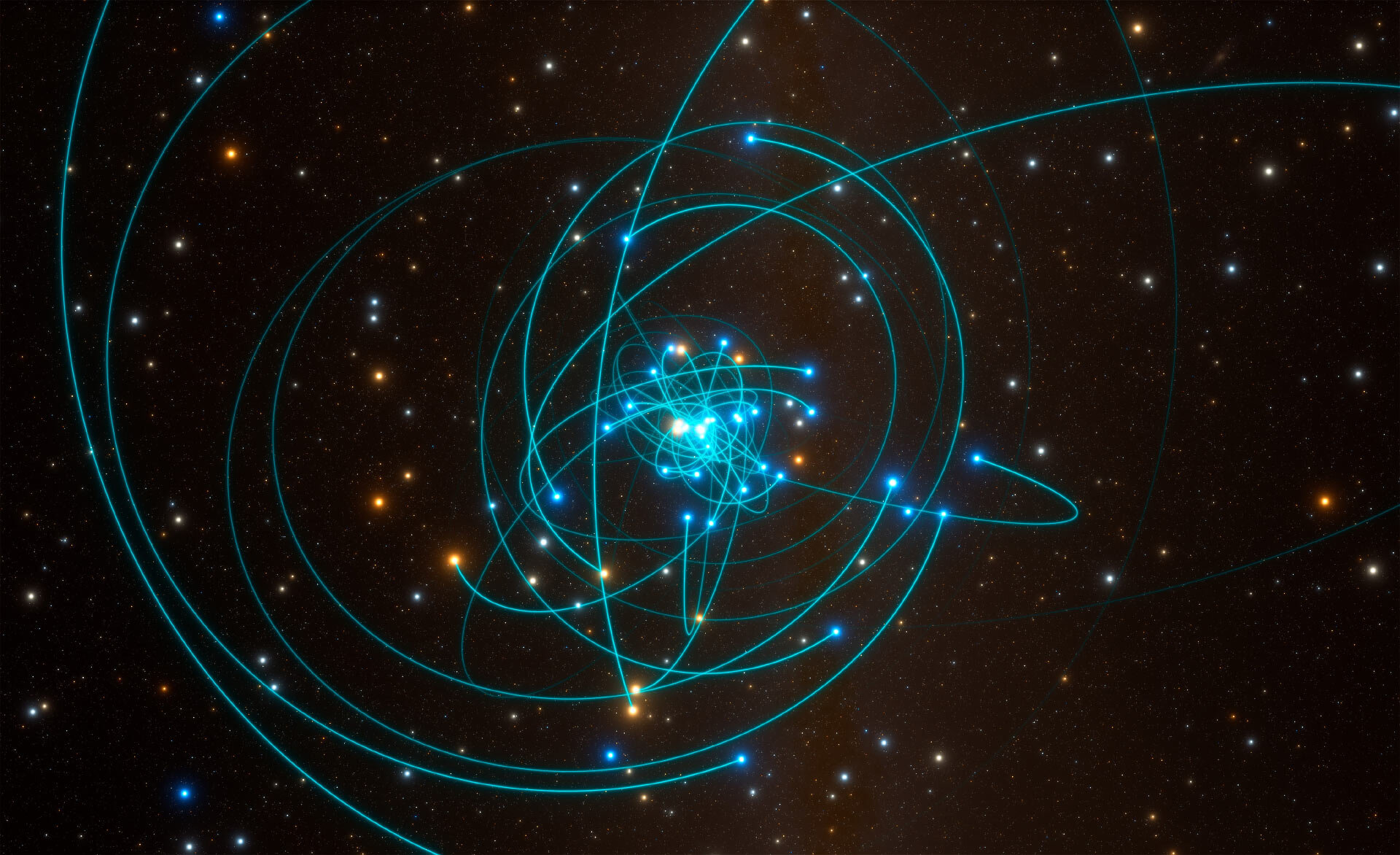
Featured image for "Rejuvenated 'Zombie' Stars Near Milky Way's Black Hole"
Source: Phys.org

New research from Northwestern University explores the violent journeys of stars orbiting the Milky Way's central supermassive black hole, Sagittarius A*. The study finds that densely packed stars in this region commonly experience brutal collisions, leading to outcomes such as stars losing mass and becoming stripped down, low-mass stars, or merging with others to appear rejuvenated but with shorter life expectancies. The research sheds light on the extreme environment near the galactic center and provides insights into the history of the Milky Way.

Unprecedented Discovery: Witnessing Cosmic Nuclear Fission for the First Time

Originally Published 2 years ago — by Space.com

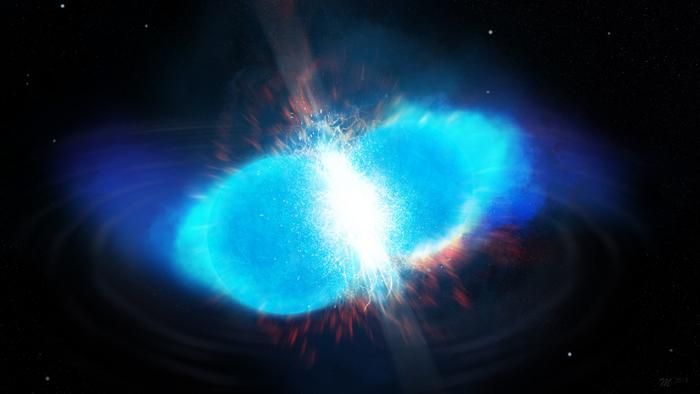
Featured image for Unprecedented Discovery: Witnessing Cosmic Nuclear Fission for the First Time
Source: Space.com

Scientists have discovered the first evidence of nuclear fission occurring among the stars, supporting the theory that when neutron stars collide, they create "superheavy" elements that then undergo nuclear fission to produce elements like gold. This discovery provides insight into the origin of heavy elements in the universe and confirms a theory proposed several years ago. The research also suggests that elements with atomic masses greater than 260 may exist around neutron star collisions.

Unprecedented Discovery: Cosmic Nuclear Fission Witnessed for the First Time

Originally Published 2 years ago — by Yahoo News

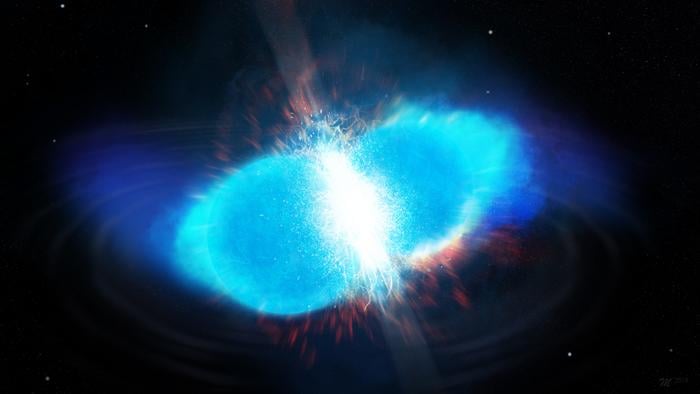
Featured image for Unprecedented Discovery: Cosmic Nuclear Fission Witnessed for the First Time
Source: Yahoo News

Scientists have discovered the first evidence of nuclear fission occurring among the stars, supporting the theory that when neutron stars collide, they create superheavy elements that then undergo nuclear fission to produce elements like gold. This discovery provides insight into the origin of heavy elements in the universe. The research team found a correlation between light precision metals and rare earth nuclei in stars, confirming the occurrence of nuclear fission. The study suggests that elements with atomic masses greater than 260 may exist around neutron star mergers. This finding confirms a theory proposed several years ago and sheds light on the process of nucleosynthesis in extreme stellar environments.

Unprecedented Discovery: Cosmic Nuclear Fission Witnessed for the First Time

Originally Published 2 years ago — by Yahoo! Voices

Featured image for Unprecedented Discovery: Cosmic Nuclear Fission Witnessed for the First Time
Source: Yahoo! Voices

Scientists have discovered the first evidence of nuclear fission occurring among the stars, supporting the theory that when neutron stars collide, they create superheavy elements that then undergo nuclear fission to produce elements like gold. This discovery provides insight into the origin of heavy elements in the universe. The research team found a correlation between light precision metals and rare earth nuclei in stars, confirming the occurrence of nuclear fission. The study suggests that elements with atomic masses greater than 260 may exist around neutron star mergers. This finding confirms a theory proposed several years ago and sheds light on the process of heavy element formation in the cosmos.

Unprecedented Method Unveiled: Obliterating Stars Like Never Before

Originally Published 2 years ago — by SciTechDaily

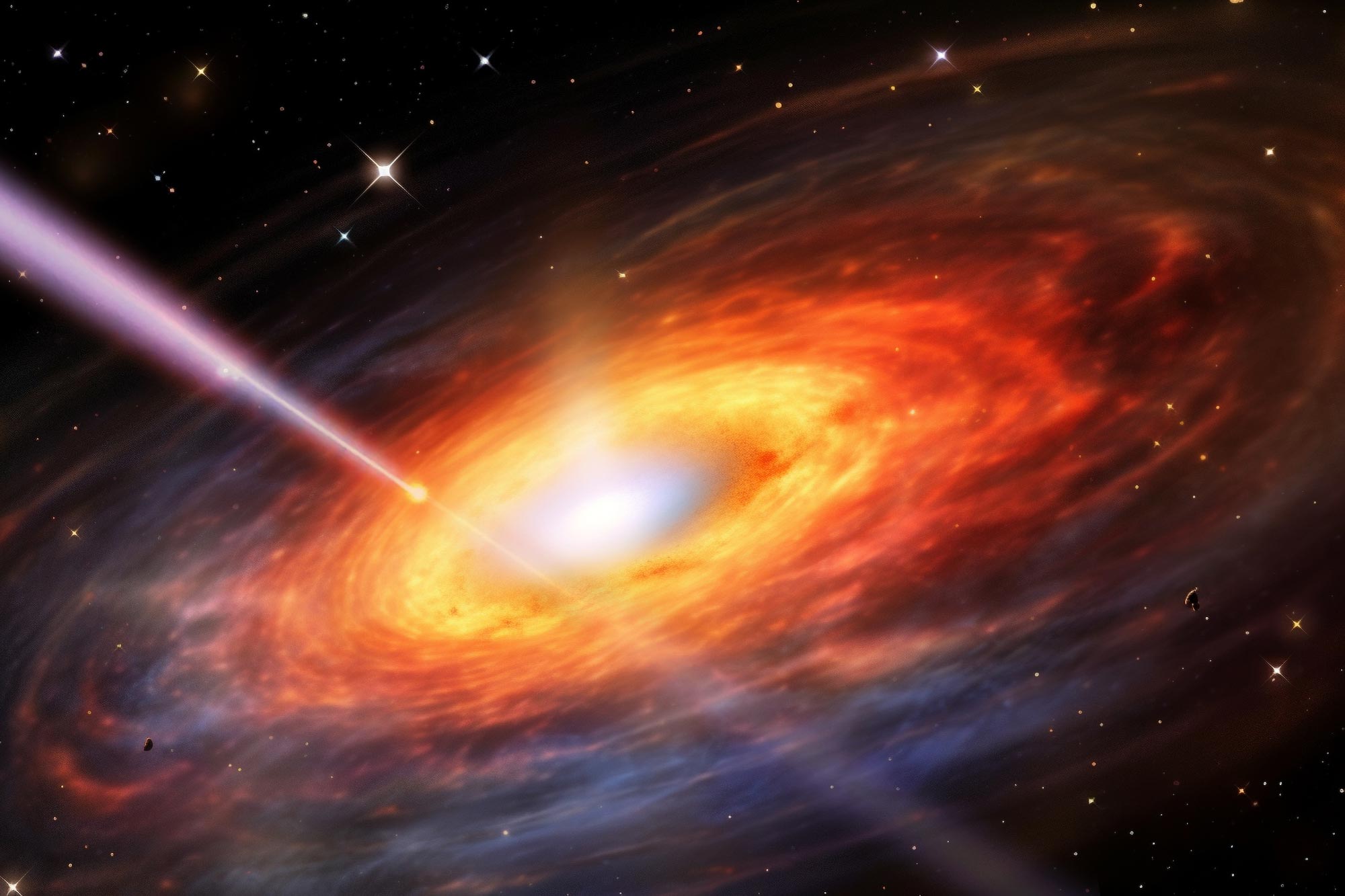
Featured image for Unprecedented Method Unveiled: Obliterating Stars Like Never Before
Source: SciTechDaily

Astronomers using the Gemini South telescope have potentially discovered a new way stars can be destroyed: by colliding near a supermassive black hole in an ancient galaxy. This discovery challenges previous assumptions about star deaths and sheds light on the environments surrounding black holes. The astronomers observed a powerful gamma-ray burst (GRB) that they believe resulted from the collision of stars or stellar remnants in the vicinity of the supermassive black hole. This finding suggests a previously unseen fourth option for star destruction and raises questions about the sources of gravitational waves. Further research and observations are needed to confirm and understand these events.

Cosmic Clash: Supermassive Black Hole Sparks Largest Explosion Ever Recorded

Originally Published 2 years ago — by Inverse

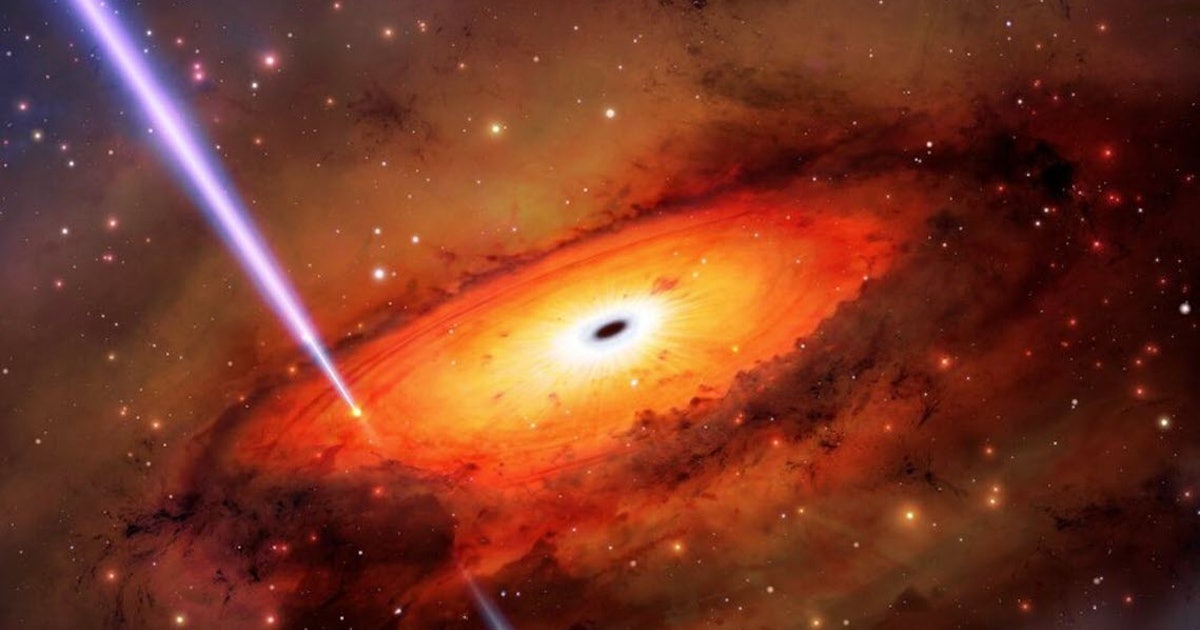
Featured image for Cosmic Clash: Supermassive Black Hole Sparks Largest Explosion Ever Recorded
Source: Inverse

Astronomers have discovered a supermassive black hole in the heart of an ancient galaxy that is causing stellar remnants and stars to collide, resulting in massive explosions visible across billions of light-years. The event, known as GRB 191019A, revealed a new pathway for stars to meet their demise and provided insights into how stars die and the creation of gravitational waves. This discovery highlights the importance of collaborative efforts between observatories to study gamma-ray bursts and uncover their true nature in even the most obscured environments.