Elon Musk announced that SpaceX's Starship rocket will reach Mars within five years and a future version will be capable of traveling to other star systems. The current prototype is designed to traverse the solar system and its surroundings, with Musk promising a larger and more advanced future version. Despite recent success with the rocket's third test flight, challenges remain for interstellar travel. Former president Barack Obama criticized the focus on space colonization, emphasizing the importance of taking care of Earth.
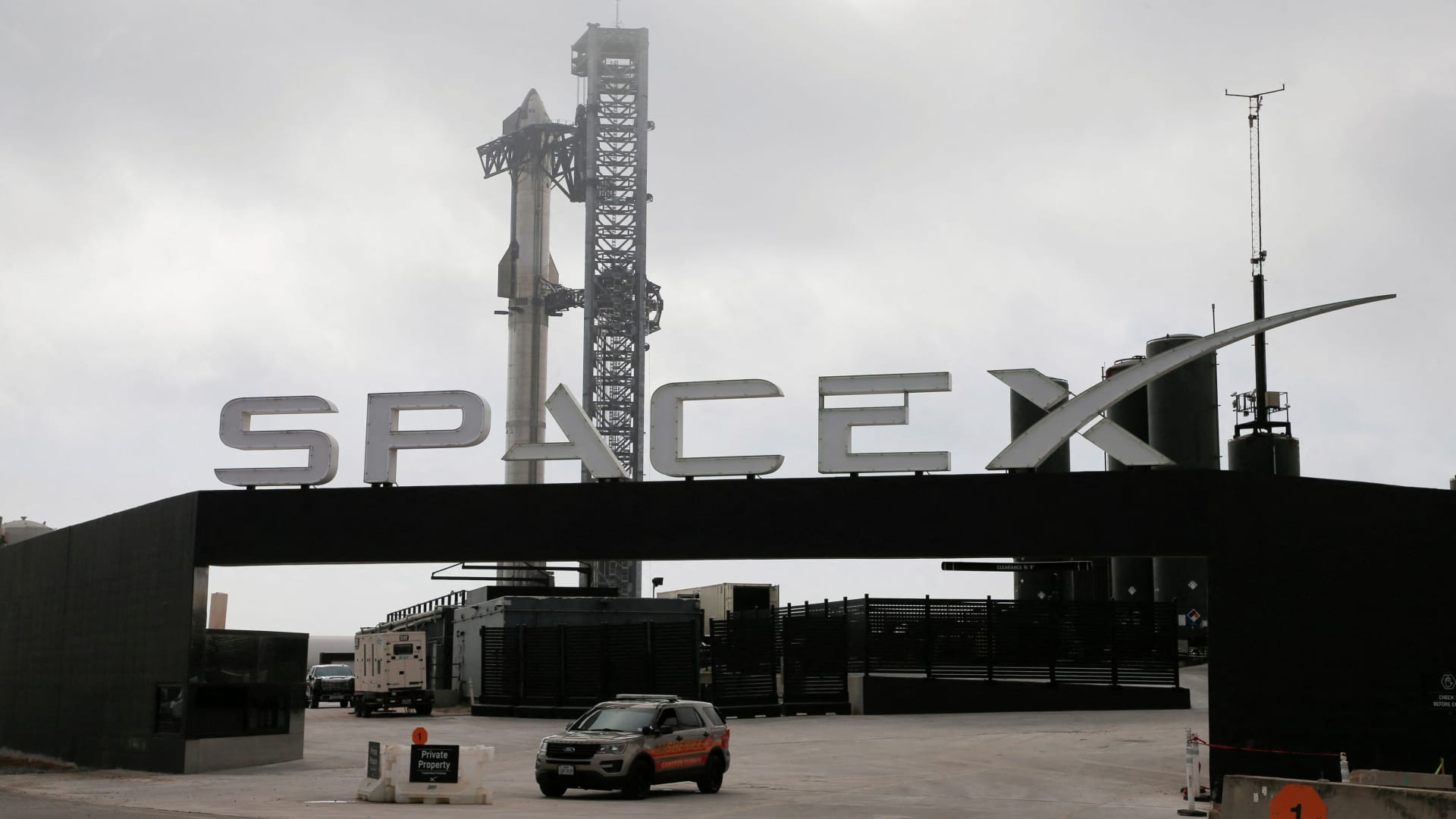
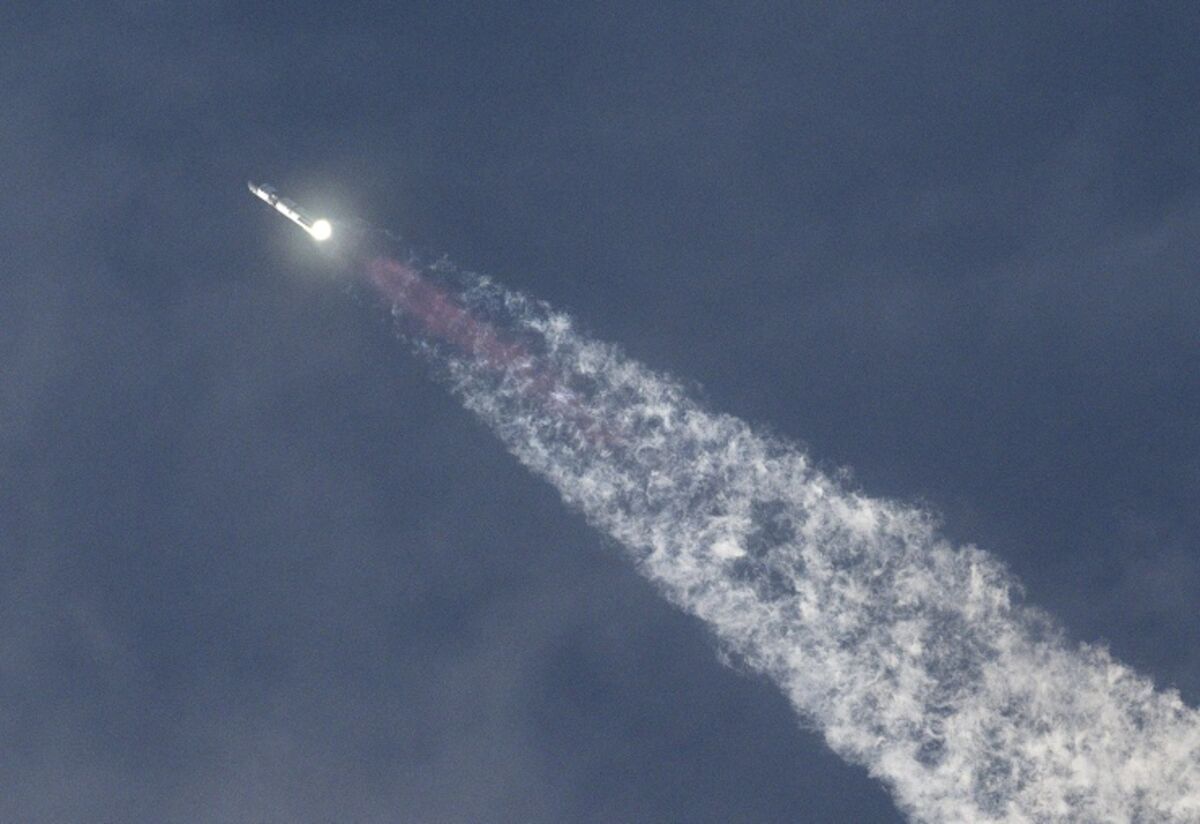
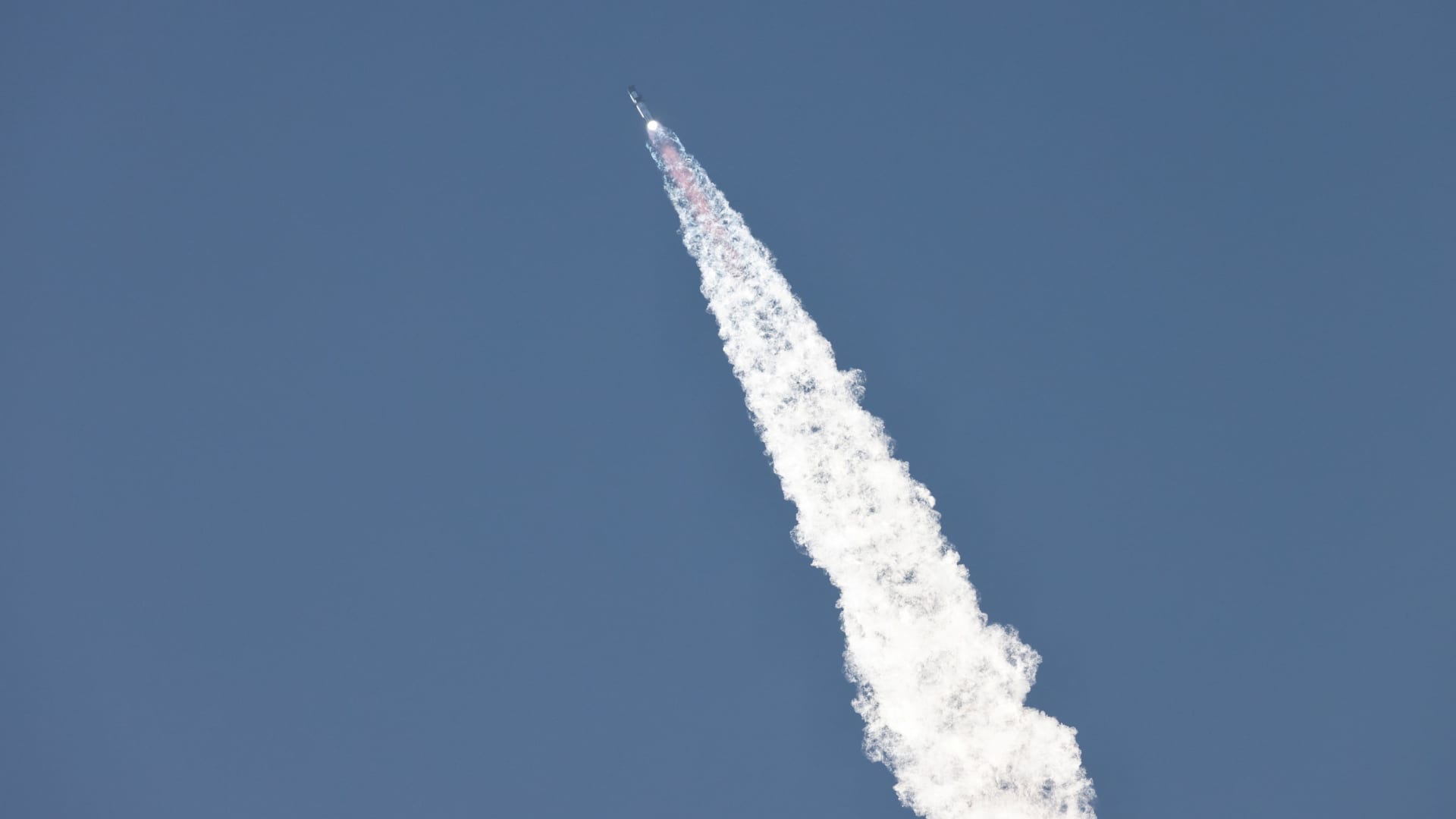
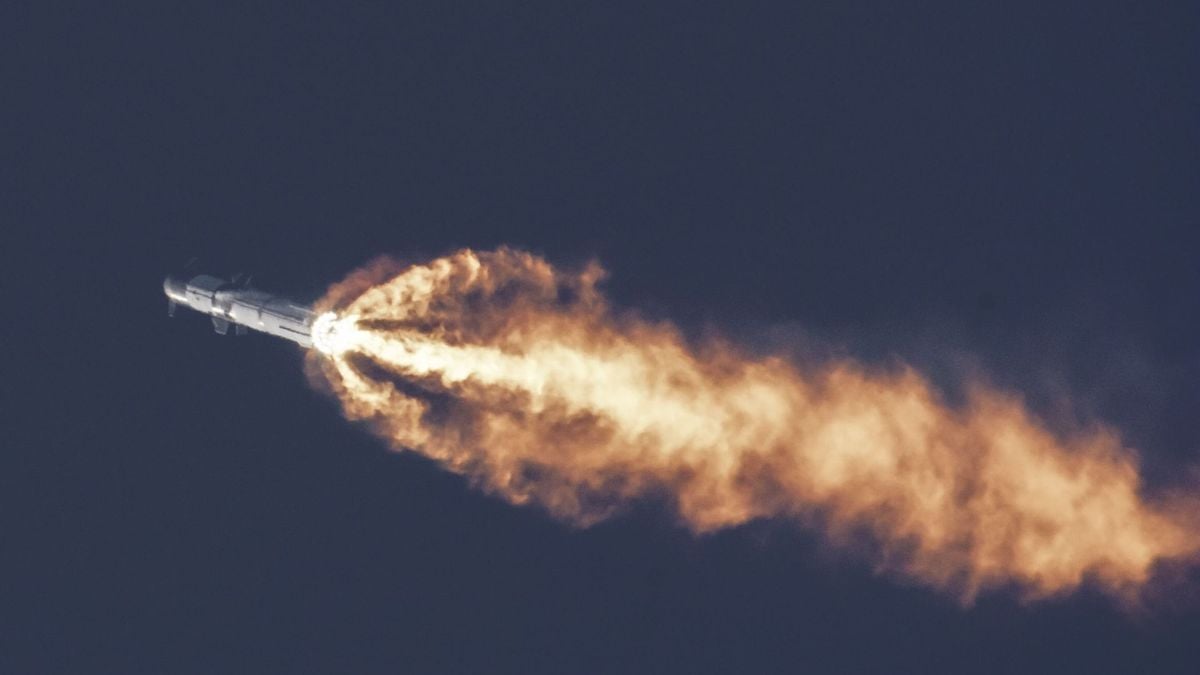
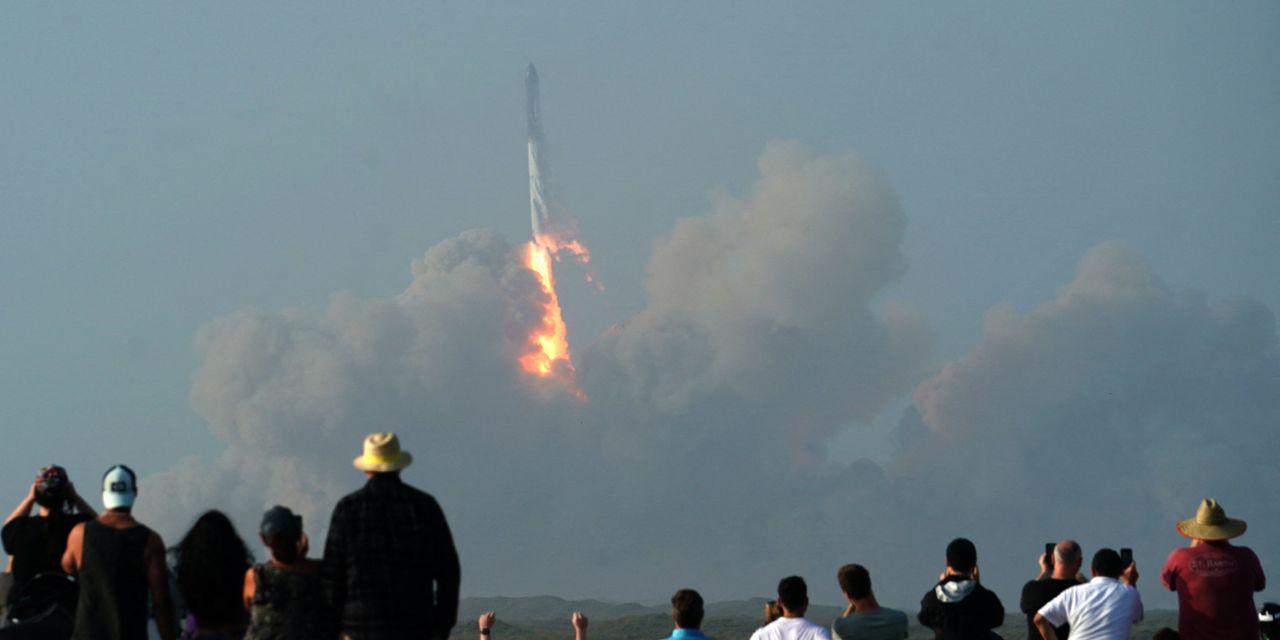
SpaceX successfully launched its Starship rocket on its third test flight, reaching space and marking a significant milestone in the development of the mammoth vehicle. The rocket, designed to be fully reusable, aims to revolutionize space travel for cargo and human missions beyond Earth, including NASA's Artemis moon program. The test flight demonstrated new capabilities, including opening and closing the spacecraft door in space and transferring fuel during flight, as SpaceX continues its iterative approach to improving the rocket's performance.
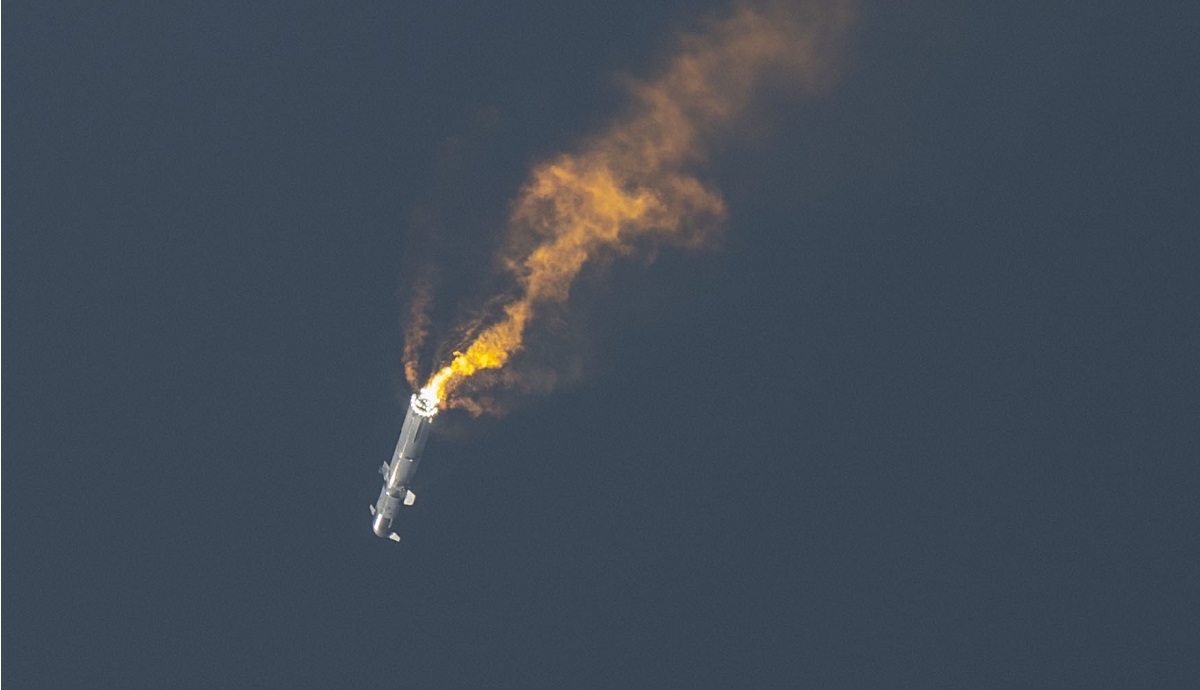
SpaceX's Starship rocket completed a critical test, reaching new heights before being lost during its return to Earth. The mission showcased the craft's capabilities and brings the company closer to using it for satellite launches and eventually human missions to the moon and Mars, aligning with CEO Elon Musk's ambitious goals.
SpaceX rolls out the Starship Super Heavy prototype, Booster 10, to the launch pad in South Texas for testing ahead of its third test flight. The company shared photos of the milestone, showing the two stages of the rocket being stacked atop the orbital launch mount. SpaceX aims to launch the third test flight in the coming weeks pending FAA approval, following the investigation into the explosion of the previous flight. The Starship rocket is designed for fully reusable space travel and is part of SpaceX's goal to expand humanity's presence in the solar system, particularly on Mars.
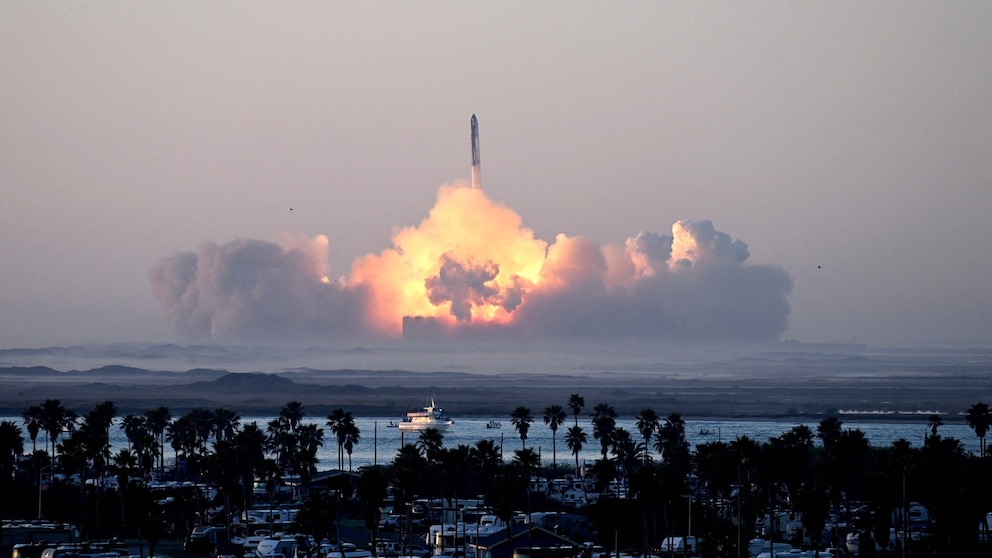
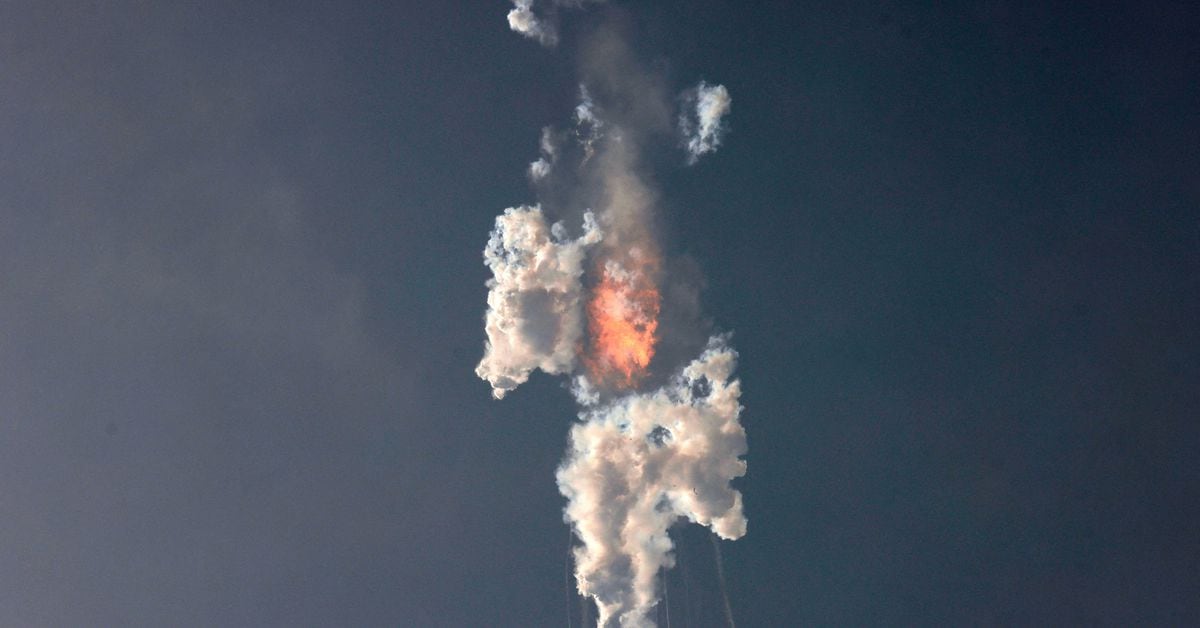
SpaceX launched its Starship rocket for its second test flight, but the booster exploded after separating and the spacecraft apparently detonated after reaching space. The rocket successfully lifted off and separated, but experienced a "rapid unscheduled disassembly" and exploded. The engines continued to fire until SpaceX lost data from the second stage. No injuries or property damage were reported, and the FAA will oversee an investigation to determine the cause and prevent future incidents. SpaceX will need FAA approval for a third test flight. The Starship is designed to carry passengers to the moon and Mars as part of NASA's Artemis program.
SpaceX successfully launched its second Starship rocket flight, reaching space before intentionally destroying the vehicle mid-flight. The uncrewed test flight lasted over seven minutes and aimed to demonstrate improvements to ground infrastructure and mitigate damage caused by the previous launch attempt. The Starship system, standing at 397 feet tall and powered by liquid oxygen and liquid methane, is designed to be fully reusable and is critical to NASA's plan for lunar missions. SpaceX plans to conduct hundreds of Starship missions before launching with a crew.
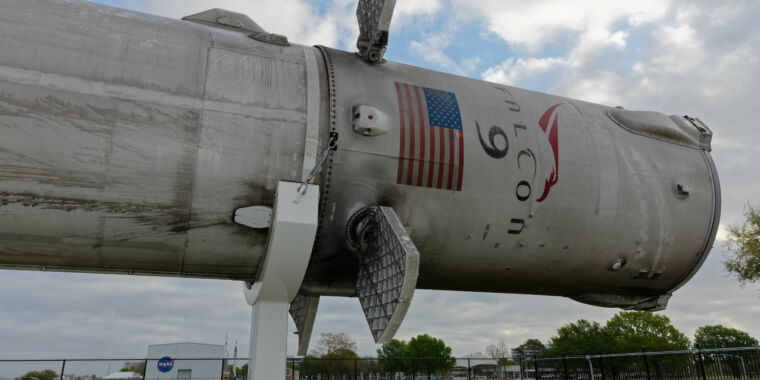
SpaceX had to replace the actuator on a grid fin of its Starship rocket, causing a delay in the launch. Grid fins are crucial for the rocket's landing, providing better steering during reentry. Originally developed by the Soviet Union, these fins have been instrumental in SpaceX's successful rocket landings. The faulty actuator needed to be replaced to ensure a controlled descent into the ocean during this mission.
The U.S. Federal Aviation Administration (FAA) has completed its safety review of SpaceX's Starship rocket, assessing the risks to public health and property. However, an environmental review is still pending, which includes consultation with the U.S. Fish and Wildlife Service (USFWS) on an updated Biological Assessment under the Endangered Species Act. Once the environmental review is completed, SpaceX can proceed with the next Starship liftoff. The Starship rocket is the largest and most powerful ever built, consisting of a Super Heavy booster and a Starship upper stage. The rocket's first test flight in April encountered problems, leading to an intentional detonation above the Gulf of Mexico. SpaceX has stated that the latest Starship vehicle has passed all prelaunch tests and is ready for launch.
Elon Musk expressed optimism that SpaceX's Starship rocket won't explode in its next launch attempt, but also acknowledged uncertainty. The first orbital flight test of the Starship in April ended in an explosion. Musk mentioned that SpaceX is developing a "hot stage" system to ignite the rocket's second stage before separation, which he considers the riskiest part of the flight. Despite the uncertain odds, Musk remains hopeful for a successful launch into orbit.
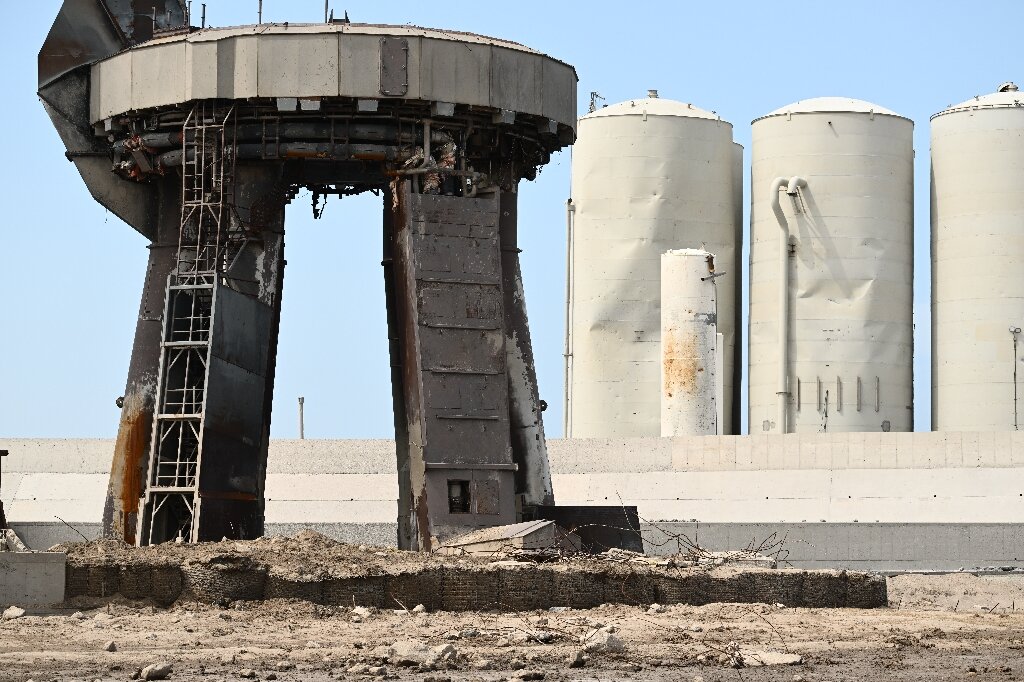
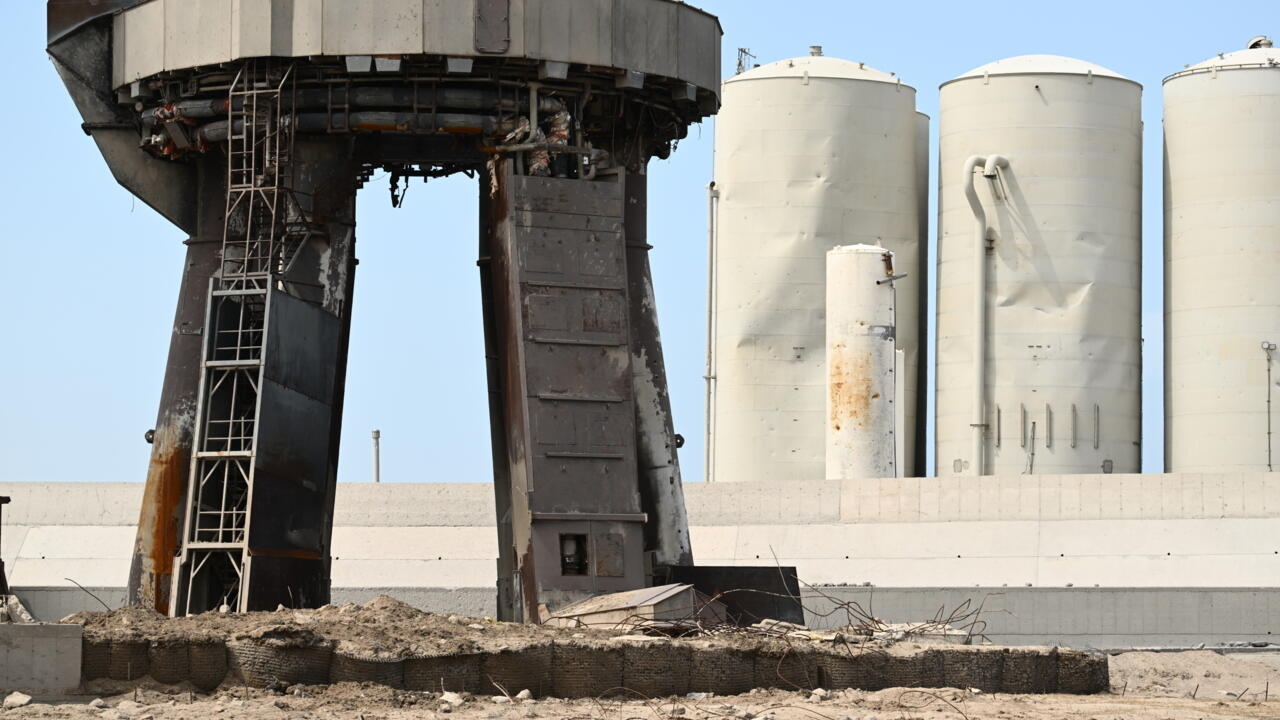
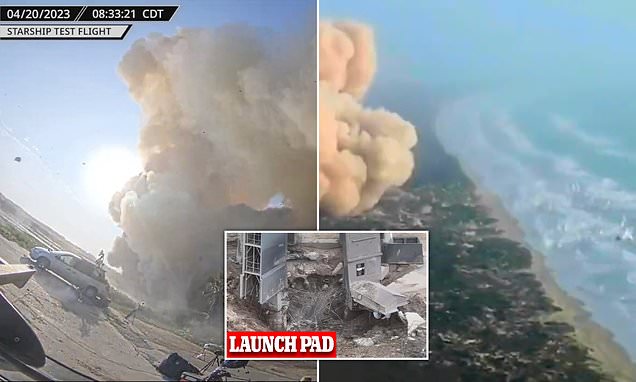
SpaceX's first test flight of Starship rocket caused serious damage to its Texas launch site, leaving a huge crater and twisted metal sheets. Repairing the damage is expected to take months, potentially delaying further launch attempts and slowing the development of a rocket NASA plans to use on its upcoming Moon missions. The launch tower is still standing while the rocket mount, which supports Starship before liftoff, is damaged but still intact. SpaceX engineers may have underestimated the damage that Starship's 33 first-stage rocket engines would do.
SpaceX's first test flight of Starship rocket caused serious damage to its Texas launch site, including a huge crater and flying chunks of concrete and twisted metal sheets. Repairing the damage is expected to take months, potentially delaying further launch attempts and slowing the development of a rocket NASA plans to use on its upcoming Moon missions. The force of the engines when they throttled up may have shattered the concrete, rather than simply eroding it. SpaceX engineers may have underestimated the damage that Starship's 33 first-stage rocket engines would do.
Elon Musk's Starship rocket burst into flames just four minutes after takeoff, spraying debris all over the southern Texas coast. The Federal Aviation Administration has grounded all of SpaceX's Starship rockets as it investigates the failed launch. Despite the explosion, SpaceX considers the launch a success as it cleared the launch pad. The rocket is designed to be bigger and more powerful than others of its kind, capable of lifting more than 100 metric tons into orbit, and bringing humans to Mars. The incident has raised questions about the need for more commercial spaceflight regulation.
SpaceX is analyzing the cause of the explosion of its Starship rocket that occurred a few minutes after liftoff in southern Texas. Regulators are also investigating the impact of the launch on nearby natural areas and public safety. Environmental groups and some local residents have raised concerns about the impact of SpaceX's activities on and around its base.
Despite the explosion of SpaceX's Starship rocket during its inaugural test flight, employees cheered as the test provided valuable data to improve the rocket's reliability. The company's philosophy of designing based on failure was evident, and the transparency in its test process was praised. NASA is paying SpaceX to develop a version of the rocket that would send astronauts to the moon as soon as 2025. The loss of the test article is consistent with SpaceX's approach to developing the Starship system, which aims to change what humanity does in space.
The explosion of SpaceX's Starship rocket during its first flight test is being seen as a "successful failure" that will help accelerate development of the vehicle. Experts say that SpaceX's strategy of embracing failure when the consequences are low sets it apart from traditional aerospace companies and even NASA. The crewless flight provided a wealth of data that will advance Starship's development, and the risks of a single flight test were small in comparison to the ambitious gains at stake. Elon Musk has billed Starship as crucial to SpaceX's interplanetary exploration goals as well as its more near-term launch business.