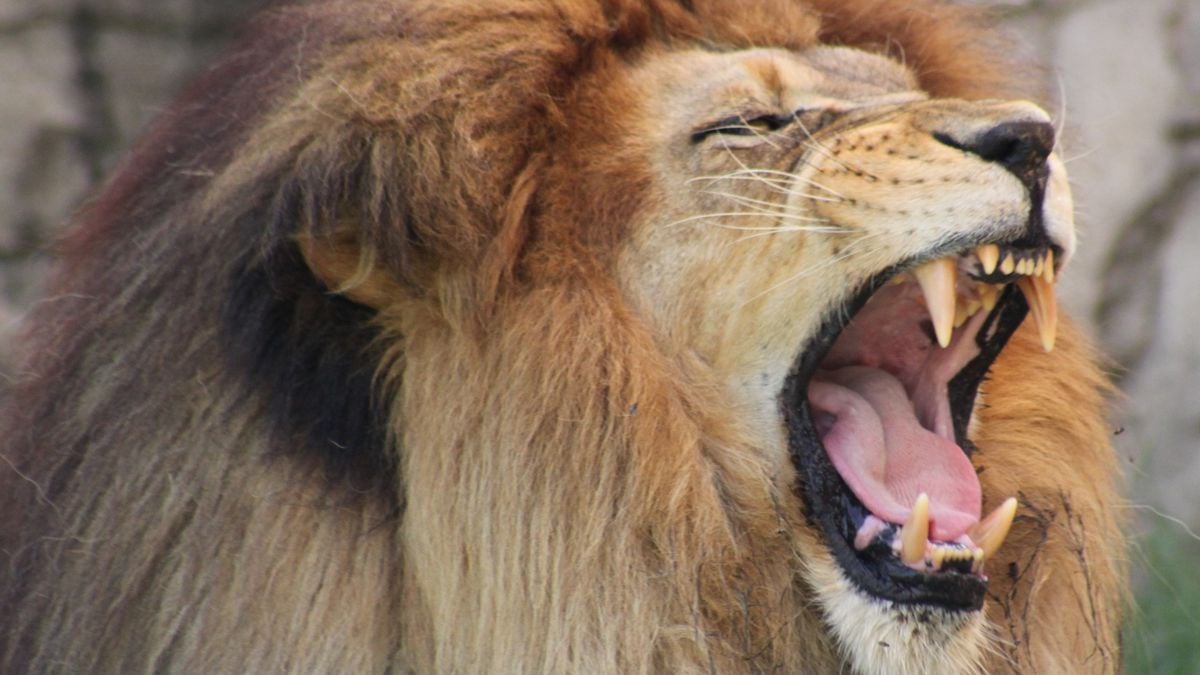
The article explores 32 of the loudest animals on Earth, ranging from the blue whale, which can emit calls up to 188 decibels, to the tiny African cicada, whose mating call reaches 107 decibels. It highlights the diverse ways these animals use their loud calls for communication, mating, and hunting, and includes fascinating details about each species' unique vocalizations and behaviors.
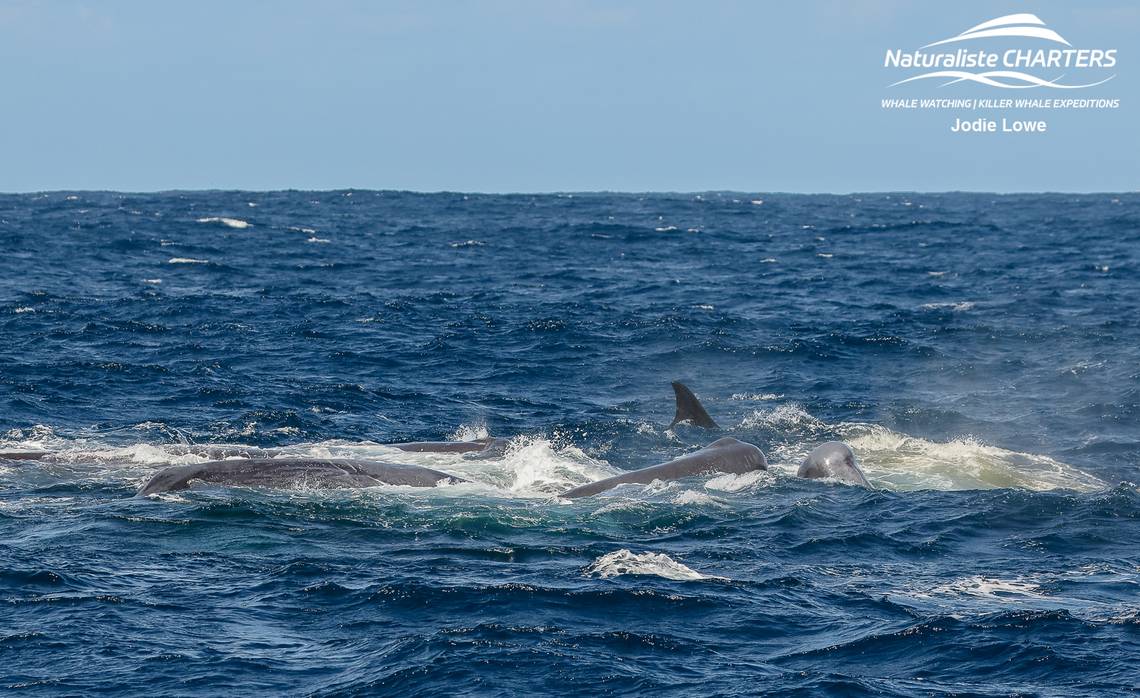
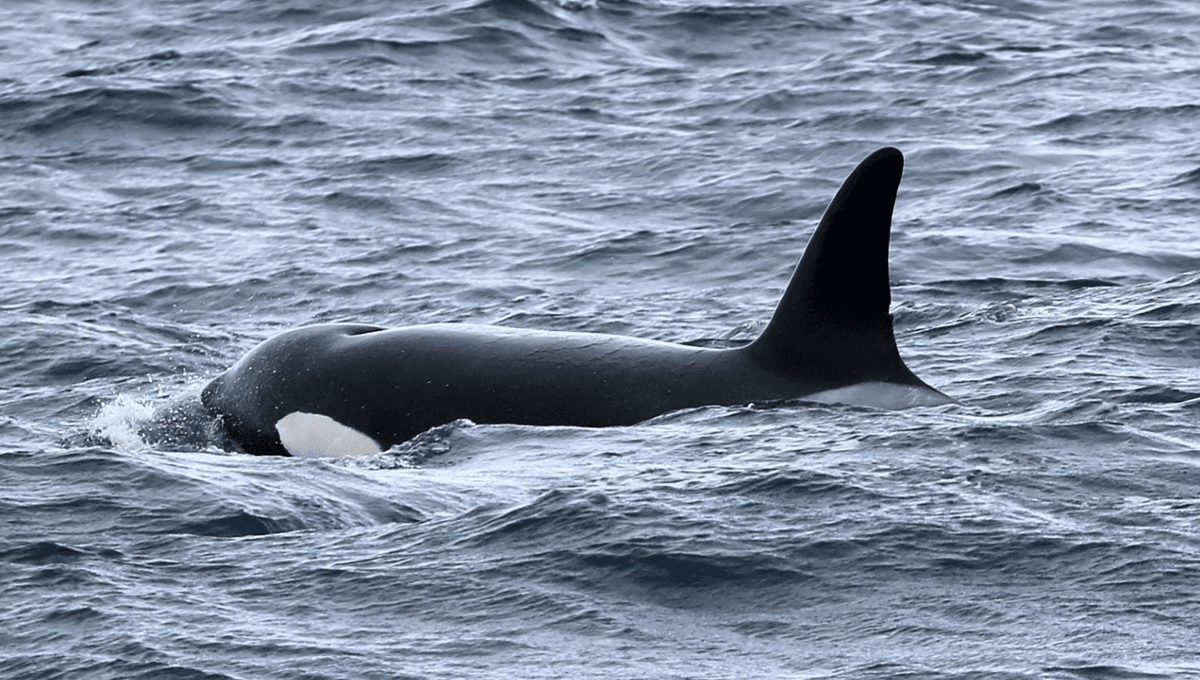
Tourists in Australia witnessed a rare and intense battle between orcas and sperm whales during a whale watching expedition. The orcas chased and attacked the sperm whales, leading to a dramatic and unexpected encounter. However, further analysis revealed that the sperm whales used a defensive tactic of releasing feces to deter the orcas, ultimately thwarting the attack. The event provided a unique and privileged insight into the behavior of these oceanic giants off the southwestern coast of Australia.
Tourists in Australia witnessed a rare and intense battle between orcas and sperm whales during a whale watching expedition. The orcas chased and attacked the sperm whales, leading to a dramatic and unusual encounter. However, further analysis revealed that the sperm whales used a defensive tactic of releasing feces to deter the orcas, and the orcas likely obtained squid rather than whale meat. The event provided a unique glimpse into the behavior of these "titans of the ocean" and highlighted the wild nature of the marine environment off the southwestern coast of Australia.
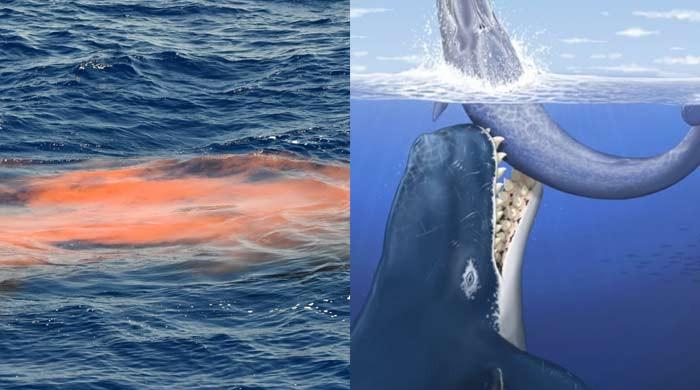
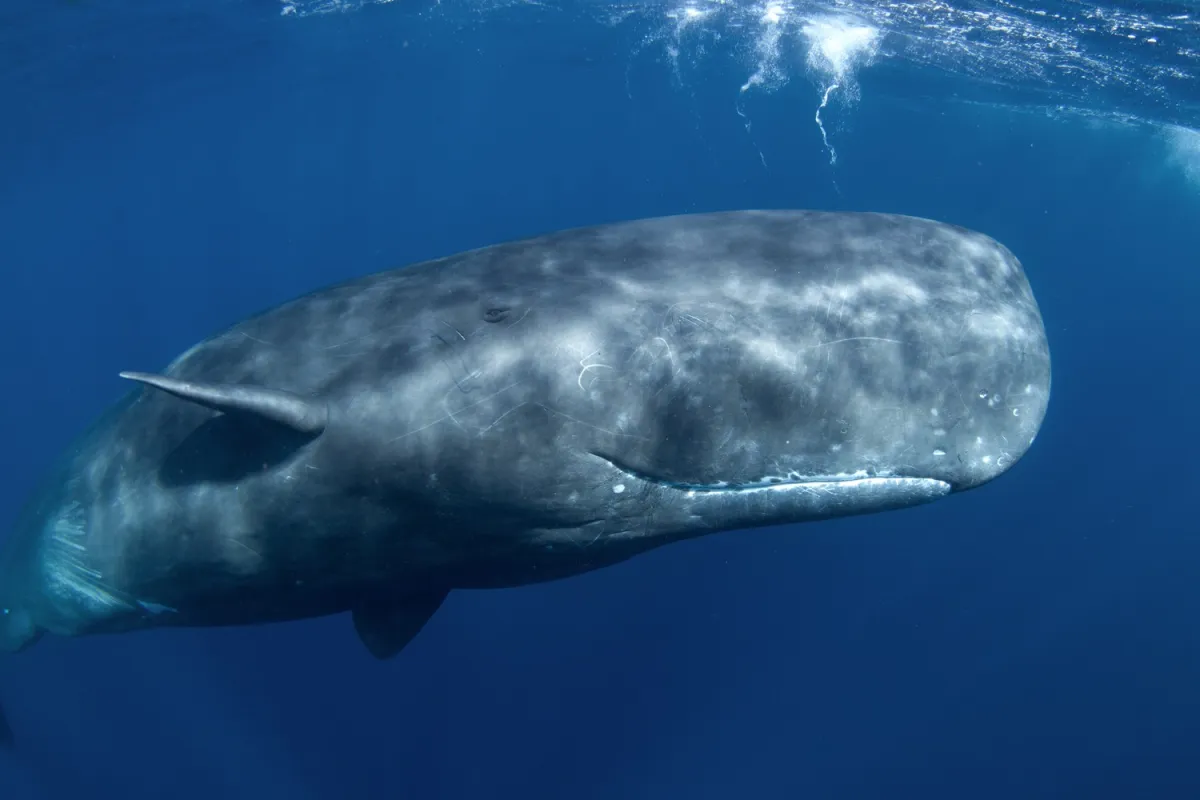
Sperm whales off the southern coast of Western Australia were observed using a unique defense tactic against hunting orcas by releasing a large cloud of watery, squid-filled feces, which is known as emergency or defensive defection. This tactic, believed to deter predators, was mistaken for blood at first due to the whales' squid-rich diet. While it may have been partially successful, the orcas were later seen with what appeared to be stolen chunks of giant squid, indicating that the defense mechanism may not have completely thwarted the hunting party.
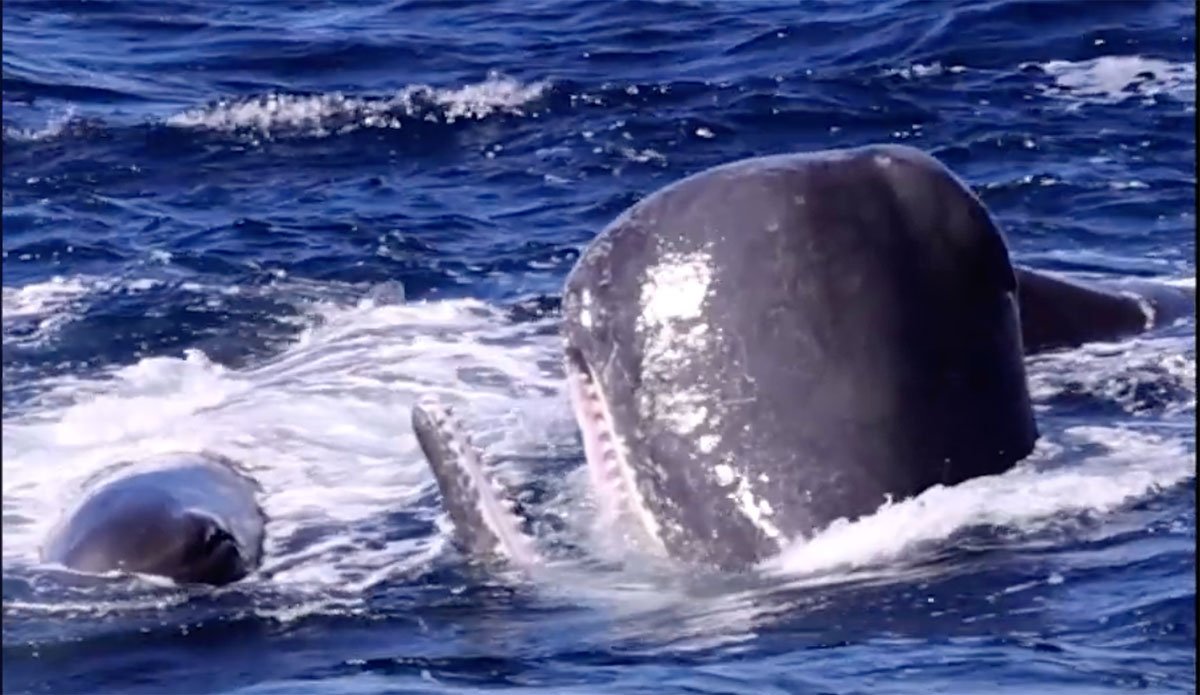
A group of sperm whales in Western Australia's Bremer Canyon defended themselves against a pod of at least 30 killer whales by forming a defensive rosette and unleashing a 'poonado' of diarrhoea, which successfully deterred the orcas. Marine biologists witnessed the extraordinary defense strategy, noting that the orcas abruptly retreated after being hit by the sperm whales' defensive defecation. This incident sheds light on the complex interactions and defensive tactics of marine creatures in the food chain.
Sperm whales off the coast of Western Australia were observed using a unique defense mechanism against a group of killer whales by releasing a large cloud of reddish-colored poop, known as "defense defecation." This strategy helped the sperm whale pod escape a potentially fatal attack by at least 30 killer whales, as the cloud of diarrhea confused and deterred the attackers. Marine biologists witnessed this rarely seen behavior during a whale-watching excursion in the Bremer Canyon.
Sperm whales in Western Australia used a rarely witnessed defense mechanism by releasing a large plume of poop to drive away a pod of orcas that were about to attack them. This strategy, known as "defense defecation," involved the whales forming a circle and fanning their tails to propel their excrement towards the orcas. The event, witnessed by scientists and tourists, helped the sperm whale pod escape the potential fatal attack, showcasing the whales' clever defense tactics in the face of adversity.
Sperm whales in Western Australia used a unique defense strategy by releasing a large cloud of reddish-colored poop to fend off an impending attack by a group of orcas. This rarely seen defense mechanism, known as "defense defecation," involved the whales forming a circle and fanning their tails to drive their excrement towards the orcas. The strategy worked, and the orcas swam off in search of fresher waters, showcasing the clever tactics employed by sperm whales in the face of potential threats.
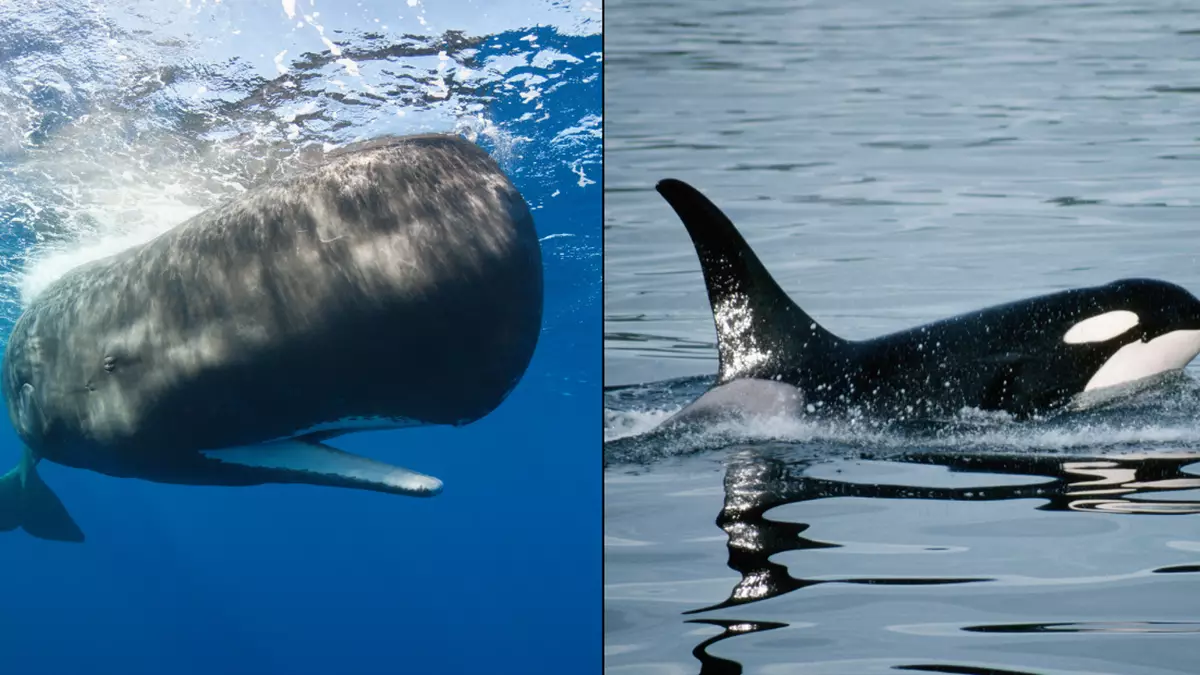
Sperm whales near the Australian coast successfully repelled a pod of orcas by releasing a "cloud of diarrhea," a defensive tactic witnessed by marine biologist Jennah Tucker. Initially mistaking the excretion for blood, Tucker and her team later realized the unusual defense mechanism had deterred the orcas, potentially saving the whales' lives. The incident is rare, as sperm whales are considered apex predators and typically immune to orca attacks.
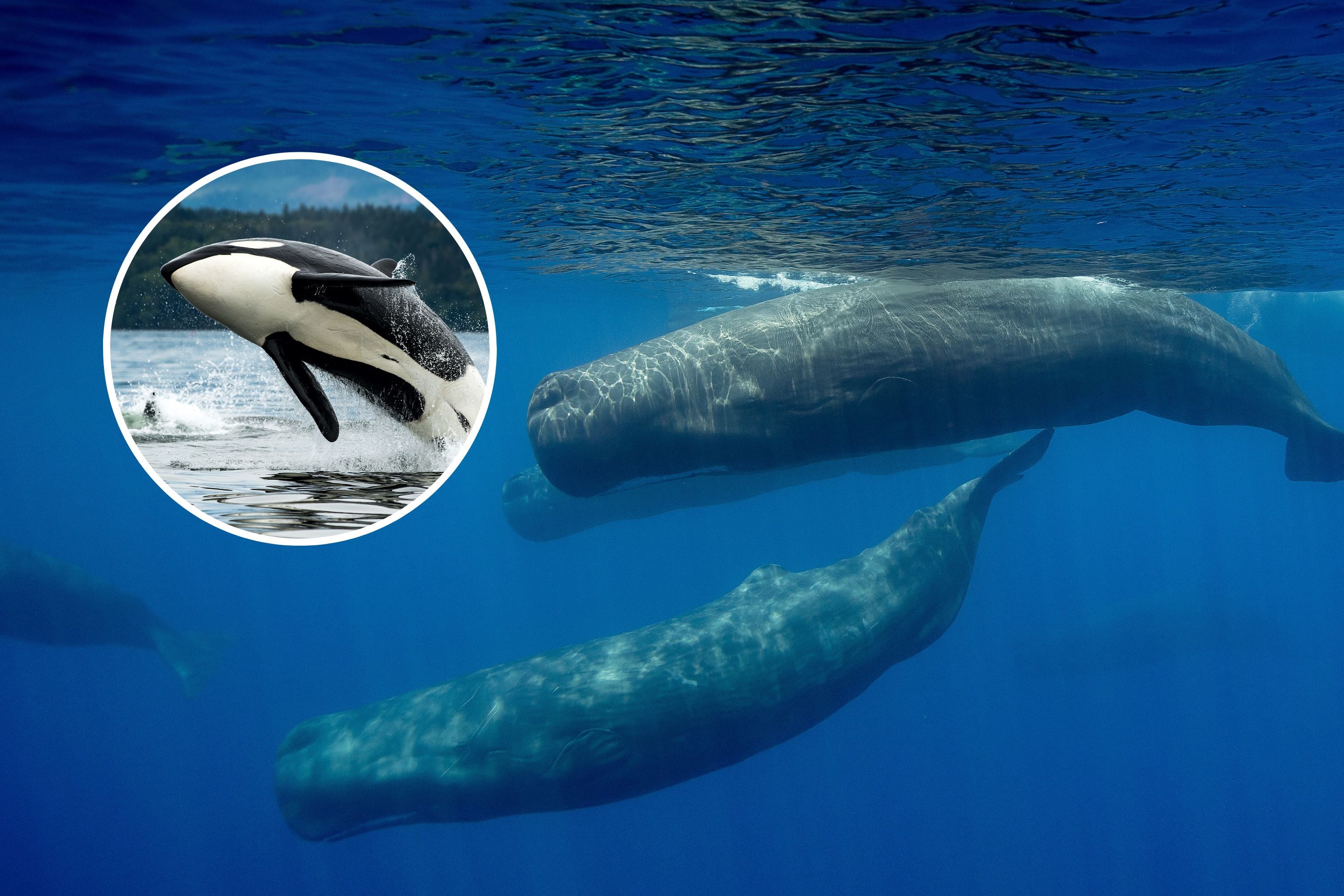
A group of sperm whales off the coast of Western Australia defended themselves from a pod of orcas by using a rare defense mechanism - they expelled a giant cloud of reddish-colored diarrhea, a tactic known as defensive defecation. The orcas, known for their diverse diet and cooperative hunting, were initially pursuing the exhausted sperm whales, but were deterred by the unusual defense tactic and the whales' close clustering in a rosette formation. This behavior, rarely observed, surprised marine biologists and onlookers, as sperm whales are typically considered apex predators and are rarely targeted by orcas.
A newly identified population of 49 killer whales off America's west coast has puzzled marine biologists with their mix of physical characteristics and fearless behavior, including attacking sperm whales, a northern elephant seal, and a turtle, while also carrying marks of frequent duels with sharks. The population, observed since 1997, exhibits traits associated with different orca populations, leading researchers to hypothesize that they may represent a distinct oceanic subpopulation or an undescribed oceanic population feeding on marine mammals and sea turtles in the open ocean beyond the continental shelf break.
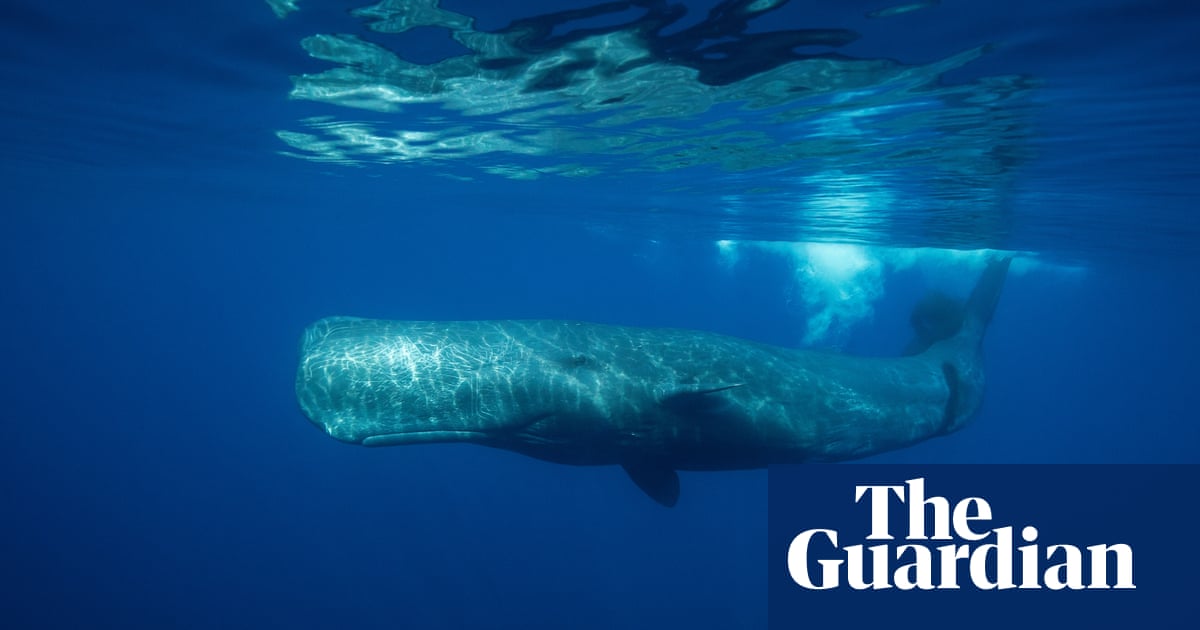
Scientists studying whale vocalizations have discovered previously unknown elements that resemble human speech. Researchers from the University of California, Berkeley found that the acoustic properties of sperm whale clicks, such as pitch, are analogous to human vowels and dipthongs. They identified two unique "coda vowels" that are actively exchanged in conversation between whales. The discovery was made after an AI model predicted meaningful elements in whale vocalizations, which were then confirmed through analysis of a dataset of recorded sperm whale codas. The researchers argue that whales are capable of controlling the frequency of their vocalizations.
Researchers at US Berkeley have used artificial intelligence to analyze whale clicks and found that they are similar to human vowels and dipthongs, suggesting that whale communication is more complex than previously thought. The study identified two unique "coda vowels" that are actively exchanged in conversation between whales. The findings could lead to a better understanding of whale language and communication.
Dominica is creating the world's first marine protected area for sperm whales, designating nearly 300 sq miles of waters as a reserve to protect the endangered species and fight the climate crisis. Sperm whales in Dominica defecate near the surface, creating nutrient-rich poop that leads to plankton blooms, capturing carbon dioxide. The reserve aims to ensure the safety of these majestic animals and maintain a healthy marine ecosystem. The move was praised by scientists and conservationists, highlighting Dominica's commitment to protecting its natural resources.
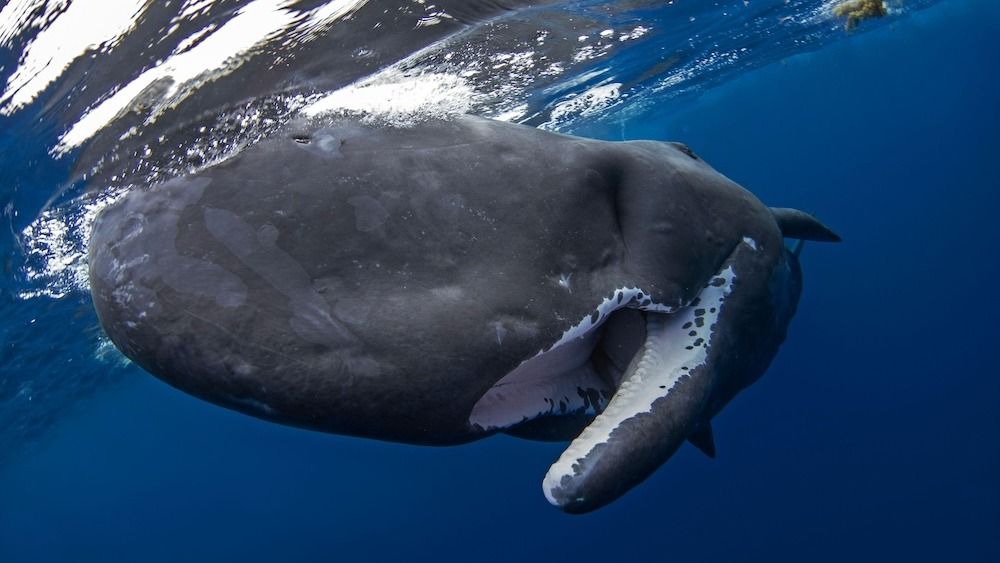
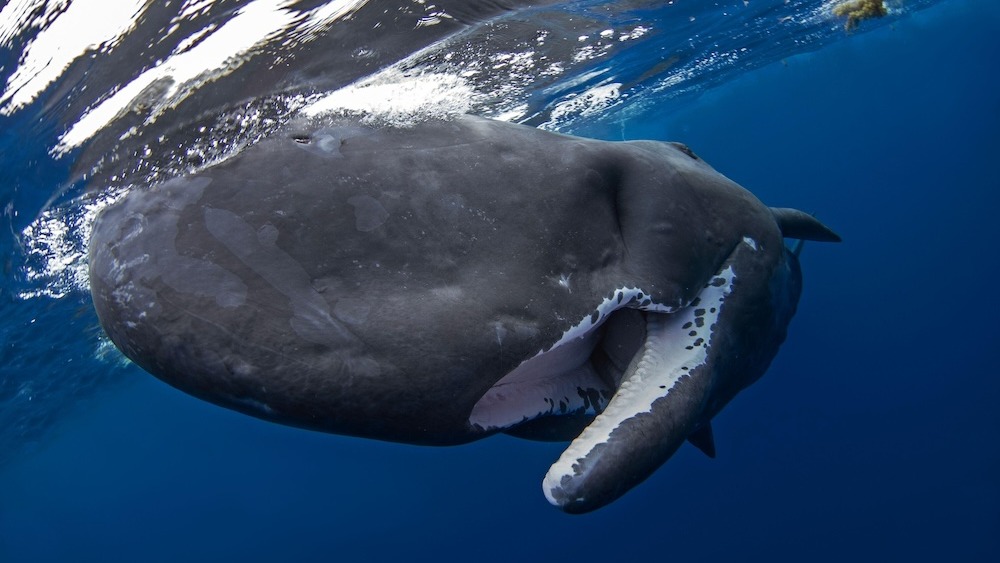
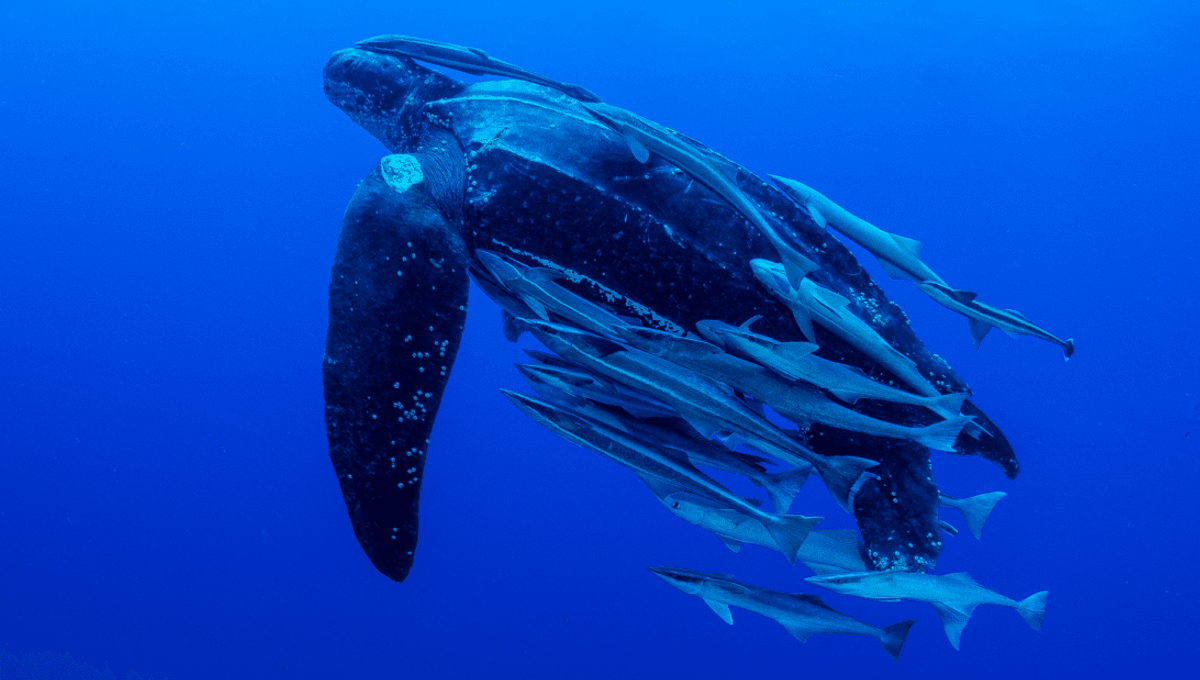
The ocean is home to a variety of animals that can dive to extreme depths. Some of the deepest diving animals include Emperor penguins, which can swim down to 500 meters and lower their heart rate to avoid decompression sickness; Leatherback turtles, which can dive to 1,200 meters and use gliding techniques to avoid the bends; Whale sharks, the largest fish, which have been recorded diving to 1,928 meters and may forage in the deep scattering layer; Sperm whales, which can dive to 2,250 meters and have specialized adaptations to withstand the pressure; and Cuvier's beaked whales, which hold the record for the deepest dive at 2,992 meters and can shut down certain organs to survive on long dives.