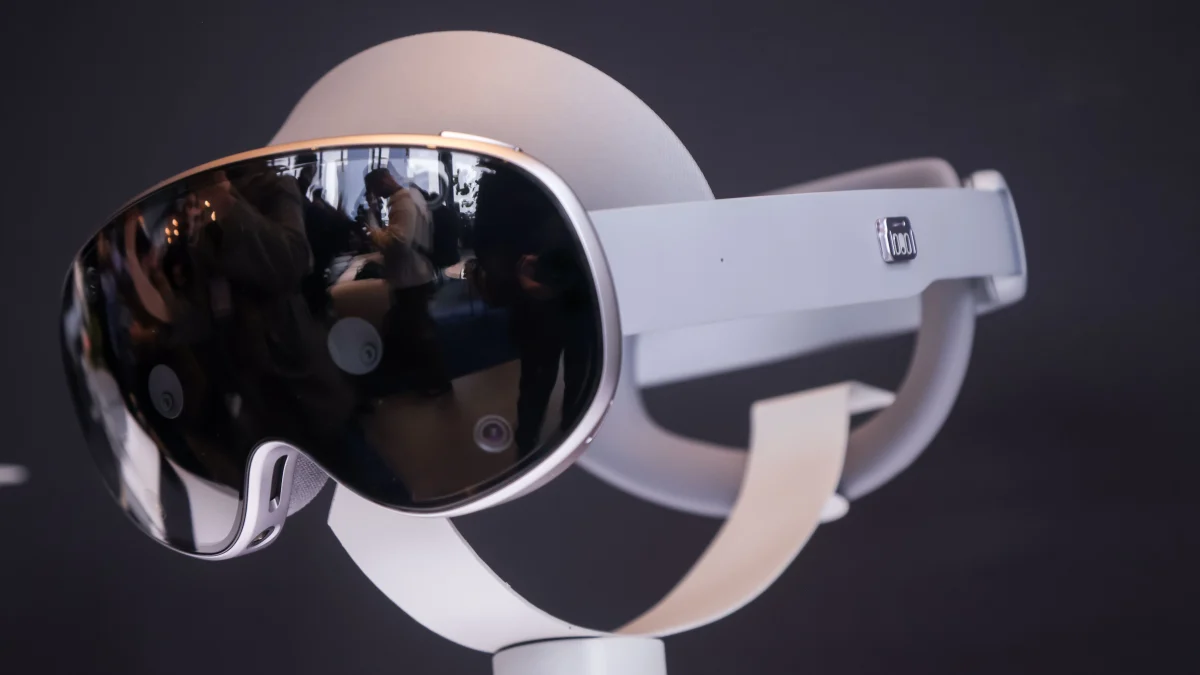
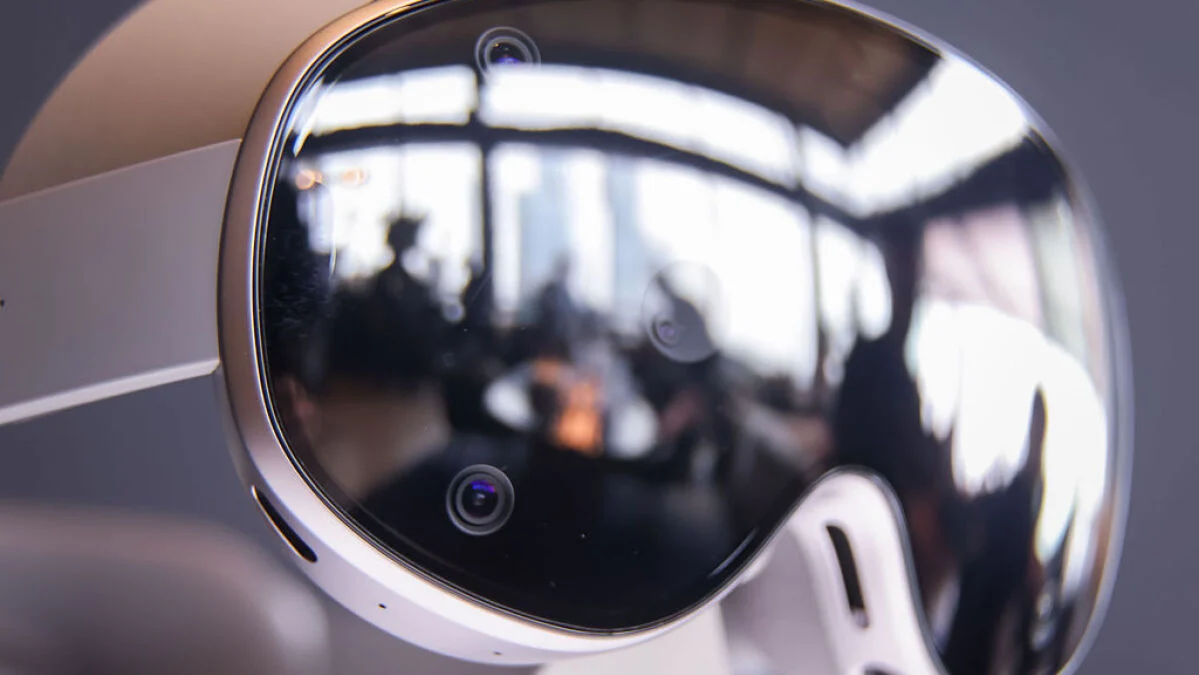
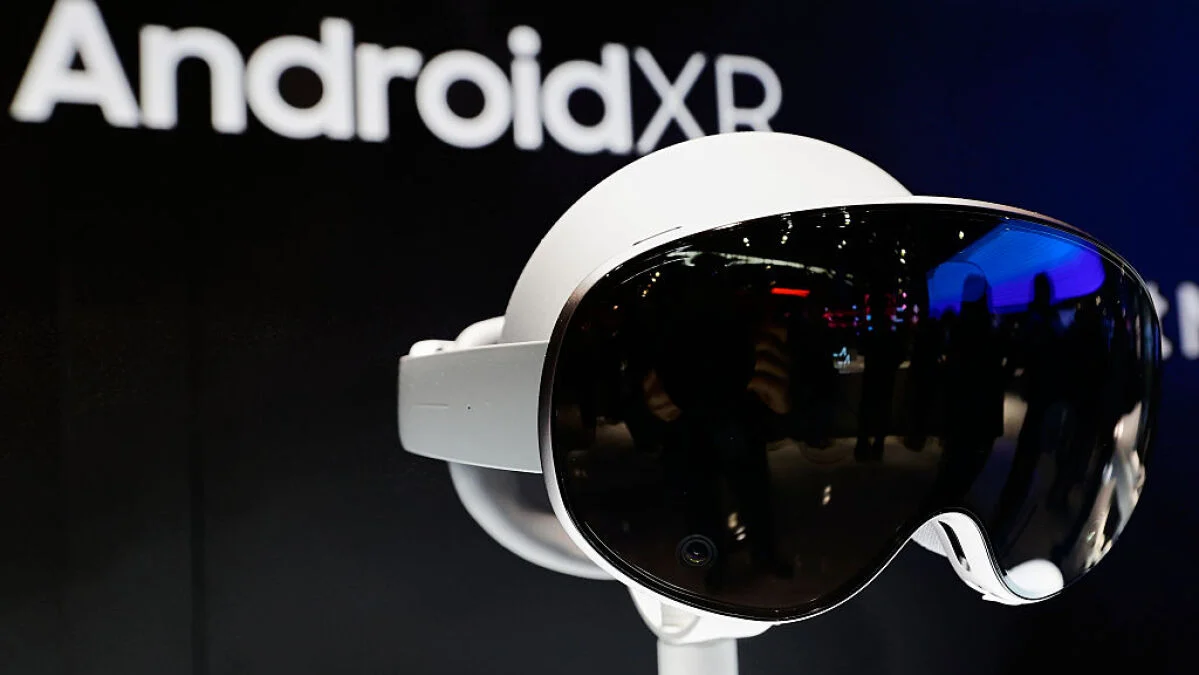
The Samsung Galaxy XR, a new VR headset, is priced at $1,799.99 and offers superior display resolution and lighter weight compared to the Apple Vision Pro, which costs $3,499. The Galaxy XR features a Snapdragon XR2+ Gen 2 chipset, Google’s Android XR OS, and dual controllers, while the Vision Pro boasts a more powerful M5 chip, higher refresh rate, and exclusive visionOS. Both headsets have similar battery life and eye/hand tracking capabilities, but differ in design, operating system, and price, positioning the Galaxy XR as a more affordable yet high-spec alternative to the premium Apple Vision Pro.
Samsung has launched the Galaxy XR, a high-end VR headset priced at $1,799, featuring OLED displays, eye tracking, and a Snapdragon XR2+ Gen 2 chipset, targeting enthusiasts. In contrast, Meta's Quest 3 is more affordable at $499, with LCD displays, slightly lower specs, and a broader consumer focus. The two devices differ significantly in price, display technology, and features, making them suitable for different audiences.
Samsung's upcoming Project Moohan XR headset, potentially called Galaxy XR, is rumored to feature 4K micro-OLED displays with more pixels than the Apple Vision Pro, a lighter weight of 545 grams, and dual motion controllers, aiming to compete strongly in the XR space. However, it may have shorter battery life compared to the Vision Pro, and its comfort and weight distribution could be advantageous. The device is expected to launch soon, with full specs yet to be officially confirmed.
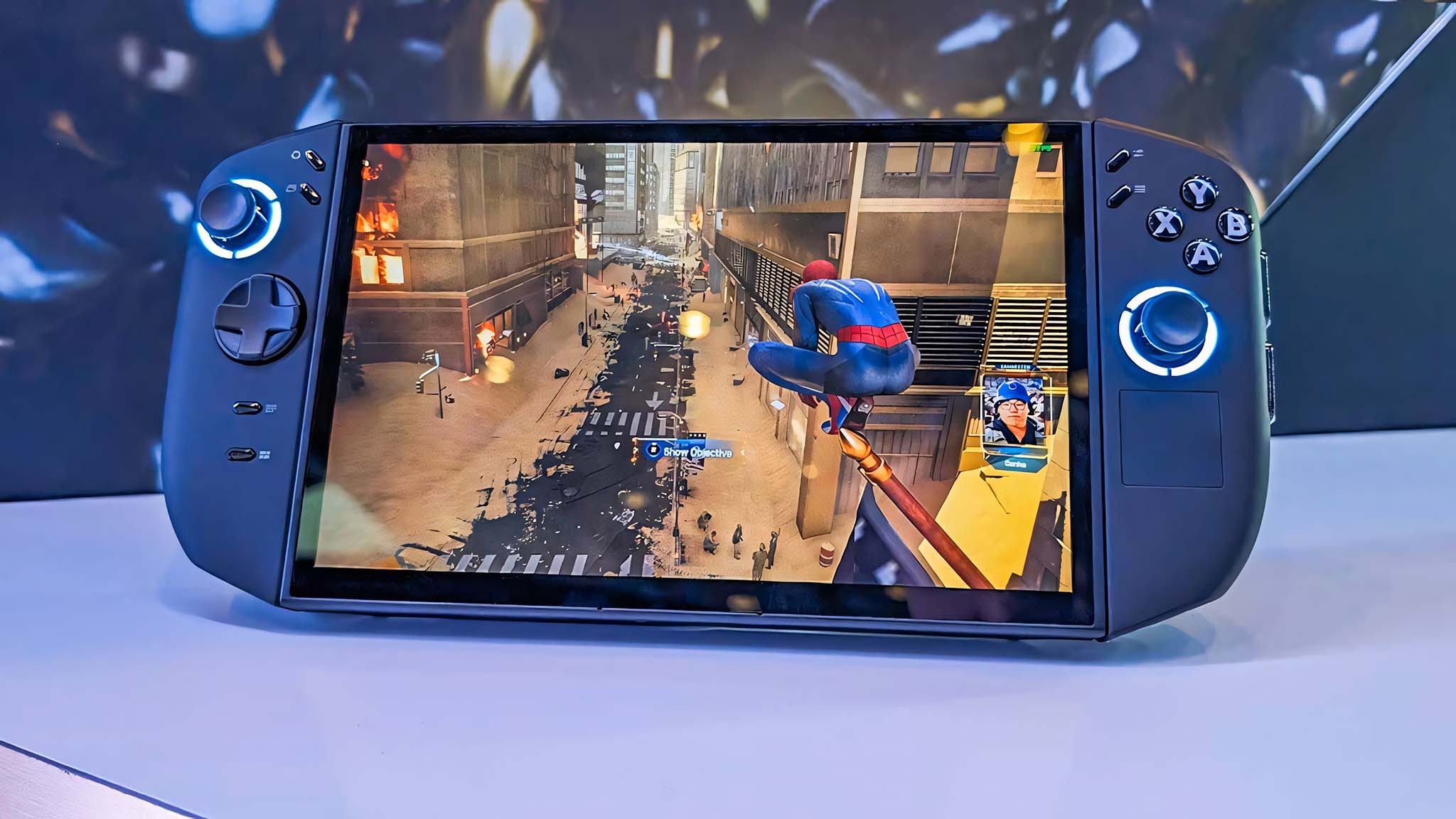
The ROG Xbox Ally X and Lenovo Legion Go 2 are premium gaming handhelds with distinct features: the Xbox Ally X offers a more comfortable grip and Xbox interface, while the Legion Go 2 boasts a larger, OLED display with higher refresh rate and detachable controllers. The Legion Go 2 is likely more expensive, but provides a better display and more versatile controls, making it suitable for users seeking high-end features. Pricing and availability are expected in October 2025, with the Legion Go 2 starting at around $1,049.
The Samsung Galaxy Z Fold 7 and Google Pixel 10 Pro Fold are high-end foldable smartphones with notable differences in design, specs, and features. The Z Fold 7 is thinner and lighter, with a slightly smaller battery but a more advanced chipset, while the Pixel 10 Pro Fold offers a higher peak brightness, more RAM, and a better optical zoom camera. Price-wise, the Pixel is slightly cheaper, and both devices feature AI capabilities and advanced camera systems, though Samsung's camera boasts a higher megapixel main sensor.
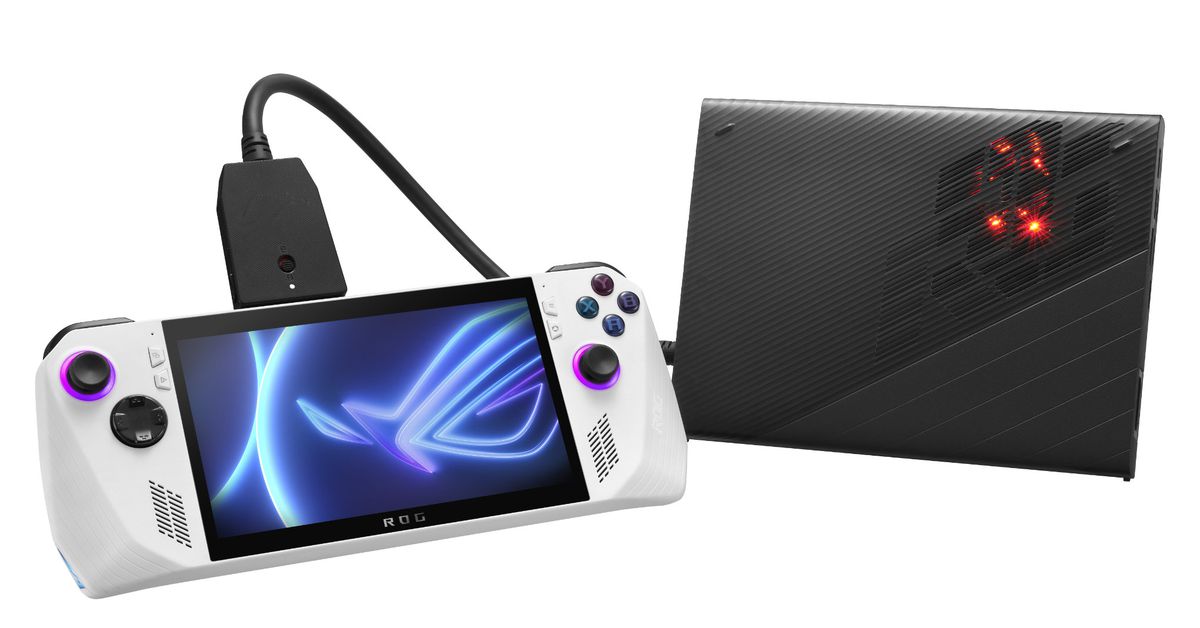
The Asus ROG Ally, a portable gaming PC, boasts impressive specs and features that set it apart from its biggest competitor, the Steam Deck. It features a faster UHS-II microSD card slot, runs Windows 11 software out of the box, and has eGPU support. The table comparison shows the differences in price, operating system, display, processor, RAM, storage, connectivity, ports, biometrics, and battery capacity between the two devices.
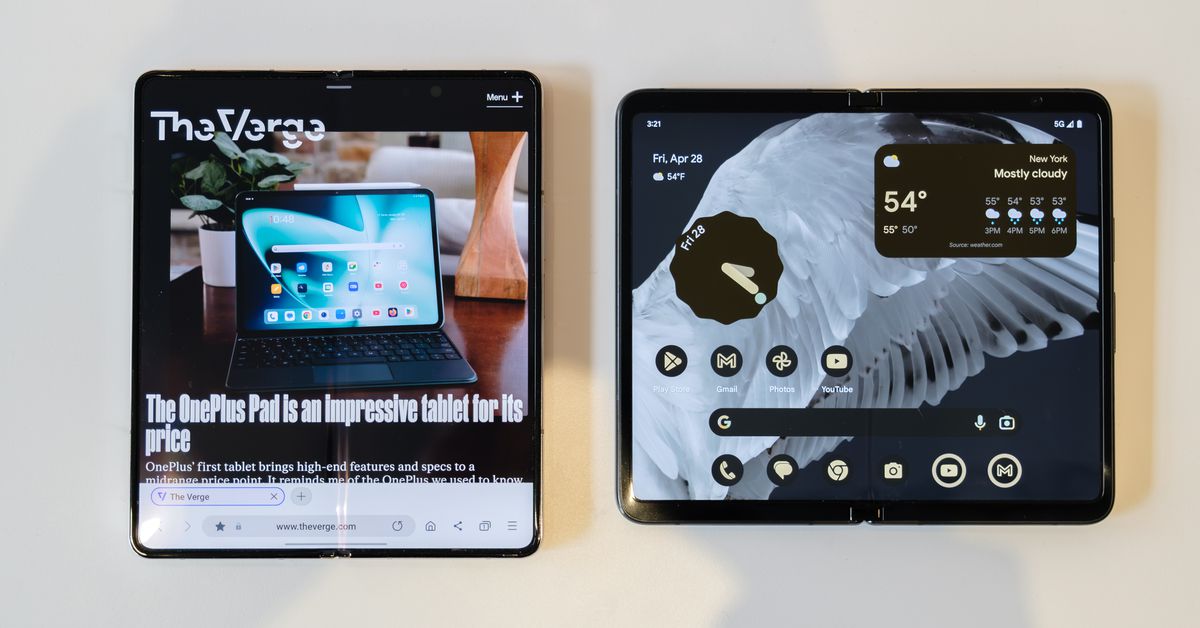
Google has announced its first foldable phone, the Pixel Fold, which shares similarities with Samsung's Galaxy Z Fold 4. The two phones differ in size and proportions, with the Pixel Fold having a wider outer screen and a more squat stance when unfolded. The internal screens are both 7.6-inch OLEDs, but the Galaxy Z Fold 4 has a larger main sensor for better low-light performance, while the Pixel Fold has a larger battery capacity. The phones also differ in processors and stylus support. The Pixel Fold is priced at $1,799.99 and will be available in late June.