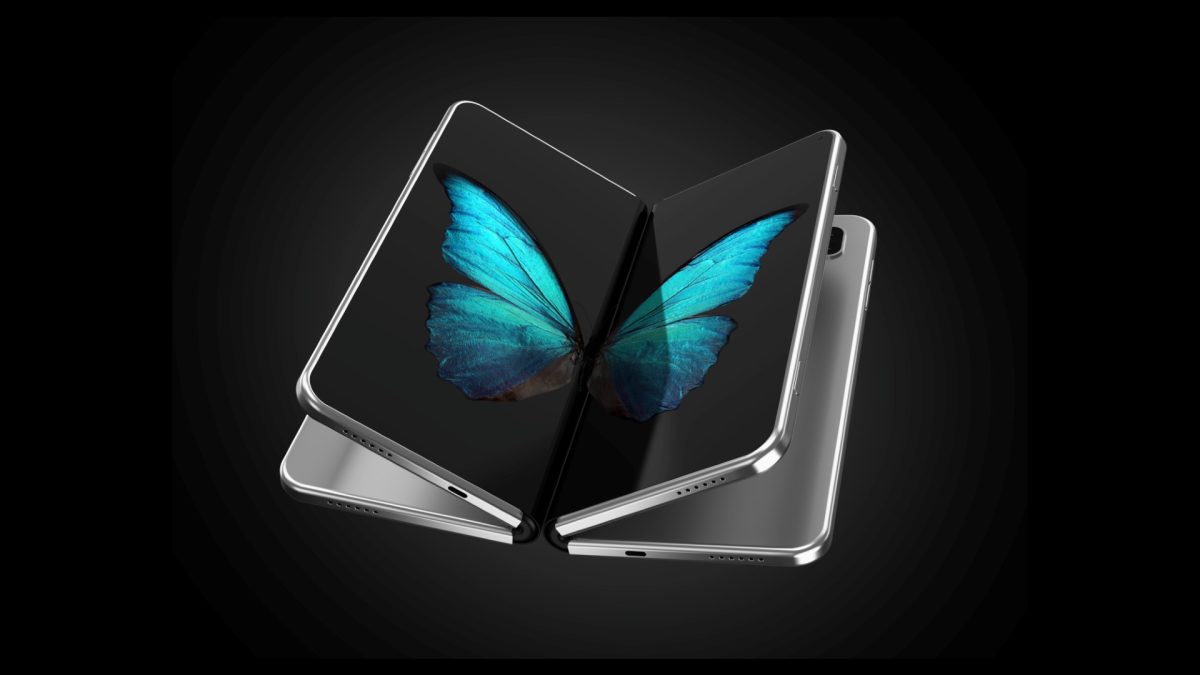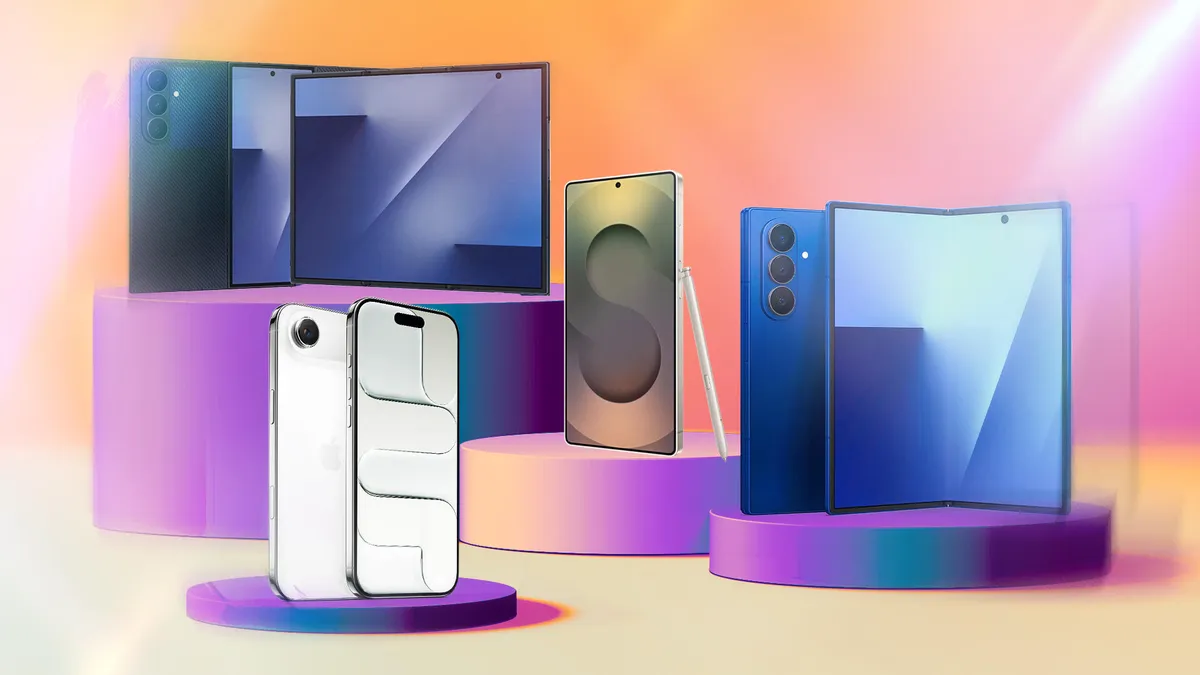
The article discusses the current trend of slim phones from Apple and Samsung, which, despite their popularity at events, have underwhelming sales due to drawbacks like reduced camera quality and battery life. These slim devices are seen as a stepping stone toward more innovative foldable phones, which are expected to see significant growth in shipments by 2026, driven by companies like Samsung and potentially Apple, as they push the boundaries of mobile design and functionality.

Amazon is offering a significant $415 discount on the unlocked Galaxy Z Fold 7 during Prime Day, reducing the price to $1,704.99 for the Blue Shadow model, making it one of the best cash discounts available. The deal is straightforward, with no trade-ins or bundles required, and is part of Amazon's 2025 Prime Big Deal Days sale.
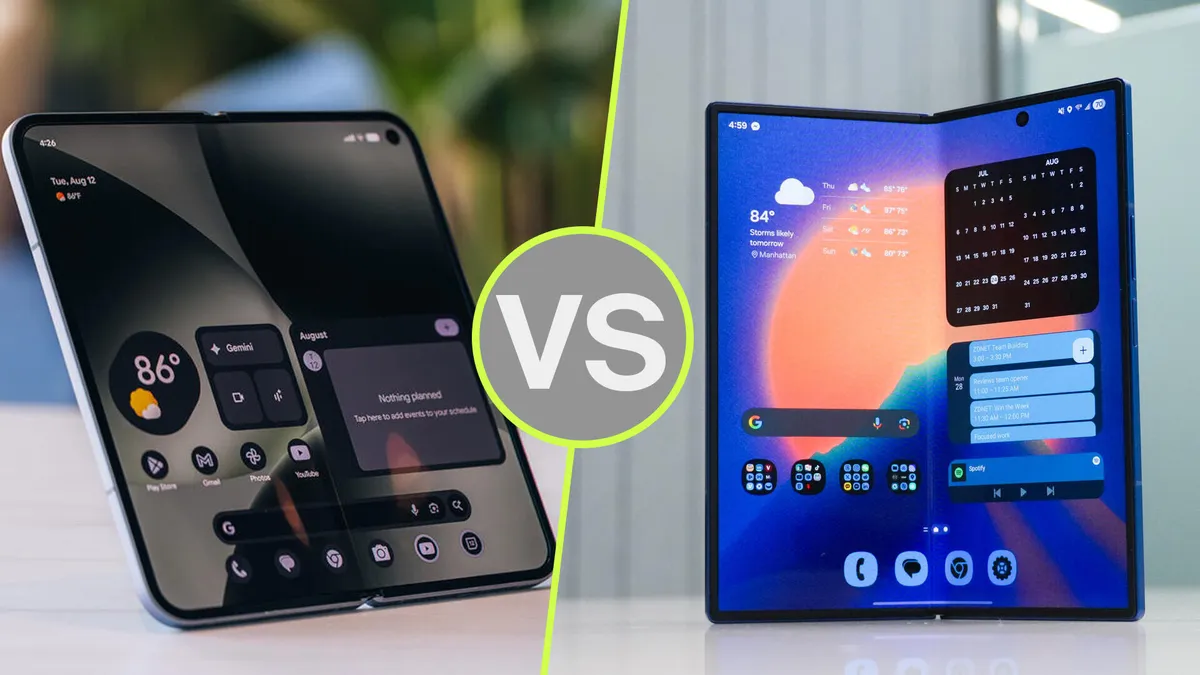
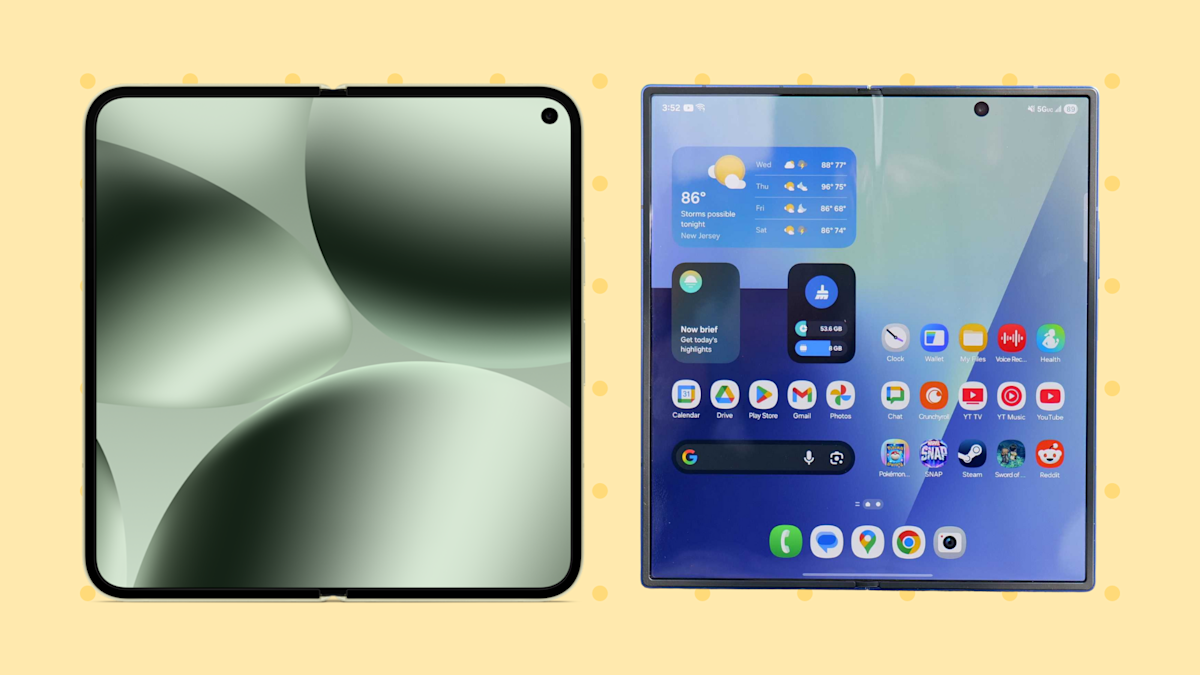
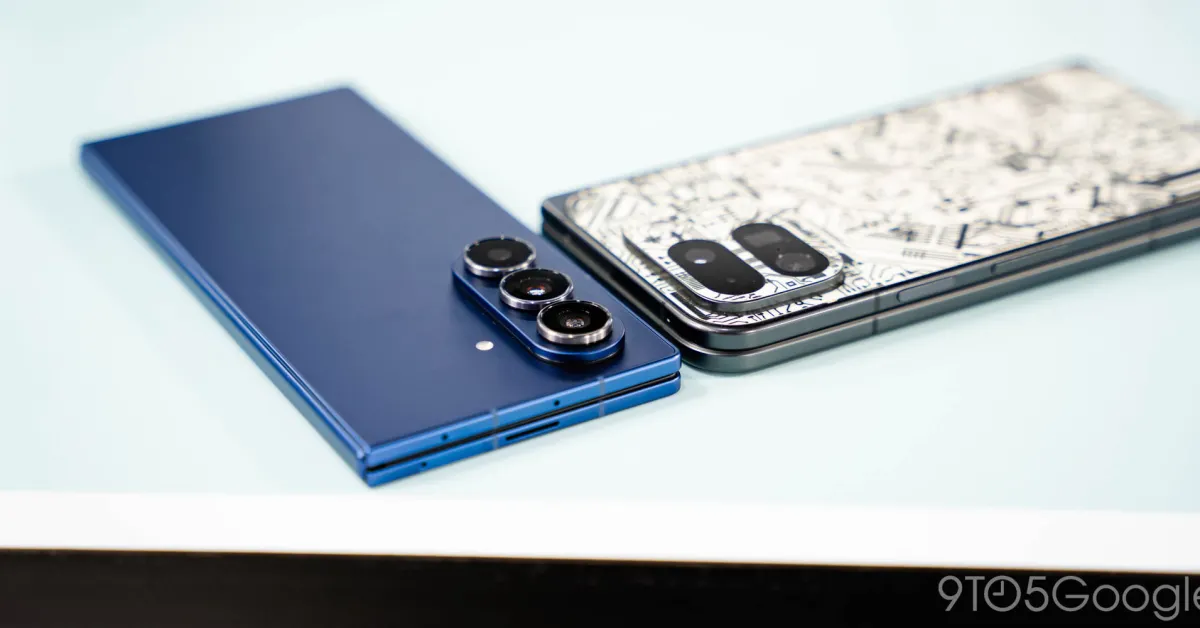
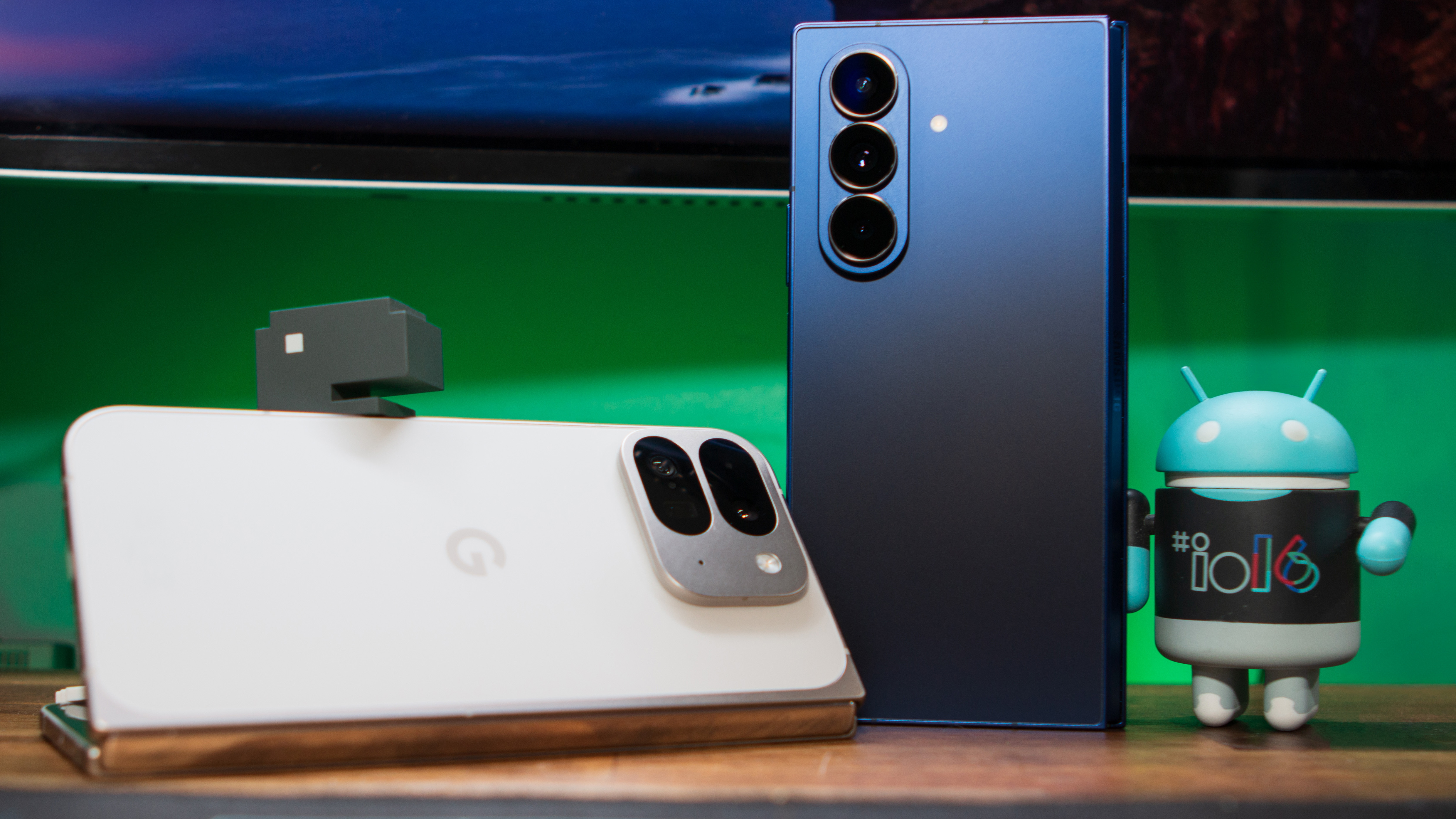
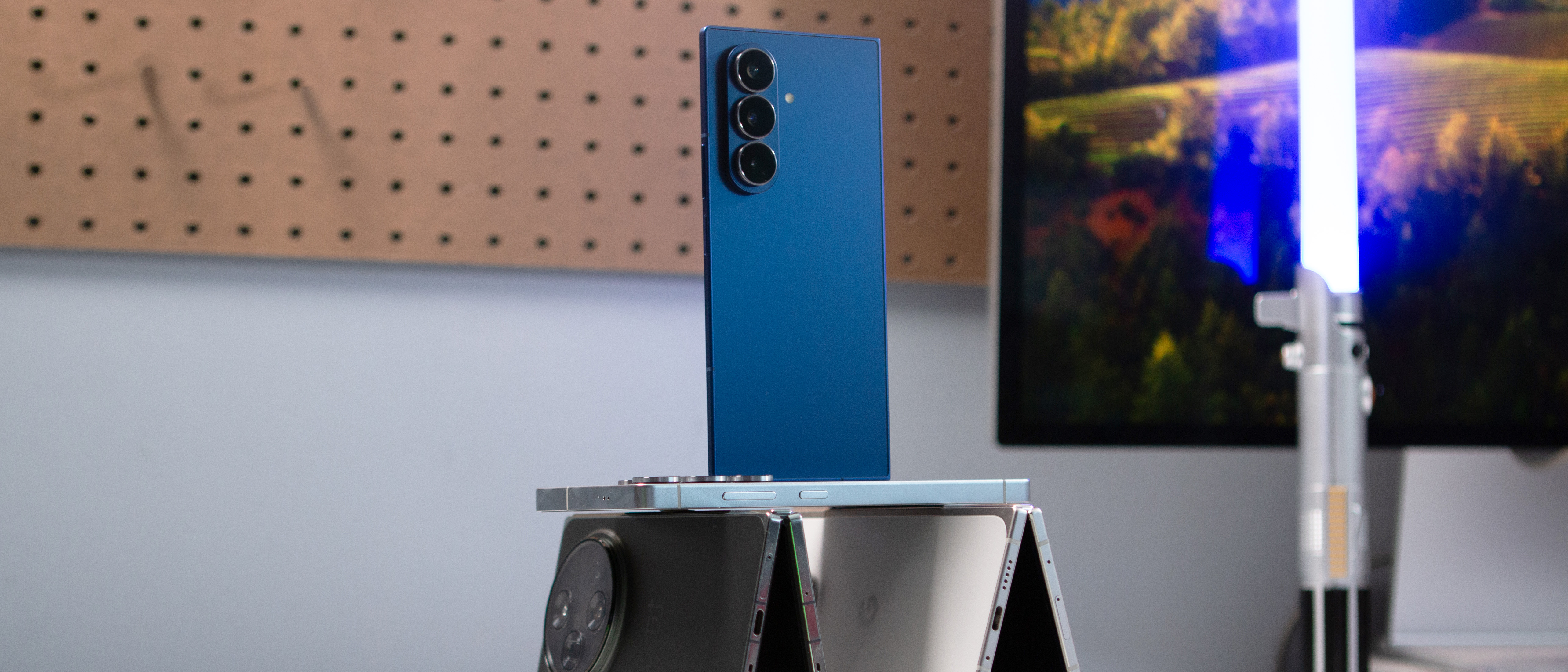
The Google Pixel 10 Pro Fold and Samsung Galaxy Z Fold 7 are both excellent foldable phones, but the Pixel is better for dust-prone environments, iPhone switchers, and AI enthusiasts, while the Galaxy offers a slimmer design, fewer creases, and a better deal, making it the preferred choice for those prioritizing design and price.
In Q2 2025, Motorola's Razr (2025) outperformed Samsung's foldables in shipments, capturing 28% of the global market compared to Samsung's 9%, driven by strong sales in the US and China, despite Samsung's new Galaxy Z Fold 7 and Z Flip 7 also performing well. The foldable market is growing, with overall shipments up 45% YoY, and Motorola's success marks a significant shift in the competitive landscape.
The Samsung Galaxy Z Fold 7 and Google Pixel 10 Pro Fold are high-end foldable smartphones with notable differences in design, specs, and features. The Z Fold 7 is thinner and lighter, with a slightly smaller battery but a more advanced chipset, while the Pixel 10 Pro Fold offers a higher peak brightness, more RAM, and a better optical zoom camera. Price-wise, the Pixel is slightly cheaper, and both devices feature AI capabilities and advanced camera systems, though Samsung's camera boasts a higher megapixel main sensor.
The Google Pixel 10 Pro Fold competes with the Samsung Galaxy Z Fold 7 by offering industry-first dust resistance (IP68), better compatibility with iPhone accessories via PixelSnap, and a lower price, making it ideal for dust-prone environments, iPhone switchers, and budget-conscious buyers. Meanwhile, the Galaxy Z Fold 7 excels in slimness, minimal crease, polished AI features, and is available now, making it suitable for those prioritizing design and AI polish. Both phones are promising options, with the Pixel 10 Pro Fold launching in October.
The Pixel 10 Pro Fold and Samsung Galaxy Z Fold 7 are competing for the top spot in foldable smartphones, with the Pixel being less expensive and featuring a new Super Actua Flex OLED display, while the Galaxy Z Fold 7 offers a slightly larger display, lighter weight, and more color options. The Pixel 10 Pro Fold boasts a more powerful battery and AI integration, whereas the Galaxy Z Fold 7 has a proven track record with refined design and performance. Both phones offer high-end specs, but differ in price, design, and features, making the choice dependent on user preferences.
A user switches from Pixel to Samsung Galaxy Z Fold 7, praising the hardware and software improvements but frustrated by Samsung's neglect of the notification history feature, which remains buried and non-functional, highlighting a key difference in Android experiences.
A YouTube experiment folding the Samsung Galaxy Z Fold 7 200,000 times by hand revealed that the phone's hinge and design couldn't withstand extensive use, with issues like rebooting, creaking, leaking liquid, and speaker failure, highlighting a gap between lab durability tests and real-world performance.
The upcoming iPhone 17 Air is rumored to be a thinner, 5.5mm device that could hint at Apple's future foldable phones, following industry trends set by Samsung. This move may allow Apple to capitalize on the slim phone trend and potentially pave the way for a foldable iPhone, possibly launching in 2026, while also addressing consumer demand for innovative, lightweight devices. The strategy mirrors Samsung's approach of first releasing slim phones before foldables, aiming to strengthen Apple's position in the evolving smartphone market.
The Pixel 10 Pro Fold is expected to be similar in design to its predecessor but with notable internal upgrades like a larger battery, improved wireless charging, and IP68 water resistance, without aiming to compete on thinness with Samsung's Galaxy Z Fold 7, and is likely to be priced at $1,799, offering a compelling alternative in the foldable market.
Apple is delaying its foldable iPhone until late 2026 to allow the market to mature, following Samsung's successful launch of the Galaxy Z Fold 7 and Flip 7, which have demonstrated strong consumer demand and technological improvements like crease-free displays. Apple is leveraging proven technology and refining its design to offer a durable, crease-free foldable device with exclusive software features, entering the market at an optimal time.
A user tested replacing their laptop with the Samsung Galaxy Z Fold 7 using Samsung DeX, connecting it to a monitor and peripherals. While setup was easy, using the phone as a mouse and keyboard was uncomfortable and impractical, and battery life was a major issue. Overall, the phone can function as a PC with accessories, but it’s not a viable full replacement for a laptop due to usability and portability concerns.
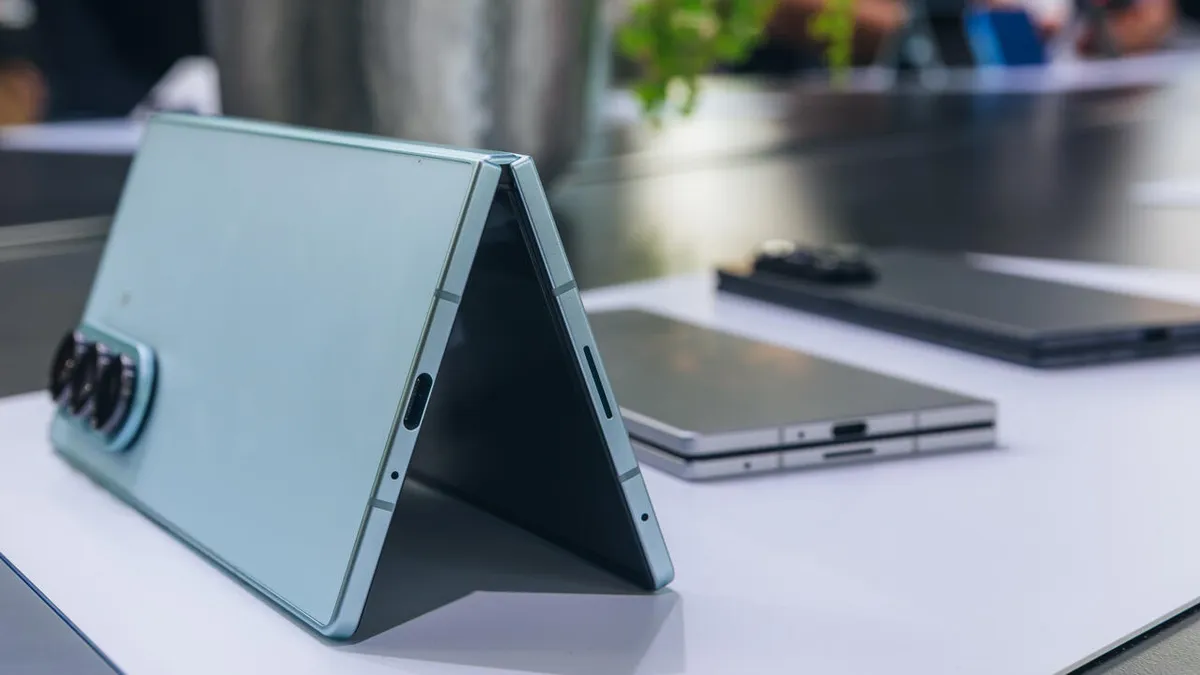
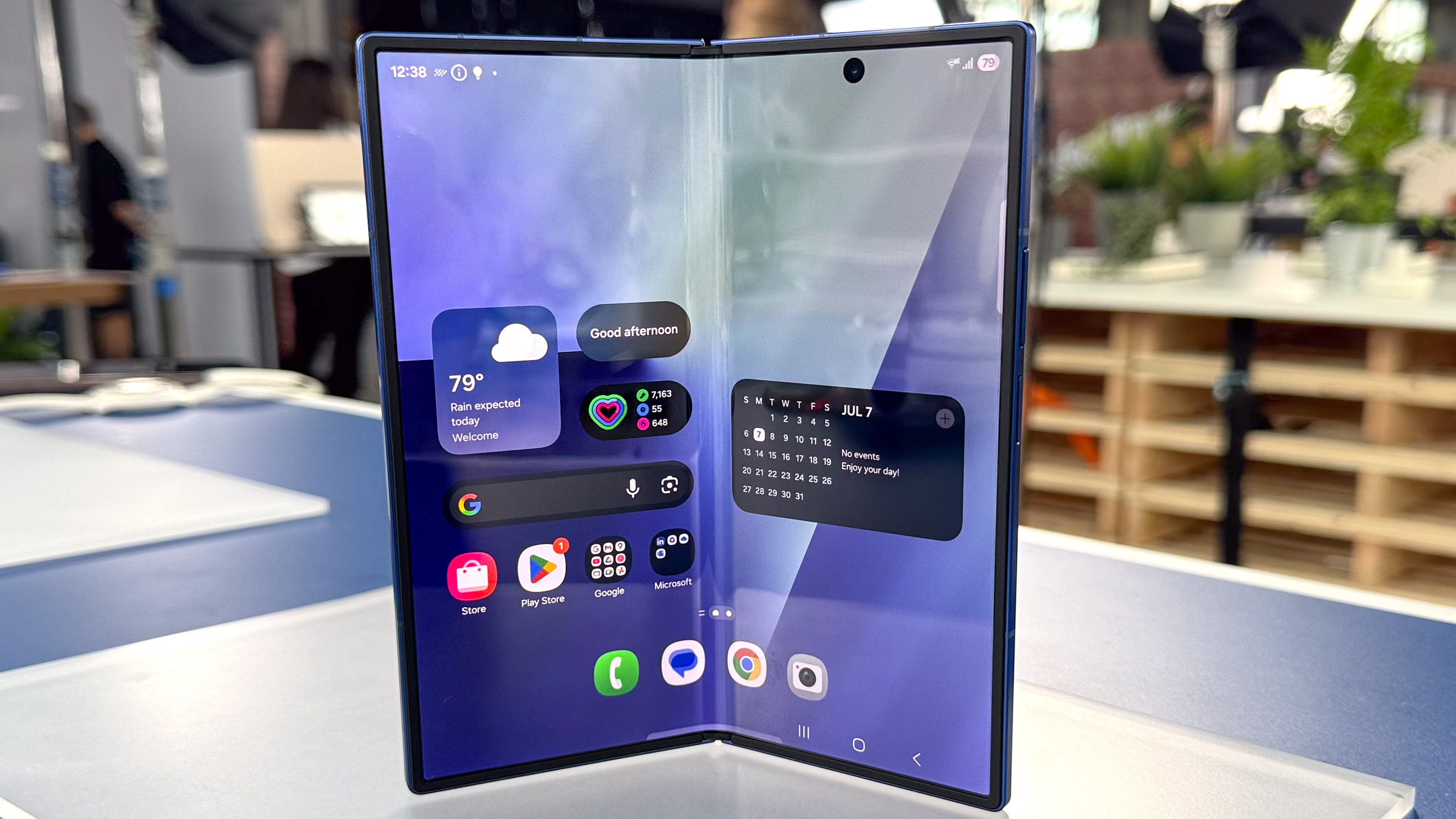
The Samsung Galaxy Z Fold 7 introduces a new, slim design with larger displays, a top-tier camera, and strong performance, but sacrifices include reduced battery size and no S Pen support. Despite some drawbacks, it is highly recommended as the best foldable phone in North America, offering a sleek, modern, and functional experience.
The Samsung Galaxy Z Fold 7 impresses with its ultra-thin design and strong battery life, but falls short in camera quality, app compatibility, and usability issues, making it a mixed bag despite its innovative form factor and high price.