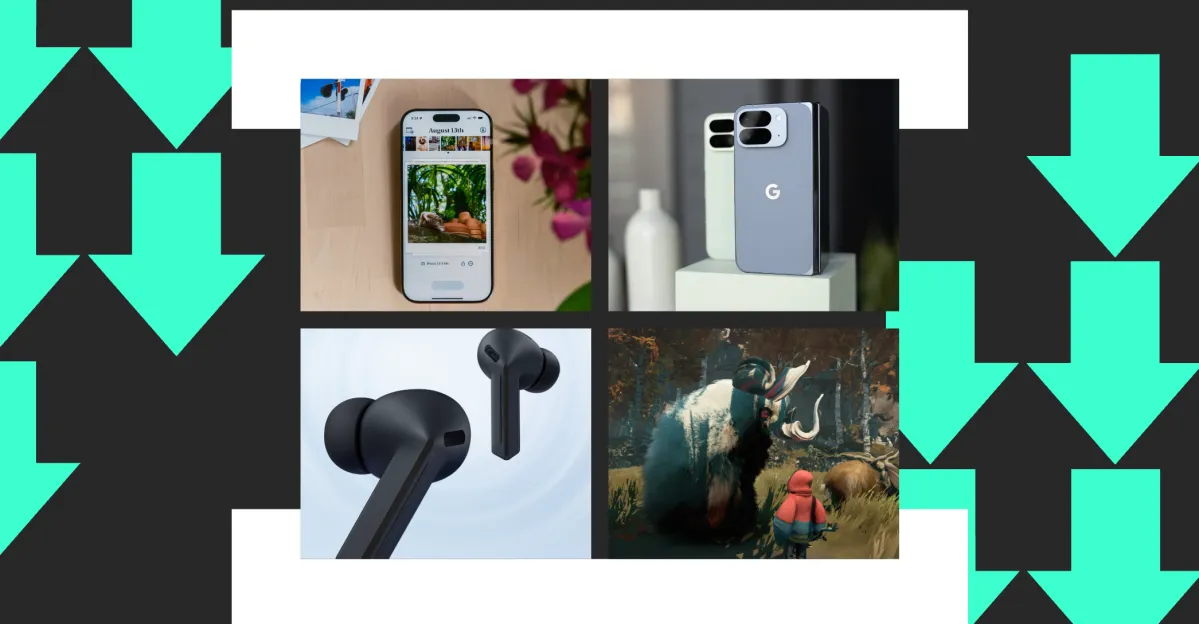
This week's tech highlights include Google's new Pixel Fold with improved durability, the Pixel Watch 4 designed for easier repairs, new Samsung earbuds, and a chill indie game, all featured in The Verge's Installer newsletter.
Amazon Prime Day offers significant discounts on Google Pixel smartphones, including the Pixel 7A for $249 and the Pixel Fold at its lowest price ever. Other deals include the Pixel 8A, Pixel 8, and Pixel 8 Pro, along with discounts on Pixel Buds and the Pixel Watch 2.
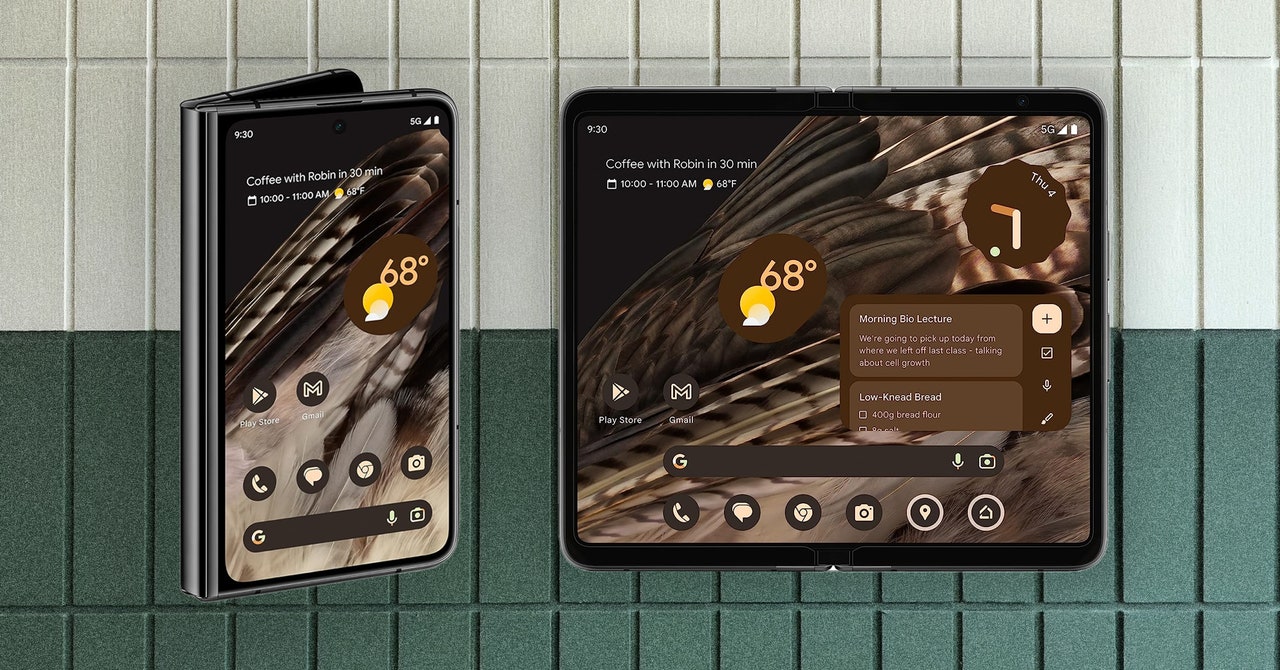
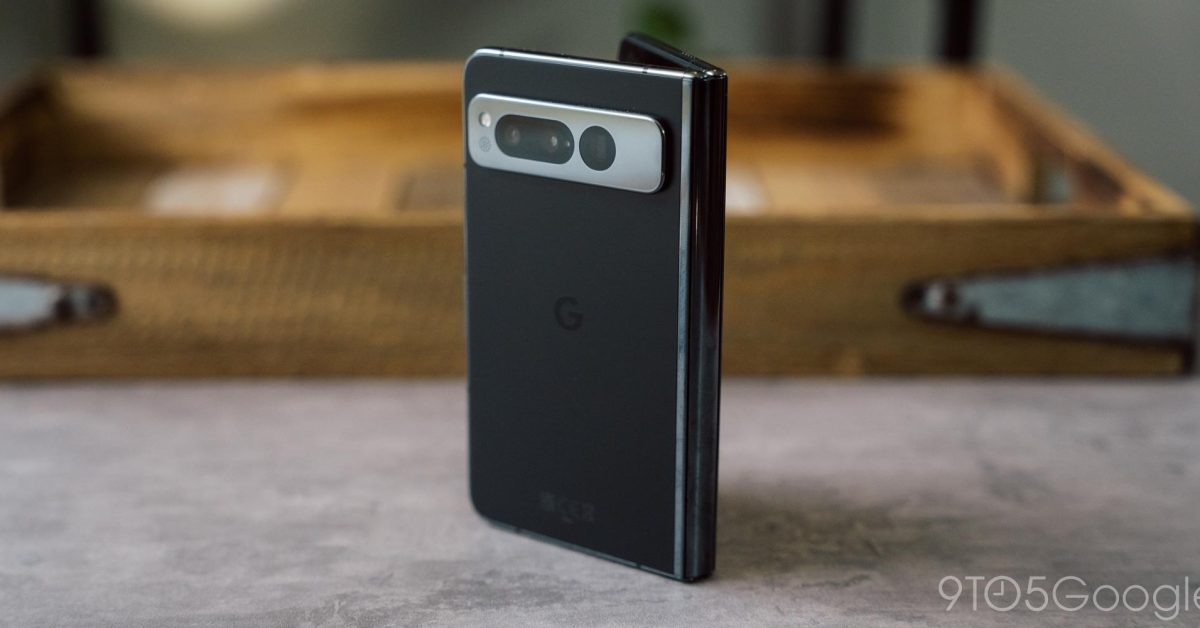
The Google Pixel Fold is currently available at a $400 discount, priced at $1,399 for the 256GB model, matching the lowest price seen so far. Despite its hefty build and concerns about battery life and longevity, the phone offers an impressive camera system, landscape form factor, and a terrific outer display. In gaming news, Armored Core VI: Fires of Rubicon is on sale for $39.99, offering explosive mission-based gameplay and intense customization. Additionally, tech deals include discounts on the Victrola Stream Onyx turntable, Apple Studio Display, Anker's 321 Power Strip, Persona 5 Royal Steelbook Edition, and Metal Gear Solid: Master Collection Vol. 1 for Nintendo Switch, PS5, and Xbox Series X / S.
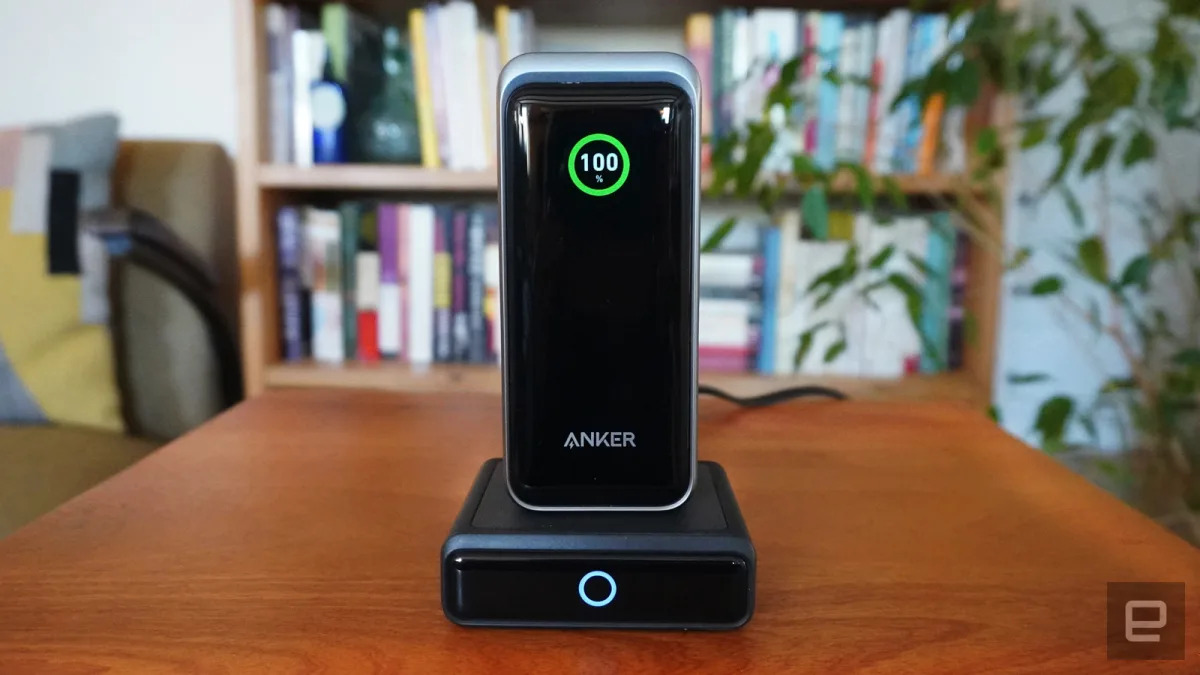
Anker's Prime and Nano power banks are on sale, Google Pixel Fold is discounted by $400, Apple AirTags are $20 off, Sonos Arc is $180 off, and Amazon is offering discounts on its tablets, Echo Show, Ring Video Doorbell, and Blink security cameras. Additionally, Samsung monitors and Logitech accessories are on sale, while Apple's AirPods and Cricut Explore 3 are also discounted.
The Google Pixel Fold, despite its initial disadvantages, is now worth considering at its Black Friday price of $1,399, which is where it should have been priced from the beginning. The device offers excellent hardware, a strong hinge, and impressive cameras, although it struggled with a too-strong hinge, an outdated display crease, and heat issues with its Tensor G2 processor. With a $400 discount, the Pixel Fold becomes a more compelling choice compared to other high-priced foldables like the Galaxy Z Fold 5 and OnePlus Open. While the OnePlus Open may still be the preferred choice for some, the $1,399 Pixel Fold is a tempting option.
The upcoming OnePlus Open foldable smartphone is rumored to be thinner than Google's Pixel Fold, potentially undermining Google's marketing campaign. While the exact dimensions of the OnePlus Open are not known, if it turns out to be the thinnest foldable available in North America, it would challenge Google's claim of having the thinnest foldable phone. The OnePlus Open is set to launch on October 19th with a price tag of $1,699.
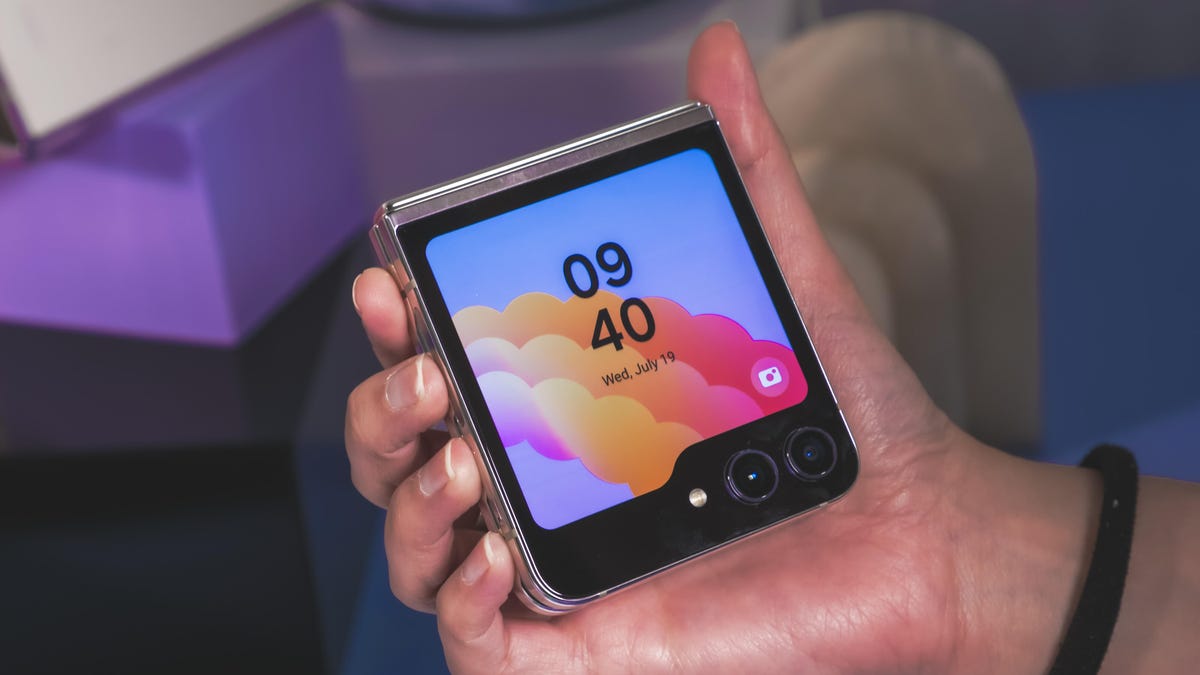
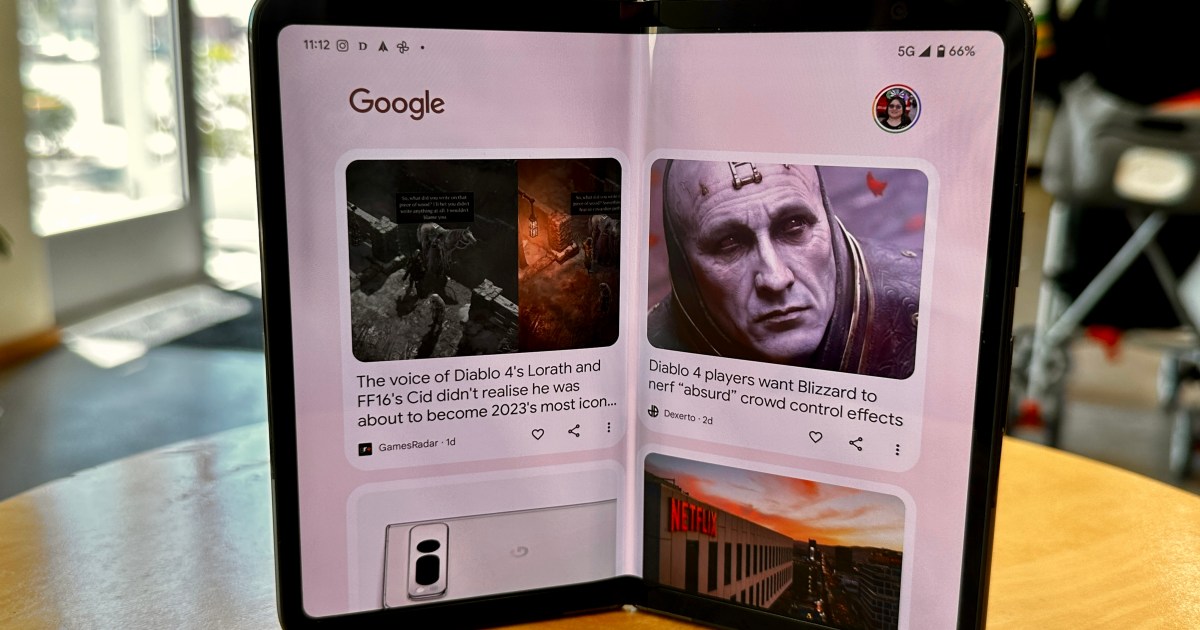
Tech giants like Samsung, Google, and Motorola are exploring the potential of dual-screen foldable phones to enhance user experience. The Samsung Galaxy Z Flip 5 and Motorola Razr Plus feature external cover screens that are large enough for basic tasks without opening the phone, offering a middle ground between a smartwatch and a smartphone. The Google Pixel Fold's wider-shaped cover screen provides a more natural feel when closed. These dual-screen designs have the potential for innovative features, such as camera previews and language translation, utilizing both the external and internal displays. This shift towards dual-screen foldables may help justify their higher cost and offer more than just a larger screen.
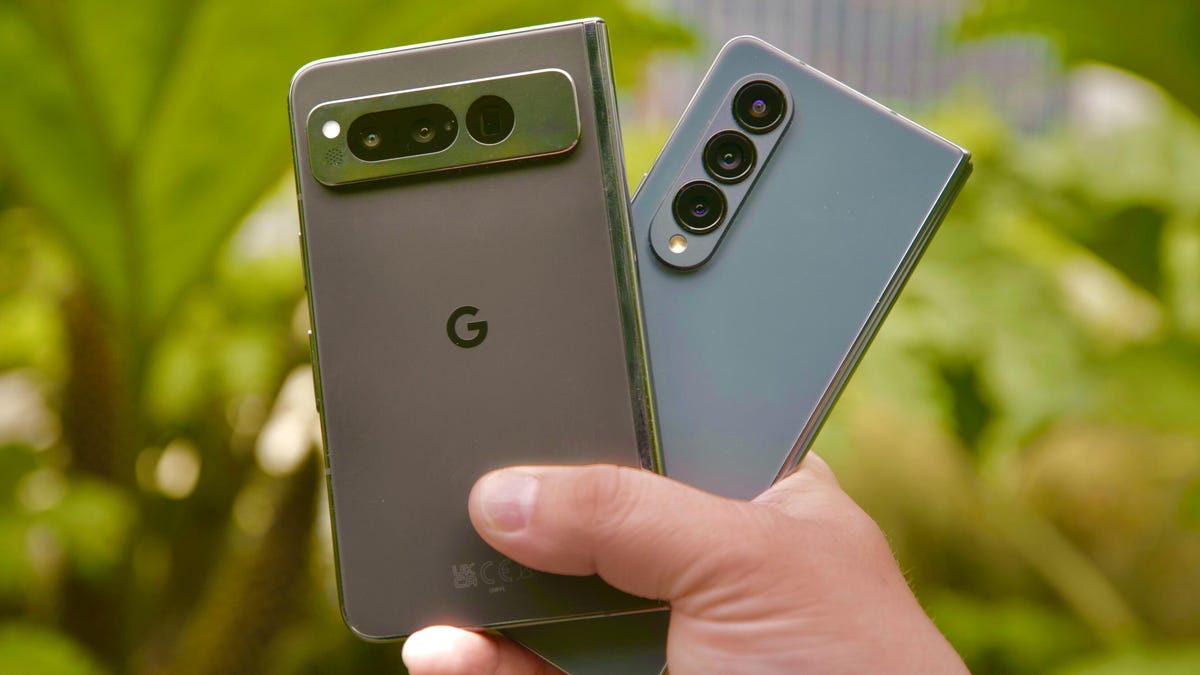
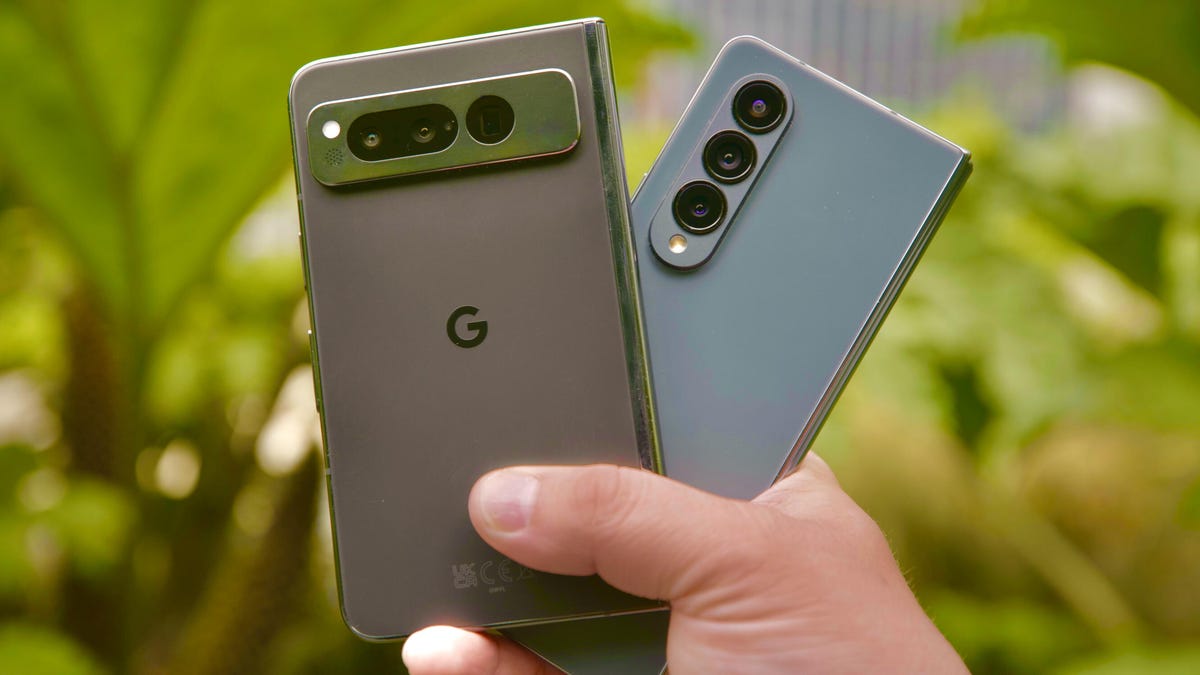
The Google Pixel Fold and Samsung Galaxy Z Fold 4, both priced at $1,799, offer similar camera specs but fall short in terms of camera performance compared to other flagship phones. The foldable design of these phones limits the space available for camera sensors and lenses, resulting in a heavy reliance on machine learning and AI for photo enhancement. In direct comparisons, the Pixel Fold generally produces better detail, dynamic range, and color accuracy, while the Z Fold 4 struggles with over-brightening, noise reduction, and softness. The Pixel Fold also has an edge in zoom capabilities with a 5x optical telephoto lens compared to the Z Fold 4's 3x. However, the Z Fold 4 excels in other areas such as its impressive interior screen and overall hardware and software experience. Ultimately, neither phone offers top-of-the-line camera performance, and users may need to choose between excellent imaging skills or the novelty of a folding screen.
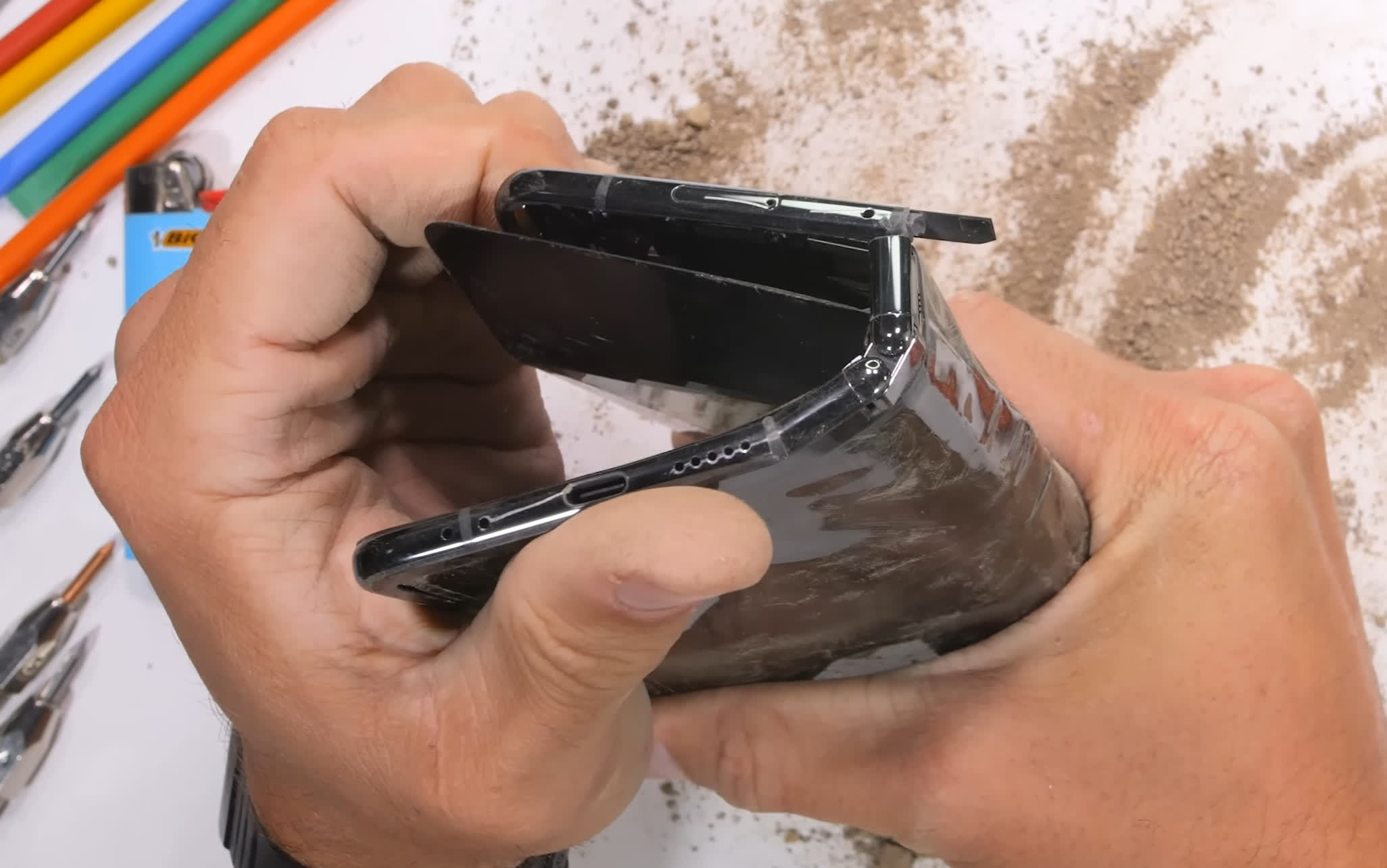
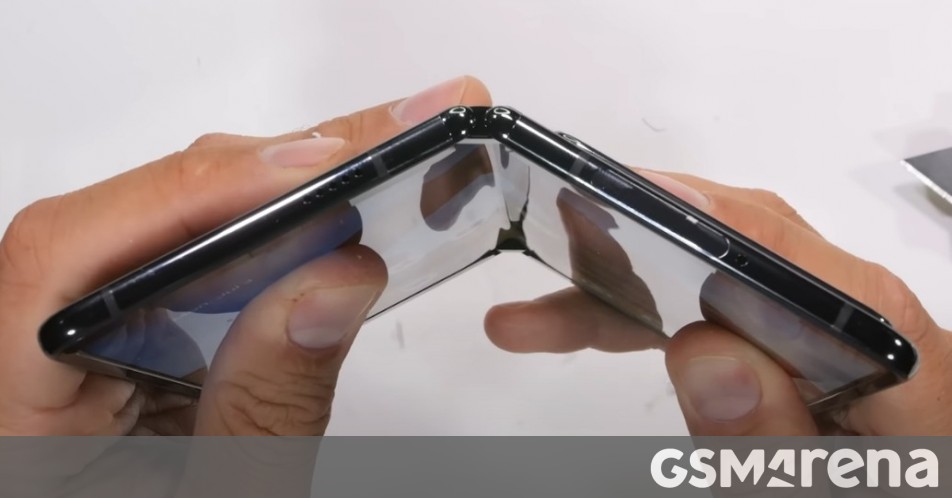
In a durability test conducted by JerryRigEverything, the Google Pixel Fold failed spectacularly, while Samsung's Galaxy Z Fold 4 performed well. The Pixel Fold showed scratches on the outer Gorilla Glass Victus and the inner plastic layer of the display, and it shut down when exposed to flame. It also lacked a lockout mechanism, making it susceptible to damage during the bend test. Despite claims of having a durable hinge, the Pixel Fold's overall performance was disappointing.
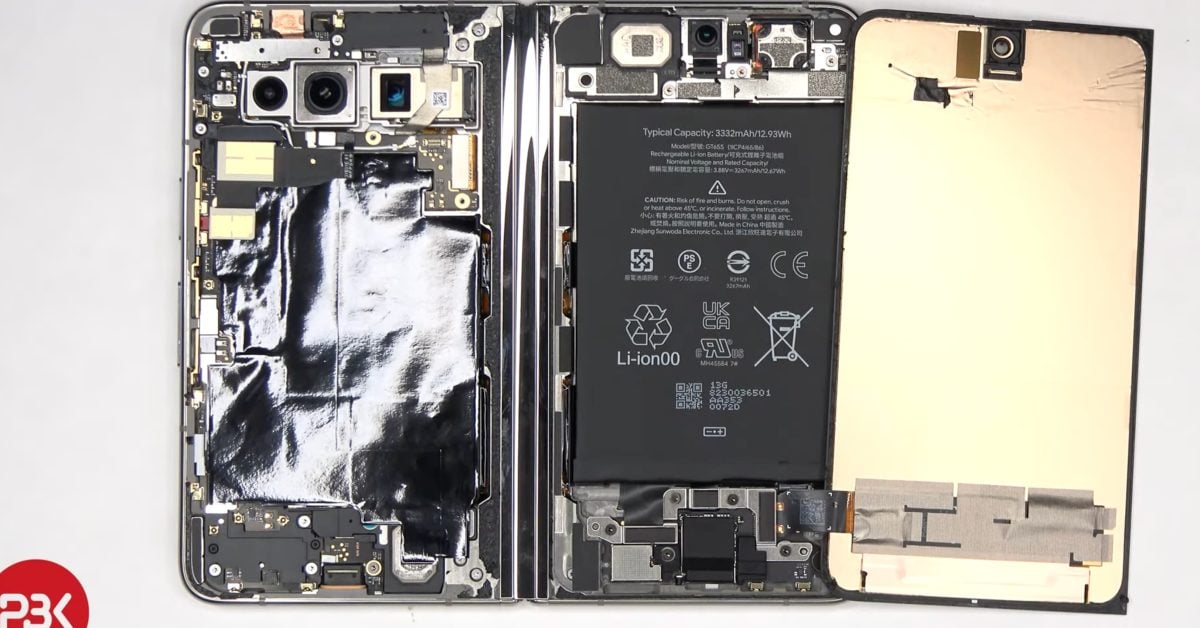
A teardown video of the Google Pixel Fold reveals the internal components of the device, excluding the flexible display. The video shows the process of removing the cover screen and back plate, exposing the battery, cameras, speakers, and other components. The teardown does not remove the foldable display, which would require additional steps.
The Google Pixel Fold, the company's first foldable smartphone, has undergone durability testing and did not fare well. The outer screen scratches at level 6 on the Mohs hardness scale, while the inner foldable screen scratches at level 2. The phone's sides are made of metal, but the hinge and antenna lines are vulnerable points. The device also struggled with heat, shutting down automatically after exposure to an open flame. When subjected to a bend test, the Pixel Fold's inner screen was destroyed, rendering it unable to fold shut again.
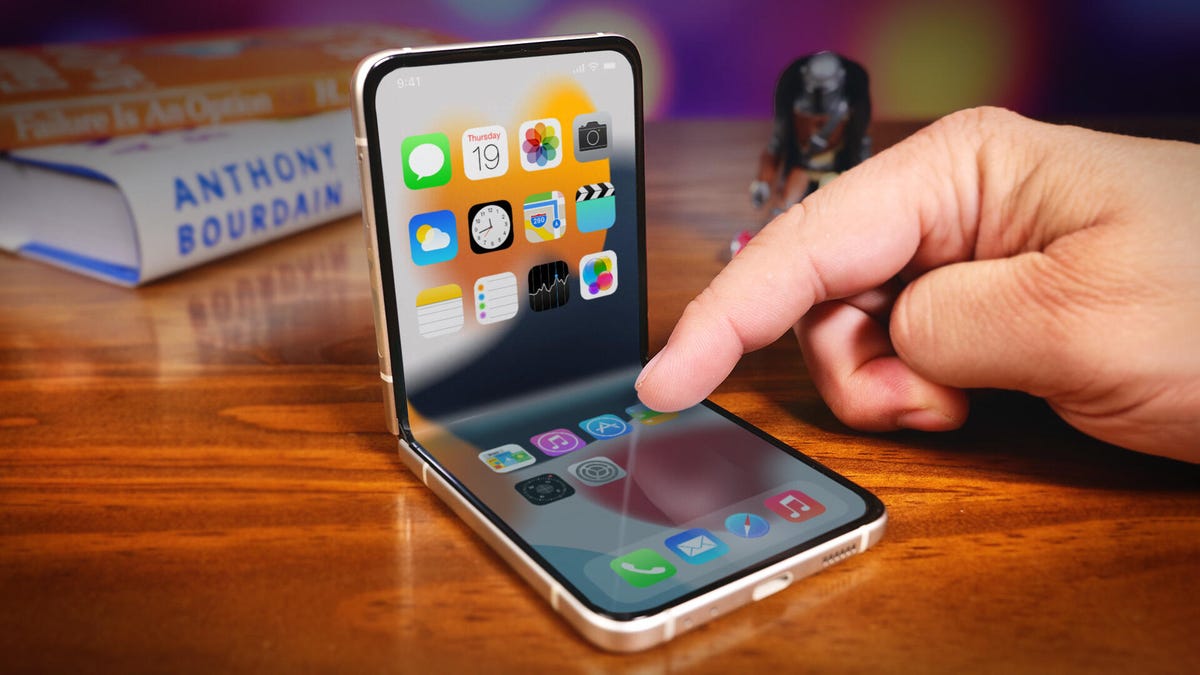
As foldable phones gain popularity, Apple remains the only major US phone-maker without a foldable device. Rumors suggest that Apple may release a foldable iPhone in 2025, potentially resembling an iPad Mini that folds in half. However, before launching a foldable iPhone, Apple must address manufacturing challenges, such as ensuring high-quality production at scale and minimizing mechanical complexities. Additionally, software adaptations would be necessary to optimize iOS and iPadOS for a foldable design. The price point of a foldable iPhone would also need to be carefully considered.
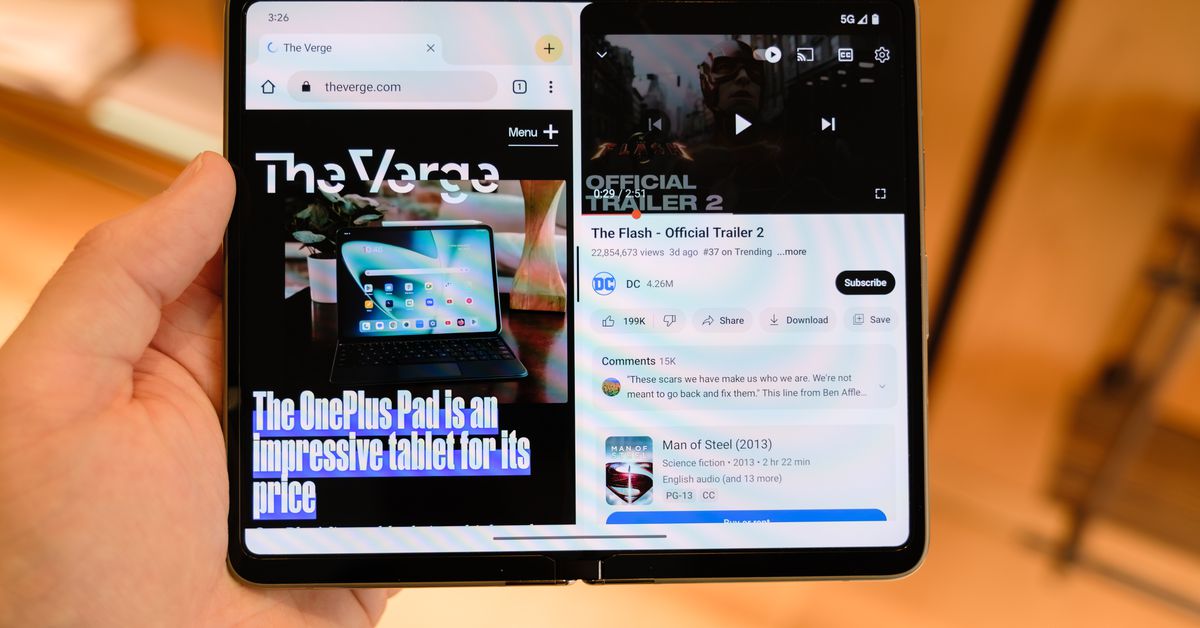
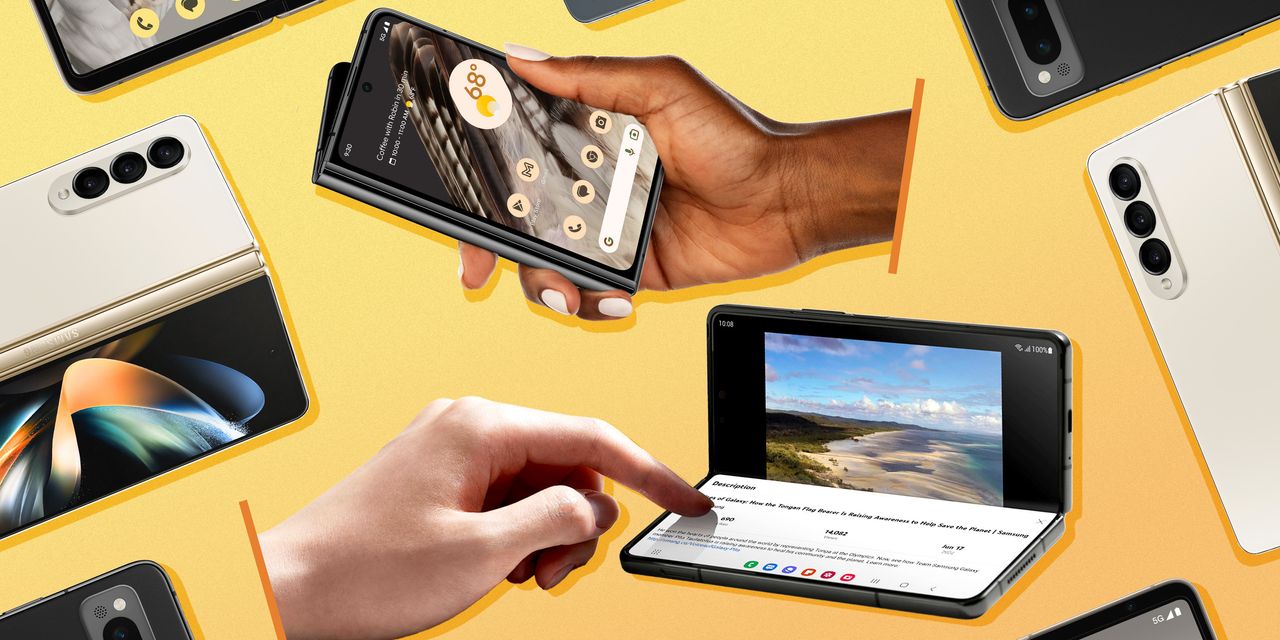
The article discusses the growing competition in the folding smartphone market, specifically between the Google Pixel Fold and the Samsung Galaxy Z Fold. These devices offer the flexibility of transforming from a phone to a mini-tablet and back again, providing users with a compact and versatile mobile experience.
The Google Pixel Fold and Samsung Galaxy Z Fold 4, both priced at $1,799, offer foldable screens and five cameras each. While neither phone excels in camera performance due to the limitations of their ultrathin bodies, the Pixel Fold outperforms the Z Fold 4 in terms of detail, dynamic range, and color accuracy. The Pixel Fold also has an edge in zoom capabilities with its 5x optical telephoto lens compared to the Z Fold 4's 3x. However, the Z Fold 4 impresses with its hidden under-display camera and overall hardware and software experience. Ultimately, neither phone matches the image quality of non-folding counterparts like the Galaxy S23 Ultra or Pixel 7 Pro, but the choice between beautiful photos or an exciting folding screen remains subjective.
The Google Pixel Fold, Google's first foldable device, has received positive reviews but is not without its issues. One reviewer has noticed a strange clicking or popping noise coming from the hinge when opening the device, although it does not affect the inner display or usability. The issue seems to occur randomly and is being addressed with Google for a replacement unit.